October is National Fire Safety Month. No matter what type of business you operate, now’s a good time to evaluate your workplace so you can keep your employees safe. Consider taking 11 steps that help you prevent fires this month and year-round.
Organize your Workplace
Poor housekeeping can mean an increase in clutter and fire fuel. Plus, messy hallways and blocked exits, sprinklers or firefighting equipment can hinder escape and rescue efforts. Walk through every part of your building and perform a thorough cleanup.
Maintain Equipment
Machinery, electronics and other equipment can overheat and cause a fire. Maintain all your equipment to prevent this hazard.
Prevent Electrical Hazards
Faulty wiring and other electrical hazards can spark a fire. Perform regular inspections of the entire electrical system and make any repairs immediately.
Store Chemicals Wisely
Flammable chemicals pose a safety risk. Read the Material Safety Data Sheets and labels on each container, then store and use the chemicals properly.
Allow Control Panel Access
You can turn off the electric and reduce this potential fire hazard at the control panel. Ensure the control panel is easily accessible and that key personnel know where it’s located and how to turn off the electric during an emergency.
Stock Fire Extinguishers
Based on your building’s size and occupancy, you must stock a certain number of fire extinguishers. Follow this requirement and inspect the fire extinguishers at least once a year to ensure they remain in proper working order. Also, train every staff member to use the fire extinguishers confidently.
Install Smoke Detectors and Sprinklers
Smoke detectors provide a warning, and a sprinkler system can save your building, equipment and inventory if a fire does start. Install both of these safety features, and inspect them regularly.
Designate Specific Smoking Areas
Require smoking employees and visitors to smoke only in certain areas that are far from chemicals, papers and other flammable materials. Provide ashtray receptacles and stock working fire extinguishers near the designated smoking areas, too.
Clearly Mark Exits
Post emergency exit diagrams where employees can see them. Also, mark every exit with a neon sign, and place reflective tape on the floor and doors.
Perform Regular Fire Drills
Fire drills prepare your employees for a successful evacuation. Conduct these drills regularly.
Update Contact Information
All of your employees should know who to contact during an emergency. The contact list will include the phone numbers for emergency personnel and key employees.
This October, you can celebrate National Fire Prevention Month. Take these 11 steps as you prepare your commercial property to remain safe.
Read more
Around 65 million Americans have high cholesterol, a condition that can affect anyone from young kids to senior adults. September is Cholesterol Education Month, and you can improve your health when you understand the definition of cholesterol and the best ways to prevent high cholesterol. 
What is Cholesterol?
Cholesterol circulates in your blood and resembles wax or fat. It supports metabolic processes, such as cell membrane stabilization, vitamin D formation, and steroid hormone and bile acid production. It While your body makes cholesterol naturally, it’s also found in food. If you make or consume more cholesterol than your body needs, the excess will accumulate in your arteries and narrow those passageways, which could increase your heart disease and stroke risk.
You have good cholesterol (HDL – high-density lipoprotein), bad cholesterol (LDL – low-density lipoprotein) and triglycerides. The lipoproteins carry cholesterol to and from your body’s cells.
- HDL – Removes bad cholesterol as it flows through your bloodstream.
- LDL – Becomes part of the plaque that lines your arteries.
Your cholesterol levels can depend on several factors, including a family history of heart disease, diabetes, or high blood pressure. Smoking, alcohol consumption, stress, and your weight can also affect cholesterol levels.
What are Normal Cholesterol Levels?
The ideal cholesterol level is under 170 mg/dL. Your LDL level should be under 110 mg/dL, and your HDL level should be over 35. Aim for a triglyceride level of under 150 mg/dL. While these numbers are confusing, your doctor can explain them and help you achieve healthy levels.
How do you know if you have High Cholesterol?
You might have high cholesterol and not know it. Visit your doctor for a blood test that shows your cholesterol levels. Typically, adults over the age of 20 should have their cholesterol checked every five years. High-risk children should have their cholesterol checked regularly, too.
How is High Cholesterol Treated?
Often, lifestyle changes can reduce your cholesterol levels. Your doctor may recommend exercise and dietary improvements, such as:
- Engage in two hours and 30 minutes of moderate exercise or one hour and 15 minutes of vigorous physical activity each week.
- Eat more high-fiber food, including fruits, vegetables and whole grains.
- Limit the amount of saturated fat and sugar in the foods and beverages you consume.
- Maintain a healthy weight.
- Quit smoking and lower your alcohol intake.
- Reduce stress.
Your doctor may prescribe medication, too. Statins reduce the amount of cholesterol your body makes and can lower your bad cholesterol levels.
This month, raise your cholesterol awareness levels. Visit your doctor for a cholesterol check, and discuss the steps you can take to achieve a healthy lifestyle that improves your health now and into the future
Read more
If pets are part of your family, you schedule regular veterinary visits to ensure the health of your furry friends. Consider additional protective steps you can take during Pet Insurance Month, observed in September.
What is Pet Insurance?
Similar to health insurance for humans, pet insurance helps you pay for the expected and unexpected health care your pet needs. You may choose from a variety of policies.
- Accident – Pay for the treatment of unexpected accidents or injuries like animal bites or poisoning but not illnesses or diseases.
- Accident and Illness – Treat broken bones, ear infections, diabetes, and other accidents, sicknesses, diseases, and pet health changes.
- Routine, Preventative Care or Wellness – Cover annual exams, vaccinations, flea control, and teeth cleaning.
You may also purchase endorsements or riders. They cover specific issues that aren’t included in your regular policy.
Your policy will include limits, too. Choose the annual, lifetime, per condition, or unlimited lifetime limit as you prepare to provide your pet with the best possible care.
Keep in mind that pet insurance includes exclusions based on your pet’s age, breed and hereditary conditions. Your policy could also be denied because of a pre-existing condition, such as a diagnosed illness or disease.
Review your policy carefully to ensure it meets your needs. For example, ensure the policy covers cancer treatment before you schedule the procedure so you’re not surprised by a denied claim after your next vet visit.
How do you use Pet Insurance?
Pet insurance allows you to see the veterinarian of your choice. You’ll pay the veterinarian out-of-pocket and then submit a claim to your pet insurance company. After you pay your deductible and any co-payment, you’ll receive reimbursement as per your policy terms.
How much does Pet Insurance Cost?
Your pet’s age and breed affect your pet insurance costs. Other factors include your location, the type of policy you purchase, the deductible, benefit limit, and reimbursement percentage. Discuss your needs and budget with your insurance agent as you purchase the right coverage for your pet.
Why Would you Purchase Pet Insurance?
Ultrasounds, blood work, dermatology treatment, and other medical and surgical procedures can cost thousands of dollars. With insurance, you can afford the treatment your pet needs. It also allows you to seek medical treatment as soon as possible rather than put off diagnostic or treatment visits. You can and insurance to choose treatment rather than euthanasia for your beloved pet, too.
During Pet Insurance Month, learn how to enhance your pet’s quality of life and give your furry friend the medical treatment it needs and deserves. This valuable product protects your pet and could save its life.
Read more
 Renting a vacation house saves you big bucks on vacation since it’s usually cheaper per night than a hotel. Plus, you have amenities like a washer and dryer, kitchen, full bath and maybe even a large backyard. That doesn’t mean, though, that your vacation home is perfect. Like any home, it’s susceptible to thieves, weather damage or other problems.
You might want to invest in insurance coverage as you rent a vacation home this summer.
Make Sure the Landlord and/or Rental Company (AirBnB) has adequate Property Insurance
You don’t plan to go on vacation and have a terrible time, but accidents, bad weather and mistakes happen. Who will pay the bill if the home’s rotted stair railing fails and sends you tumbling off the steps and into the ER? Can you afford to replace an antique vase you or one of your kids accidentally breaks?
In most cases, the landlord’s insurance will cover these accidents. Always ask if the home is covered before you sign a rental agreement, though, to ensure you’re not left covering the bill that should be the vacation home owner’s responsibility.
Make Sure you Have Insurance
Most homeowner and renters insurance policies cover your belongings if they’re lost, stolen or damaged. This coverage applies whether you’re in your home, at school or at vacation.
It’s a good idea to double check your policy before you travel. Add additional coverage if necessary to ensure you are indeed covered for every possible scenario. Ensure the policy is current and paid in full, too. You don’t want to file a claim while on vacation and discover that your coverage lapsed.
Renting a house can be an affordable, comfortable and fun part of your next vacation. Before you sign a lease agreement, make sure the home and your possessions are insured. The peace of mind helps you truly relax and unwind no matter where your vacation takes you.
Read more
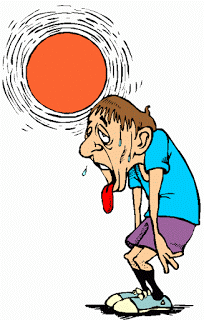 Higher summer temps mean fun in the sun on weekends, but those scorching temperatures can be deadly for people who aren’t prepared for them. Heat exhaustion affects a wide variety of folks, and unfortunately, most aren’t prepared to handle it. Once the temps start to rise, one must be proactive to protect oneself from succumbing to heat exhaustion and know how to respond.
Who Is Susceptible?
Those most at risk are workers whose job requires them to be outdoors. These include construction workers, HVAC workers, roofers, landscapers and many others. However, there are other jobs, such as automobile sales people, that may seem like an indoor job but actually require time outdoors. Even traditional office workers can succumb to heat if they are required to exert themselves too much during times of warm weather. For example, moving boxes or supplies from storage sheds or walking long distances between buildings.
Preventing Heat Related Illnesses
Preventing heat exhaustion is simply a matter of remembering to take it easy during hot weather. Employees should avoid exerting themselves beyond the physical activity that they are accustomed to. Additionally, they should take frequent breaks in a shady, cool location, especially if they begin to feel weak. Employers can help by supplying adequate drinking water and sports drinks, which can help re-balance electrolytes lost through sweating. Workers such as landscapers and roofers who must be outside, should schedule work as early as possible to avoid the hottest times of the day.
Signs of Heat Exhaustion
Employers and workers must be watchful for signs that someone is experiencing heat exhaustion, as many individuals will continue to push themselves even when lightheaded or weak. Symptoms include headache, blurred vision, nausea, paleness, excessive sweating, a weak pulse and shallow breathing. In severe cases, the individual will pass out. If these symptoms occur, force the individual to stop working, move them to an indoor location with air conditioning and make them lay down. A cool drink of water or a sports drink should also be given in small sips. If symptoms don’t subside within 15 to 20 minutes, call the paramedics.
Read more
Dear Valued Client,
As Independence Day approaches, we wanted to take a moment to reach out and extend our warmest wishes for a joyous and memorable July 4th celebration.
First and foremost, we hope that this message finds you and your loved ones safe and in good health.
While this year’s celebrations may still carry some restrictions and precautions, we encourage you to make the most of the festivities. Whether you choose to enjoy a backyard barbecue, watch a breathtaking fireworks display, or spend quality time with your family and friends, we hope that you find joy and happiness in every moment.
We also want to take a moment to express our heartfelt gratitude for your continued trust and support. Our relationship with our esteemed clients, is the cornerstone of our success. It is through your partnership that we are able to strive for excellence and deliver the best service possible. Please know that we value your patronage deeply and look forward to continuing to serve you with the utmost dedication in the months and years to come.
May your day and weekend be filled with laughter, love, and cherished memories. As we look ahead to a brighter future, let us embrace the spirit of unity and optimism that this day represents.
Happy Independence Day!
Warmest regards,
Tony and the Scurich Insurance Team
Read more
