California’s winter weather can be unpredictable. A few relatively quiet weeks can quickly give way to days of heavy rain, strong winds, localized flooding, power outages and saturated ground.
For homeowners, that can mean roof leaks, fallen trees and water where it doesn’t belong. For farmers, ranchers and agribusinesses, the stakes can be even higher: flooded fields, inaccessible roads, damaged equipment, livestock concerns, downed power, compromised buildings and interruptions during critical operations.
With El Niño and the possibility of significant winter weather once again part of the conversation, early fall is a good time to prepare — while the ground is dry and before everyone is scrambling ahead of the first major storm.
Here are some practical steps California homeowners and agricultural businesses can take now.
1. Start at the Top: Inspect Roofs, Barns and Agricultural Buildings
A small leak today can become a major problem during several consecutive days of rain.
Homeowners should inspect roofing, flashing, vents, skylights and other potential entry points for water. On farms and ranches, don’t stop at the residence. Check barns, shops, equipment buildings, storage facilities, offices and other structures as well.
Look for loose roofing materials, damaged panels, deteriorated seals and areas that have leaked during previous storms.
Pay particular attention to buildings protecting expensive machinery, feed, supplies or other property that could suffer significant damage from water intrusion.
2. Clean Gutters, Drains, Ditches and Culverts
Good drainage is important around any home. On agricultural property, it can be critical.
Clear leaves, dirt and debris from gutters and downspouts around homes and buildings. Make sure downspouts move water away from foundations rather than allowing it to collect alongside structures.
For farms and larger properties, inspect drainage ditches, culverts, field drains and other channels that move stormwater through or away from the property.
A partially blocked culvert may not seem important on a dry September afternoon. After hours of heavy rain, it can become a very different story.
3. Think About Where the Water Will Go
Walk your property before the rain arrives and ask a simple question: If we get several inches of rain, where is that water going to go?
Look for low spots, previous areas of standing water, erosion, blocked drainage paths and places where runoff could reach buildings.
On agricultural properties, consider access roads as well. A home, barn or operation that isn’t flooded can still have a serious problem if employees, feed trucks, veterinarians, suppliers or emergency vehicles can’t reach it.
If there were trouble spots during previous wet winters, now is the time to address them.
4. Inspect Trees Before Saturated Soil and Wind Arrive
Winter storms don’t only bring rain. Saturated ground combined with strong winds can topple trees and bring down large branches.
Inspect trees around homes, barns, shops, vehicles, equipment storage areas, livestock areas, fences and utility lines.
Dead limbs, damaged trees and trees that are already leaning deserve particular attention. When appropriate, have questionable trees evaluated by a qualified professional.
5. Get Pumps and Generators Ready Now
If your home or agricultural operation depends on a sump pump, drainage pump, well pump or generator, don’t wait for a storm to discover that it doesn’t work.
Test equipment now. Check fuel, batteries, hoses, connections and maintenance items, and make sure the people who may need the equipment know how to operate it safely.
For agricultural businesses, think through what happens if commercial power is unavailable for several hours — or several days.
Which operations stop? What happens to irrigation or drainage pumps? Refrigeration? Ventilation? Lighting? Water systems? Livestock operations?
A generator that hasn’t been started in two years shouldn’t be considered an emergency plan until it has actually been tested.
6. Protect Farm Machinery and Mobile Equipment
Tractors, implements, forklifts, utility vehicles and other agricultural equipment represent a substantial investment.
Whenever practical, move valuable equipment away from low-lying areas that have flooded in the past and store machinery under appropriate cover.
Consider access, too. Equipment parked safely on Friday isn’t very useful on Monday if the road leading to it has become impassable.
Fall is also a good time to inspect tires, batteries, lights and other basic items on vehicles and equipment that may be needed during poor weather.
7. Have a Plan for Livestock
For farms and ranches with animals, winter storm preparation should include more than buildings and machinery.
Consider whether livestock areas have adequate drainage, whether animals can be relocated if an area floods and whether feed and clean water will remain accessible during prolonged bad weather.
Also think about transportation. If roads become flooded or muddy, could you still reach the animals? Could a veterinarian reach them?
Those are much easier questions to solve before the storm.
8. Secure Materials That Wind or Water Can Move
Strong winds and moving water can turn ordinary items into hazards.
Secure outdoor furniture and loose items around homes. On farms and commercial properties, inspect portable equipment, empty containers, building materials, temporary structures and other objects that could move during a storm.
Also consider materials stored directly on the ground. Pallets, supplies, feed and other valuable property may benefit from being moved or elevated if water has entered the area previously.
9. Prepare for Employees and Business Interruptions
Agribusiness owners have another consideration homeowners generally don’t: employees.
Decide ahead of time who is responsible for storm preparation, who has authority to shut down operations and how employees will be contacted if roads or facilities become unsafe.
Make sure emergency contact information is current and that employees understand they should never risk driving through flooded roadways simply to reach work.
It is also worth thinking through how the operation would function if a key building, piece of equipment, utility service or access road became unavailable.
10. Photograph Your Property Before Winter
This may be the easiest item on the entire list.
Take your phone and walk around the property.
For homeowners, photograph rooms, furniture, appliances, electronics, improvements and the exterior of the home.
For farms and agribusinesses, photograph buildings, machinery, vehicles, tools, equipment, inventory and other significant property. Record serial numbers or identifying information for particularly valuable equipment when practical.
A short video walking through a shop or equipment building can capture a surprising amount of information in just a few minutes.
Keep copies somewhere safe and preferably backed up online rather than stored only on a phone or computer located at the property.
11. Review Your Insurance Before You Need It
Winter storm preparation isn’t complete without looking at your insurance.
Homeowners should review dwelling limits, personal property coverage, deductibles and important exclusions.
Farmers, ranchers and agribusiness owners may have considerably more to review, including buildings, farm machinery and equipment, commercial vehicles, inventory, liability exposures and potential loss of income following a covered event.
If you have purchased equipment, added a building, expanded an operation or made significant improvements since your last insurance review, make sure those changes are reflected in your current coverage.
And there is one issue that deserves special attention before a wet winter: flooding.
Damage caused by rising surface water or flooding is generally treated differently from damage caused by wind or rain entering through storm damage, and standard homeowners and commercial property policies commonly exclude flood damage.
Don’t wait until a major storm is approaching to find out what your policy does — and doesn’t — cover.
Preparation Is Part of Managing Risk
No one knows exactly what California’s winter will bring to a particular home, farm or community.
That’s really the point of preparing.
You don’t have to know whether the next storm will bring one inch of rain or six to know that clearing a drain, repairing a roof, testing a generator and moving expensive equipment out of a known flood-prone area are worthwhile precautions.
At Scurich Insurance Services, we work with homeowners, farmers, ranchers and agricultural businesses throughout California to help protect the property and operations they’ve worked hard to build.
Before winter weather arrives, it’s a good time to review both your property and your insurance program. A little preparation now can make a very big difference when the rain starts falling.
Coming next week: Part 2 — The Storm Is Here: Protecting Your Home, Farm & Business During Heavy Rain, Flooding and Power Outages.
This article is provided for general informational purposes only. Insurance coverage varies by policy, carrier, circumstances and applicable terms, conditions and exclusions. Contact Scurich Insurance Services to discuss your specific insurance needs and coverage.
Read more
Not every unhappy client means you have an insurance claim. But when a disagreement begins to involve allegations of mistakes, demands for corrective work, financial losses, or threats of legal action, determining when to notify your insurance carrier can become extremely important.
For businesses and professionals covered by professional liability or errors and omissions (E&O) insurance, waiting too long to report a potential claim could jeopardize coverage. At the same time, it is not always obvious when an ordinary business disagreement has crossed the line into a reportable claim.
Consider This Scenario
Imagine an engineer who designs the site and grading plan for a construction project. After the project is completed, the developer discovers that the parking lot is not draining properly.
- In March, the developer contacts the engineer, alleges that recommendations in a geotechnical report were not followed, and asks the engineer to develop a plan to correct the drainage problem.
- The engineer believes the original design was appropriate and that defective construction caused the problem.
- The engineer and developer meet several times while attempting to determine who is responsible.
- In May, the developer sends another letter specifically accusing the engineer of design errors and failing to accept responsibility.
- In August, the engineer notifies the professional liability insurance carrier.
- The developer eventually files a lawsuit against the engineer, architect, and contractor.
The important insurance question becomes: When did the claim actually begin?
Was it when the first letter arrived in March? When the developer made more direct allegations in May? When the engineer notified the insurer in August? Or only when the lawsuit was eventually filed?
A Claim Can Begin Before a Lawsuit
One of the most important misconceptions about professional liability insurance is that a claim begins when someone files a lawsuit. Depending on the language of the policy, it can begin considerably earlier.
A professional liability policy may define a claim to include a written demand for money or professional services resulting from an alleged wrongful act. That means a letter, email, demand for corrective work, or other communication could potentially qualify as a claim even though no attorney or lawsuit is involved.
In the engineering example, the insurance carrier argued that the developer’s initial March letter constituted a claim and should have been reported at that time. The engineer viewed the situation differently. He believed the developer was still investigating the cause of the drainage problem and that the request for additional engineering work was simply part of resolving the issue.
That distinction matters because many professional liability policies are written on a claims-made or claims-made-and-reported basis. Reporting requirements and deadlines can therefore play a significant role in determining whether coverage applies.
Watch for Warning Signs
There is no single rule that applies to every policy or situation. However, certain developments should prompt a business or professional to review the situation carefully:
- A client alleges that your work contained an error, omission, or professional mistake.
- A customer demands that you redo or correct work at your own expense.
- A client requests reimbursement or compensation for a financial loss.
- You receive a demand letter from an attorney.
- A customer threatens litigation, arbitration, or another formal proceeding.
- You become aware of an incident that could reasonably lead to a professional liability claim.
Even when you believe an allegation is unfounded, that does not necessarily eliminate the need to report it. The reporting requirement is generally determined by the policy language and circumstances—not simply by whether you believe you did anything wrong.
What Is Circumstance Reporting?
Some professional liability policies allow an insured to report a potential claim or circumstance before an actual claim has been made.
For example, suppose you discover a significant error in completed work, but the client has not yet demanded compensation. Depending on the policy, you may be able to notify the insurer of the circumstances that could eventually result in a claim.
If a claim later develops from the reported incident, the policy may treat it as having been reported under the coverage in effect when the original circumstance was disclosed.
This can be particularly valuable for architects, engineers, consultants, accountants, technology professionals, contractors, and other businesses whose work can create liability issues months or even years after a project has been completed.
Documentation Matters Too
When a dispute develops, good documentation can be extremely valuable. Keep copies of relevant emails, letters, contracts, project records, photographs, meeting notes, and other communications.
Pay particular attention to dates. If a disagreement eventually becomes a claim, one of the important questions may be when you first became aware of circumstances that could reasonably result in a claim.
A clear record can help establish what you knew, when you knew it, and how you responded.
Don’t Make the Reporting Decision Based on Assumptions
Business owners sometimes hesitate to report a potential problem because they do not want an incident on their insurance record. Others assume there is no reason to contact their insurer until they have actually been sued.
Either assumption can create problems.
Your professional liability policy contains specific definitions, conditions, and reporting requirements. What qualifies as a “claim” under one policy may not be identical under another.
If you receive a demand, allegation, or communication that makes you wonder whether it should be reported, don’t simply put it in a file and wait to see what happens. Review your policy and contact your insurance professional promptly.
Protect Your Business Before a Dispute Becomes a Bigger Problem
Professional liability claims do not always arrive with a lawsuit attached. Sometimes they begin with an unhappy customer, an uncomfortable email, a request to redo work, or a disagreement over who is responsible for a problem.
Recognizing those warning signs—and understanding the reporting requirements in your insurance policy—can make a significant difference if the dispute eventually escalates.
Scurich Insurance Services can help businesses and professionals review their professional liability and E&O coverage, understand important policy provisions, and identify potential coverage gaps before a claim occurs.
If you’re unsure whether your current insurance program provides the protection your business needs, contact Scurich Insurance Services to discuss your coverage.
Frequently Asked Questions
When should I report a potential professional liability claim?
Reporting requirements vary by policy. A written demand for money or corrective services, an allegation of professional negligence, or circumstances that could reasonably lead to a claim may trigger reporting requirements. When in doubt, contact your insurance professional promptly and review the specific terms of your policy.
Do I need to wait until someone files a lawsuit?
No. Depending on the policy definition, a claim may arise well before litigation begins. Written demands, requests for compensation, arbitration proceedings, or demands for corrective professional services may potentially qualify as claims.
What is a claims-made policy?
A claims-made policy generally provides coverage based on when a claim is made against the insured, subject to the policy’s terms, effective dates, retroactive date, and other conditions. Some policies also require the claim to be reported during a specified period, making timely notification particularly important.
What is circumstance reporting?
Circumstance reporting allows an insured, when permitted by the policy, to notify the insurer about facts or events that could later result in a claim. If a related claim subsequently develops, the policy may treat it as connected to the earlier notice.
What records should I keep when a client dispute develops?
Keep contracts, emails, letters, photographs, project records, meeting notes, demands for corrective work, and other relevant documentation. Maintaining a clear timeline can be particularly helpful if the disagreement later becomes an insurance claim.
Insurance coverage varies by policy, carrier, and individual circumstances. This article is provided for general informational purposes and is not intended to provide legal advice or determine whether a particular event constitutes a claim under a specific insurance policy.
Read more
Trusted Insurance Solutions in Santa Cruz County – Protecting Your Business, Farm & Family
 Living and working in Santa Cruz County offers incredible opportunities—but it also comes with unique risks. From coastal weather exposures to agricultural operations and growing local businesses, having the right insurance coverage is essential. At Scurich Insurance Services, we help individuals, families, and business owners in Watsonville and surrounding communities protect what matters most.
With access to over 50 top-rated insurance carriers, we provide customized coverage solutions designed to fit your specific needs—not a one-size-fits-all policy.
Comprehensive Insurance Solutions for Santa Cruz County
Whether you’re running a business, managing a farm, or protecting your home and family, Scurich Insurance Services offers a full range of coverage options:
- Commercial Insurance Packages – Tailored policies that combine general liability, property, and other essential protections
- Farm & Agricultural Insurance – Specialized farm packages with potential Farm Bureau discounts
- Workers’ Compensation – Protect your employees and stay compliant with California regulations
- Professional Liability – Coverage for service-based businesses facing errors & omissions risks
- Umbrella Insurance – Additional liability protection beyond standard policy limits
- Group Benefits – Group health, life, and employee benefits to attract and retain talent
- Personal Insurance – Auto, home, life, and health coverage for individuals and families
Local Expertise That Makes a Difference
Insurance isn’t just about policies—it’s about understanding risk. Our team works closely with you to evaluate your exposures and build a smart risk management strategy. Whether you’re a small business owner, a contractor, or part of Santa Cruz County’s agricultural community, we bring local knowledge and industry insight to every recommendation.
We understand the challenges faced by businesses in Watsonville, Aptos, Santa Cruz, and surrounding areas—from liability concerns to employee coverage and long-term planning.
Why Choose Scurich Insurance Services?
- Access to 50+ insurance carriers for competitive options
- Customized coverage strategies based on your unique needs
- Local expertise in Santa Cruz County industries
- Risk management guidance beyond just selling policies
- Responsive, relationship-driven service
Protect What You’ve Built
Your business, your farm, your home – these aren’t just assets. They represent years of hard work and dedication. Having the right insurance coverage ensures you’re prepared for the unexpected while positioning yourself for long-term success.
At Scurich Insurance Services, we don’t just provide insurance—we help you plan wisely, reduce risk, and move forward with confidence.
Serving Watsonville & All of Santa Cruz County
We proudly serve clients throughout Watsonville and the greater Santa Cruz County area. Whether you’re reviewing your current policies or starting fresh, our team is ready to help you find the right protection at the right price.
Contact Scurich Insurance Services today to review your coverage and discover better options tailored to your needs.
Frequently Asked Questions
What types of insurance does Scurich Insurance Services offer?We offer a full range of insurance solutions including commercial packages, farm insurance, workers’ compensation, professional liability, umbrella coverage, group benefits, and personal insurance such as auto, home, life, and health.
Do you serve businesses in Watsonville and nearby areas?Yes. We proudly serve Watsonville, Santa Cruz, Aptos, and surrounding communities throughout Santa Cruz County with tailored insurance solutions and risk management support.
Can you help with farm and agricultural insurance?Absolutely. We specialize in farm insurance packages and can help identify Farm Bureau discount opportunities, liability protection, property coverage, and workers’ compensation for agricultural operations.
Why should I work with an independent insurance agency?As an independent agency, we represent over 50 insurance carriers. This allows us to compare options and customize coverage that best fits your needs, rather than offering a single carrier solution.
Do you provide risk management guidance?Yes. Beyond insurance policies, we help clients evaluate risks, plan strategically, and make informed decisions to better protect their business, farm, and personal assets.
Looking for better protection? Let Scurich Insurance Services help you build a smarter insurance strategy today.
Read more
What Central Coast Businesses and Homeowners Need to Know
The Central Coast has seen its share of intense weather in recent years — from heavy winter storms and localized flooding to coastal surge events and wind damage. Communities in Aptos, Santa Cruz, Monterey, and Salinas continue to feel the impact of shifting weather patterns that bring stronger storms and longer recovery periods.
For homeowners, landlords, contractors, agricultural operations, and business owners, now is the time to review insurance coverage and ensure you’re protected before the next storm hits.
At Scurich Insurance Services in Aptos, CA, we work with families and businesses throughout Santa Cruz County and Monterey County to help them prepare for real-world risks — not just theoretical ones.
Why Storm & Flood Risk Is Increasing on the Central Coast
Recent weather patterns have brought:
-
Heavier-than-normal rainfall totals
-
Flooded roadways and low-lying neighborhoods
-
Mudslides and erosion near burn scar areas
-
Wind damage to homes and commercial properties
-
Agricultural field saturation in the Salinas Valley
Coastal communities like Aptos and Santa Cruz are particularly vulnerable to:
Meanwhile, areas in Monterey and Salinas often face:
Even properties that have “never flooded before” have experienced water intrusion in recent seasons.
Does Your Homeowners Insurance Cover Flooding?
This is one of the biggest misconceptions we see.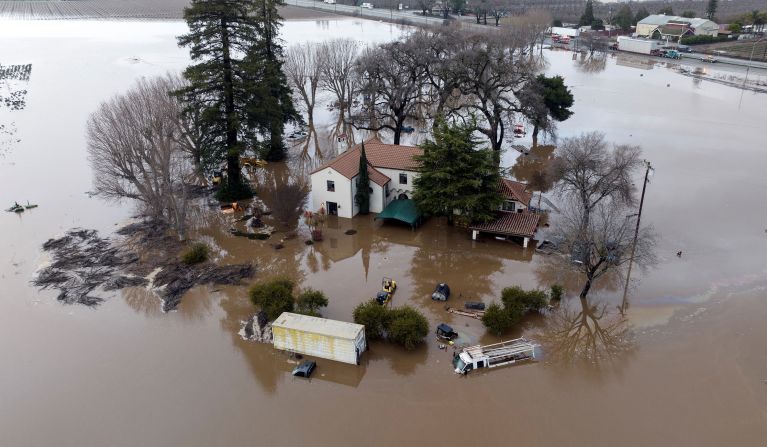
Standard homeowners insurance does NOT cover flood damage.
Flood insurance typically requires a separate policy. This applies whether you live:
-
Near the coast in Aptos or Santa Cruz
-
Near the Salinas River
-
In lower-elevation areas of Monterey
-
In inland agricultural zones
If water enters your home from rising ground water, storm runoff, or overflowing creeks — that is generally considered flood damage.
Without a flood policy, repairs can come entirely out of pocket.
What Homeowners Should Review Right Now
If you own a home in Santa Cruz or Monterey County, review:
1. Dwelling Coverage Limits
Are your rebuild limits updated for today’s construction costs?
2. Sewer & Drain Backup Coverage
Storm systems can overwhelm municipal infrastructure. This endorsement can be critical.
3. Flood Insurance Options
Even moderate-risk zones may benefit from coverage.
4. Deductibles
Some policies have percentage deductibles for wind or named storms.
5. Landscaping & Outbuildings
Retaining walls, detached garages, fencing, and outdoor structures may have limited coverage.
Business Owners: Storm Risk Is More Than Just Property Damage
If you operate a business in Aptos, Santa Cruz, Monterey, or Salinas, storms can disrupt:
Important Coverage Areas to Review:
Commercial Property Insurance
Protects buildings, improvements, and contents.
Business Interruption Insurance
Helps replace lost income if you must temporarily close.
Equipment Breakdown Coverage
Covers electrical systems damaged by power surges or outages.
Flood Insurance for Commercial Property
Separate from standard commercial property policies.
Agricultural & Winery Considerations in Monterey & Salinas
The Salinas Valley is one of the most productive agricultural regions in the country. Excessive rain, wind, and flooding can impact:
-
Crops
-
Irrigation systems
-
Equipment
-
Storage facilities
-
Access roads
Specialized agricultural coverage and crop insurance programs may be necessary to properly protect operations.
Coastal Property Risks in Aptos & Santa Cruz
Properties near the ocean face additional exposure to:
-
Salt air corrosion
-
Elevated wind exposure
-
Coastal erosion
-
Wave surge
Insurance carriers evaluate proximity to the coastline carefully. Premiums and deductibles may vary significantly based on location.
Working with a local agency that understands Central Coast geography can make a real difference in proper policy placement.
Why Local Experience Matters
Insurance isn’t one-size-fits-all — especially in areas with unique weather and geographic conditions like Santa Cruz and Monterey counties.
A local agency understands:
-
Neighborhood-specific flood patterns
-
Coastal wind zones
-
Agricultural exposures
-
Construction cost trends in the region
-
Carrier appetite changes after major storm seasons
At Scurich Insurance Services in Aptos, CA, we take a proactive approach — reviewing policies before problems arise.
Storm Preparedness Checklist
Before the next major weather event:
-
✔ Review your insurance policies
-
✔ Confirm flood coverage (if needed)
-
✔ Document property with photos
-
✔ Clear drainage systems and gutters
-
✔ Secure outdoor furniture and equipment
-
✔ Create a business continuity plan
Preparedness reduces both physical damage and financial stress.
Protect Your Property Before the Next Storm
Storm seasons on the Central Coast have become less predictable. Waiting until a major system is forecasted is often too late — especially for flood coverage, which may have waiting periods before activation.
If you live or operate a business in:
-
Aptos
-
Santa Cruz
-
Monterey
-
Salinas
-
Watsonville
-
Capitola
-
Carmel
Now is the right time for a coverage review.
Contact Scurich Insurance Services – Aptos, CA
Whether you’re protecting your home, business, rental property, or agricultural operation, our team can help you evaluate options and identify coverage gaps.
Insurance is about preparation — and preparation starts before the storm clouds gather.
Read more
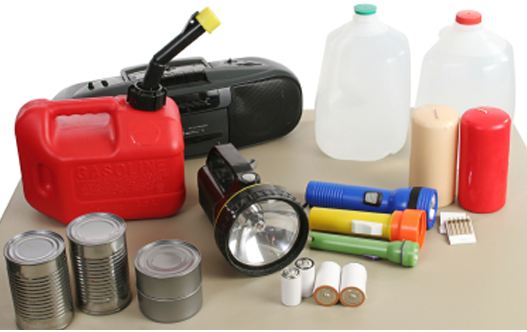 Heavy rains, floods, hurricanes can all threaten your home and family this spring. While no amount of preparation prevents volatile spring weather, a home emergency kit helps you prepare to be safe and survive.
Survival Essentials
A warm blanket, spare set of clothes and matches could make the difference in your survival. Pack these and all other essential supplies you might need in an airtight container that’s easily accessible.
Food and Water
The Red Cross suggests families store two weeks’ worth of food and water, which means you’ll need one gallon of water per person per day and a variety of easily prepared, non-perishable foods. Don’t forget to stock baby and pet food if necessary, too.
First Aid
Minor bumps and bruises can occur as your family rushes to safety. Your first aid kit should include basic first aid supplies like bandages, antibacterial cream, burn cream and pain reliever. Pack prescription medications, hearing aid batteries and other specialized medications if needed.
Hygiene Items
Toilet paper, toothbrushes and diapers are essential. Hand sanitizer and bleach should also be included in your emergency kit.
Stay Connected
You’ll want to stay connected to the outside world and signal for help, so include a battery-powered radio, extra batteries, your cell phone and chargers in your emergency kit. A flashlight and whistle for each person is also a good idea.
Tools
Whether you have to dig out of the basement or open a soup can, tools come in handy. Stock a multipurpose tool, work gloves, scissors, shovel, screwdriver set, hammer and manual can opener in your kit.
Important Papers
In the rush of an evacuation, you may forget to grab your purse or wallet. Copy important papers like your driver’s license, birth certificate, insurance policies and medical information. Store them, extra cash and your family’s emergency contact information in a waterproof bag to keep them safe.
This home emergency kit will play a big role in keeping you safe when volatile spring weather strikes. Update your insurance policies, too, as you stay protected and prepared.
Read more
National Cybersecurity Awareness Month (NCSAM) occurs annually in October. Started in 2003 by the U.S. Department of Homeland Security and private sector sponsors and nonprofit collaborators that form the National Cyber Security Alliance, this annual event promotes cybersecurity and recommends resources for online safety.  You, your family and/or your company can make several preparations this month.
Host an Educational Event
Begin planning an open house, expo, lecture, or other educational event that focuses on cybersecurity. Depending on your company, you may decide to focus your educational efforts on information that will benefit senior citizens, college students or families. For example, your IT specialist could present advice that helps consumers avoid cybercrime, or you could show customers how to implement security protocols on their electronic devices. Get creative as you prepare to raise cybersecurity awareness during an educational event.
Train Employees
Cybersecurity training should occur year-round, but your employees may be especially receptive to security tips during a month that’s focused on raising awareness. Take advantage of this annual opportunity to discuss topics like choosing secure passwords, securing electronic devices used for work and managing email safety. Or choose a different topic based on your unique needs.
Focus on Different Weekly Topics
This year, NCSAM includes four weekly topics. In summary, those topics include:
- Online safety at home.
- Training for a cybersecurity career.
- Ensuring online safety at work.
- Safeguarding critical infrastructure throughout the nation.
Your company can prepare to discuss these weekly topics during your events, through customer newsletters and on social media.
Utilize Your Social Media Influence
If your company has a large social media following, you have a powerful platform to raise awareness for cybersecurity. You can write blog posts that outline the importance of cybersecurity, share information about how to join the cybersecurity workforce or detail the ways your business protects data. Also, prepare infographs and other visual aids that discuss online safety tips.
Partner with Other Companies
Like NCSAM was started through a collaboration, your company can partner with other businesses as you increase cybersecurity awareness. Share the latest cybersecurity information, create resources that educate the public about cybersecurity or host an online safety seminar together.
Check your Cybersecurity Insurance Coverage
Cybersecurity insurance protects your business in many circumstances. Review your needs with your insurance agent as you ensure you have the correct amount of cybersecurity insurance for you and your company.
As your business prepares to celebrate National Cybersecurity Awareness Month in October, consider taking these steps now. They give you the tools you need to raise cybersecurity awareness among your employees, customers and community.
Read more
