 Roughly 374,000 fires occur in homes across the U.S. each year. Protect your home and family from being a statistic when you create a fire emergency plan.
1. Discuss Fire Safety Tips
Obviously, you want to extinguish candles, cigarettes and other open flames immediately. You also need to supervise meal prep in the kitchen to ensure nothing catches on fire. However, did you know that fabric can be flammable when it lies near the heater? Teach your family to prevent these and other fire hazards.
2. Install Smoke Detectors
To ensure everyone can safely escape a fire, place smoke detectors on every floor of your home where you can hear them day and night. Since smoke rises, place them on the ceiling or high on the walls.
3. Locate Fire Extinguishers
Fire extinguishers need to be accessible. Place one in the kitchen under the sink or in the pantry. Other smart locations include near the entrance and exit doors and at least one on each floor. Once they’re securely attached to the wall, ensure your adult and teen family members know how to use them.
4. Choose the Exits
Your home’s layout determines where you can safely exit. In each room, choose two door or window exits that assist your family in safely escaping a house fire. If you have a second story, store an escape ladder near the window, and make sure you know how to use it properly.
5. Designate an Outdoor Meeting Spot
Whether your family meets at a neighbor’s house or a tree across the street, designate an outdoor base camp. Call 911 from this spot after everyone safely escapes the fire.
6. Practice the Plan
Even the best fire emergency plan will be ineffective if your family members don’t know what to do when a fire starts. Test the fire alarms and teach your kids what they sound like. Then, practice escaping out of the nearest exit and meeting at your designated spot.
Additionally, talk to your insurance agent and ensure you have adequate home insurance for your house and possessions. Insurance won’t prevent fires, but it will give you peace of mind.
Read more
 Valued at $46.2 million, the Graff Pink diamond is one of the most expensive pieces of jewelry in the world. Your jewelry box might not hold anything that priceless, but you certainly want to insure your valuable or sentimental pieces, including the diamond cufflinks you wore at your wedding or your grandmother’s ruby brooch. November is Real Jewelry Month and the perfect time to make sure your necklaces, bracelets, rings and other real jewelry are insured.
1. Hire an Independent Appraiser
An independent appraiser will carefully and thoroughly inspect each piece of jewelry you own, and he or she will then determine the exact value of your works of art. Be sure to obtain a signed document that includes a detailed description and appraiser’s value for each piece.
2. Check Your Current Insurance Policy
Most homeowner or renter insurance policies include cash value or replacement coverage for personal belongings. As long as that figure is high enough to cover everything you own, including your real jewelry, you’re set.
3. Purchase a Rider
If your current policy does not cover your valuable gems, purchase a rider. It offers additional coverage for your precious collection.
4. Take Pictures of all Your Pieces
The police need detailed descriptions of your jewelry if a piece is lost or stolen. Take detailed pictures of each piece to increase the likelihood of recovery.
5. Update Your Inventory Regularly
Once you’re sure your jewelry is adequately insured, mark your calendar for an annual inventory review. Add new pieces you recently purchased and remove pieces you sold or gave away to ensure your collection is completely covered.
6. Inspect Your Jewelry
As part of your annual review; take your jewelry for an inspection. The jeweler will look for loose settings, chips or scratches. Take new pictures after any needed repairs are made.
7. Store Your Jewelry in a Safe Place
Insurance will replace your real jewelry if it’s lost, stolen or damaged, but don’t take chances. A fireproof safe hidden in your home or a safety deposit box at the bank protects your gems, especially if you own expensive pieces that you wear only on rare occasions.
You do not want to file a claim for stolen jewelry and find out it wasn’t insured. Follow these tips and talk to your insurance agent today as you protect your valuable collection and celebrate Real Jewelry Month.
Read more
 Are you planning to welcome trick-or-treaters to your home next weekend? Follow these steps to prep your property for safe Halloween fun.
1. Clean your walkways.
Jack-o-lanterns are cute, but they are also tripping hazards. Remove decorations and all clutter or debris such as toys, yard tools or twigs from your sidewalks, steps and walkways.
2. Clear the yard.
Ideally, kids will stay on the walkway and front porch as they retrieve their candy. However, you will want to clear your yard so curious and excited kids don’t trip on any toys, branches or yard tools.
3. Repair broken sidewalks and steps.
Inspect your entryway and steps carefully. Then repair any broken stepping stones, loose railings or other hazards.
4. Install lighting.
Your front porch light is turned on to welcome trick or treaters, but you may also need additional lighting to ensure safety. Solar-powered walkway lights or a string of lights can illuminate your walkway and porch.
5. Change your location.
Instead of making kids walk up your long driveway or steep steps, stand or sit in a location that’s easy for them to access.
6. Lock doors and windows.
On trick or treat night, your attention is focused on your front door. Lock all the other doors and windows in your house so no one can gain access to your home while you’re out front. Remember to lock your garage and car, too.
7. Secure valuables.
Move your grill, mower and other valuables to the shed or another secure location. With this tip, you prevent potential burglars from adding your home to their future target list.
8. Protect your pets.
Some kids are scared of animals. Also, pets can become startled and bolt or bite when they see strange costumes or dozens of noisy kids. Always secure your pets so they and the kids are safe.
9. Extinguish candles.
Open flames pose a fire hazard. As an alternative, try battery-powered bulbs, or install Halloween-themed covers on your flashlights.
10. Consider allergies when choosing candy.
Many kids are allergic to nuts or dairy. Place a teal pumpkin on your step to show trick or treaters that you offer safe alternatives like books, stickers or toys.
11. Update your property and homeowners’ insurance policies.
Despite your best efforts to promote safety, someone could be injured while on your property. Be sure your property and homeowners’ insurance policies are updated and include adequate coverage.
Trick or treating is a fun family activity. As you give out treats this year, follow these 11 safety tips. They secure your property and reduce your liability risks.
Read more
National Cybersecurity Awareness Month (NCSAM) occurs annually in October. Started in 2003 by the U.S. Department of Homeland Security and private sector sponsors and nonprofit collaborators that form the National Cyber Security Alliance, this annual event promotes cybersecurity and recommends resources for online safety. 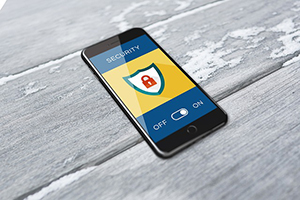 You and your company can make several preparations this month as you look forward to celebrating Cybersecurity Awareness Month with your employees, customers and community.
Host an Educational Event
Begin planning an open house, expo, lecture, or other educational event that focuses on cybersecurity. Depending on your company, you may decide to focus your educational efforts on information that will benefit senior citizens, college students or families. For example, your IT specialist could present advice that helps consumers avoid cybercrime, or you could show customers how to implement security protocols on their electronic devices. Get creative as you prepare to raise cybersecurity awareness during an educational event.
Train Employees
Cybersecurity training should occur year-round, but your employees may be especially receptive to security tips during a month that’s focused on raising awareness. Take advantage of this annual opportunity to discuss topics like choosing secure passwords, securing electronic devices used for work and managing email safety. Or choose a different topic based on your unique needs.
Focus on Different Weekly Topics
This year, NCSAM includes four weekly topics. In summary, those topics include:
- Online safety at home.
- Training for a cybersecurity career.
- Ensuring online safety at work.
- Safeguarding critical infrastructure throughout the nation.
Your company can prepare to discuss these weekly topics during your events, through customer newsletters and on social media.
Utilize Your Social Media Influence
If your company has a large social media following, you have a powerful platform to raise awareness for cybersecurity. You can write blog posts that outline the importance of cybersecurity, share information about how to join the cybersecurity workforce or detail the ways your business protects data. Also, prepare info-graphs and other visual aids that discuss online safety tips.
Partner with Other Companies
Like NCSAM was started through a collaboration, your company can partner with other businesses as you increase cybersecurity awareness. Share the latest cybersecurity information, create resources that educate the public about cybersecurity or host an online safety seminar together.
Check your Cybersecurity Insurance Coverage
Cybersecurity insurance protects your business in many circumstances. Review your needs with your insurance agent as you ensure you have the correct amount of cybersecurity insurance for your company.
As your business prepares to celebrate National Cybersecurity Awareness Month in October, consider taking these steps now. They give you the tools you need to raise cybersecurity awareness among your employees, customers and community.
Read more
 October, Adopt a Shelter Dog month, is a great time to add a dog to your family. Be careful which breed you adopt, though. Insurance companies use data from insurance claims and public health studies to create a high risk dog breed list, and your homeowners insurance premiums can increase based on the type of dog you adopt. You can save money when you choose a dog that’s not on the high risk list.
Working Breed Dogs
Agile, powerful and intelligent, Akitas, Alaskan Malamutes, Doberman Pinschers, Rottweilers and Siberian Huskies are also fiercely protective. If they’re not trained properly, these breeds could be potentially dangerous, especially to young children and small pets.
Terrier Breeds
Loyal and protective, American Pitbull Terriers and American Staffordshire Terriers have been bred to hunt. These traits mean they can become aggressive and tenacious if they’re cornered or frightened by one of your family members or guests.
German Shepherds
Police departments, military personnel and ranch hands appreciate this breed because the dogs are intelligent, hard-working and powerful. They’re also suspicious of strangers and won’t back down, which makes them a challenging breed for inexperienced owners to handle.
Chow Chows
Independent and strong Chow Chows are often kept as companions. These fluffy dogs can be aloof and stubborn, though, and should only be adopted by experienced dog owners.
Miscellaneous Breeds
Wolf Hybrid and Presa Canarios dogs exhibit strength and protective characteristics. However, they can also be unpredictable and quick to attack, making them potentially dangerous breeds. Friendly and docile Great Danes are listed on the high risk list, too, because of their size.
A dog adds fun and companionship to your home and family, and adopting a shelter dog is socially responsible. Before you choose a new pet, though, consider whether or not it will increase your homeowners insurance cost. If so, you may choose a different breed or reduce your home insurance premiums by installing a dog fence or raising your deductible.
Read more
 Whether you drive a vehicle that’s hot off the assembly line or one that’s old enough to be an antique, you want your car to last a long time. A fall tune-up helps you achieve your goal. It also maximizes fuel efficiency, prevents expensive repairs and ensures your vehicle runs properly all winter.
Read the Owner’s Manual 🙂
In the back of your vehicle’s owner’s manual, you’ll find a tune-up checklist. Follow it carefully as you ensure you repair and inspect all the essential areas of your vehicle this fall.
Fix the Brakes
Your mechanic should inspect the brakes for wear and ensure the brake lights on your vehicle work properly.
Change the Oil
Your vehicle’s engine requires engine oil as it operates smoothly. Top off the oil this fall or invest in a complete oil change, especially if you’ve driven 15,000 miles since your last oil change.
Check the Battery
Wipe off the terminals and make sure the battery is attached correctly. If it’s older than four years, replace it so that you’re not left stranded. Spray some battery protector.
Inspect Hoses
Soft, leaky or loose hoses seem like a small detail, but they’re important for proper engine performance. Inspect all your engine’s hoses to ensure they’re attached properly and replace any that aren’t in good working order.
Top Off Fluids
Low transmission fluid and coolant affect your vehicle’s performance and could damage the engine. Top off these fluids this fall. You’ll also want to fill your windshield washer fluid and the antifreeze reservoir.
Inflate the Tires
You’ll experience a smoother ride and enjoy increased traction when you inflate the tires to the proper level. Find the recommended tire pressure on your vehicle’s door sticker. Tire pressure can reduce slightly in the cold, and your tire pressure sensor (TPS) can sound a false alarm.
Update Insurance 🙂
Now that your car is tuned up, update your auto insurance, too. Make sure you have adequate coverage to handle any repairs or liability that may occur during a winter storm or after an accident. With these tune-up tips, you prolong the life of your vehicle.
Read more
