 Going boating this weekend?
Millions of Americans take to the water each year during boating season, traveling the coastlines, rivers, lakes and canals. The watercraft range from simple rowboats to jet skis to small motorboats to luxury yachts. Boat owners spend significant amounts of money buying and maintaining their boats.
The need for insurance protection when the boat is on the water is obvious, but many boat owners question the need for it during the off-season. However, insurance is just as important when the boat is in storage as when the owner is using it.
A typical Boat insurance policy provides a package of coverages, including:
- Damage to the boat, motor, and trailer
- Damage to portable property used in the maintenance and operation of the boat, including things like anchors, life jackets, oars, tools, skis and surfboards, lights, and fire extinguishers
- Damage to other types of property, including sports equipment, clothing, and other personal effects
- Damage to equipment on shore, such as boat covers
- The cost of recovering a sunk or stranded boat
- The cost of emergency service and towing
- Damage to non-owned or substitute boats
- Loss of fishing tackle
- Liability coverage for injuries or damages for which the boat owner is legally responsible
- Coverage for injuries the boat owner or others on the boat suffer in an accident with an uninsured watercraft
A boat owner will need these coverages if their boat gets into a collision with another boat, or if thieves steal scuba gear from it, or if fire damages the motor. However, losses are still possible while the boat is out of the water. Progressive Insurance reports that nearly two out of every 10 boat claims it receives from northern states occur between Labor Day and Memorial Day, when most owners are not using their boats much.
Some examples of losses that could occur:
- The building which houses the boat during the winter burns to the ground.
- Vandals damage the boat in the middle of the night while it’s in the owner’s driveway.
- A neighbor’s child, playing in the owner’s yard, runs into the boat stored there and injures his head.
- Someone steals the boat and its trailer from the yard at a repair shop.
- While the boat is stored in the yard, heavy snow melt causes a flash flood that damages the boat’s interior, including the mechanical system and the radio.
Some insurance companies offer “disappearing or reducing deductibles,” where the deductibles for collision and damage losses from other causes decrease by a certain amount for every claim-free year. Those companies will grant this benefit only to boat owners who keep their insurance continuously in force with them.
One of our professional insurance agents can provide advice on the types and amounts of coverage a boat owner needs. We can also recommend insurance companies that have expertise in boating, good claims-paying practices, and reasonable prices. Insuring a boat all year round can be expensive, but compared to the cost of a large uninsured loss, it may well be worth the cost.
Read more
 The U.S. Department of Justice’s Bureau of Justice Statistics reports that most burglaries occur during the summer months. While some burglars enter your home, others are interested in soft targets, the items stored outside of your home. One in three homeowners do not protect their soft targets, but you can with these tips.
-
- Vacant Properties
Thieves and vandals typically target vacant homes as they steal scrap metal or take other items to sell. If you’re on vacation, keep your windows and doors locked. Install outdoor motion activated lights and use a timer to turn on indoor lights at random times, too. You can also install a video camera that allows you to monitor your home while you’re away.
- Vehicles and Loose Items
Experienced car thieves can steal a vehicle in less than 10 seconds. Always keep your car locked inside the garage or make sure the alarm is turned on and install an anti-theft device that disables the ignition or locks the steering wheel. You should hide any loose items, too, including electronics, garage door openers, toll booth passes and parking garage passes, either in the glove box or trunk.
- Unlocked Sheds and Garages
Tools and lawn equipment are easy to resell. Always lock your garage, including windows, even if you’re working in your lawn. Be sure your valuable tools and equipment are stored inside the shed or garage, too.
- Sports Equipment
Whether your summer activities include baseball, kayaking or tennis, resist the urge to store your sports equipment outside. Secure it safely in a locked garage or shed, in a locked bin or in your vehicle’s trunk.
- Bicycles
Ideally, you should store your bike in a locked garage or shed. If you have to store your bikes, don’t use thin bike chains and wheel locks that are easy to unbolt or cut. A heavy chain threaded through the bike’s wheels and frame and a thick padlock are more secure.
- Air Conditioning Units
Your outdoor air conditioning units contain copper coils and other metal piping that thieves can scrap for cash. Install a bright security light that’s motion activated near your outdoor AC unit or install a locked fence around it.
- Pool Pumps
Pool pumps are easy to resell. Remove the pool pump and store it inside during your vacation. If that’s not possible, install a bright, motion-activated security light near the pump. You should also install a fence around your pool and keep it locked at all times.
Protect your home from thieves when you take steps to protect these seven soft targets. Be sure your homeowners or renters insurance policies are up to date, too, as you protect your home and possessions.
Read more
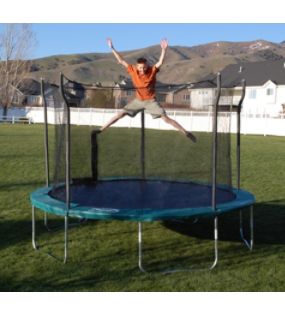 Trampolines help your kids burn off excess energy, and they’re a great weight loss tool for you. However, the American Academy of Pediatrics recommends that all consumers avoid using trampolines because unsafe use of this backyard toy can cause head and neck injuries, fractures and sprain. As a homeowner, don’t set up a backyard trampoline until you find out more about your liability.
Check Your Homeowners Insurance Policy
Trampolines are fun, but the expenses could quickly outweigh any enjoyment. Some insurance companies will not insure your home if you have a trampoline. They may either cancel your policy or exclude coverage for any trampoline-related injuries. Either way, you’ll be personally liable for any injuries that occur.
Set It Up Properly
If your homeowners insurance policy does cover your trampoline, be sure you set it up properly as you increase its safe operation.
*Follow the manufacturer’s instructions when setting up and using the trampoline.
*If possible, place the trampoline at ground level rather than above ground.
*Remove tree branches and other hazards located nearby.
*Provide adequate padding on the springs as you prevent pinching.
*Secure a safety net around the trampoline.
*Inspect the trampoline and all its parts regularly for wear and tear.
Provide Constant Supervision
Guests who are injured while using your trampoline can sue you. Be sure you provide constant supervision to ensure everyone practices safe jumping. That means only one person at a time should jump, and no one should do somersaults or flips, two major causes of spine injuries.
Fence-In Your Yard
You’re liable for injuries that occur by anyone who uses your trampoline, even if the jumper doesn’t have your permission or trespasses in your lawn. Protect yourself with a tall fence. It should have a self-latching lock on the gate for greater security.
Your family and friends can enjoy fun in your backyard thanks to your trampoline. Be sure to understand your liability, though, before you install one.
Read more
Trampolines help your kids burn off excess energy, and they’re a great weight loss tool for you. However, the American Academy of Pediatrics recommends that all consumers avoid using trampolines because unsafe use of this backyard toy can cause head and neck injuries, fractures and sprain. As a homeowner, don’t set up a backyard trampoline until you find out more about your liability.
Check Your Homeowners Insurance Policy
Trampolines are fun, but the expenses could quickly outweigh any enjoyment. Some insurance companies will not insure your home if you have a trampoline. They may either cancel your policy or exclude coverage for any trampoline-related injuries. Either way, you’ll be personally liable for any injuries that occur.
Set It Up Properly
If your homeowners insurance policy does cover your trampoline, be sure you set it up properly as you increase its safe operation.
*Follow the manufacturer’s instructions when setting up and using the trampoline.
*If possible, place the trampoline at ground level rather than above ground.
*Remove tree branches and other hazards located nearby.
*Provide adequate padding on the springs as you prevent pinching.
*Secure a safety net around the trampoline.
*Inspect the trampoline and all its parts regularly for wear and tear.
Provide Constant Supervision
Guests who are injured while using your trampoline can sue you. Be sure you provide constant supervision to ensure everyone practices safe jumping. That means only one person at a time should jump, and no one should do somersaults or flips, two major causes of spine injuries.
Fence-In Your Yard
You’re liable for injuries that occur by anyone who uses your trampoline, even if the jumper doesn’t have your permission or trespasses in your lawn. Protect yourself with a tall fence. It should have a self-latching lock on the gate for greater security.
Your family and friends can enjoy fun in your backyard thanks to your trampoline. Be sure to understand your liability, though, before you install one.
Read more
 Medical advances keep us healthier. However, debilitating illnesses still affect thousands of people, and the costs of treating those illnesses cause many medical bankruptcies. With critical illness insurance, you may get the treatment you need, keep your home and other assets, and spend time with your family.
Critical Illness Insurance Coverage
Dozens of medical conditions, including injuries, disease and surgeries, are covered under critical illness insurance. Several examples include:
- Alzheimer’s disease
- Cancers
- Coma
- Heart attack
- Heart valve surgery
- Kidney failure
- Loss of sight/speech/hearing
- Multiple sclerosis
- Organ transplant
- Paraplegia
- Severe burns
- Stroke
Many critical illness insurance companies offer critical illness categories such as cancer and related conditions, organ transplants and heart-related conditions. You may purchase coverage for one category or may more to purchase a policy that covers all the categories.
Policies usually range from $10,000 to $1 million. When you do file a claim, the insurance company will pay it in a lump sum. You may then use the money for any expense you wish, including:
- Medical bills, deductibles, co-payments or diagnostic testing
- Experimental treatment
- Out-of-network doctors and hospitals
- Transportation to treatment
- Wheelchair or other medical equipment and supplies
- Home health care
- Home improvements or retrofitting
- Household living expenses
- Income replacement
- Family vacation
- Childcare
Keep in mind that critical illness insurance typically provides coverage for two to 25 years. While the insurance remains in effect as long as you pay the premiums, critical illness insurance policies include a waiting period, also known as an elimination period, during which you cannot receive benefits.
Critical Illness Insurance Costs
Your age, height, weight, family health history, nicotine use and current medical conditions affect the cost of your critical illness insurance policy. Premiums may increase when these factors change.
Also, your costs depend on the amount of coverage you buy. Choose the right amount of coverage for you when you add two years worth of mortgage or rent payments and the amount of your outstanding credit card debt.
How to Purchase Critical Illness Insurance
When you decide critical illness insurance is right for you, purchase it in several ways.
- Purchase an individual policy, which includes a medical exam.
- Add the benefit through your employee benefits package and pay the premiums through payroll deduction. You’ll either receive a certificate under your employer’s group plan or an individual workplace policy.
- Add as a supplement to your major medical health insurance policy.
- Purchase as a supplement to your life insurance policy.
With critical illness insurance, you can afford medical treatment and provide for your family. It gives you peace of mind and may be a wise investment. Give us a call to find out more.
Read more
 Are you having a Super Bowl party – perhaps hoping to watch the 9ers win in Vegas this Sunday? What responsibilities do you have, though, if you serve alcohol?
You’re Responsible
If one of your guests drinks and injures someone or causes an accident during or after the party, you could be responsible thanks to social host laws that vary between states. Understand your state’s laws and be prepared to serve alcohol responsibly because your intoxicated guests’ actions could become your liability.
Protect Your Assets
Your home, bank accounts and paychecks are at risk if you’re found liable for an intoxicated guests’ actions. Lawsuits could run into the millions of dollars, especially if someone is seriously injured/killed. Protect your assets when you:
- Stay sober
- Limit drinks
- Don’t play drinking games
- Say no when someone’s had enough
- Designate a driver to take guests home, call a taxi or let guests crash at your house until they’re sober
Never Serve Alcohol to Minors
Every state and even municipalities within a state enforce different laws about serving alcohol to minors. However, you’ll stay on the right side of the law if you don’t serve alcohol to minors during your backyard parties or leave alcohol available during parties your kids might host when you’re not home. Doing so could get you fined or jailed.
All Home Insurance Policies are not Created Equal
Home insurance policies can include social hosting liability that you’ll need if you serve alcohol to party guests. Review your policy today and make sure it includes adequate social hosting liability coverage. If it doesn’t, discuss your options with your agent or shop around for a policy that will protect you and your assets.
Know the facts so that you can protect yourself and your guests. Be sure to review your homeowners insurance policy, too, as you maximize your coverage and prepare to have a fun and safe celebration.
Read more
