
Agricultural workers are at a serious risk of injury or death when installing, climbing into, fumigating, entering, filling or emptying a silo. Because of the nature of the conditions present, workers may be exposed to hazards such as a lack of oxygen, toxic gases and grain entrapment.
To reduce worker risk of injury, properly train workers and remind them frequently of the following safety recommendations:
- Avoid entering a silo unless it is absolutely necessary.
- Complete tasks outside of the silo whenever possible.
- Have a coworker close by in case of an emergency.
- Never smoke or cause sparks near a silo, especially if the air humidity is low.
- Wear respiratory protection when appropriate.
- Stand at a safe distance when filling or emptying a silo.
- Use an approved fall restraint system and harness when climbing a silo.
- Ventilate a fumigating silo before entering.
- Conduct regular safety inspections of silos.
For more farm and ranch safety tips, contact Scurich Insurance today.
Read more

Each year, thousands of businesses, schools and other establishments are mailed suspicious items (e.g., unmarked packages) or are the target of bomb threats. These threats can be made via phone calls, letters, social media channels, emails or other similar means.
Bomb threats and suspicious items are often used to cause alarm, panic, disruption or, in extreme cases, direct harm. However these threats are made, organizations of all kinds need to take them seriously and know how to respond appropriately.
What to Do If You Receive a Bomb Threat
Businesses often wrongly assume they aren’t at risk of a bomb threat. However, the truth is that no organization is 100 percent safe from malicious attacks or threats, making proper preparation all the more important. In the event that your organization receives a bomb threat – whether it be over the phone, via email or another means – follow these procedures.
Threats Made Over the Phone
- Remain calm. Keep the caller on the line for as long as possible, and don’t hang up even if the caller does.
- Signal or pass a note to another staff member, instructing them to notify the authorities. If this isn’t possible, call 911 from another phone after the caller hangs up.
- Document as much information about the call as possible. Details related to a caller ID number, the wording of the threat, the time of the call, background noises on the caller’s end, and the tone and inflection of the caller can all aid investigators. If possible, ask questions to infer specific details about the threat itself, including:
- Who is making the threat and where they are calling from
- The type of device and when it might go off
- What the device looks like
- Where the device is located
- Who the target is
- Record the call if possible.
- Be available for interviews.
- Follow any instructions from facility supervisors and local authorities. These individuals will also provide specific guidance related to facility lockdowns, searches or evacuations.
Threats Made Via Email, Online Platforms, the Mail or Other Source
- Call 911.
- Preserve the threat. If the threat is made online, take a screenshot. If the threat is made through the mail, store it in a safe place and handle it as minimally as possible.
- Note where the threat was found, who found it and when they found it.
- Wait for further instructions from the proper authorities.
In the event of a threat, staff members should avoid using two-way radios, cellular phones or any other electronics, as signals from these devices could potentially detonate a bomb. In addition, you should avoid activating alarms or evacuating the building until the proper authorities evaluate the threat. Law enforcement officials will direct the evacuation if one is necessary.
What to Do If You Find or Receive a Suspicious Item
In general, a suspicious item is any item – like a bag or package – that is believed to contain explosives, improvised explosive devices or hazardous materials. When it comes to identifying these items, you should watch out for unexplainable or unusual wires, electronics, sounds, vapors, mists or odors.
It is not uncommon for establishments to find or receive suspicious items and, while they may end up being harmless, it’s good practice to be overly cautious. As a good rule of thumb, any item that is Hidden, Obviously suspicious and not Typical (HOT) should be deemed suspicious.
In the event that your organization finds or receives a suspicious item, you should:
- Remain calm.
- Avoid touching, tampering or moving the item.
- Notify the proper authorities and your facility supervisor. Follow any and all of their instructions carefully.
Plan Ahead and Stay Safe
When it comes to bomb threats and suspicious items, every situation is unique. Typically, facility supervisors and law enforcement officials will be in the best position assess the situation, determine if a real risk is present and provide instruction on how to respond.
For even more protection, businesses should review guidance provided by the Department of Homeland Security and the Department of Justice. Doing so can help you better prepare for potential threats. For more workplace safety advice and risk mitigation tips, contact Scurich Insurance today.
Read more
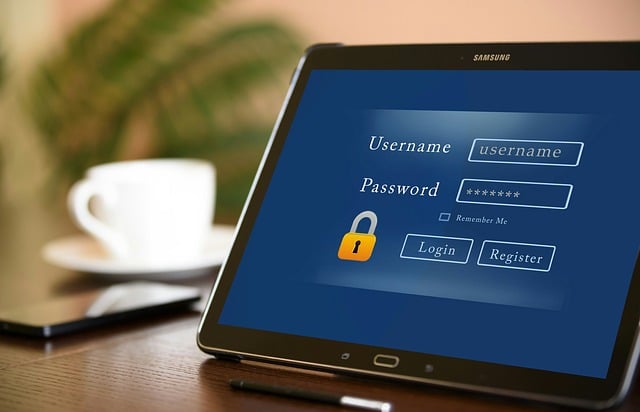
As technology becomes increasingly important for successful business operations, the value of a strong cyber liability insurance policy continues to grow. The continued rise in the amount of information stored and transferred electronically has resulted in a remarkable increase in the potential exposures facing businesses.
In an age where a stolen laptop or data breach can instantly compromise the personal data of thousands of customers, protecting your business from cyber liability is just as important as some of the more traditional exposures businesses account for in their commercial general liability policies.
Claims Scenario: Outsourcing Gone Wrong
The company: A national construction company that outsources some of its cyber security protections
The challenge: A construction firm partnered with a third-party cloud service provider in order to store customer information. While this service helped the company save on server costs, the third-party firm suffered a data breach.
As a result, the construction firm had to notify 10,000 of its customers and was forced to pay nearly $200,000 in incident investigation costs. The incident was made worse by the fact that the firm did not have a document retention procedure, which complicated the incident response process.
Cyber liability insurance in action: Following a data breach or other cyber event, the right policy can help organizations recoup a number of key costs. Specifically, cyber liability policies often cover investigation and forensics expenses—expenses that can easily bankrupt smaller firms who forgo coverage.
What’s more, when third parties are involved, managing litigation concerns can be a challenge. By using cyber liability insurance, organizations have access to legal professionals well-versed in cyber lawsuits and response.
Claims Scenario: Pardon the Interruption
The company: An online retail store that relies heavily on e-commerce
The challenge: A small-sized, online retailer partnered with a data centre to host its website and store its data. This is not uncommon, as many small businesses don’t have the IT infrastructure to host products, process payments and fulfil orders on-site.
Unfortunately, the data centre was targeted in a distributed denial-of-service (DDoS) attack. As a result of this attack, the retailer’s website went down for several days. While functionality was eventually restored, business interruption costs from lost sales and website downtime was over $165,000.
Cyber liability insurance in action: DDoS attacks are one of many weapons cyber criminals use to infiltrate and disrupt businesses. These attacks can impact any organization that owns a website, regardless of where it’s hosted.
Cyber liability insurance is one of the only protections organizations have against costly DDoS attacks and similar disruptions. This is because cyber policies offer business interruption loss reimbursement. Following a disruption caused by a cyber event, policies kick in and help organizations recover from any financial losses.
Benefits of Cyber Liability Insurance
- Data breach coverage—In the event of a breach, organizations are required by law to notify affected parties. This can add to overall data breach costs, particularly as they relate to security fixes, identity theft protection for those impacted by the breach and protection from possible legal action. Cyber liability policies include coverage for these exposures, thus safeguarding your data from cyber criminals.
- Business interruption loss reimbursement—A cyber attack can lead to an IT failure that disrupts business operations, costing your organization both time and money. Cyber liability policies may cover your loss of income during these interruptions. What’s more, increased costs to your business operations in the aftermath of a cyber attack may also be covered.
- Cyber extortion defence—Ransomware and similar malicious software are designed to steal and withhold key data from organizations until a steep fee is paid. As these types of attacks increase in frequency and severity, it’s critical that organizations seek cyber liability insurance, which can help recoup losses related to cyber extortion.
- Legal support—In the wake of a cyber incident, businesses often seek legal assistance. This assistance can be costly. Cyber liability insurance can help businesses afford proper legal work following a cyber attack.
When cyber attacks like data breaches and hacks occur, they can result in devastating damage. Businesses have to deal with business disruptions, lost revenue and litigation. It is important to remember that no organization is immune to the impact of cyber crime. As a result, cyber liability insurance has become an essential component to any risk management program.
Cyber exposures aren’t going away and, in fact, continue to escalate. Businesses need to be prepared in the event that a cyber attack strikes. To learn more about cyber liability insurance, contact Scurich Insurance today.
Read more

Continuity is critical in business, and there are few things more important than continuous revenue and cash flow, particularly for small to medium-sized organizations. In fact, just one brief business interruption can be incredibly costly for an organization, often leading to serious reputational damages or long-term closures.
That’s where business interruption insurance can help. This form of coverage provides protection against a variety of common interruptions, including natural disasters, equipment damage and vandalism.
Claims Scenario: You’re Fired
The company: A small, family-owned bagel shop.
The challenge: Following a recent fire, a bagel shop experienced major property damage. Not only were substantial repairs needed, the company lost crucial baking equipment.
Repairs for the damaged property and equipment were expected to take three months – a significant amount of lost time and revenue.
Business interruption insurance in action: Following a covered disruption, business interruption insurance can help businesses of all sizes stay afloat and recover quickly. This is because business interruption insurance can reimburse income organizations would have received had they been able to operate.
This was particularly important for the bagel shop, as paying for costly repairs and not having a steady flow of income could have bankrupted the business. With the right policy, organizations can take the necessary steps to get back up and running, all without sacrificing day-to-day income.
Claims Scenario: Relocation, Relocation, Relocation
The company: A mid-sized auto dealership.
The challenge: After a night of severe flooding, a number of area businesses experienced substantial water damage. Of these businesses, an auto dealership was hit the hardest, losing the majority of its inventory.
In addition, because the lot was flooded, the dealership had to move its operations to a new location. This, in turn, meant the dealership had to sign a new lease and cover steep moving expenses.
Business interruption insurance in action: In the face of a disaster or other disruptions, organizations may be forced to move locations in order to remain open. Without the proper policy, organizations would have to pay for these costs out of pocket.
Thankfully, business interruption insurance can reimburse organizations for all of the costs associated with a move.
Benefits of Business Interruption Insurance
- Revenue – In the event of a disruption, business interruption insurance provides coverage for income your business would have earned during a closure period if it had been operating normally.
- Rent or lease payments – Even if your premises are unusable following a disaster or other event, many leases still require that you make payments. Business interruption insurance allows you to continue making rent or lease payments, even while your business is not operating.
- Relocation – In the event that your primary location is unusable following a disaster or other event, you will likely have to relocate in order to remain open and continue generating revenue. Business interruption insurance can cover the expenses of moving your business to a temporary location and may include both moving and rent costs.
- Employee wages – If you are unable to operate, it is likely you will not be able to continue paying employees. Business interruption insurance can help you avoid losing staff while you’re closed by ensuring that you make payroll.
- Loan payments – If you have an outstanding loan, you will need to continue to make payments even if your business isn’t fully operational. Business interruption insurance will ensure you never miss a payment until you are fully operational again.
Read more

Your small business tax returns may not be due until April, but now’s the time to start your tax prep so you’re ready for the big day. As you gather documents and compile receipts, consider the commercial insurance premiums you can deduct as business expenses.
IRS Expense Deduction Guidelines
According to the Internal Revenue Service (IRS), small businesses can deduct ordinary and necessary costs associated with doing business. Certain insurance premiums fall into this category of deductible expenses.
Insurance Premiums you can Deduct
Here’s a partial list of business insurance premiums you may be able to deduct on your tax return.
- Auto insurance for commercial vehicles the business owns if you deduct the actual cost of the vehicles and not the standard mileage deduction.
- Business interruption insurance that covers lost profit if a covered event causes a temporary business shut down.
- Credit insurance that pays for losses caused by bad business debts.
- Group health insurance premiums if the company’s employees, managers and owners benefited and the policy is written in the business’s name.
- Liability insurance that covers accidents.
- Life insurance for officers and employees if you are not the beneficiary of any of those policies.
- Long-term care insurance available to employees, managers and owners.
- Malpractice insurance for personal liability that occurs because of professional negligence.
- Overhead insurance, which covers business expenses if you become disabled.
- State unemployment insurance fund contributions if they are taxed under your state’s law.
- Workers’ Compensation Insurance that covers employees’ occupational injuries or illnesses.
Insurance Premiums you Cannot Deduct
IRS rules prevent your business from deducting several insurance premiums, including:
- Certain life insurance or annuity premiums
- Insurance premiums paid to secure a loan
- Personal insurance premiums
- Self-insured reserve payments
- Sickness or Disability insurance premiums
How to Calculate Insurance Premium Deductions
To calculate your insurance premium deductions, gather your records and add all the allowable premiums you paid during the tax year. Include this figure with your other business deductions on IRS Form 1040. You can find additional helpful information about tax deductions in IRS Publication 535, the Business Expenses worksheet, and IRS Publication 334, the Small Business Tax Guide.
Insurance protects your business and offers invaluable peace of mind. Talk to your qualified professional tax preparer now as you prepare to file your taxes. He or she will evaluate your specific insurance policies and business circumstances, help you calculate your deductions properly and assist you in maximizing your tax return this year.
Read more

One of the biggest factors that goes into your workers’ compensation premiums are the classification codes for each type of work done at your business. Each of these codes has an associated loss cost that represents the expected amount insurers will need to pay for a claim. And even though each of these costs are standardized by the National Council on Compensation Insurance or state governments, your actual premiums may be higher because of a concept called loss cost multipliers.
What are Loss Cost Multipliers?
Standard loss costs are the amount insurers pay for a policy’s coverage, such as medical care, prescriptions and lost wages. However, many insurers face significant overhead costs when handling a claim and transfer these charges to policyholders with loss cost multipliers. Essentially, these multipliers reflect an insurance carrier’s expenses, such as:
- Payrolls
- Commissions
- Taxes, licenses and fees
- Sales and marketing charges
- Rent and utilities
Because each insurer operates differently, they all need to file separate loss cost multipliers with state insurance agencies. But, since multipliers alter standard loss costs and can vary greatly between different insurers, businesses may discover unexpectedly high premiums.
How Multipliers Impact Your Premiums
To determine a standard premium, insurers first take the loss cost for a specific employee classification code and factor in their unique loss cost multiplier. This figure is called the rate, which is then applied to your payroll to calculate a standard premium.
Insurers also weigh other factors to determine your final premium, such as your experience modification rate. However, because some insurers have loss cost multipliers of 2.0 or more, standard premiums have a significant impact on the final price of your policy.
How to Save on Workers’ Compensation
Although it may seem strange to pay for another company’s expenses through loss cost multipliers, there are still ways to save on workers’ compensation:
- Look up each insurer’s multiplier on your state insurance agency’s website when you buy or renew a policy.
- See if insurers use separate loss cost multipliers for different employee classification codes.
- Check with insurers to determine if they use various underwriting companies with unique loss cost multipliers.
- Call us at 831-661-5697 to discuss all of your workers’ compensation needs.
Read more
