.JPG) Falls are the leading cause of construction deaths. In 2014, fatalities from falls accounted for 359 out of 899 deaths in the construction industry.
Falls are the leading cause of construction deaths. In 2014, fatalities from falls accounted for 359 out of 899 deaths in the construction industry.
To curb such deaths and injuries, OSHA has joined forces with the National Institute for Occupational Safety and Health and National Occupational Research Agenda (NORA).The Construction Nationwide Safety Awareness Campaign is comprehensive and based on three key steps for employers: Plan for safety, provide proper equipment, and train workers.
To ensure safety on job sites that involve working from heights, plan how the project will be done and the tools needed. When estimating job costs, include these resources and have them available on site. For example, on a roofing job, think about such potential fall hazards – holes, sky-light, leading edges, etc. – and then select appropriate fall protection equipment, such as personal fall arrest systems (PFAS).
Provide workers who are six feet or more above lower levels with fall protection and the necessary equipment including ladders, scaffolds, and safety gear. If roof work is involved, have a PFAS with a harness for each worker who needs to tie off to the anchor. Make sure the device fits and inspect all equipment regularly.
Finally, give workers “toolbox talk” training on potential fall hazards and the set-up and use of the safety equipment they’ll be using. The OSHA campaign has a number of training tools, job site posters, and other educational resources – (many of which target workers with limited English proficiency).
To learn more about how to keep your workers from falling down (literally)on the job, feel free to get in touch with our construction insurance specialists.
Read more
 Accidents involving vehicles or mobile equipment (excavators, dumpers, etc.) on building sites kill more than a dozen workers a year and injure hundreds more. To help make sure that your workers and outsiders can move around your job sites safely,and keep your insurance premiums down, experts recommend using this checklist:
Keep pedestrians and vehicles apart:
- have separate entry and exit gateways for pedestrians and vehicles
- provide safe pedestrian walkways that take a direct route where possible
- make sure drivers with access to public roads can see both ways
- don’t block walkways or vehicle routes
- install barrier between roads and walks
Minimize vehicle movements:
- provide offsite parking
- control entry to the site
- have storage areas so that delivery vehicles don’t have to cross the site
Control people on site:
- recruit drivers and equipment operators carefully
- make sure that drivers, operators, and those who direct traffic are trained
- manage the activities of visiting drivers
Maximize visibility:
- provide mirrors, CCTV cameras or reversing alarms
- designate signalers to control maneuvers by drivers or equipment operators
- install lighting for use after sunset or in bad weather
- make sure that all pedestrians on the site wear high-visibility clothing
Provide safety signage and instructions:
- ensure that all drivers and workers know and understand the routes and traffic rules on the site
- use standard traffic signs where appropriate
- provide safety instructions to all visitors in advance
For a comprehensive – and free– review of vehicle and mobile vehicle safety practices on your job sites, just give us a call. We’re here to help at any time.
Read more

Safety inspectors know what to look for – but they might need a refresher on holding the “correction conversation”: explaining job hazards in such a way that your workers can see the potential danger, understand how it can hurt them, and suggest how to eliminate it.
To have an effective Correction Conversation, we’d recommend that safety inspectors follow these guidelines:
- Try to make it personal. “Kneeling on the floor for the day is going to turn your knees into jelly in a few years.”
- Tie the hazardous activity or condition to pain. “This night watchman dropped his flashlight, and when he bent down to pick it up, the rebar went right through his eye.”
- Make comparisons. These cable clamps might work, but the fist-grips kind are the ones that should be used. See – they look like two fists gripping.”
- Shift the blame. “I’m not sure who set this up, but because those cable clamps are upside down they won’t hold much. Just flip them over and torque them again.”
- Connect the correction to something the workers can share. Pass along additional information. Keep it simple, and use graphics whenever possible, If the concern is not having an eyewash station near a concrete pour, send a photo of a what a worker’s eye looks like after a concrete burn.
- Share a story. “I can beat that!” This phrase continues conversation in bars across the world. Tell a workplace hazard anecdote that you’ve heard or witnessed – and then stop talking! Chances are another worker will share a similar story. One-upmanship is a skill we all enjoy, and helps keeps a good Correction Conversation alive.
Read more
 Several courts have found yet another way for someone to sue contractors.
This term refers to lawsuits against you for alleged failure to exercise proper control over your employers. For example, one of your employees might be accused of injuring others recklessly while driving a truck on company business. A “negligent supervision” suit would claim that you were negligent in hiring this worker because you either failed to discover or ignored the fact that she had a record of reckless driving.
You also have an obligation to supervise your staff. Although you can’t foresee every incident, a court will look at whether you took reasonable steps to identify and guard against potential wrongdoing by your employees: everything from unsafe behavior on the job site to sexual harassment. It’s not only about whether a worker actually committed an offence – it’s about what you did to prevent it.
To head off liability for negligent supervision, we’d recommend that you:
- Set and enforce clear guidelines for interviewing and hiring employees.
- Provide training in conflict resolution and communication. Supervisors need to know when to report certain behaviors and which behaviors to look for, such as verbal abuse, failing to cooperate with supervisors or co-workers .and making inappropriate comments.
- Conduct regular performance evaluations to address specific behavior or job performance changes.
- Provide multiple avenues to receive allegations of misbehavior, and have unbiased managers investigate complaints so that no conflicts of interest exist. Investigate every incidents promptly and take decisive action.
We stand ready to review your company’s exposure to negligent supervision claims – and how your Liability insurance coverage can help protect you. Just give us a call.
Read more

Across the nation, utility lines, tunnels, and structures run under our feet, Each year, excavators strike approximately 700,000 of these underground lines, often triggering potentially fatal accident (from steam, gas, propane, or electricity). A single strike might easily cost a contractor hundreds of thousands, or millions, if the accident leads to an interruption of service that shuts down a factory, hospital, telecommunication lines– even a missile silo.
In most cases, insurance will not cover these losses. To deal with this threat, the Common Ground Alliance coordinates 811 –Call before You Dig, a nationwide phone and online system that contractors can use to notify local utilities so they can “mark out” their facilities before excavation of anything from to a sewer to a subway. These markouts are required under state law.
When you use the call 811.com system, bear in mind that:
- It doesn’t matter where you are – downtown, in the middle of a suburban street, or building a private home.
- Call even if you’re confident that you know where something is buried (for example, if you installed the line); many contractors dig up lines that have just put in.
- Instead of marking the area with wooden stakes – which are all too easy to drive through gas lines – use white paint or “feathers;” even the most shallow excavation can be hazardous.
Remember, failing to contact 811.com before every excavation violates the law – and leaves you wide open to huge liability losses. Don’t take a chance your odds of losing in the Underground Damage Casino!
To learn more, just get in touch with the Construction Insurance Specialists at our agency.
Read more
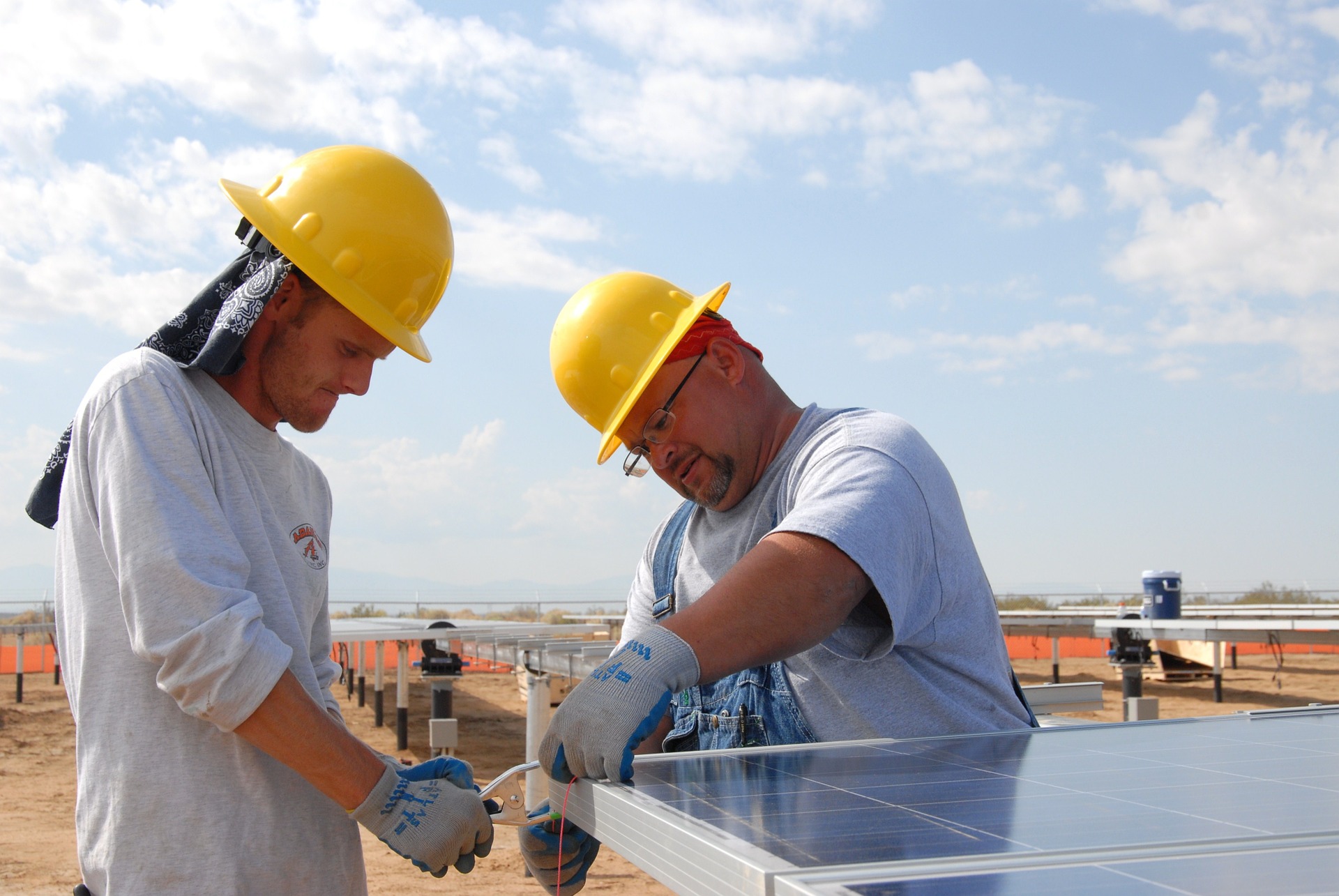
Unfortunately, a number of erroneous beliefs about worksite safety are widespread in the construction industry.
Here are seven common safety myths – and why they don’t pass the reality check:
- Safety programs ensure worker safety. In practice, this means that binders on a variety of topics (usually regurgitated OSHA standards) end up gathering dust on a back shelf.
- Safety is common sense. Taking risk is a very personal matter. Some people skydive, others bungee jump; some race automobiles, others rock climb.
- Incentive programs improve safety. Because these programs usually reward not having a recordable incident, they benefit workers been lucky enough to avoid accidents – not to mention a natural tendency not to report injuries.
- Progressive punishment ensures safety compliance. The best punishment can do is achieve temporary compliance. Effective policing must be continuous and consistent, with clear consequences.
- Firing noncomplying workers solves safety problems. This is like trying to cure a disease by treating its symptom. Instead, find the error that led to unacceptable behavior and change it.
- Safety training is a leading safety indicator. The sign-in sheet shows only who attended the meeting. For training to work, managers need to test what individual workers learned – or didn’t learn.
- Inspections and audits will uncover most workplace hazards. Inspections provide snapshots of workplace conditions at a given time, rather than an accurate picture of ongoing operations or activities.
Every construction firm needs to evaluate its safety systems, practices, and procedures critically, challenge the status quo where needed – and take decisive action.
Our agency’s professionals would be happy to offer their advice at any time, free of charge.
Read more
