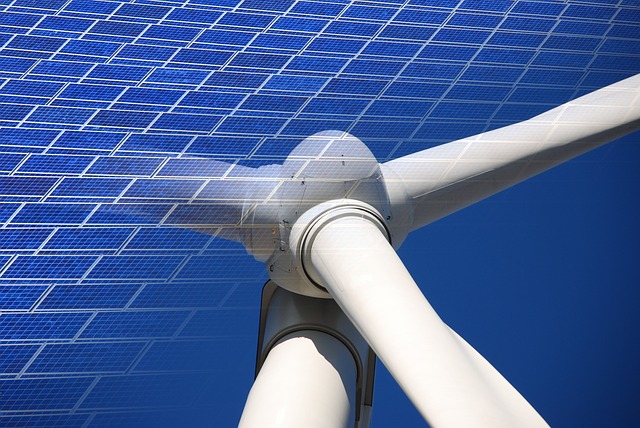
Using renewable energy sources is a wonderful way to preserve Mother Nature and do wonders for your pocket book. There are two types of alternate energy sources that are particularly popular ways to conserve: wind generators and solar power.
Solar Power
Solar power does not release any pollutants, so it’s a great way to be eco-friendly and save a bundle on your utility bills. Some additional benefits include:
- The federal government passed the Energy Law in August of 2005, which provides homeowners up to a 30 percent tax credit for the cost of a solar energy system, up to $2,000.
- Solar panels can convert energy straight into heat can heat water and/or swimming pools easily.
- Solar panels provide electricity long after the sun goes down because of the storage batteries in the panels.
Wind Generators
Wind generators produce energy as the naturally occurring wind spins the turbine. Some things to keep in mind include:
- The amount of energy produced each day will vary; however, wind power is free and tends to significantly reduce electricity bills.
- Your local utility company may have rules against using wind energy.
- Wind generators are costly to purchase (though electricity savings far outweigh initial costs in the long run).
- Many municipalities provide tax breaks for using alternative energy.
Safety First
Conservation is key in preserving resources for future generations. By using alternative energy sources, you are not only helping the planet now, you are doing your part to conserve for your children’s future.
Read more

In the event that someone is injured on your property and you are found legally responsible, you could be faced with a costly financial burden. In fact, without a personal umbrella liability insurance policy, any expenses beyond the limits of your standard policy are your responsibility. This applies to your homeowners, renters, automobile and watercraft insurance policies.
Personal umbrella liability insurance provides an extra layer of protection over your personal assets for when your standard liability coverage is exhausted.
Personal umbrella liability insurance provides an extra layer of protection over your personal assets for when your standard liability coverage is exhausted.
Engaging in everyday activities can put you at risk for a lawsuit. Simple things like having a swimming pool or entertaining guests in your home can increase the chance that someone will get injured and sue you. To minimize your risk, consider a personal umbrella liability policy.
Why is a personal umbrella liability policy important?
It works to fill the gaps in your coverage and provides the following benefits:
- When litigation ensues, it’s typically for a large amount. If you get into a car accident and injure several people, you could be sued for millions of dollars; well beyond the limits of your automobile policy. You can also be held responsible if your dog bites someone, if your child injures another kid in a fight at school or if a handyman hurts himself at your home.
- Umbrella policies cover legal fees because the insurance company assumes the risk, not you.
- Coverage is inexpensive and easy to obtain. Just give us a call to add it on to your current policy.
- You’ll have peace of mind knowing that you are covered in case of a fluke occurrence.
How much coverage do you need?
Take into consideration your total personal assets and your potential for personal risks when determining how much coverage you need.
A wide range of factors, such as whether you have hired help, if you have teen drivers at home or if you operate your business out of your home, will determine how much coverage is appropriate for your circumstances.
What are the policy limits?
A $1 million limit is typical and higher limits are available.
Contact us today to determine how much coverage is right for you.
Read more
 A home might seem like one of the safest places for a child to play, but household furniture carries many unforeseen dangers, especially for young children.
Deadly Consequences
A child is killed every two weeks due to falling furniture in the United States—70 percent are caused by TVs alone. Injuries are even higher, with over 25,000 per year. Preventive measures should be taken to ensure children are safe at home.
Preemptive Protection
Parents will often “baby-proof” their house when expecting a child. This typically includes rounding off sharp table corners and installing baby locks. Surprisingly, properly anchoring heavy furniture is often overlooked.
Preventing Tip-overs
- Use sturdy furniture to hold your TV and other appliances.
- Mount flat-screen TVs whenever possible.
- Closely follow assembly instructions for TVs and furniture.
- Secure top-heavy furniture with anti-tip brackets.
- Remove enticing objects from the top of heavy furniture to discourage children from climbing.
Furniture Tip-over Myths
- Heavy furniture will not fall over. This is a common misconception. Even base-heavy furniture can be hazardous when children open the drawers and climb on them.
- Rooms where children aren’t allowed don’t need precautions. Even a brief opportunity to wander in a bedroom or office can end in tragedy if the child plays on heavy furniture. Tip-overs happen quickly, and it is dangerous to leave a room unprotected.
- Latched dresser drawers are sufficient. Latches made for cabinets are not a substitute for an anchor. Young children can figure out the latches or even open drawers wide enough to begin climbing.
- Older children know they shouldn’t climb. Children aren’t masters of reason and can be compelled to climb if they see a toy sitting on top of a dresser. Additionally, children do not commonly think of shelves or dressers as dangerous, so climbing seems low-risk.
- Sturdy furniture is safe. No matter the weight, no matter how sturdy, all furniture can pose a risk if not properly anchored. The quality of furniture does not lower the danger.
Remember, taking a few extra precautions now can save a child’s life in the future. Play it safe and anchor heavy furniture.
Read more
