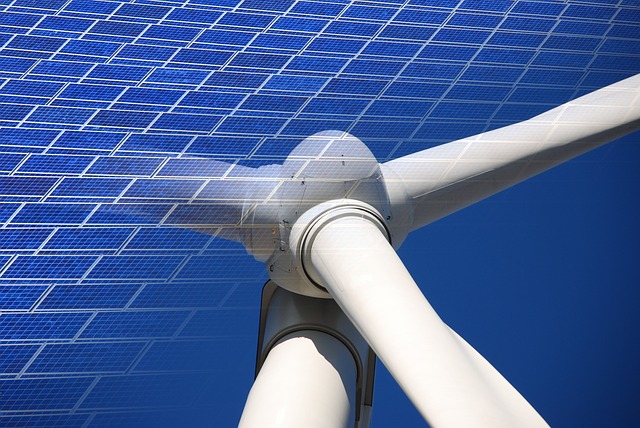
Using renewable energy sources is a wonderful way to preserve Mother Nature and do wonders for your pocket book. There are two types of alternate energy sources that are particularly popular ways to conserve: wind generators and solar power.
Solar Power
Solar power does not release any pollutants, so it’s a great way to be eco-friendly and save a bundle on your utility bills. Some additional benefits include:
- The federal government passed the Energy Law in August of 2005, which provides homeowners up to a 30 percent tax credit for the cost of a solar energy system, up to $2,000.
- Solar panels can convert energy straight into heat can heat water and/or swimming pools easily.
- Solar panels provide electricity long after the sun goes down because of the storage batteries in the panels.
Wind Generators
Wind generators produce energy as the naturally occurring wind spins the turbine. Some things to keep in mind include:
- The amount of energy produced each day will vary; however, wind power is free and tends to significantly reduce electricity bills.
- Your local utility company may have rules against using wind energy.
- Wind generators are costly to purchase (though electricity savings far outweigh initial costs in the long run).
- Many municipalities provide tax breaks for using alternative energy.
Safety First
Conservation is key in preserving resources for future generations. By using alternative energy sources, you are not only helping the planet now, you are doing your part to conserve for your children’s future.
Read more

In the event that someone is injured on your property and you are found legally responsible, you could be faced with a costly financial burden. In fact, without a personal umbrella liability insurance policy, any expenses beyond the limits of your standard policy are your responsibility. This applies to your homeowners, renters, automobile and watercraft insurance policies.
Personal umbrella liability insurance provides an extra layer of protection over your personal assets for when your standard liability coverage is exhausted.
Personal umbrella liability insurance provides an extra layer of protection over your personal assets for when your standard liability coverage is exhausted.
Engaging in everyday activities can put you at risk for a lawsuit. Simple things like having a swimming pool or entertaining guests in your home can increase the chance that someone will get injured and sue you. To minimize your risk, consider a personal umbrella liability policy.
Why is a personal umbrella liability policy important?
It works to fill the gaps in your coverage and provides the following benefits:
- When litigation ensues, it’s typically for a large amount. If you get into a car accident and injure several people, you could be sued for millions of dollars; well beyond the limits of your automobile policy. You can also be held responsible if your dog bites someone, if your child injures another kid in a fight at school or if a handyman hurts himself at your home.
- Umbrella policies cover legal fees because the insurance company assumes the risk, not you.
- Coverage is inexpensive and easy to obtain. Just give us a call to add it on to your current policy.
- You’ll have peace of mind knowing that you are covered in case of a fluke occurrence.
How much coverage do you need?
Take into consideration your total personal assets and your potential for personal risks when determining how much coverage you need.
A wide range of factors, such as whether you have hired help, if you have teen drivers at home or if you operate your business out of your home, will determine how much coverage is appropriate for your circumstances.
What are the policy limits?
A $1 million limit is typical and higher limits are available.
Contact us today to determine how much coverage is right for you.
Read more
 A home might seem like one of the safest places for a child to play, but household furniture carries many unforeseen dangers, especially for young children.
Deadly Consequences
A child is killed every two weeks due to falling furniture in the United States—70 percent are caused by TVs alone. Injuries are even higher, with over 25,000 per year. Preventive measures should be taken to ensure children are safe at home.
Preemptive Protection
Parents will often “baby-proof” their house when expecting a child. This typically includes rounding off sharp table corners and installing baby locks. Surprisingly, properly anchoring heavy furniture is often overlooked.
Preventing Tip-overs
- Use sturdy furniture to hold your TV and other appliances.
- Mount flat-screen TVs whenever possible.
- Closely follow assembly instructions for TVs and furniture.
- Secure top-heavy furniture with anti-tip brackets.
- Remove enticing objects from the top of heavy furniture to discourage children from climbing.
Furniture Tip-over Myths
- Heavy furniture will not fall over. This is a common misconception. Even base-heavy furniture can be hazardous when children open the drawers and climb on them.
- Rooms where children aren’t allowed don’t need precautions. Even a brief opportunity to wander in a bedroom or office can end in tragedy if the child plays on heavy furniture. Tip-overs happen quickly, and it is dangerous to leave a room unprotected.
- Latched dresser drawers are sufficient. Latches made for cabinets are not a substitute for an anchor. Young children can figure out the latches or even open drawers wide enough to begin climbing.
- Older children know they shouldn’t climb. Children aren’t masters of reason and can be compelled to climb if they see a toy sitting on top of a dresser. Additionally, children do not commonly think of shelves or dressers as dangerous, so climbing seems low-risk.
- Sturdy furniture is safe. No matter the weight, no matter how sturdy, all furniture can pose a risk if not properly anchored. The quality of furniture does not lower the danger.
Remember, taking a few extra precautions now can save a child’s life in the future. Play it safe and anchor heavy furniture.
Read more

If you want to insure a mansion or a priceless art collection, don’t be surprised if a certified thermographer shows up at your door, infrared camera in hand.
Thermal imaging cameras are among the latest high-tech tools Homeowners insurers are using to help stem losses before they become catastrophes, saving policyholders from heartbreak and companies millions in damage claims.
One major insurance company is using thermal imaging cameras for its high-value homes, letting inspectors “see” hidden hot or cool spots. A hot reading might indicate a fire hazard from an electrical malfunction, while a cool reading could come from a leak. In one case, the camera detected a cool spot in a ceiling due to a leak caused by a faulty 37-cent clip in an upstairs ice maker. If the ceiling had collapsed, it would have caused $125,000 in damage.
High-tech devices aren’t limited to the high-end market. One insurer offers an online risk-assessment tool that its Homeowners clients can use to find the risks for flooding, wildfire and storm surge, based on their address. This company also provides its clients inexpensive alarms that can detect potential water leaks before they can cause extensive, and expensive, damage.
Insurance companies are exploring new technologies. One insurer has patented a data recorder that can be installed in building to analyze potential causes of damage or destruction. Another company has filed a patent for a system that would use spectroscopy to identify chemical changes caused by wildfires and other natural disasters. If such a change were detected and confirmed, the company could speed up the claims process.
Read more

A pipe bursts and water ruins a corner of your Brazilian cherry wood floor. A windstorm tears off half of the vinyl shingles on one side of the house. A fire burns a couple of kitchen cupboards. Although your Homeowners policy will cover such partial losses, the extent to which the insurance company must go to make everything look just the way you’d like can be tricky.
Let’s say that the new siding contrasts with the older, weathered shingles or that you can’t find replacement kitchen cupboards that precisely match the originally.
Your claim should put you back to pre-loss condition so the new part shouldn’t stick out like a sore thumb. For example, this might mean replacing the entire floor of a room even if only a portion needs repair, or repainting all four walls after damage to only one.
In some states, if replaced items don’t match in quality, color or size, the insurance company must make “reasonable repairs or replacement of items in adjoining areas.” Although other states don’t have laws on matching, some Homeowners insurers have added similar “non-matching language” to their policies.
Besides varying by state, insurer, and policy, the issue of patching versus full replacement can depends on insurance company adjusters.
If you can’t get make any headway with the adjuster on the repairs you want, consider going over his or her head to a supervisor, or file a complaint with the state insurance department. Another option is to hire a public insurance adjuster to work on your behalf through the claims process. These professionals usually charge about 10% of the final settlement.
Read more
Of all Homeowners insurance losses, those from water damage are among the most common. Many people often don’t consider the potential risks in their own homes until it’s too late.
To minimize hazards that can cause water damage claims, we’d like to recommend these steps:
- Check for leaks. Periodically inspect the area around the refrigerator, washer, dishwasher, water heater, sinks, and toilets for drips, puddles, and discolored, warped, or soft flooring.
- Pay attention to your water bill. Monthly fluctuations could indicate a leak.
- Periodically check your water pressure. Water losses often occur due to excessive water pressure. Buy a pressure gauge at your local hardware store, and hook it up to a hose bib. If it’s above 65 psi, install a water pressure regulator.
- Before you go on vacation, take precautions. If temperatures in your area could dip below freezing, make sure that any exposed pipes are insulated, turn off the water supply to individual fixtures, and turn your furnace to low so that the pipes will stay warm enough to avoid bursting.
If you need to file a claim, follow these guidelines:
- Stop the source of the water by turning off the water main.
- Call your insurance company immediately. Most companies have staff 24/7 to help you set appointments with contractors who can dry out your house. Your insurer will also send an adjuster to assess the damage.
- Don’t start any major repair efforts until the adjuster has been to your home!
- Determine what was lost and document it. Even if things were ruined, don’t throw them away. Keep pieces of the damaged floor or ceiling, along with any valuable personal property, such as electronics or furniture. At a minimum, take photos or video of the damage.
For more information, give us a call at any time.
Read more
