
Across the nation, utility lines, tunnels, and structures run under our feet, Each year, excavators strike approximately 700,000 of these underground lines, often triggering potentially fatal accident (from steam, gas, propane, or electricity). A single strike might easily cost a contractor hundreds of thousands, or millions, if the accident leads to an interruption of service that shuts down a factory, hospital, telecommunication lines– even a missile silo.
In most cases, insurance will not cover these losses. To deal with this threat, the Common Ground Alliance coordinates 811 –Call before You Dig, a nationwide phone and online system that contractors can use to notify local utilities so they can “mark out” their facilities before excavation of anything from to a sewer to a subway. These markouts are required under state law.
When you use the call 811.com system, bear in mind that:
- It doesn’t matter where you are – downtown, in the middle of a suburban street, or building a private home.
- Call even if you’re confident that you know where something is buried (for example, if you installed the line); many contractors dig up lines that have just put in.
- Instead of marking the area with wooden stakes – which are all too easy to drive through gas lines – use white paint or “feathers;” even the most shallow excavation can be hazardous.
Remember, failing to contact 811.com before every excavation violates the law – and leaves you wide open to huge liability losses. Don’t take a chance your odds of losing in the Underground Damage Casino!
To learn more, just get in touch with the Construction Insurance Specialists at our agency.
Read more
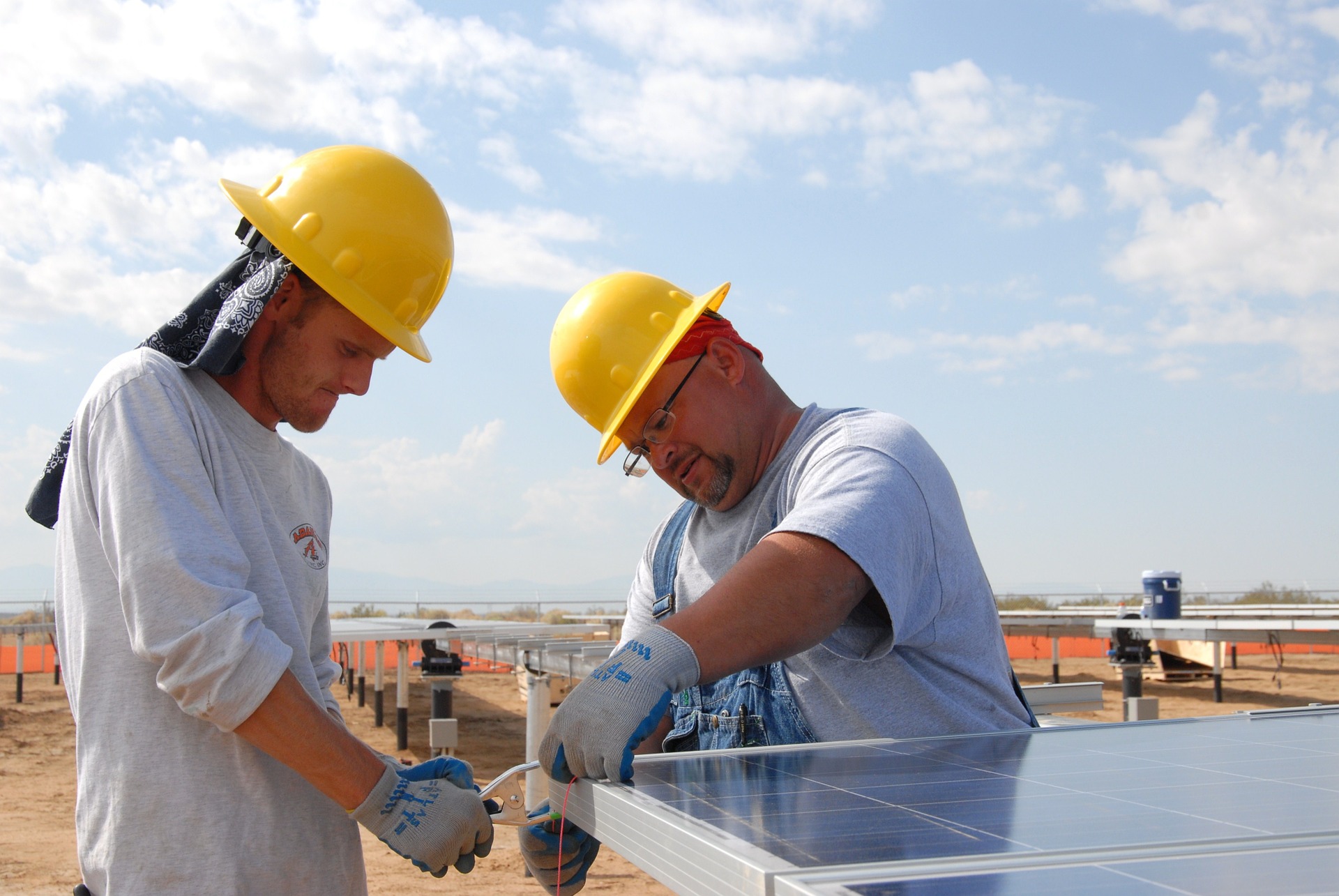
Unfortunately, a number of erroneous beliefs about worksite safety are widespread in the construction industry.
Here are seven common safety myths – and why they don’t pass the reality check:
- Safety programs ensure worker safety. In practice, this means that binders on a variety of topics (usually regurgitated OSHA standards) end up gathering dust on a back shelf.
- Safety is common sense. Taking risk is a very personal matter. Some people skydive, others bungee jump; some race automobiles, others rock climb.
- Incentive programs improve safety. Because these programs usually reward not having a recordable incident, they benefit workers been lucky enough to avoid accidents – not to mention a natural tendency not to report injuries.
- Progressive punishment ensures safety compliance. The best punishment can do is achieve temporary compliance. Effective policing must be continuous and consistent, with clear consequences.
- Firing noncomplying workers solves safety problems. This is like trying to cure a disease by treating its symptom. Instead, find the error that led to unacceptable behavior and change it.
- Safety training is a leading safety indicator. The sign-in sheet shows only who attended the meeting. For training to work, managers need to test what individual workers learned – or didn’t learn.
- Inspections and audits will uncover most workplace hazards. Inspections provide snapshots of workplace conditions at a given time, rather than an accurate picture of ongoing operations or activities.
Every construction firm needs to evaluate its safety systems, practices, and procedures critically, challenge the status quo where needed – and take decisive action.
Our agency’s professionals would be happy to offer their advice at any time, free of charge.
Read more

With so many demands on their time, many business owners find it difficult to learn enough about their insurance programs.
You’ve probably found yourself asking questions such as:
- Do I have the right coverages to protect my business from financial loss?
- Do I have any exposures to loss that aren’t covered and should be?
- Exactly what am I buying?
- Am I getting the best value for my premium dollar?
As insurance professionals, we help you answer these questions because we:
- Offer policies providing protection against a wide variety of risks that can threaten your business – everything from Accounts Receivable and Business Interruption through Employment Practices Liability and Glass Insurance to Theft coverage and Workers Compensation.
- Recommend an insurance company (from among the quality carriers that we represent) that will provide quality protection.
- Make it a point to learn how your business works so that we can pinpoint potential sources of loss.
- Design a program that minimizes the impact of these losses (incidentally, we don’t always recommend insurance).
- Provide comprehensive protect that’s tailored to your needs – and your pocketbook.
- Work with you to make sure that your coverage stays updated as your business grows.
In short, we take over one phase of your business for you, and work with you to accomplish your first goal – protecting your profits.
To help us help you make sure that your business insurance makes business sense, please feel free to get in touch with our agency’s professional at any time.
We’re here to serve.
Read more

The use of narcotics in treating injured workers faces heavy scrutiny today – and for good reason. The latest National Council on Compensation Insurance, Inc. (NCCI) Annual Issues Symposium found that:
- The average cost of narcotics per Workers Comp claim rose from $39 in 2003 to $59 in 2011. This is a rate of 0.79 narcotic prescriptions per claim, up from 0.56 in 2003 – a 14% increase in eight years.
- More than 5% percent of Comp claims that resulted in at least one prescription for if anymedication included five or more narcotics prescriptions.
To curb the prescribing of narcotics for your injured employees, start by choosing the right Workers Comp physician.
In most states, businesses have the legal right to designate the physician that injured employees must use. To find a physician in your area who is board certified in Occupational Medicine, go to http://www.acoem.org/. If none is available, look for a doctor who takes patients on Workers Compensation. In many cases, urgent care clinics make great partners. Once you find a physician, talk to him or her about your business, discuss your return-to-work program and the types of transitional jobs you offer – and ask about their attitude toward prescribing narcotics.
Even if state law prohibits you from requiring injured workers to see a specific physician, you can still suggest that they do so. For example, you might say, “Doctor Joan at Acme Urgent Care has treated many of your co-workers and they’ve gotten better quickly.”
Selecting a doctor who doesn’t dispense drugs and only prescribes narcotics when they’re are absolutely necessary can go far to help injured employees get back to work and be healthy and productive as swiftly as possible – while keeping your Workers Comp costs under control.
Read more

If you held your last fire or emergency evacuation drill more than six months ago, it’s time to think about staging another. Careful planning and evaluation can help you get the most out of these exercises, enhancing your employee’s chances of a safe evacuation.
Bear in mind that unannounced drills give you an idea of how workers might actually react in an emergency situation. On the other hand, announcing drills offer them the opportunity to prepare for and practice specific skill sets they would need.
Before a fire emergency arises, workers need to know:
- How to activate the appropriate alarm system(s).
- How and when to contact the fire department.
- What to do before they evacuate—such as shutting down equipment.
- Their role in the evacuation. For example, they might need to assist disabled co-workers, help contractors or visitors on the premises, bring essential items such as visitor logs that can be used to verify that everyone is out of the building, provide first aid for injured co-workers, or act to prevent or minimize hazardous chemical releases.
- How to evacuate their work area by at least two routes.
- The locations of stairwells (workers should not use elevators to evacuate).
- Places to avoid – such as hazardous materials storage areas.
- Assembly points outside the building.
After the drill, evaluate the exercise to determine which problems need addressing.
Read more

A study commissioned by the British government found that for every lost-time injury of more than three days, there were 189 non-injury cases. No business can afford to ignore these near misses, which provide invaluable opportunities to identify and correct safety hazards on the job before they lead to accidents or injuries.
However, according to an article in the American Society of Safety Engineers (ASSE) journal, employees often resist reporting these close calls for such reasons as fear of management retaliation, peer pressure, concern about a safety record, complicated reporting forms and lack of feedback.
To encourage employee reporting of near misses in the workplace, experts recommend these guidelines:
- Provide your employees with safety training.
- Develop strategies to measure how reporting near misses improves safety performance.
- Recognize and reward employees for proactive safety engagement.
- Have your safety committee oversee the reporting process.
- Provide incident investigations training for all managers that includes mentoring help for new staff members.
- Investigate everything! The time you spend investigating near misses will yield long-term rewards by eliminating the time, expense, and hassle of dealing with major (possibly fatal) injuries or property loss – not to mention the impact on productivity and workplace morale.
- Conduct comprehensive follow-up on corrective action plans. Ask who, what, and by when – and make sure that these changes are made.
- Report on all investigations. Making sure that every employee hears about every near miss will encourage reporting of future incidents, as workers realize that speaking out will help them do their work more safely.
Our agency’s specialists would be happy to provide their advice on encouraging your employees to help keep their workplace safe. Just give us a call.
Read more
