 October, Adopt a Shelter Dog month, is a great time to add a dog to your family. Be careful which breed you adopt, though. Insurance companies use data from insurance claims and public health studies to create a high risk dog breed list, and your homeowners insurance premiums can increase based on the type of dog you adopt. You can save money when you choose a dog that’s not on the high risk list.
Working Breed Dogs
Agile, powerful and intelligent, Akitas, Alaskan Malamutes, Doberman Pinschers, Rottweilers and Siberian Huskies are also fiercely protective. If they’re not trained properly, these breeds could be potentially dangerous, especially to young children and small pets.
Terrier Breeds
Loyal and protective, American Pitbull Terriers and American Staffordshire Terriers have been bred to hunt. These traits mean they can become aggressive and tenacious if they’re cornered or frightened by one of your family members or guests.
German Shepherds
Police departments, military personnel and ranch hands appreciate this breed because the dogs are intelligent, hard-working and powerful. They’re also suspicious of strangers and won’t back down, which makes them a challenging breed for inexperienced owners to handle.
Chow Chows
Independent and strong Chow Chows are often kept as companions. These fluffy dogs can be aloof and stubborn, though, and should only be adopted by experienced dog owners.
Miscellaneous Breeds
Wolf Hybrid and Presa Canarios dogs exhibit strength and protective characteristics. However, they can also be unpredictable and quick to attack, making them potentially dangerous breeds. Friendly and docile Great Danes are listed on the high risk list, too, because of their size.
A dog adds fun and companionship to your home and family, and adopting a shelter dog is socially responsible. Before you choose a new pet, though, consider whether or not it will increase your homeowners insurance cost. If so, you may choose a different breed or reduce your home insurance premiums by installing a dog fence or raising your deductible.
Read more
Getting the job. It’s a tough task where too much optimism can cost dearly, too little can cost receiving the bid. If too many low bids occur, who’s responsible to the stockholders?
Because the construction industry works by a bidding system rather than a negotiated contract, errors can be difficult to remedy. Leaving out the painting number on a half-million foot office building costs dearly.
Computerization of the bid process has helped and hurt. The program will not allow forgotten inputs, but people tend to believe a computer generated number.
Quality control for bids is essential for survival, both for the estimator and the executives. The estimator calculates the bid, but the executive signs the contract.
The decision to sign the contract drives the scrutiny if money is lost. Directors and officers insurance protects the executive financially when stockholders seek redress in response to a catastrophic contract.
Getting fired is the lesser issue to being sued for incompetence or fraud. The directors and officers exposure boils down to one unfortunate fact. The covered position must make decisions in real time ahead of perfect knowledge; the claimant has the benefit of hindsight.
You can protect yourself by knowing your duties as a director or officer:
1. You must act in good faith and give prudent care in your decisions.
2. You are required to be loyal to the business.
3. Disclosure: you must disclose material facts to regulators, other board members, officers, creditors,
bondholders, stockholders, and other potential investors.
Implement a policy of redundant checks on all contracts, bids, offerings, scopes of work, payments, or any other routine agreements which can lull people into complacency. Routine hides defective work well.
Spot check bid numbers against industry averages, or have this capacity in the computer program. If you’ve been in the industry awhile, check your gut instinct against the line items in the bid. If they don’t make sense, recheck. Consider every contract your responsibility, otherwise they may come back to haunt you.
Read more
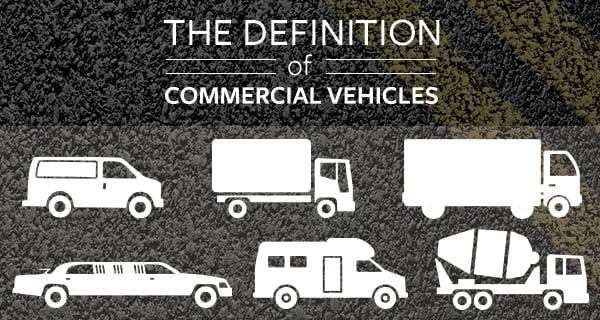
Many businesses use vans, trucks and buses to move their customers, products or equipment. Depending on the size and use of those vehicles, a business and its drivers may be subject to state and federal commercial vehicle regulations. Complying with these regulations is an important part of a fleet safety program.
State and Federal Requirements
Commercial motor carriers are regulated by the states in which they operate. If these vehicles operate in interstate commerce, federal regulations also apply. In general, most states follow the Federal Motor Carrier Safety Regulations (FMCSR) or similar rules.¹
Commercial Driver’s License (CDL)
Motor carriers that operate large commercial motor vehicles, or vehicles used to transport hazardous materials, must comply with additional regulations if they operate the following types of commercial vehicles:
- Class A – Vehicles with a gross combination weight rating of 26,001 pounds or more including a towed trailer over 10,000 pounds.
- Class B – Single unit vehicles with a GVWR of 26,001 pounds or more (if pulling a trailer, the trailer must not exceed10,000 pounds)
- Class C – Vehicles under 26,001 pounds used or designed to transport 16 or more passengers, including the driver, and vehicles less than 26,001 pounds required to display hazardous material placards.
Drivers of these vehicles must have a commercial driver’s license and the appropriate endorsements for the vehicles they are driving. Companies that operate these vehicles must also have a drug and alcohol testing program that meets the Department of Transportation (DOT) alcohol and controlled substances testing program requirements.
Registration Requirements
Companies that provide interstate for-hire transportation must obtain federal operating authority by filing the appropriate application with the Federal Motor Carrier Safety Administration (FMCSA). For-hire and private motor carriers must also register with the FMCSA and obtain a U.S. Department of Transportation (DOT) number. This number must be displayed on all commercial vehicles the motor carrier operates.
Organizations operating commercial motor vehicles in interstate commerce may also be required to register and pay fees under the Unified Carrier Registration Act of 2005.²
More than 30 states currently require intrastate motor carriers to obtain a U.S. DOT number as part of their commercial motor vehicle registration process. Other state registration requirements may include complying with International Fuel Tax Agreement and International Registration Plan, if a motor carrier is operating in interstate commerce.
Additional registration requirement may exist. For information about these requirements visit the Federal Motor Carrier Safety Regulations website and contact the agency in your state that regulates commercial motor vehicles.
Sources:
¹ www.fmcsa.dot.gov/
² www.ucr.in.gov/
Read more
Safety is more than a set of activities focused on accident prevention. It is a way of thinking about how you work, and it should be at the heart of any successful company. Weaving safety into your company’s mission, policies and procedures is a great way to demonstrate its importance and ensure its effectiveness across your company.
It should be about a shared vision that is expressed by core values and behaviors, where everyone walks the talk. By addressing unsafe acts and conditions before they become accidents, you build your safety culture.
Four Steps to a Safety Culture
The following four steps can serve as a starting point in driving safety across your business.
1. Evaluate risks. To understand how to create a safer workplace, you must first understand the risks you face every day. Each task and associated risk should be properly evaluated, and safety-based changes should be considered.

– Analyze past incidents and near misses. Understand that past incidents can help you identify root causes and identify risks and exposures that threaten the safety of your employees and the success of your business.
– Identify the risks before they result in loss. Review your work policies and procedures, buildings and equipment, employee work practices and behaviors and geographic location to determine if there are opportunities to prevent or mitigate loss. And hold people accountable to the practices.
2. Design a plan to keep safe. A good plan is the best place to start, but it is only the beginning. Once you have a plan, you must act to eliminate or minimize risk.

– Get commitment. Your management team should be committed to a safety culture from the beginning.
– Stay focused. Keep focused on the risks and exposures identified during your evaluation.
– Prioritize your efforts. Focus on the risks that pose the greatest threat. You should consider frequency and severity of the loss potential, and/or the opportunity to prevent or mitigate risks.
– Identify solutions and resources. Your solutions can vary from implementing engineering controls to creating administrative policies and procedures. These can help create positive changes in safety attitude, commitment and culture.
3. Implement your plan. Implementation entails communication of the plan and its details, training, regularly scheduled practice and drills, and ongoing review. A thorough plan will cover a number of potential risk areas, including buildings and equipment, the environment, employees, customers and vendors.

– Communicate and train – the real test of a safety program and culture is not what is written down on paper, but rather how well it actually works. How well your plan works is often dependent on what your employees know and what they do at the time of an incident.
4. Monitor, evaluate and improve your plan. As your business environment changes, so should your safety program. Regularly test your plan to determine if it fits the changing business environment and reflects changing accountabilities.

– Monitor the plan and collect feedbackto determine the effectiveness of the plan.
– Regularly compare your safety performance against the plan’s expectations.
– Make adjustments when necessary.
– Recognize success. Be sure to communicate and celebrate your safety successes.
At Scurich Insurance Services, our team of risk specialists visit more than one hundred properties every day, and are able to share lessons learned and insights for helping create a safety culture. Start building your safety culture today. Learn more about developing your safety management program.
Read more
There are good reasons to take safety seriously. In 2012, there were, on average, 89 workplace fatalities a week.1 An estimated $1 billion is paid by employers in direct workers compensation costs every week.2
A safe work environment does not happen by accident. Management must be fully engaged in creating, planning, implementing, communicating and making sure safety programs work and are designed to fit the business. Most importantly, employees have to understand their role in making their workplace safer.

Eight Key Components of a Safety Management Program
Your safety management program should incorporate the following 8 key components:
- Demonstrate management involvement – Management must lead by example. A visible demonstration that you embrace a safety culture is imperative to its success. Provide the essential time, budget and resources to create and support a safety program.
- Communicate your safety plan clearly – Your safety plan must be published and available to all employees. Reminders and updates should be timely and effective. Allow employees to contribute their suggestions to making the workplace safer.
- Get everyone involved – A safety program is likely to be more effective when employees at all levels are involved. Standardized policies should outline responsibilities and accountability for all employees. Safety goals can become part of job descriptions and employee reviews. Safety committees can help ensure that safety practices are understood and reinforced throughout the company. Positive reinforcement of safe behaviors can be an effective way to help build the desired culture.
- Train your employees to work safely – Safety training should begin from the moment an employee is hired. Ongoing training is also essential to creating a safety culture.
- Review, revise, improve – A safety program should be dynamic, especially since most business environments continue to evolve. An effective safety program should be flexible enough to adjust to changes. Regularly review, evaluate and identify risks that could affect safety, and make the changes necessary to keep your workplace safe.
- Create safety standards – Each department should set safety standards through a Job Safety Analysis (JSA) to make sure every task is done correctly and safely. Recognize good safety performance, and cite and correct unsafe practices.
- Investigate every incident and accident thoroughly – Properly trained staff with experience in investigation, analysis and evidence collection should conduct an accident analysis as soon as possible after an incident. Report the claim within 24 hours to help ensure prompt response and injury management.
- Manage every injury – Even with the best safety program, an employee injury can still occur. Planning helps you to react immediately when an employee is injured on the job. Learn about five strategies that can help you put employees on the road back to productivity.
While initiating a comprehensive program can seem like a major hurdle to safety, we can help businesses like yours take the necessary steps to begin creating a safety culture.
Read more

Friday
at
5:00pm – 8:00pm
Please come and enjoy a country run in Toro Park at the magical time of day known as sunset.
With cool temps and beautiful shadows on the course, this time of day provides a great opportunity to run a fast cross country race.
Once again we will offer the
- Kids one mile, 2.2 mile
- High School 3 Mile Challenge
- A 4 mile run
- A “Sunset Runner” is for those diehard runners willing to race a combine 10k of cross country running by doing both the 2.2 and 4 mile runs with just about a 30 minute break in between.
Come get in a great summer workout and support Hartnell College Cross Country.
This event is open to all ages, abilities, and even dogs!
Read more
