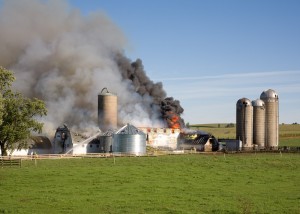
There are many types of disasters, all of which can devastate your business and ruin the lives of your employees, your shareholders, your stakeholders and yourself.
Natural disasters
earth quake disaster, environmental disaster, national disaster, weather disasters, natural disasters, fire disasters, earthquake, tsunami, typhoon, floods, tornado, lightning, blizzards, freezing temperatures, heavy snowfall, pandemic, fallen trees, chemical spill, bombing, nuclear attack, biological attack, plane crash disaster, environmental disasters, theft, severe hail storms, natural disasters, national disaster, nuclear disaster, environmental disaster, volcano disaster,
Manmade Disasters
In today’s world it is an unfortunate fact of life that there are people deliberately and negligently causing disasters all over the world. Disruption of communications, interruption in shipments, destruction of records and production equipment are all ordinary results of manmade disasters and a prudent business will prepare for their occurrence.
Customer Defined Disasters
Customer specific disasters also have the potential to devastate their business. power loss, excess temperatures, broken plumbing, felled trees, loss of communications, utility failure, work stoppage, deliberate disruption, loss of utilities, loss of supplies, equipment failure, loss of key supplier, loss of key vendor, intentional damage and destruction
Even if your company is not in the disaster area your business can still be effected by a disaster. This often occurs when suppliers, customers, communication nodes, in transit shipments etc are in the disaster area.
Is your business protected? Do you have any gaps in your current policies?
Scurich Insurance has been covering local business owners, like you, safeguard against the above possibilities. For a free quote, visit Scurich Insurance and get started now before something happens and your business is left in ruin.
Prevention on the outside Be sure to carry out certain fire protection measures before a fire starts:
Create “Defensible Space” – Remove flammable vegetation from around your home or structures and replace with fire-resistant plants. This safety zone for firefighters should be at least 100 feet. Also, clear away dead leaves and debris from your roof and gutters.
Mark road signs and buildings clearly – Fire-fighting personnel must be able to immediately locate and safely travel to your home or business in order to protect it.
Establish an emergency water supply – Keep a minimum of 2,500 gallons of water (roughly the size of an above-ground pool, 10 feet in diameter) available to firefighters.
Make your home and buildings fire safe – Modify your structures to resist fire damage. Siding materials such as brick and stucco resist fire much better than wood. Also, build or re-roof with fire resistive or noncombustible materials (Class A offer the best protection).
Prevention on the inside Fires are caused by a combination of fuel, air and heat. Therefore, removing one of the three elements is key in preventing devastating fires. Beware of fire ignition sources such as:
Electrical – Many fires result from defects in, or misuse of, the electrical system. Wiring may fail due to faulty installation, overloading, physical damage, aging or deterioration. Inspect all exposed wiring regularly. Make sure heating units are working properly.
Farm machinery – Equipment fires may be the result of defective fuel or ignition systems, smoking, overheated engines, sparks from exhaust or grinding equipment, or improper refueling. Turn off the engine and allow it to cool before refueling. Repair leaks in fuel lines, pumps and filters. Use and store fuels properly. Keep them in well-ventilated areas.
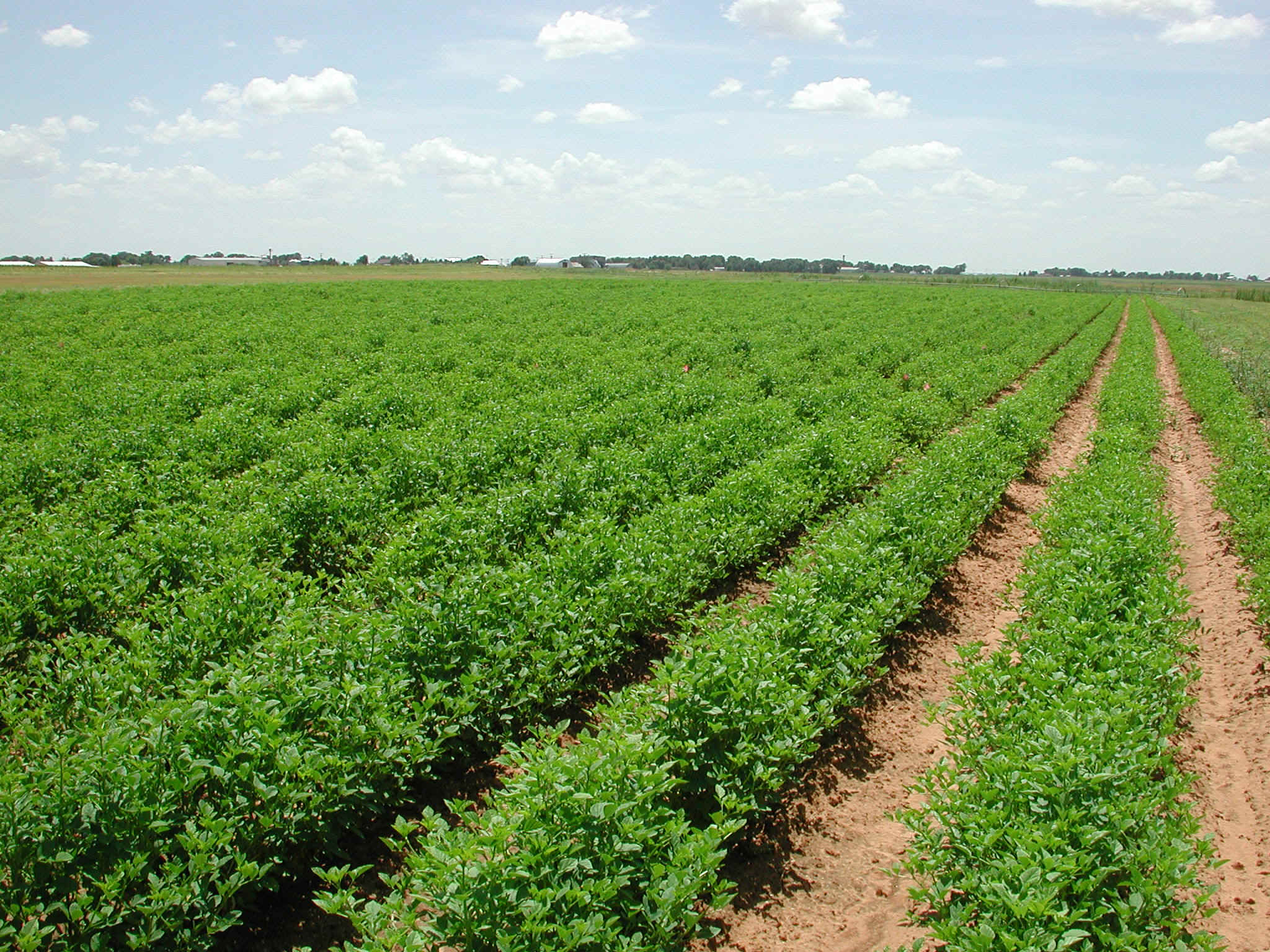
Your farm is probably the single biggest asset you have and provides your livelihood and security for your family. Farm insurance can repair or replace your farm buildings, equipment, livestock and crops in the event of a disaster. Agricultural business insurance can also protect you and your family in the event of a liability lawsuit due to a consumer safety issue, a farm visitor or trespasser’s injury on your land.
There are 3 primary factors in deciding which type of agriculture insurance you need, and the agricultural insurance company that can best provide it. Here’s what you need to consider:
1. The type of farm and type of agricultural business you own.
2. There are full or part-time employees.
3. The presence of farm outbuildings and equipment inventory on your property.
Assess your current insurance situation If you already have a homeowner’s insurance policy, it will not cover any buildings except your home, unless you have a rider to that effect. It also will not cover your farm equipment, livestock or crops; and it will not provide liability protection outside a certain distance from your home. If you do have insurance for your farming operations, meet with your agent and discuss your policy, line by line, to determine that you have adequate coverage for your business.
Scurich Insurance provides Agriculture Insurance. Contact us for a quote at 831-722-3541
Jobs that take employees outside definitely have their appeal, especially to the office-based cubicle crowd. But people whose line of work requires them to be outdoors in the hot summer months — from construction and agriculture workers to parks employees — face unique health hazards.
Clothing and Sunscreen Employees who are working outside in the heat should wear light, loose-fitting clothing. But to avoid harmful UV rays, stick to long pants (no shorts) and long-sleeved shirts, and apply plenty of sunscreen.
Breaks for Water and Shade
If you’re working in the heat, your employer should provide you with plenty of water, and breaks to drink it. Drink small amounts frequently, rather than a lot of water all at once. If your work is particularly strenuous and takes place in direct sunlight, you should also be given regular work breaks in a “shade tent” or other rest area.
Heat Stroke and Heat Exhaustion: What to Watch Out For.
The combination of high temperature, high humidity, and physical exertion that comes with some outdoor jobs raises the risk that workers will suffer heat stroke or heat exhaustion. Some warning signs are headaches, lightheadedness, confusion, irrational behavior, loss of consciousness, abnormally high body temperature and hot, dry skin.
Lyme Disease, Poison Ivy, and West Nile Virus Working in the great outdoors — especially in the summer months — can mean exposure to some of Mother Nature’s less pleasurable offerings, including ticks that can carry Lyme Disease and other bacteria, mosquitoes that can transmit West Nile Virus, and poisonous plants that can cause skin problems.
The Watsonville Certified Farmer’s Market has a wide array of participating farmers during the spring and summer season. Each farm stand has a unique medley of fruits and vegetables. There is something for everyone here, from organic lovers to seekers of the exotic.
This week at the market you can find peas, peanuts and green onions at the Agular Farms stand. Keep a lookout for asparagus and broccoli as well. Universal Organics is another great spot to find asparagus. Universal has beautiful array of veggies; colorful carrots, bright broccoli, brussel sprouts and cabbage, just to name a few. And all organic to boot!
Stop in at the Shletewitz Farms stand for lovely citrus fruits; oranges, tangelos, sweet grapefruit, lemons, limes and more. Shletewitz hands out mouthwatering sample wedges to temp shoppers. One juicy bite and you’ll be sold!
Shoppers will be in for a treat this week at the KT Farms stand. This booth has a wonderful selection of exotic produce; Asian cucumbers, Chinese broccoli, baby bok choy, Thai basil and Chinese spinach. KT’s more unusual offerings are sugar cane, tarrow root and celery root. Visit this stand to add some adventure to your menu.
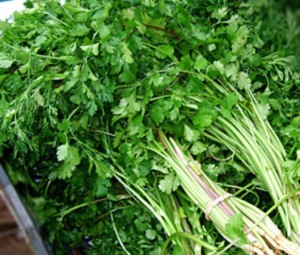
At the Aula Farms stand, check out the aromatic array of herbs: cilantro, basil, dill and thyme. Aula’s aromatic offerings extend to onions and garlic as well. Cucumbers, green beans, and celery round out this stand’s offerings.
Shopping at the farmer’s market is a wonderful way to connect with your community, support local farmers and eat seasonally. The Watsonville Certified Farmer’s Market is held 3-7 pm every Friday on the corner of Peck and Main streets. The market is open rain or shine.
Credit: Christine Marez
Scurich Insurance helps farmers get covered with many types of Commercial Insurance.
Scurich Insurance Services
320 East Lake Avenue, PO Box 1170
Watsonville, CA 95077-1170
Office: 1-831-722-3541
Toll Free: 1-800-320-3666

 There are many types of disasters, all of which can devastate your business and ruin the lives of your employees, your shareholders, your stakeholders and yourself.