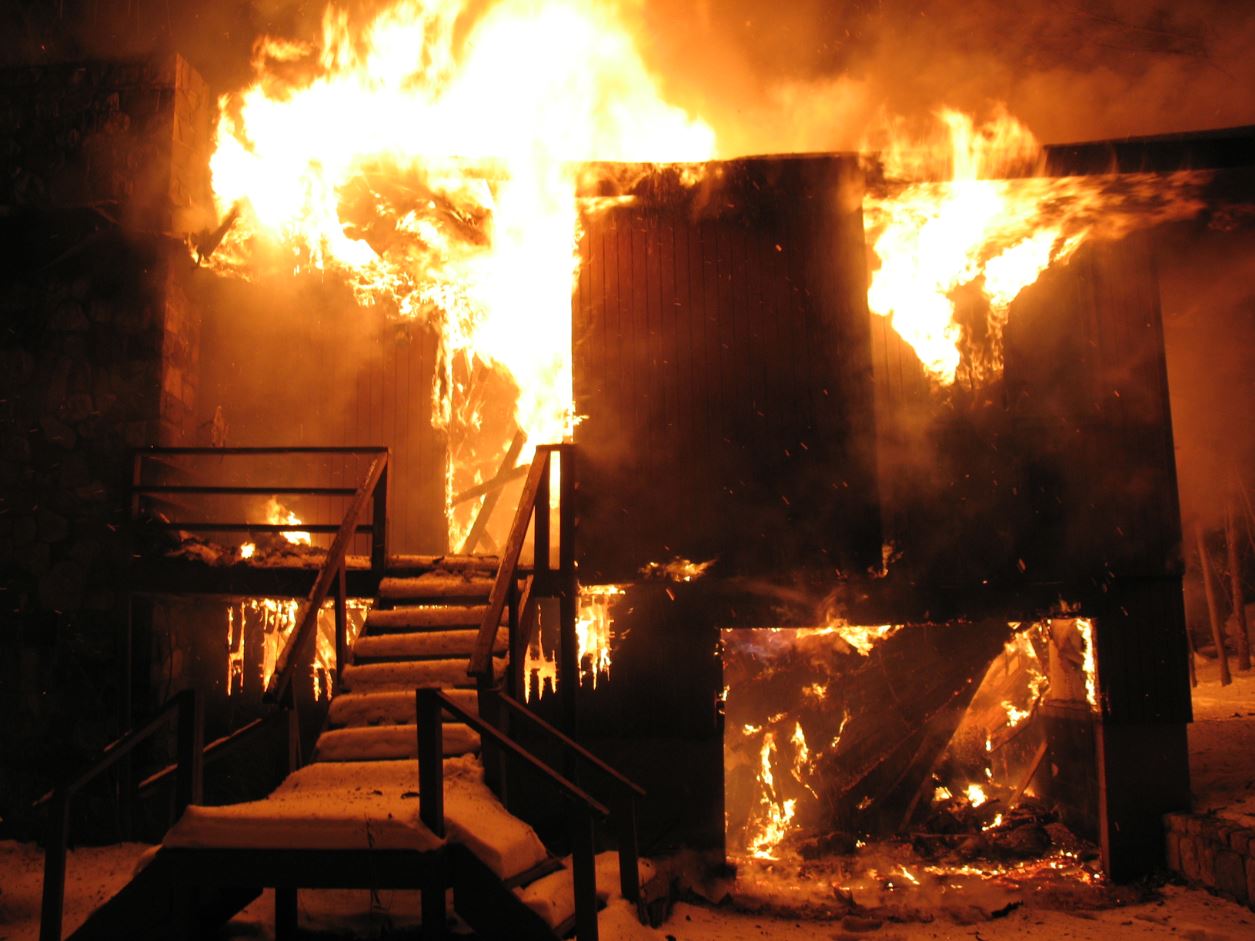
 Roughly 374,000 fires occur in homes across the U.S. each year, 54% of them occur in the winter. Protect your home and family from being a statistic when you create a fire emergency plan. It helps you stay safe as you recognize Child Safety Protection.
1. Discuss Fire Safety Tips
Obviously, you want to extinguish candles, cigarettes and other open flames immediately. You also need to supervise meal prep in the kitchen to ensure nothing catches on fire. However, did you know that fabric can be flammable when it lies near the heater? Teach your family to prevent these and other fire hazards.
2. Hang Smoke Detectors
To ensure everyone can safely escape a fire, place smoke detectors on every floor of your home where you can hear them day and night. Since smoke rises, place them on the ceiling or high on the walls.
3. Locate Fire Extinguishers
Fire extinguishers need to be accessible. Place one in the kitchen under the sink or in the pantry. Other smart locations include near the entrance and exit doors and at least one on each floor. Once they’re securely attached to the wall, ensure your adult and teen family members know how to use them.
4. Choose the Exits
Your home’s layout determines where you can safely exit. In each room, choose two door or window exits that assist your family in safely escaping a house fire. If you have a second story, store an escape ladder near the window, and make sure you know how to use it properly.
5. Designate an Outdoor Meeting Spot
Whether your family meets at a neighbor’s house or a tree across the street, designate an outdoor base camp. Call 911 from this spot after everyone safely escapes the fire.
6. Practice the Plan
Even the best fire emergency plan will be ineffective if your family members don’t know what to do when a fire starts. Test the fire alarms and teach your kids what they sound like. Then, practice escaping out of the nearest exit and meeting at your designated spot.
Your family’s fire emergency plan can keep you safe as you recognize Child Safety Protection Month. Additionally, talk to your insurance agent and ensure you have adequate home insurance for your house and possessions. Insurance won’t prevent fires, but it will give you peace of mind this month and year round.
Read more
The holidays are  upon us and alcohol will be flowing at company parties throughout the land. Beware! If an employee or guest gets inebriated at a social function sponsored by your business and then injures another person, you could be held liable.
Consider this scenario: After polishing off four eggnogs in an hour at the company’s Christmas party, one of your workers toddles off to his car. The employee almost makes it home when he runs a red light and T-bones a car. The car is damaged and injures the driver. The driver then sues your business for negligence in allowing the employee to drive home although he was clearly “under the influence” at the company party.
What’s more, under state and local “social host” laws, your business might face a fine or even imprisonment for continuing to serve alcohol to an adult who is legally drunk.
Under your comprehensive general liability policy is a clause for host liquor liability. The insurance company will pick up the tab for property damage and bodily injuries, up to “each occurrence” or “general aggregate” limits for the CGL. This coverage will also pay for court costs, legal fees, and other expenses – and these payments will not apply to the limits.
Be sure not to confuse host liquor liability insurance with Liquor Liability coverage, which protects businesses that manufacture, serve, or sell alcoholic beverages (such as liquor stores, bars, and taverns) against claims for injuries caused by intoxicated customers. If you’re in one of these businesses, you’ll need both types of policy.
To learn more, feel free to get in touch with our agency at any time.
Read more
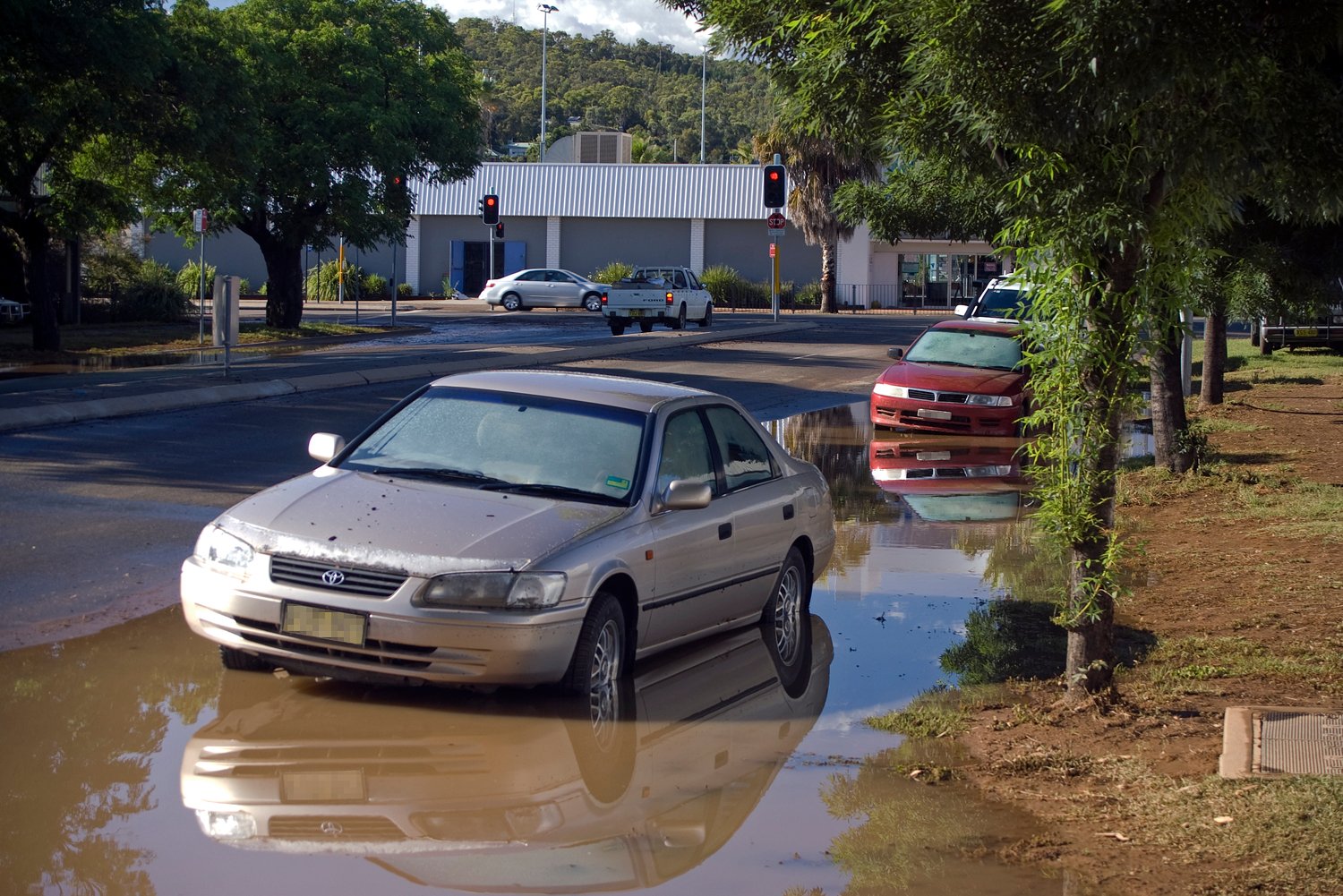 As the winter months approach, more people will find themselves driving on wet roads from the additional amount of rainfall. Unfortunately, many drivers experience rate hikes in insurance premiums as a result of minor fender-benders in the rain; however, by taking a few small steps to improve driving skills during wet roads, drivers can avoid the majority of road condition-related accidents.
Tires
Ultimately, your tires are the only real thing touching the pavement, and in so doing, they are the only thing capable of coming to a stop when you apply the brakes. Every three-months or when you have an oil change, check the tread depth of your tires. If the tread has worn away to less than one-fourth inch, you need to replace the tires. The simplest means of checking the tread depth uses a penny. Turn a penny upside-down and stick it with Lincoln’s head pointing towards the inside of the tire. If you are able to see his head, your tread is too low.
Windshield Wipers
While windshield wipers may not sound like they will prevent a terrible accident, they allow you to have clarity when driving during the rain or while the road is still wet. As the blades age, they crack, chip, and wear away. If you notice unusual streaking or a lack of removal of raindrops, you need to replace your windshield wipers. Most modern vehicles possess universal windshield wiper attachments, and you can change them in less than 5-minutes.
Headlights and Taillights
Every six-months, check the clarity of your headlights, taillights, turn signals, and any other safety lights on your vehicle. Dull lights can result in other drivers being unable to see your vehicle approaching. Furthermore, you will not be able to see the road clearly, especially during heavy rain.
Slow Down
Although making sure your tires, windshield wipers, and lights work properly, you still need to be careful with your speed when the road is wet. High speeds and wet roads result in delayed reactions to potentially hazardous situations with other drivers. Take plenty of time while driving on wet roads, and you will stay safe and keep your insurance premiums in check.
Read more
“As we express our gratitude we must never forget that the highest appreciation is not to utter words, but to live by them.”
~John F. Kennedy~
Read more
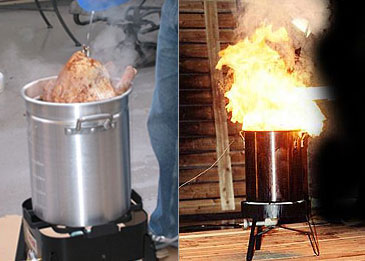 Thanksgiving, one of the busiest and most anticipated holidays, is right around the corner. While everyone is undoubtedly focused on the food, football and shopping that are the highlights of the long weekend, it is also important to keep safety at the forefront of your mind as well. Staying safe starts at home. Being aware of some basic safe cooking practices can make your holiday both tasty and safe.
Caring for the Turkey
The star of the dinner table, the turkey, demands special care and attention. If it is frozen, it must be thawed using one of three methods: in the refrigerator, in the microwave or in cold water. Never thaw the bird on the countertop as that could allow harmful bacteria to multiple unabated. Regardless of the method that you use to thaw your turkey, it should be cooked immediately to prevent the multiplication of that bacteria.
Stay Clean
Cleanliness is of utmost importance any time during cooking. It is particularly important, however, during Thanksgiving due to the volume of food that is typically prepared. The large size of the turkey also can make it difficult to handle.
Be sure to start with a clean work surface as well as clean hands and utensils. Keep raw foods – particularly meats – away from other foods to avoid contaminating cooked foods. Always wash everything raw foods touch – work surfaces, your hands, utensils – before using them with other foods.
Cooking Basics
When cooking foods – especially the turkey – keep the oven temperature at 325 degrees Fahrenheit or above. In order to ensure even cooking throughout, make sure the turkey is completely thawed. The internal temperature when checked on the meaty parts of the bird – the thigh, wing joint and breast – should read at least 165 degrees Fahrenheit. Be sure to refrigerate foods within two hours of being cooked to avoid an abundance of harmful bacteria that could sicken everyone.
Read more
 Thanksgiving – that joyous and exciting holiday that kicks off the season – often means not only an abundance of food but as an increase in the number of people in your home. Whether you are hosting the traditional Thanksgiving dinner, you are providing a place for out of town guests to bunk or both, taking a few minutes to evaluate your home from the eyes of someone who is unfamiliar with it can help prevent an accident and smooth the way for a pleasant holiday.
Light it Up
Before your guest arrive, make sure that your house number is sufficiently illuminated to help people who are unfamiliar with your home avoid missing it. Ensure that the walkway or sidewalk to your front door is well lit and that your front porch has plenty of lighting as well.
Keep Steps and Railings in Good Repair
Repair any loose or crumbling steps or bricks that could cause guests to fall. Fix railings firmly to limit wobbling and ensure that any decorations, such as garland, do not keep guests from using the railings to steady themselves as they enter your home.
Watch for These Hazards Inside Your Home
If you plan to use folding or card tables that you do not typically use in order to accommodate extra family members, be sure that they are in good repair before the big day. Keep colorful candies out of reach as they might be a choking hazard for small children. Secure any loose rugs that might cause your guest to trip over them.
Make sure that hallways and stairwells are free of hazards such as toys and pets, and that they are well lit at all times. Ensure that the bathroom is uncluttered and fully stocked for the comfort of your guests whether they are just visiting for a few hours or they are staying overnight.
Read more
