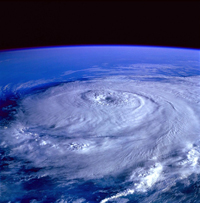
 In legal terms, an act of God isn’t, in fact, a religious experience. Well, that’s not to say that an act of God couldn’t be a religious experience, it’s just that that’s not inherent in the legal definition of the term. An act of God essentially comes down to the unforeseen and the unpreventable. You can reduce the likelihood of accidents on the job site by making sure that you don’t allow any drinking, fighting or general carelessness on site, you can reduce the likelihood of accidents on the road through proper auto maintenance, but you can’t prevent a flood or an earthquake no matter how many safety courses you attend.
Acts of God will exempt a party from strict liability and from negligence in common law. Many building contracts have a provision allowing for acts of God to excuse unexpected delays in a project’s completion. However, damages and delays owing to a natural disaster may be disputed as acts of God in some circumstance.
The key word is “unforeseeable.” If someone falls off of a scaffolding and spends the next four weeks in a cast because of an earthquake, then that will usually be chalked up to an act of God. If they saw a storm coming in, decided to keep working, and then got struck by lightning, then the “act of God” claim may be contested.
“Act of God” is sort of a liability free-pass card, exempting you from responsibility for things that you couldn’t possibly have predicted. There are a few steps that you can take to ensure that there is no gray area, no room for doubt when you need to lean on this legal term:
- Keep tabs on the weather. Don’t assume, for instance, that a storm “isn’t going to be as bad as they say.” It might not be so bad, but do you want to bet your career on it?
- Keep all of your safety equipment in tip top shape. You don’t want to give people any wiggle room to say that that safety harness would have snapped eventually with or without the earthquake.
- This goes for your vehicles, as well. It’s hard to claim a small flood as an “act of God” when your truck was the only one slipping and sliding across the road.
An act of God can be a godsend when it comes to liability, but things have to line up correctly.
Read more
 Summer time fun for you might include hauling a trailer. It secures your ATV, boat, a second car, camper, horses or camping gear. Before you hit the road, make sure your trailer is properly insured.
Why do you Need Trailer Insurance?
Many states accept your auto insurance coverage when you haul a trailer behind your insured vehicle. Your homeowners or renters insurance policy may cover the items you haul. However, this coverage is typically only for liability. Plus, you face several risks when you haul your trailer on the road.
- If you’re not used to hauling a trailer, your risk of causing an accident increases.
- You may turn too sharply and damage someone’s property.
- You could hit a slippery stretch of highway that causes your trailer to slide into another vehicle and damage it or push it off the road.
- While unloading or loading your trailer, you could damage it or the item you’re hauling.
These and other accidents are possible. Trailer insurance adds valuable protection that gives you peace of mind as you travel.
What Type of Coverage is Available?
The type and amount of trailer insurance you need depends on your trailer’s type and size and on the value of the items you will haul. Typical trailer insurance provides several valuable coverages.
- Liability – Cover the costs associated with bodily injuries or property damages your trailer causes to other people or their property and belongings.
- Comprehensive – Repair your trailer if it is damaged from theft, vandalism, fire or weather.
- Collision – Repair your trailer if it is damaged during a traffic collision.
- Contents Coverage – Pay to replace damaged items that are stored on or hauled in your trailer.
How do you Purchase Trailer Insurance?
Talk to your auto insurance agent about trailer insurance. He or she will review your auto insurance policy’s current types of coverage and limits to ensure it’s adequate for your trailer. Your agent will also review your homeowners or renters insurance policy and ensure it covers the items you are hauling.
If your current policies are not adequate to cover your trailer and its contents, increase your coverage types or limits or purchase a separate policy. You may need to shop around for trailer insurance if your current agent does not carry it.
With trailer insurance, you can travel this summer with confidence. If your trailer causes property damage or bodily injury or if the items you haul are damaged, you can pay for the liability or repairs. Talk to your agent before your next trip to make sure you’re properly covered.
Read more
 Whether you are outdoors — on the job or at play this summer — or working indoors in a hot environment, you need to know how to cope with hot and humid conditions that can pose serious dangers to health that the heat brings.
The human “cooling system” uses perspiration and blood vessels to regulate body temperature. However, when someone is working hard in the heat, especially when it’s also humid, this system can break down, raising the person’s temperature and heart rate. Although people who are past middle age or have health problems are especially vulnerable, the young and healthy can also suffer from heat-related conditions.
Overheating also affects the brain. A temperature hike as little as 2 degrees can impair mental functioning, which makes heat an underlying cause of job accidents, as diminished ability can lead workers to overlook hazards and make mistakes.
In order of seriousness, heat hazards — and their remedies — include:
- Heat rash — Can be irritating: Take a shower and use a little talcum powder.
- Heat stress — Symptoms include thirst, vision problems and/or feeling woozy or tired: Drink a cool, non-alcoholic beverage in a shady place.
- Heat cramp — Involves pain from twitching muscles caused by losing salt from perspiration: Get into the shade and take cool fluids.
- Heat exhaustion — Look for heavy perspiration, fatigue, queasy stomach, and chilly, clammy skin: Put the person in the shade, with their feet slightly elevated, provide a cooling beverage (unless the victim is nauseated), and be prepared to seek medical assistance.
- Heatstroke — Can be a fatal condition, characterized by a lack of sweating, a temperature elevated by up to five degrees, hot skin, mental confusion, and loss of coordination: Call paramedics immediately — and then get the victim to a shaded spot and keep him or her cooling down with cold water sponges or ice packs until help arrives.
To help keep you, your family and your co-workers protected from the heat, we’d recommend that you advise everyone to:
- Wear sunglasses for protection against exposure to UV rays;
- Apply sunscreen with an SPF of 30 or more to minimize the risk of cancer or sunburn:
- Keep hydrated with plenty of cool — not cold — water and beverages free of alcohol or caffeine;
- Minimize exposure to the sun by going indoors or staying in the shade during the heat of the day; and
- Eat light meals with small servings of fruits and vegetables (which are rich in fluids).
For valuable information on dealing with heat-related issues, check out the National Oceanic and Atmospheric Administration (NOAA) web page, Heat: A Major Killer.
Read more
 Happy Father’s Day! What do you most appreciate about being a dad? With Father’s Day approaching, there’s no better time than today to protect your health. Learn about the top health risks men face and ways to combat these risks so that you can enjoy many more years with your children.
1. Heart Disease
The top killer of men, heart disease, stroke and peripheral vascular disease are preventable. However, you will need to address the leading causes of heart disease. Do that when you stop smoking, lower your blood pressure, reduce your bad cholesterol levels and get your diabetes under control. An exercise regimen and healthy diet also help.
2. Lung Cancer
The top cancer among men is also the most preventable. Because smoking is the cause of 90 percent of lung cancer cases, talk with your health insurance company about available cessation programs and tools that assist you in getting healthy today.
3. Prostate Cancer
The second-leading cancer in men, prostate cancer can be prevented when men undergo an annual prostate-specific antigen (PSA) blood test and rectal exam. These tests should begin by age 50 or sooner if this cancer runs in your family or if you eat a high-fat diet.
4. Diabetes
If diabetes isn’t controlled, you could contract vascular disease, which leads to heart attacks, amputations, blindness, kidney failure and nerve damage. Medical treatment, a balanced diet, routine exercise and an active lifestyle can help you prevent or control diabetes.
5. Suicide
Four times as many men than women commit suicide. Men are also more likely than women to resist treatment for depression, frustration and other challenges. Asking for help is a sign of strength and can help you cope with life before you feel self-hated or a desire to commit suicide.
As a dad, focus on your health this Father’s Day. Schedule a physical exam with your primary care physician, and commit to living a healthier lifestyle. Your children will thank you.
Read more
Have a safe and wonderful Memorial Day weekend!
 The U.S. Department of Justice’s Bureau of Justice Statistics reports that most burglaries occur during the summer months (and while people are away). While some burglars enter your home, others are interested in soft targets, the items stored outside of your home. One in three homeowners do not protect their soft targets, but you can with these tips.
-
- Vacant Properties
Thieves and vandals typically target vacant homes as they steal scrap metal or take other items to sell. If you’re on vacation, keep your windows and doors locked. Install outdoor motion activated lights and use a timer to turn on indoor lights at random times, too. You can also install a video camera that allows you to monitor your home while you’re away.
- Vehicles and Loose Items
Experienced car thieves can steal a vehicle in less than 10 seconds. Always keep your car locked inside the garage or make sure the alarm is turned on and install an anti-theft device that disables the ignition or locks the steering wheel. You should hide any loose items, too, including electronics, garage door openers, toll booth passes and parking garage passes, either in the glove box or trunk.
- Unlocked Sheds and Garages
Tools and lawn equipment are easy to resell. Always lock your garage, including windows, even if you’re working in your lawn. Be sure your valuable tools and equipment are stored inside the shed or garage, too.
- Sports Equipment
Whether your summer activities include baseball, kayaking or tennis, resist the urge to store your sports equipment outside. Secure it safely in a locked garage or shed, in a locked bin or in your vehicle’s trunk.
- Bicycles
Ideally, you should store your bike in a locked garage or shed. If you have to store your bikes, don’t use thin bike chains and wheel locks that are easy to unbolt or cut. A heavy chain threaded through the bike’s wheels and frame and a thick padlock are more secure.
- Air Conditioning Units
Your outdoor air conditioning units contain copper coils and other metal piping that thieves can scrap for cash. Install a bright security light that’s motion activated near your outdoor AC unit or install a locked fence around it.
- Pool Pumps
Pool pumps are easy to resell. Remove the pool pump and store it inside during your vacation. If that’s not possible, install a bright, motion-activated security light near the pump. You should also install a fence around your pool and keep it locked at all times.
Protect your home from thieves when you take steps to protect these seven soft targets. Be sure your homeowners or renters insurance policies are up to date, too, as you protect your home and possessions.
Read more
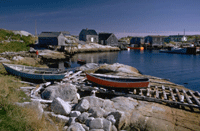 Millions of Americans take to the water each year during boating season, traveling the coastlines, rivers, lakes and canals. The watercraft range from simple rowboats to jet skis to small motorboats to luxury yachts. Boat owners spend significant amounts of money buying and maintaining their boats.
The need for insurance protection when the boat is on the water is obvious, but many boat owners question the need for it during the off-season. However, insurance is just as important when the boat is in storage as when the owner is using it.
A typical Boat insurance policy provides a package of coverages, including:
- Damage to the boat, motor, and trailer
- Damage to portable property used in the maintenance and operation of the boat, including things like anchors, life jackets, oars, tools, skis and surfboards, lights, and fire extinguishers
- Damage to other types of property, including sports equipment, clothing, and other personal effects
- Damage to equipment on shore, such as boat covers
- The cost of recovering a sunk or stranded boat
- The cost of emergency service and towing
- Damage to non-owned or substitute boats
- Loss of fishing tackle
- Liability coverage for injuries or damages for which the boat owner is legally responsible
- Coverage for injuries the boat owner or others on the boat suffer in an accident with an uninsured watercraft
A boat owner will need these coverages if their boat gets into a collision with another boat, or if thieves steal scuba gear from it, or if fire damages the motor. However, losses are still possible while the boat is out of the water. Progressive Insurance reports that nearly two out of every 10 boat claims it receives from northern states occur between Labor Day and Memorial Day, when most owners are not using their boats much.
Some examples of losses that could occur:
- The building which houses the boat during the winter burns to the ground.
- Vandals damage the boat in the middle of the night while it’s in the owner’s driveway.
- A neighbor’s child, playing in the owner’s yard, runs into the boat stored there and injures his head.
- Someone steals the boat and its trailer from the yard at a repair shop.
- While the boat is stored in the yard, heavy snow melt causes a flash flood that damages the boat’s interior, including the mechanical system and the radio.
Some insurance companies offer “disappearing deductibles,” where the deductibles for collision and damage losses from other causes decrease by a certain amount for every claim-free year. Those companies will grant this benefit only to boat owners who keep their insurance continuously in force with them.
One of our professional insurance agents can provide advice on the types and amounts of coverage a boat owner needs. We can also recommend insurance companies that have expertise in boating, good claims-paying practices, and reasonable prices. Insuring a boat all year round can be expensive, but compared to the cost of a large uninsured loss, it may well be worth the cost.
Read more
