You and 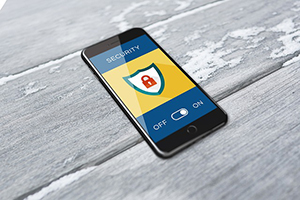 your company can make several preparations regularly to help prevent a cyber attack.
Host an Educational Event
Begin planning an open house, expo, lecture, or other educational event that focuses on cybersecurity. Depending on your company, you may decide to focus your educational efforts on information that will benefit senior citizens, college students or families. For example, your IT specialist could present advice that helps consumers avoid cybercrime, or you could show customers how to implement security protocols on their electronic devices. Get creative as you prepare to raise cybersecurity awareness during an educational event.
Train Employees
Cybersecurity training should occur year-round, but your employees may be especially receptive to security tips during a month that’s focused on raising awareness. Take advantage of this annual opportunity to discuss topics like choosing secure passwords, securing electronic devices used for work and managing email safety. Or choose a different topic based on your unique needs.
Focus on Different Weekly Topics
Some topic ideas include:
- Online safety at home.
- Training for a cybersecurity career.
- Ensuring online safety at work.
- Safeguarding critical infrastructure throughout the nation.
Your company can prepare to discuss these weekly topics during your events, through customer newsletters and on social media.
Utilize Your Social Media Influence
If your company has a large social media following, you have a powerful platform to raise awareness for cybersecurity. You can write blog posts that outline the importance of cybersecurity, share information about how to join the cybersecurity workforce or detail the ways your business protects data. Also, prepare infographs and other visual aids that discuss online safety tips.
Partner with Other Companies
Your company can partner with other businesses as you increase cybersecurity awareness. Share the latest cybersecurity information, create resources that educate the public about cybersecurity or host an online safety seminar together.
Check your Cybersecurity Insurance Coverage
Cybersecurity insurance protects your business in many circumstances. Review your needs with your Scurich insurance agent as you ensure you have the correct amount of cybersecurity insurance for your company.
Consider taking these steps now. They give you the tools you need to raise cybersecurity awareness among your employees, customers and community.
Read more
As Americans take to the roadways in record numbers (post pandemic), here are some safety pointers that may be useful to you and your loved ones.
 In your vehicle, it’s easy to feel like you’re secluded from everyone else on the road. Your vehicle is one of many on the road, though. Above all else, you must always prioritize safety and use these etiquette tips.
Obey the Rules of the Road
Every rule of the road applies to you, so obey the speed limit and stop, yield and merge signs. Your agenda is never more important than safety.
Be Considerate
You share the road with other drivers, bikers and walkers, so be considerate. Give other drivers the right of way, let other drivers pass if they’re in a hurry and yield to pedestrians. Don’t demand your own way or give into road rage. Show consideration and make the commute safer for everyone.
Take Turns
When the road narrows from two lanes to one or traffic slows for an accident, take turns merging. It’s better to let someone go in front of you than to cause a pileup.
Turn on Your Headlights
Your vehicle’s headlights allow you to see clearly as you drive at night or in certain types of weather. Remember to turn off your high beams when another car approaches. Also, don’t use your headlights as aggression toward another driver.
Use Your Horn Sparingly
The horn in your vehicle is designed to alert other drivers of dangers. In certain occasions, it’s appropriate to honk your horn, but use it sparingly and remember that laying on the horn is poor manners and a sign of aggression.
It’s appropriate to lightly beep your horn when:
- The light turns green and the driver in front of you is distracted
- It’s the other driver’s turn at the intersection
- Another driver is ready to cut you off because you’re in their blind spot
Do not use your horn to:
- Scold drivers who are speeding or being unsafe in other ways
- Vent your frustrations
Respect Emergency Vehicles
Ambulances, fire trucks and police cars also use the roadways. When you see flashing lights, slow down and pull off to the right side of the road. Wait for the emergency vehicle to pass and then merge back into traffic.
Pull Off the Road if You’re in a Fender Bender
Minor fender benders do occasionally happen. Instead of stopping your vehicle in the middle of the road, pull off the road safely to assess damage and discuss the next step, which may include exchanging insurance information, with the other driver.
Report Emergencies
When you pass a vehicle with its emergency lights on, stop and offer assistance. You can also call 911.
Etiquette goes a long way toward maintaining roadway safety for everyone. Share the road, remain calm and use your manners as you drive safely.
Read more
Celebrate Earth Day by implementing several eco-friendly technology practices and products. They help conserve the environment and save money.
Implement Clear Screen Habits
Encourage your employees to adopt a clear screen habit. This practice involves turning off or switching their unused devices to standby mode. The cumulative savings improve the environment, your company’s cybersecurity, and your bottom line.
Power With Smart Wall Plugs
Because most of your electronic devices use power, select plugs that monitor energy use. Data collected by a smart wall plug suggests eco-friendly usage changes, and the devices can even reduce power to energy-hogging electronics.
Utilize Eco-Friendly Printing Practices
Conserve resources when you change your printer’s default settings and usage practices. Avoid printing in color, always print on both sides of the paper, and remind employees to print fewer copies For example, create a digital employee manual and use whiteboards instead of handouts during staff meetings.
Reduce Toxins with Smart Air Purifiers
Dust, pollen, and other environmental toxins affect air quality and employee health. Smart air purifiers remove these toxins and are controlled by your voice or an online website or app.
Purchase Sustainable Office Supplies
When possible, purchase office supplies that conserve resources. Start with eco-friendly cleaning supplies. Then select products made from recycled or post-consumer materials, such as recycled USB flash drives. You can also opt for refillable pens, digital paper, and staple-free staplers that reduce waste.
Recycle Whenever Possible
Recycling makes a positive environmental impact. Set up recycling bins for plastics, glass, and paper, and recycle rather than toss used ink cartridges and worn electronic devices.
Invest in Smart Thermostats
Improve efficiency and remain comfortable thanks to smart thermostats. They’re programmable and reduce energy usage when the office is empty. Plus, they provide usage reports that enhance your conservation efforts.
Change the Lightbulbs
LED bulbs reduce energy usage without compromising light quality. In addition to changing the lightbulbs, install smart lighting with motion detection technology that turns lights on when employees enter their offices.
Install a Smart Water Filter
Staying hydrated improves employee focus and productivity. Install a smart water filter in the break room to encourage hydration. This device also reduces your reliance on single-use plastic bottles and eliminates a variety of harmful contaminants from water.
This month, your company can celebrate Earth Day by implementing several eco-friendly tech practices and products. Remember to contact your insurance agent and update your cybersecurity insurance if you upgrade to smart devices as you remain secure while saving the environment and cutting costs.
Read more
 Most business owners would agree that it’s important to maintain insurance to protect business assets. But, many business owners do not know that they will not be able to contract with other companies (landlord’s, vendors, large customers, etc.) without certain insurance coverage.
When they think about insurance, business owners generally consider protection against hazards such as fire, flood or theft at their company sites. This is obviously an important protection to have. However, there are other types of hazards that may not be quite as high on the list, but protection could be every bit as important to offset significant financial losses. Here are five examples that underscore the need for comprehensive business insurance protection:
Company vehicle contents
If you operate a business with employees on the road making service calls to customers, chances are there is valuable equipment contained in the company vehicles. But a typical auto insurance policy would probably not cover the contents of a company vehicle if that valuable equipment is lost or stolen.
Tenant property improvement insurance
Do you rent space to conduct your business? Have you built out the interior of your space or made improvements to accommodate your business needs? If so, you probably made a considerable investment in the improvements. But many property insurance policies don’t include the value of the improvements made by a tenant to the existing structure. If you’ve invested in improvements, it’s worth taking a look at securing coverage to protect it.
Home-based business equipment
More and more people are working at home at least part of the time, even if they maintain an office or site elsewhere. Most don’t have insurance on the business equipment they keep at home; many assume their homeowner’s insurance would cover it. However, homeowner’s insurance generally does not cover business equipment. If you have expensive business equipment at home, you may want to consider purchasing additional protection.
Business interruption insurance
Remember the series of hurricanes that hit Florida? The wild fires that damaged cities and towns in California? The flooding that disrupted life in the Midwest? In addition to the effect that disasters have on individuals, they can bring businesses to a standstill for weeks or even months. Business interruption insurance can provide a way to get back on your feet.
Key person insurance
In many companies, the knowledge and skills of a single person or a top few are absolutely essential to the enterprise’s success. Key person insurance can help a company recover if an essential employee dies or becomes disabled for a lengthy time. The coverage can provide needed funds that allow the company to continue operating during a search for a successor or until the key employee returns.
As you can see, there are many hazards businesses face that aren’t covered under a typical insurance policy. However, you can get extra protection with the types of coverage outlined here. Since you invest so much time, money and effort into your business, it pays to make sure you have the protection you need. Call us for a consultation today!
Read more
How many times do you walk by fire extinguishers without checking those tags or past first aid kits without peeking inside to assure the contents are complete?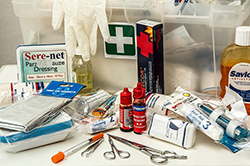
Most executives do not spot check these life saving tools. That task is delegated to maintenance. But these decisions are life and death, not simply profit or loss. Show your employees you care; that you lead their safety program rather than follow pro forma insurance checklists.
Start your spring cleaning here: walk through your operation and stop occasionally to check if you can easily spot the nearest fire extinguisher. Read the label. Is it appropriate for the work area?
Stand at each fire extinguisher station and visualize successful deployment. Is it easy and natural? Can you travel unharmed to the nearest fire exit using the fire extinguisher to clear a path?
Observe any long pathways between fire extinguishers and exits. Would another canister or different fire suppression device or system help?
Take some notes as you walk through the operation. Review these observations with the person tasked to keep the equipment updated.
Repeat the above exercise with regard to first aid kits. Are they easy to spot? Easy to access one-handed? Do they have instructions for calling emergency help?
These exercises do not require a great deal of time or scheduling. Simply make a point of checking these items every quarter, something of an internal surprise inspection.
Add ten minutes every three months to your walk-through routine. It doesn’t need scheduling or ceremony. Simply observe, become conscious of the emergency response routine. Are fire exits clogged with storage or debris? Are aisles kept unobstructed?
Is a specific person charged with de-icing fire escapes? As you walk through your operations, take notes of these questions. Think through an emergency evacuation, then review the written plan for your company. Does it make common sense? Does it raise questions for your risk manager or safety specialist?
Does your at-hire training include safety orientation and procedures? How about on-going communications on safety issues? Both directions?
Corporate officers lead the safety culture. Make these inspections in view of employees. They will engage you if they have proper concerns. They are a great resource.
Read more
Numerous environmental conditions at your workplace and/or home can cause you to suffer an allergic reaction that ranges from mild to life-threatening. Consider these tips as you reduce allergens and protect yourself.
Common Allergens
Depending on your job and workplace, you may be exposed to numerous allergens as you work. Consider this partial list.
- Latex gloves or equipment
- Ink toner
- Cleaning chemicals
- Floor wax
- Perfume
- Cigarette smoke
- Dust
- Food, including nuts and dairy
- Mold
- Asbestos
- Aerosols
- Paint fumes
- Dye
- Pollen
- Pet dander
Possible Allergic Reactions
The allergic reaction you experience can be mildly annoying or severe and life threatening. Be aware of these possible reactions.
- Contact dermatitis
- Sneezing
- Pain
- Swelling around your mouth or elsewhere
- Hives
- Itching
- Trouble breathing
- Anaphylactic shock
What to do if you Have an Allergic Reaction
Seek medical treatment as soon as you suspect you’re having an allergic reaction. To provide the best possible treatment, your doctor or emergency medical personnel may ask for a list of possible allergens to which you may have been exposed.
How to Prevent Allergic Reactions
While you can’t always prevent allergen exposure, you can advocate for an allergen-free work environment. Ask about switching to natural cleaning supplies or banning peanut butter as you remove allergens that affect you and your co-workers.
You may also take protective measures. Wear gloves, use a respirator or open a window as you reduce exposure to your known allergens.
Request special accommodations, too, especially if you have a known allergy. According to the Americans With Disabilities Act (ADA), you’re considered disabled if your allergy limits your activity level. In this case, you can request that your employer improve ventilation throughout the building or allow you to work a different shift when allergen use is limited.
What Does Workers’ Compensation Cover?
By law, your employer must provide a safe work environment. If you suffer an allergic reaction to chemicals, cleaning supplies or something else and can’t perform your job, you may be eligible to file a Workers’ Compensation claim.
Workers’ Compensation benefits could cover your medical treatment, a portion of your lost wages and other expenses. However, you must prove that the allergic reaction stemmed from something at work and not food, medication or another environmental condition you encounter at home or elsewhere.
If working conditions or environmental factors cause you to suffer an allergic reaction, you can file a Workers’ Compensation claim. Discuss your specific case with your Human Resources manager and doctor as you protect yourself at work.
Read more
