Happy Thanksgiving
Happy Thanksgiving wishes for everyone! Hope this season is filled with lots of happiness and joy, wealth, and prosperity. May your home be filled with love on this wonderful occasion. Happy Thanksgiving

Happy Thanksgiving wishes for everyone! Hope this season is filled with lots of happiness and joy, wealth, and prosperity. May your home be filled with love on this wonderful occasion. Happy Thanksgiving

Businesses host parties for a variety of reasons, including the holidays and organizational accomplishments. While these events are fun, team-building opportunities, they can create a number of risks for the hosting company. In fact, in the event that an employee is injured at the party or causes property damage, the employer is usually the one held responsible. This can lead to costly litigation and reputational harm that can affect a company for years.
To avoid major losses, it’s not only important for employers to secure the right insurance coverage for every individual risk, but to also have a thorough understanding of common holiday party exposures.
Alcohol
Anytime you provide alcohol to individuals in a non-commercial manner, you are considered a social host. This is important to note, as a social host may be responsible for the acts of their guests should their conduct create harm. These risks are compounded when alcohol is served, and employers may be liable for damages following a drunken driving accident or similar incident.
While the best way to reduce alcohol liability risks is to avoid serving it altogether, this isn’t always feasible. To promote the safety of your employees and guests at company-sponsored events, consider the following:
Marijuana Consumption
Similar to alcohol use, marijuana and other drug consumption can directly affect the safety of your party guests. In fact, according to the most recent federal data, 44 percent of vehicle crash deaths can be linked to drug-impaired driving, up from 28 percent a decade earlier.
Marijuana contains hundreds of chemicals, many of which act directly on the body and brain. Individual sensitivity to marijuana can vary, but the general effects include the following:
These health effects can last long after an employee smoked, increasing the potential for accidents or major health concerns. In addition, federal, state and local laws may prohibit marijuana use in certain areas, making it all the more important to educate employees on behavior expectations.
To keep your party guests safe and avoid any liability concerns, consider making clear rules for marijuana use at your party. Remind employees that even though they are at a social event, they are still attending a work function and workplace policies on the use of marijuana still apply.
Workplace Harassment and Discrimination
Even when holding company-sponsored events off-site, employers are expected to enforce their workplace policies and safeguard their employees. In particular, employers must pay extra care to prevent issues of harassment and discrimination at their events, as they can lead to employment claims and costly litigation.
To help keep employees safe at company parties, employers should ensure all of their policies related to harassment, violence, discrimination and code of conduct are up to date and account for company-sponsored events. Policies should be specific as to what is and is not tolerated, and redistributed them as thoroughly as possible.
In addition, employers should:
Food Exposures
Food is a staple of many company-sponsored events, and can actually be a useful way to keep party guest sober and limit alcohol-related liability (starchy foods can help reduce the absorption of alcohol). However, when serving food, there are a number of risks employers should consider.
For instance, employers need to be wary of potential food allergies. In the event that a guest gets sick from the food, they could sue the employer for negligence.
To help protect against this, employers should ask party guests to disclose any of their allergies, either in their RSVP or by contacting the event coordinator directly. In addition, you should specify what ingredients are in every food item, both on the menu and on display cards near the food itself.
For added protection against illnesses, it’s critical that employers promote safe food preparation and handling practices. Moreover, when working with a third-party provider, employers should do their due diligence to ensure they are securing reputable vendors.
Property Damage
Property damage can occur at just about any kind of party, even small, company-sponsored events. As the host, it’s your job to ensure your guests remain safe, behave appropriately and respect the venue and its contents.
To do so, employers should:
Secure the Coverage You Need in Advance
Even if you take all the appropriate precautions, incidents can still occur. As such, it’s important for all organizations to secure adequate insurance.
Each business is different, and may require additional policies to account for all of their exposures. Contact Scurich Insurance today to learn about your coverage options when it comes to hosting a party.

Congress and President Donald Trump recently approved the Disaster Recovery Reform Act (DRRA), an overhaul of the federal government’s approach to disaster preparation and risk reduction. The new law gives businesses, federal agencies and state governments more flexibility when requesting and using federal grants.
Before now, the Federal Emergency Management Agency (FEMA) had strict regulations about how it distributed funds during a recovery process. Grants were usually used to help replace lost property, but didn’t account for improvements to help prevent future disasters. In fact, one of the biggest reasons that the National Flood Insurance Plan (NFIP) is over budget and in need of reform is that it’s common for a single property to flood frequently and make multiple insurance claims.
The DRRA has new provisions in place to emphasize planning and help streamline how funds are given out:
According to FEMA, every $1 put into planning for disasters can help save $6 during the recovery process. Contact us today at 831-661-5697 for toolkits, articles and other resources your company can use to prepare for various disasters and ensure the continuity of your business.
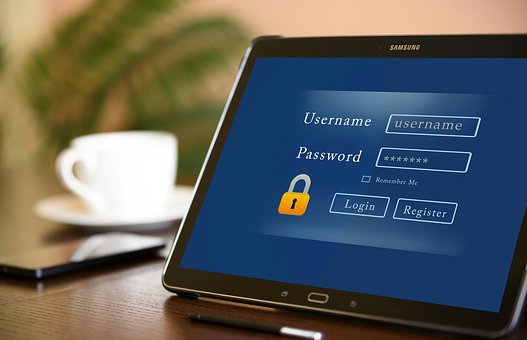
Because identity theft and data breaches are becoming an ever-growing problem, it’s important to not only have a different password for each account, but to make those passwords easy to remember and hard to guess. The following are tips you can use to make your password harder to crack:

Representatives from the United States, Mexico and Canada recently reached an agreement to update the North American Free Trade Agreement (NAFTA). The new trade deal, referred to as the United States-Mexico-Canada Agreement (USMCA), includes a number of changes to support North American businesses, increase labor regulations and overhaul intellectual property (IP) protections.
Although the USMCA has many similarities to NAFTA, some important changes will likely affect businesses:
NAFTA will remain in effect until all three countries approve the USMCA, which is likely to occur sometime in early 2019.

Workplace stress is a common aspect of employment, particularly if you often find yourself with a heavy workload. While it may not be possible to completely eliminate stress, it’s critical to manage it effectively.
One way to reduce workplace stress is through time management. Proper time management methods allow you to complete pressing tasks efficiently and allocate enough resources to finish future projects as well.
The following time management tips can help you reduce workplace stress caused by heavy workloads:
If workplace stress persists, it may be a good idea to speak with your supervisor. They will be able to provide ways to help limit your workload and improve your situation.
Scurich Insurance Services
Phone: (831) 661-5697
Fax: (831) 661-5741
Physical:
783 Rio Del Mar Blvd., Suite7,
Aptos, Ca 95003-4700
Mailing:
PO Box 1170
Watsonville, CA 95077-1170
E-mail address:
[email protected]
Available 8:30am - 5:00pm