
Customer personal injury claims can be costly and very damaging to a retail establishment’s reputation. They can be much more frequent than employee claims in some types of stores, especially warehouses that allow customer access.
Employee safety programs are not sufficient to protect customers, who are at risk for many more accidents than employees for three primary reasons:
- Customers expect the store to be safe.
- Groups like children and the elderly are predisposed to injury.
- Customers do not receive safety training.
Understand to what extent you are liable for customer injuries on your premises and take steps to prevent injury.
Your Liability
You are required to maintain safe premises for your customers; in legal terms, you have a high duty of care. This includes the duty to warn customers of non-obvious, dangerous conditions that you know about, to use ordinary care in active operations in the business and to make reasonable inspections to discover dangerous conditions and make them safe.
Most customer accidents are preventable, so it is important to take steps to make your establishment safer and less exposed to the risk of customer injury and litigation.
Common Injuries
Common injuries that could become your liability include:
- Slip and falls as a result of wet floors, torn carpets, poor lighting or escalators. This type of injury is extremely common.
- Head and body injuries from falling objects, retail displays, out-of-reach objects or other mishaps.
- Shopping cart injuries as a result of the cart tipping
- Overcrowding injuries, e.g., trampling.
- Parking lot injuries as a result of cracked, improperly designed lots or failure to remove ice or snow.
Methods of Prevention
Steps you can take to minimize the risk of a customer claim include the following:
- Identify high-risk areas of the facility (such as where liquids are frequently spilled or tracked), and set up an employee inspection schedule to ensure it does not become a dangerous condition.
- Install video cameras to more efficiently monitor the premises for dangerous conditions and provide proof in case of a claim.
- During snowy, icy or rainy weather conditions, take care of dangerous situations on sidewalks, stairs and parking lots promptly.
- Ensure proper lighting in all areas of the store, and check on a regular basis that all bulbs are functioning. Document your inspections.
- Ensure that displays are stable, and always put heavy items near the bottom of shelves.
- Properly maintain and inspect shopping carts, and discard those that present a risk of tipping.
- Control crowds, especially during busy seasons or large sale events, through physical methods, such as entry turnstiles.
- Design parking lots to avoid injury. Repave, repair and check for hazardous conditions regularly. Document these inspections.
Detecting Fraud
Criminal accident teams can stage injuries, targeting several businesses in the same area. This fraud could cost you millions of dollars in unwarranted payouts. Evaluate this possibility in the event of a customer injury claim, and notify the National Insurance Crime Bureau if you have a suspicion.
Transfer Risk
Liability insurance addresses the cost of legal damages and claims up to policy limits. Work with Scurich Insurance to design the liability package that fits your business–you will be able to select from a wide range of coverage options that you can tailor for your unique needs.
Read more

No industry is exempt from cyber crime, and the real estate industry has become a common target. As hackers devise plans to obtain sensitive information about real estate transactions, real estate professionals need to take particular interest in cyber security to protect their clients and themselves from wire fraud.
What is Wire Fraud?
In instances of wire fraud, a common ploy involves hackers breaking into a real estate agent’s email account to obtain details about upcoming transactions. Once the hackers have all the information they need, they send an email to the buyer, pretending to be the agent or a representative of the title company.
In an email to the buyer, the hackers state that there has been a change in the closing instructions and that the buyer needs to follow new wire instructions listed in the email. If a buyer falls victim to the scam and wires money to the fraudulent account, they’re unlikely to see the money again.
Red Flags
A potential indicator of wire fraud is an email that makes any reference to a Society for Worldwide Interbank Financial Telecommunication (SWIFT) wire transfer, which is sent via the SWIFT international payment network and indicates an overseas destination for the funds.
However, since the emails tend to include detailed information pertaining to the transaction—due to the perpetrator having access to the agent’s email account—many people make the mistake of assuming the email is from a legitimate source. The email addresses often appear to be legitimate, either because the hacker has managed to create a fake email account using the name of the real estate company or because they’ve hacked the agent’s actual email account.
How to Avoid It
Wire fraud is one of many types of online fraud targeting real estate professionals and their clients. To prevent cyber crime from occurring, every party involved in a real estate transaction needs to implement and follow a series of security measures that include the following:
- Never send wire transfer information, or any type of sensitive information, via email. This includes all types of financial information, not just wire instructions.
- If you’re a real estate professional, inform clients about your email and communication practices, and explain that you will never expect them to send sensitive information via email.
- If wiring funds, first contact the recipient using a verified phone number to confirm that the wiring information is accurate. The phone number should be obtained by a reliable source—email is not one of them.
- If email is the only method available for sending information about a transaction, make sure it is encrypted.
- Delete old emails regularly, as they may reveal information that hackers can use.
- Change usernames and passwords on a regular basis, and make sure that they’re difficult to guess.
- Make sure anti-virus technology is up to date, and that firewalls are installed and working.
- Never open suspicious emails. If the email has already been opened, never click on any links in the email, open any attachments or reply to the email.
If You’ve Been Hacked
Take the following steps if you suspect that your email, or any type of account, has been hacked:
- Immediately change all usernames and passwords associated with any account that may have been compromised.
- Contact anyone who may have been exposed to the attack so they too can change their usernames and passwords. Remind them to avoid complying with any requests for financial information that come from an unverified source.
- Report fraudulent activity to the FBI via the Internet Crime Complaint Center at www.ic3.gov/default.aspx. Also contact the state or local realtor association, which will alert others to the suspicious activity.
Contact Scurich Insurance today for more information on avoiding real estate fraud and other types of cyber crime.
Read more

On July 28, 2017, the Internal Revenue Service (IRS) released draft 2017 forms for reporting under Internal Revenue Code (Code) Sections 6055 and 6056.
- 2017 draft Forms 1094-C and 1095-C will be used by applicable large employers (ALEs) to report under Section 6056, as well as for combined Section 6055 and 6056 reporting by ALEs who sponsor self-insured plans.
- 2017 draft Forms 1094-B and 1095-B will be used by entities reporting under Section 6055, including self-insured plan sponsors that are not ALEs.
Instructions for these 2017 forms have not yet been released. The draft 2017 forms are substantially similar to the final 2016 versions, except that sections related to expired Section 4980H Transition Relief were removed. Once released, the draft instructions may include some additional clarifications.
ACTION STEPS
Employers should become familiar with the planned revisions to the forms. However, these forms are draft versions only, and should not be filed with the IRS or relied upon for filing.
Background
The Affordable Care Act (ACA) created reporting requirements under Code Sections 6055 and 6056. Under these rules, certain employers must provide information to the IRS about the health plan coverage they offer (or do not offer) or provide to their employees. Each reporting entity must annually file all of the following with the IRS:
- A separate statement (Form 1095-B or Form 1095-C) for each individual who is provided with minimum essential coverage (for providers reporting under Section 6055), or for each full-time employee (for ALEs reporting under Section 6056); and
- A transmittal form (Form 1094-B or Form 1094-C) for all of the returns filed for a given calendar year.
Reporting entities must also furnish related statements (Form 1095-B or 1095-C, or a substitute form) to individuals.
Forms must generally be filed with the IRS no later than Feb. 28 (March 31, if filed electronically) of the year following the calendar year to which the return relates. Individual statements must be furnished to individuals on or before Jan. 31 of the year immediately following the calendar year to which the statements relate.
2017 Draft Forms
The 2017 draft forms are substantially similar to the final 2016 versions of these forms. However, note the following:
- Section 4980H Transition Relief. Several forms of transition relief were available to employers under Section 4980H for the 2015 plan year (including any portion of the 2015 plan year that fell in 2016). However, this transition relief no longer applies for 2016 plan years and beyond. As a result, references to this transition relief on Form 1094-C have been removed. For example, the following two sections on Form 1094-C related to this transition relief have been designated as “Reserved” and should not be used: Part II, in the “Certifications of Eligibility” Section on Line 22, Box C; and Part III, in the “ALE Member Information – Monthly” table, column (e).
- Instructions for Recipient. Both individual statements (Forms 1095-B and 1095-C) include an “Instructions for Recipient” section. On both of the 2017 draft Forms 1095-B and 1095-C, the following paragraph was added: “Additional information. For additional information about the tax provisions of the Affordable Care Act (ACA), including the individual shared responsibility provisions, the premium tax credit, and the employer shared responsibility provisions, see www.irs.gov/Affordable-Care-Act/Individuals-and-Families or call the IRS Healthcare Hotline for ACA questions (1-800-919-0452).”
No additional changes were included in the 2017 draft forms. However, once released, the 2017 draft instructions for these forms may include additional changes or clarifications. In addition, the IRS may make changes to the draft forms before releasing final 2017 versions.
Additional Resources
The 2016 versions of these forms are currently available on the IRS website:
These forms must have been filed with the IRS no later than Feb. 28, 2017 (March 31, 2017, if filing electronically). However, the IRS extended the due date for furnishing individual statements for 2016 an extra 30 days, from Jan. 31, 2017, to March 2, 2017. The IRS does not anticipate extending the filing or furnishing deadlines for 2017 reporting.
According to the IRS, information returns under Sections 6055 and 6056 may continue to be filed after the filing deadline (both on paper and electronically). Employers that missed the filing deadline should continue to make efforts to file their returns as soon as possible.
The IRS also previously released:
More Information
Please contact Scurich Insurance for more information on reporting under Code Sections 6055 and 6056.
Read more

An owner-controlled insurance program (OCIP) is a type of a wrap-up insurance policy commonly used to insure construction projects. OCIPs replace the traditional method of insuring construction projects – that is, where the various parties involved obtain their own insurance coverage.
Instead, OCIPs provide the participants of a construction project with insurance coverage under one policy controlled by the project owner.
OCIPs offer a number of important benefits to the parties involved, particularly as it relates to the following:
Potential cost savings. OCIPs allow project owners to avoid the costs associated with contractors who carry overlapping insurance coverage as well as markups by contractors who would otherwise pass their insurance costs on to the owner. What’s more, project owner’s bulk purchasing power and economies of scales allow insurance to be obtained at a discount.
Peace of mind. OCIPs consolidate insurance policies into one, uniform insurance program, guaranteeing the owners that individual contractors and subcontractors are adequately covered. Under OCIPs, project owners do not have to worry about the availability or adequacy of insurance coverage for individual contractors on the job site, differences in policy limits and deductibles, or liability that may arise if a contractor allows its insurance coverage to lapse.
Streamlined claims handling. OCIPs facilitate more efficient and simplified claims processing. Under most OCIPs a single insurance company is the control point for reporting claims, conducting investigations and making payments. With one insurer, claim settlement procedures are more consistent.
Reduced litigation. OCIPs can reduce potential litigation and disputes between insurance companies. With traditional insurance policies where each contractor purchases coverage through separate insurance companies, there is a greater chance of lawsuits being used to settle accident and injury claims. By relying on one central insurer, OCIPs eliminate the incentive for litigation amongst insurance companies.
Access to contractors. OCIPs give project owners more flexibility when selecting contractors, because a contractor’s ability to meet minimum insurance requirements of the project is removed from the equation. As a result, the total pool of contractors available to a project owner is expanded through an OCIP.
Safety initiatives. OCIPs allow for the development of a centralized safety program covering the operations of all contractors and subcontractors. This in turn, can improve overall workplace safety for the parties involved in a project.
Length of coverage. OCIPs cover the life of a project plus an extended completed operations period.
Read more
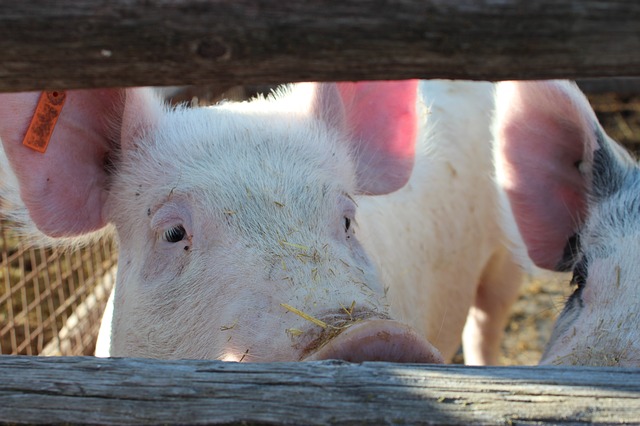
It is obvious that farming can be a dangerous profession, but those working in the commercial hog farming business are exposed to particularly hazardous situations on a daily basis. As a hog farm employer, you need to continually analyze your risks to keep your business afloat. These risks not only include the health and safety of your employees, but also the physical condition of your product, which is crucial to maximizing your profits.
Keep Your Hogs Healthy and Profitable
One of the biggest risks when farming any type of animal commercially is ensuring they stay healthy so you can stay in business. Efficient operations increase profitability by reducing the spread of disease and integrating operations; however, small operations can also turn a profit by specializing in a single stage, keeping hogs healthy and raising them humanely.
As an employer, you must understand the nature of your exposures and exactly how they happen in order to prevent them from occurring at your facility.
Depending on what kind of business you run—whether it is farrow-to-finish, growing, wean-to-finish, breeding, large or family-run—your risks will change. Most of these hazards you are already aware of and take protective measures to prevent, but there are a few common sources of loss that may be overlooked.
Minimize transport loss. A recent Iowa State University study looked at more than 2 million hogs and found that more than 17,000 of them had the potential for reduced value at the processing plant because of carelessness during the transporting process. The National Hog Farmer reports loss averages as high as 2.4 percent per trailer load transported to slaughter plants in the United States over the past seven years.
While this loss might seem negligible, it could accumulate into thousands of dollars in lost business and make a huge difference in a tough market. Consider training your truck drivers and loading crews more thoroughly to emphasize gentleness of starts and stops and proper handling in the sorting, moving and loading process. Also, ensure that your trailers maintain an acceptable temperature and have suitable ventilation even when the vehicle is stopped.
Emphasize disease control. Improperly managed manure removal systems could cost you money in the form of dwindling health of your hogs. Manure buildup in barns holds the possibility for disease, especially Escherichia coli (E. coli), which is particularly fatal in piglets.
Maintain good hygiene and proper temperature control in farrowing crates to lower your mortality rate and increase productivity and profit. In addition, better hygiene leads to healthier hogs, and healthier hogs gain weight more quickly and easily than those exposed to manure buildup and noxious odor. You might consider looking into technological innovations in hog waste and lagoon management systems to help. Between 5 and 10 percent of U.S. hogs are removed from the industry every year because of death and disease, so it is important to stay ahead of your competition by implementing good, healthy practices.
Avoid unsound contracts. Farming is a dangerous occupation, and it is also an unpredictable one. If you depend on outside resources for corn, soybeans, water and medications, make sure these inputs will always be available. Feed inputs can suddenly be in short supply because of bad weather or because of competition from other non-feed harvests. Enter into solid business contracts with these providers to guarantee plenty of supplies for your anticipated number of pigs and hogs.
Keep Your Employees Healthy and Productive
Just as keeping your hogs and pigs healthy is crucial to your business, ensuring your employees are able to work and that they are in a good environment will also help you stay in business and turn a better profit. There are three major employee health concerns specific to the hog farming industry that you should work to avoid or minimize:
Respiratory problems.
According to the University of Iowa’s College of Public Health, one quarter of those working at hog farms have one or more documented respiratory problems. The most common are chronic bronchitis and asthma-like wheezing, which could both be caused by dust, endotoxin and/or ammonia exposure.
Professors at Iowa’s College of Public Health suggest using an extra one percent of oil or fat in the hogs’ diet and reducing the distance between feed drops and feeders to reduce the amount of dust in the air from feed, microbes, dried manure and pig skin cells. Require your employees to use the proper respirators if they will be working more than two hours per day in the barn.
Manure gas exposure.
Manure pits more than three feet deep that are agitated after a long period at rest release hydrogen sulfide gas, which is extremely dangerous. Consider enacting a policy that requires employees to exit the building during agitation and for the 30 minutes following in addition to requiring the appropriate personal protective equipment (PPE).
Also, it is important to empty the pit three or four times per year to reduce the amount of gas buildup. Another option is to raise the pH of the manure to keep gas from escaping the pit and potentially harming employees.
Accidental needlesticks.
ese types of incidents are far more common than expected, and the injection of chemicals meant for animals can be exceptionally dangerous to humans. Accidental needlesticks can result in several types of injuries, including inflammation, infection and hyperimmune responses. Needlesticks involving reproductive hormones can be even more hazardous for female employees, causing hormone imbalance and even miscarriages.
Instruct employees to practice caution when removing needle caps and disposing needles. Keep the proper material data safety sheets (MSDS) on file in case of a needlestick, and do not force female workers to work with hog reproductive hormones if they feel uncomfortable.
Remember that in addition to these hazards, general farming industry dangers also are present. Examples of farming risks you should bring up with employees are proper animal handling, hearing protection, proper machinery and equipment use, repetitive motion hazards, safe lifting techniques and protection against slips, trips and falls.
Be Kind to Your Neighbors
Hog farms garner lots of media attention, especially in Iowa and North Carolina, where the industry is largest. However, not all of the publicity is positive. There is growing concern among scientists that hog farm odor and byproducts could be hazardous to the environment and to people living near large operations. There have been several lawsuits recently involving neighbors of large hog farms who claim the byproducts are negatively affecting their health. Legal issues can be financially draining and negatively affect your business both at a profit level and in terms of reputation.
While there is limited evidence supporting residents’ claims that hydrogen sulfide gas omitted by large hog farms leads to serious neurological damage of people living nearby, it does not hurt to be cautious. Avoid the increasingly more common practice of spraying liquid manure into the air when the chemical levels in collection pools get too high. Regularly test the air in and around your facility for hydrogen sulfide and ammonia concentrations—the recommended standards vary by state, but they are generally around 15 parts per billion and 150 parts per billion, respectively.
In general, comply with the Occupational Health and Safety Administration’s (OSHA) standards of hazard control. Also, take additional care when disposing of chemicals and waste, and always keep the risk of litigation top-of-mind.
If you have additional questions about your exposures as a hog farm employer, contact Scurich Insurance at 831-661-5697.
Read more

Hiring youth workers—many times to fill seasonal positions—can be an integral component to your organization’s hiring plan. Early work experience can also be a great opportunity for teenagers to learn important skills.
To promote positive and safe work experiences, the U.S. Department of Labor (DOL) has a series of regulations relating to the employment of minors. These provisions are designed to protect young workers by restricting the types of jobs that they perform and the number of hours they work. It is important to follow all federal, state and local laws regarding the employment of minors to ensure that your business remains compliant and protects its reputation.
Listed below are some age-specific workforce regulations, as presented by the DOL’s YouthRules! initiative.
Rules for Workers Under 14 Years of Age
In general, youth workers who are under the age of 14 are limited on what type of jobs they can do. Workers who are under 14 years of age are only permitted to do the following jobs:
- Deliver newspapers to customers
- Babysit on a casual basis
- Work as an actor or actress in movies, TV, radio or theater
- Work as a homeworker gathering evergreens or making evergreen wreaths
- Work for a business owned entirely by their parents as long as it is not in mining, manufacturing or any of the 17 hazardous occupations
There are different rules in place for minors in this age group who work in agriculture. States also have specific rules for youth workers under 14 years old, and employers must follow both.
Rules for Workers 14 to 15 Years of Age
Similar to workers under 14 years of age, youth workers who are 14 to 15 years old are limited on what types of jobs they can do and what hours they can work.
Job Restrictions
In general, youth workers within this age range are only permitted to do certain jobs, which include the following:
- Work an approved retail position
- Work an intellectual or creative position, such as computer programming, teaching, tutoring, singing, acting or playing an instrument
- Run errands or complete delivery work by foot, bicycle and public transportation
- Complete cleanup and yard work that does not include using power-driven mowers, cutters, trimmers, edgers or similar equipment
- Work in connection with cars and trucks, such as dispensing gasoline or oil and washing or hand polishing
- Work in a kitchen or the food service industry reheating food, washing dishes, cleaning equipment or doing some limited cooking
- Clean vegetables and fruits, wrap, seal, label, weigh pricing and stock items as long as these tasks are performed in areas separate from a freezer or meat cooler
- Load or unload objects for use at a worksite including rakes, hand-held clippers and shovels
Additionally, 14 and 15-year-olds who meet certain requirements can perform limited tasks in sawmills and woodshops, and 15-year-olds who meet certain requirements can perform lifeguard duties at traditional swimming pools and water amusement parks.
If an occupation is not specifically permitted, it is prohibited for youth between the ages of 14 and 15.
Working Hour Restrictions
Workers who are 14 to 15 years old are also limited in what hours they can work. Generally, all work must be performed outside of school hours. In general, youth in this age range may not work the following:
- More than three hours on a school day, including Friday
- More than 18 hours per week when school is in session
- More than eight hours per day when school is not in session
- More than 40 hours per week when school is not in session
- Before 7 a.m. or after 7 p.m. on any day, except from June 1 through Labor Day, when nighttime work hours are extended to 9 p.m.
A “school day” or “school week” for youth workers who are home schooled, attend private school or no school, is any day or week when the public school where they live while employed is in session. There are some exceptions to the hours standards for 14- and 15-year-olds if they have graduated from high school, are excused from compulsory school attendance, or are enrolled in an approved work experience, career exploration program or work-study program. Click here for more information on hours restrictions for youth workers in this age group.
Wage Requirements
In most cases, 14- and 15-year-olds must be paid the federal minimum wage, $7.25 per hour. Minimum wage eligibility varies depending on the type of job and location. Additionally, workers who are younger than 20 and eligible for the minimum wage may be paid as little as $4.25 per hour for the first 90 consecutive calendar days of their employment.
There are different rules for 14- and 15-year-olds working in agriculture and states also have rules, and employers must follow both.
Rules for Workers 16 to 17 Years of Age
Although there are no federal rules limiting the hours 16- and 17-year-olds may work, there are restrictions on the types of jobs they can do.
Job Restrictions
Workers who are 16 to 17 years old may work any job that has not been declared hazardous by the Secretary of Labor. Visit the YouthRules! webpage on workplace hazards for more information on banned occupations for workers under 18 years of age.
Wage Requirements
In most cases, 16- and 17-year olds must be paid the federal minimum wage, $7.25 per hour. Minimum wage eligibility varies depending on the type of job and location. Additionally, workers who are younger than 20 and eligible for the minimum wage may be paid as little as $4.25 per hour for the first 90 consecutive calendar days of their employment.
There are different rules for 16- and 17-year-olds working in agriculture and states also have rules, and employers must follow both.
Rules for Workers 18 Years of Age and Older
Once a youth worker turns 18, most youth work rules no longer apply. There are no limits to the number of hours or types of jobs an 18-year-old can work.
Wage Requirements
In most cases, 18-year-olds must be paid the federal minimum wage, $7.25 per hour. Minimum wage eligibility varies depending on the type of job and location. Additionally, workers who are younger than 20 and eligible for the minimum wage may be paid as little as $4.25 per hour for the first 90 consecutive calendar days of their employment. States also have rules, and employers must follow both.
Summary
Federal and state rules regarding young workers strike a balance between ensuring sufficient time for educational opportunities and allowing appropriate work experiences. Complying with these rules ensures that your organization is providing a safe work environment for teen workers to obtain appropriate early work experience.
Read more
