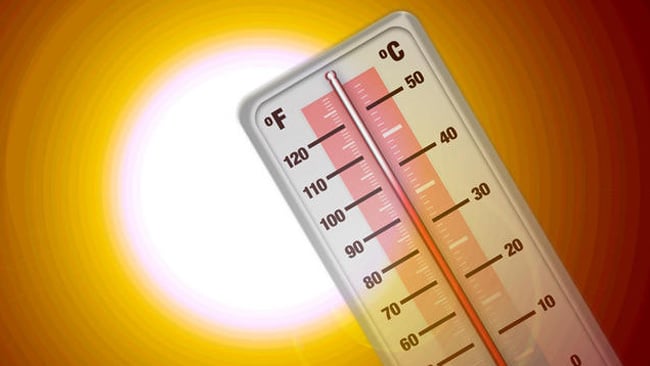
 High heat and construction work are simply not compatible. Yet, the work must get completed. Workers must wear protective clothing and gear which diminishes the body’s capacity to shed heat. This fact combined with high heat creates specific exposures which require vigilant monitoring.
Short-term exposures to heat and humidity:
- Prevention: Drink plenty of water – a good test is the employee must urinate every three hours at a minimum, two hours is better. If they do not need to urinate, they are not getting adequate fluids. Wear breathable clothing such as cotton. Work in the shade or indoors as much as possible, take frequent water breaks in the shade.
- Heat exhaustion: the stage prior to heat stroke when many symptoms from dehydration can be noticed. Any dizziness, nausea or vomiting, cramping, or sudden weakness requires immediate attention. Headaches, blurred vision or unusual fatigue can be signs of heat exhaustion. Rest the worker in the shade, loosen tight clothing and provide water. Observe the employee for several minutes. If they quit sweating or any symptom becomes worse, or they breathe rapidly or have a quick pulse, seek emergency medical help immediately.
- Heat stroke: LIFE THREATENING. Add these to the heat exhaustion symptoms:
- Hallucinations, confusion, disorientation, illogical behavior
- High body temperature, red or pale skin, difficulty breathing
- Unconsciousness or coma
Seek immediate professional help for these symptoms.
Bacteria carrying insects love this weather. Lyme disease and West Nile Virus are not uncommon. Prevention includes spraying mosquito deterrent and checking for ticks.
Long-term exposures include skin cancer. Wear protective clothing and use sunscreen.
Common sense goes a long way to prevent over-taxing workers. If a concrete pour is scheduled for an extremely hot day, postpone. You’ll spare your employees heat related discomfort, and the odds of getting the concrete in before it sets is remote at best.
Remember your machine operators too. Check on them throughout the day and carefully observe their performance. Any signs of erratic behavior needs to be addressed immediately. Even air conditioned cabins can create dehydrating condition in the hot sun.
If you want your crew working Friday, you need to supply plenty of water and shaded rest breaks Monday through Thursday. The body can only take so much heat.
Read more

Technology associated with construction has dramatically changed operations. Carefully check the class codes and their descriptions to assure proper premiums.
Years ago, 5606 – contractor supervisors – served to describe on site personnel who actively performed construction activities while managing the site. The rate was equivalent to site carpenters. That code has evolved into the computer carrying, service providing construction managers and executives who document the construction process. The rate is closer to outside sales representatives now.
Even excavation and site work is being dramatically changed by GPS technology. Now computers design a cut and fill pattern with efficiency. Labor is more involved in checking the geotechnical and environmental properties of the soils rather than the actual movement of them.
As production technology improves, new sub-codes develop to reflect the decrease in risk. Painting, carpentry, electrician and other trades now use a selection of eight or ten separate codes to describe exact activities. More components are built in shops and brought to the site. This process can change the class code of the installers and the builders.
The trend is towards more computer driven operations. Less labor, more specialists. As this trend continues, class codes will be added, deleted and the descriptions changed. There are currently over seven hundred class codes. Some are antiquated with new meanings – like a ship chandler is now a hardware store.
It pays to become familiar with the classifications. If your business has been active for many years, the “governing code” may be incorrect. The governing code is the catch-all for your business which best describes the overall operation, more obvious in manufacturing. Corrugated box manufacturing has been reorganized into several class codes. Technology has separated the manufacture of cardboard and corrugated cardboard into laminating processes, cutting and folding processes, and fully integrated operations.
Read your relevant class codes and think about which one reflects your operations. Or ask your agent to do it for you.
Read more
 Every year, heart disease causes one out of four deaths, reports the Centers for Disease Control and Prevention. Reduce your risk when you make five dietary changes.
- Eat More FruitsFruits rich in vitamin C and fiber protect you from heart disease. So, eat more citrus fruits, which are loaded with vitamin-C, and fruits with fiber-rich skin, including apples, pears and peaches. Easily add more fruit to your daily menu when you:*Serve fruit salad as a side dish during every meal,
*Display fruit on the counter where you’ll see it every day and
*Pack fruit in your lunch box.
- Stock up on VeggiesGreen, leafy vegetables, such as spinach, kale and broccoli, protect you from heart disease. They’re easy to add to your daily diet when you serve salad for dinner and toss green veggies into soups, eggs and rice.
- Pump up the Whole GrainWhen you consume 25 grams of whole grains each day, your risk for developing heart disease decreases by 15 percent. Pump up your whole grain intake with oatmeal, brown rice and rye.
- Reduce Fat IntakeSaturated fats are one of the leading causes of heart disease. Easily reduce the amount of fat you consume when you:*Switch to skim milk
*Use olive oil instead of cream-based sauces and dressings and
*Try butter alternatives.
- Eat Less MeatMeat, especially red meat, is often high in saturated fat, which causes high cholesterol and clogged arteries. For optimum heart health, go vegetarian because it may reverse existing cardiovascular disease. If you have to eat red meat, limit it to three ounces a day.
Reducing heart disease is possible when you eat a heart-healthy diet. Start by making these five dietary changes. Then, talk with your health insurance agent about additional ways you can reduce your heart disease risk and live a healthy lifestyle.
Read more
 You already cook meat on the grill. Why not add fruits and veggies? They help you boost your summer nutrition and taste delicious.
Choose Fresh Produce
Whether you decide to grill pineapple, watermelon, corn or asparagus, make sure it’s fresh. Ideally, the produce you grill should be firm and picked within the past three days.
Brush on the Oil
You’ll want to stock quality canola, olive or coconut oil in your pantry before you grill produce. It adds extra flavor to your grilled produce and a light coating works together with foil packets or a non-stick grate to ensure the fruits and veggies don’t stick to the grill.
Mix a Few Marinades
In addition to the oil, prepare a few marinades. Olive oil infused with herbs, raspberries, mint or other flavorings, honey and low-fat or Greek yogurt enhance the taste of your grilled produce.
Leave the Skin On
The skin of many fruits and veggies contains healthy nutrients. So, leave veggie skins on when you grill them and maximize the nutrient content of the grilled veggies you eat. Most fruits, however, grill better without the skin.
Pre-Cook Some Veggies
Certain veggies cook more evenly on the grill when you pre-cook them in the kitchen. To prep asparagus, beets, broccoli, parsnips, potatoes, squash and carrots for grilling, steam or blanch them until they’re al dente. Alternatively, tomatoes, sweet potatoes, peppers, mushrooms, onions and eggplant will cook evenly when you grill them raw.
Use the Right Temperature
When you cook fruits and veggies over moderately hot coals, the outside could cook faster than the inside. You’ll want to rotate the produce between direct and indirect heat so that each piece cooks evenly and completely.
Whether you cook for one or 100, prepare fruits and veggies on the grill and enjoy a summer nutrition boost. They help you stay healthy, and you’ll feel good knowing that you’re helping your family and friends stay healthy, too.
Read more
 You might love the warm summer temperatures, but they can be dangerous when you are working out. If you are not careful, you could end up with dehydration or heatstroke. The following tips can help you keep up stay safe while you stay in good shape over the summer.
Exercise During the Cool Parts of the Day
Avoid the intense heat of the noon-time sun when possible. Instead of going for a walk during your lunch break, exercise early in the morning when temperatures are lowest. Another option is to wait until the sun goes down and the temperature starts to drop in the evening. If you work out before dawn or after sunset, wear reflective clothing so that car drivers can see you more easily. If you exercise during the day, use sunscreen.
Stay Hydrated
You can quickly become dehydrated when you exercise. To prevent dehydration, men should drink 12 8-ounce cups and women should get 8 cups of water per day. You need extra water when the weather is windy or dry.
Consume an additional 2 cups of water about an hour before your workout, and drink 8 ounces of water every 15 minutes while you are exercising. Weigh yourself before and after your workout, and drink an additional 16 ounces, or half-liter, of water for every pound that you lost during your workout.
Symptoms of mild dehydration can include thirst, headaches, fatigue, muscle cramping and muscle weakness. Stop exercising and drink some water immediately if you notice these symptoms.
Adjust Your Exercise Program
Be flexible with your exercise program during the summer. Water activities, such as swimming laps or taking water aerobics classes, can give you an excellent aerobic workout while you stay cool compared to participating in activities such as running or cycling. You can also adjust your workout program while maintaining a high level of fitness by lowering the intensity of your exercise sessions on hot days.
Finally, you can opt for indoors workouts instead of heading outdoors. You can follow an exercise DVD in your own air-conditioned home, or go to a health club with air conditioning. There, you can run on the treadmill, use the stationary bikes or elliptical machines, lift weights, and take group fitness classes without exposing yourself to the sun.
With a bit of caution, you can have fun, stay fit, and stay safe this summer.
Read more
 Create a safety culture within your organization. Let every employee know safety is the number one employee benefit. The top executive takes the lead and mentions some safety news in every company meeting. Simply talking and promoting safety is time, it does not cost a great deal of money.
Some specifics:
Drivers must use seat belts, must be sober and drug free, not use cell phones or text while driving, and not pick up unauthorized passengers. At least semi-annually, drug test every driver and check their driving records. Randomly test one quarter of the drivers every three months. Establish a threshold for tickets and accidents, and stick to that standard. These minimum safety standards cost about as much as a tank of gas in a pick-up.
Supply personal safety protective equipment for employees. Although this requirement comes from OSHA regulations, it’s a great investment too. One eye wash at the local doc in the box costs about as much as a hundred pairs of safety glasses.
Harnesses to tie off workers at heights cost little next to broken bones and death from a fall.
Hard hats are about fifteen to twenty dollars each. Closing a head wound runs about five thousand.
Reflective vests or coveralls, again, cost much less than a man versus loader collision.
Now, suppose you could save five percent of your workers’ compensation premium for the next three years from reduced experience mod or lower premium rates. You can afford to make the investment in safety equipment.
Consider an incentive program like this: quarterly bonus for no injuries and perfect prompt attendance. Perhaps pay everyone who meets those criteria an extra fifty cents per hour for the quarter. This extra pay amounts to about one hundred dollars per month. Wouldn’t it be worth everyone earning it? Or, maybe one quarter the earners get a pair of Red Wing boots, a gift card to their favorite tool store, a gift card oriented towards their spouses, a flat screen television or use your imagination.
Small investments in safety awareness and loss prevention do pay large dividends in reduced losses.
Read more
