On Sept. 28, 2018, Facebook announced that nearly 50 million user accounts were compromised in a data breach. The breach, which can be traced back to July 2017, is one of the largest in the company’s 14-year history.
While investigations are ongoing, the company said hackers exploited a software vulnerability in Facebook’s "View As" feature to steal access tokens and gain control of user accounts. Access tokens are effectively digital keys to specific accounts, and stealing them allows attackers to view private posts or compose status updates without the knowledge of the affected user.
In addition, the attack allowed the hackers to see anything that users can see on their own profile, including the names and birth dates of friends and family members. Such information could be used in future phishing attacks.
In response to the attack, Facebook reset 90 million logins automatically, fixed the software vulnerability and informed law enforcement officials. While the company says that users do not need to change their passwords, individuals experiencing login issues should navigate to Facebook’s Help Center.
As a safety precaution, users are encouraged to log in and out of all of their accounts on every device. Users can see all of the devices they’re currently signed into here.
To learn more about the breach, read Facebook’s official blog post.
Read more

Over 700,000 people were estimated to have been admitted to the hospital during the 2017-18 flu season, according to the Centers for Disease Control and Prevention’s (CDC) Influenza Hospitalization Surveillance Network. What’s even more alarming is the fact that epidemic levels of influenza or pneumonia persisted for 16 consecutive weeks. Using the CDC’s new methodology, the 2017-18 flu season was the first flu season to be classified as high severity across all age groups.
Due to last year’s deadly consequences and prevalence, the CDC is urging everyone to take extra precautions for the upcoming flu season, including getting vaccinated against the flu by the end of October.
When is flu season?
Flu season typically runs from October to May. However, most flu cases occur between December and February. The vast majority of those who were hospitalized for the seasonal influenza last season weren’t vaccinated. That’s why the CDC is strongly recommending that you get vaccinated as early as possible.
What vaccinations are available?
Each year, the Food and Drug Administration works with the World Health Organization to create a vaccination that contains three or four different strains of the flu. Most of the shots available this year provide protection against four different flu strains. For the 2018-19 season, the nasal vaccination, FluMist, will be available again after not being recommended for use for the previous two flu seasons.
Who should get vaccinated?
The CDC recommends that everyone older than 6 months should get the flu vaccine.
Where can you get vaccinated?
You can get vaccinated against the flu at your doctor’s office, in a clinic or pharmacy, and sometimes, at your employer. Some urgent care clinics or local health departments will provide flu vaccines as well. Visit the HealthMap Vaccine Finder to locate where you can get a flu vaccine.
Read more

According to a recent study, the average person checks their cellphone 100 times a day. While there is a time and a place for cellphones, using it at the job site can be extremely dangerous.
If you’re distracted for just a second while operating a power tool, working on a roof or driving a forklift, you can injure yourself or a co-worker. You can also face civil or criminal liability for damages you cause by operating a motorized vehicle while using a cellphone.
It isn’t only operators of machinery who need to be mindful of the dangers of cellphone use on the job site. Simply looking down at your cellphone and not paying attention to your surroundings could put your life in danger.
Cellphone Safety Tips When On-site
The Occupational Safety and Health Administration (OSHA) prohibits cellphone use by operators of cranes and similar equipment. Most organizations prohibit any kind of cellphone use on the job site—not just for crane operators. It is your responsibility to know how your company’s rules apply to you and follow them accordingly.
If you struggle with the temptation to check your phone while working on a job site, consider the following safety tips:
- Get in the habit of sending and receiving text messages before or after your shift, or during one of your breaks.
- Remind family and friends that you may not be able to respond to their messages right away. Provide them with your workplace contact information in case of emergencies.
- Turn off push notifications so you’re not distracted by any apps.
- Don’t carry your cellphone on you if the temptation to check it is too much. Instead, leave it in a safe place where it won’t distract you from your job.
- Follow your workplace policy for cellphone use at work and on the job site. Be aware of any cellphone-free zones.
Besides creating enormous safety risks, employees who are texting at work are not doing what they are getting paid to do. For this reason, these workers may be subject to disciplinary action.
If you have questions about ’s workplace cellphone policy, or if you notice inappropriate cellphone use on the job site, don’t hesitate to discuss it with your supervisor or HR.
Read more

More Than 132,000 Pounds of Ground Beef Products Recalled
On Wednesday, Sept. 19, 2018, the U.S. Department of Agriculture’s (USDA) Food Safety and Inspection Service (FSIS) announced that Cargill Meat Solutions would be recalling over 132,000 pounds of ground beef products.
The recall news comes after an investigation found that these products were made from the chuck portion of carcasses that may be contaminated with E. coli. According to the FSIS, 17 people have been sickened in the outbreak and one person has died.
Details of the Outbreak
The recalled products were packaged on June 21 and have an "EST. 86R" label inside the USDA inspection mark. Because the recalled products were sold at major stores nationwide, it’s important to check your products to make sure they’re not on the recall list.
Specifically, the following products have been recalled:
- 3-lb. chubs* of “OUR CERTIFIED 73/27 FINE GRIND GROUND BEEF” with a USE OR FREEZE BY JUL/11/18 and case code 00228749057646.
- 3-lb. chubs of “OUR CERTIFIED 73/27 FINE GRIND GROUND BEEF” with a USE OR FREEZE BY JUL/11/18 and case code 00228749002653.
- 10-lb. chubs of “EXCEL 73/27 FINE GRIND GROUND BEEF” with a Use/Frz. By Jul 11 and case code 00228749089098.
- 10-lb. chubs of “EXCEL 73/27 FINE GRIND GROUND BEEF” with a Use/Frz. By Jul 11 and case code 90028749002751.
- 10-lb. chubs of “EXCEL 81/19 FINE GRIND GROUND BEEF” with a Use/Frz. By Jul 11 and case code 90028749003536.
- 10-lb. chubs of “EXCEL GROUND BEEF 81/19 FINE GRIND” with a Use/Frz. By Jul 11 and case code 00228749003568.
- 10-lb. chubs of “EXCEL CHUCK GROUND BEEF 81/19 FINE GRIND” with a Use/Frz. By Jul 11 and case code 90028749402773.
- 20-lb. chubs of “EXCEL 81/19 FINE GRIND GROUND BEEF COMBO” with a Use/Frz. By Jul 11 and case code 90028749073935.
- 10-lb. chubs of “Sterling Silver CHUCK GROUND BEEF 81/19 FINE GRIND” with a Use/Frz. By Jul 11 and case code 00228749702416.
- 10-lb. chubs of “CERTIFIED ANGUS BEEF CHUCK GROUND BEEF 81/19 FINE GRIND” with a Use/Frz. By Jul 11 and case code 90028749802405.
- 10-lb. chubs of “CERTIFIED ANGUS BEEF CHUCK GROUND BEEF 81/19 FINE GRIND” with a Use/Frz. By Jul 11 with case code 00228749802413.
- 10-lb. chubs of “Fire River Farms CLASSIC GROUND BEEF 81/19 FINE GRIND” with a USE/FREEZE BY: 07/11/2018 with case code 90734730297241.
The recall has been classified as a Class I recall, meaning there is a "reasonable probability that the use of the product will cause serious, adverse health consequences or death." This means that if you’ve purchased any of the contaminated products, you should throw them away immediately and not consume them.
What are the symptoms of E.coli?
Symptoms of E.coli can vary, but generally begin three to four days after ingesting contaminated food or drink. Common symptoms include diarrhea, severe stomach cramps and vomiting. Most people are able to recover within a week, but severe cases can last longer. The CDC recommends contacting your doctor if you have symptoms of an E.coli infection.
For More Information
For more information on this recall, visit the FSIS’ website.
*”Chub” refers to ground beef packaged in a cylindrical, plastic tube.
Read more
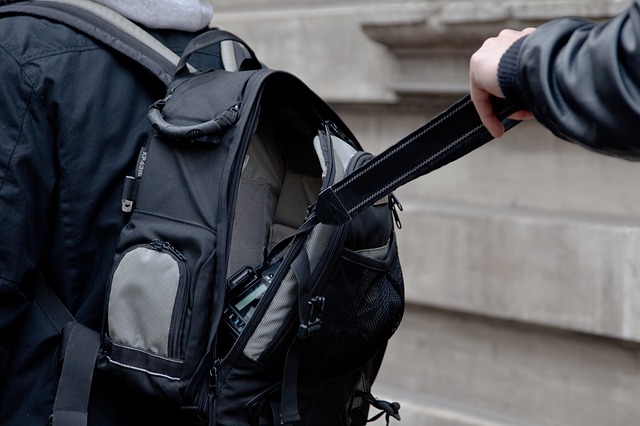
Employee theft, fraud and embezzlement can cause serious financial and reputation damage to your company. Implement several safety measures as you prevent employee theft and protect your business.
Review Your Hiring Practices
Start with honest employees, and you could reduce your theft risk. Consider implementing the following pre-employment checks for all employees, particularly those who work with finances, confidential data or inventory.
- Criminal history of theft, fraud or violence.
- Civil history of fraud, collections or restraining orders.
- Driver’s license report of serious or numerous violations.
- Education verification of degrees and certifications from accredited institutions.
- Employment verification of positions, length, performance, reasons for leaving, and eligibility for rehire.
Utilize Internal Controls
Prepare for the possibility of theft with policies and procedures that limit this risk.
- Separate duties – Place different employees in charge of transaction processing and recording.
- Control access – Only authorized employees should have access to accounting systems and physical and financial information and assets.
- Authorize control policies – Develop a secure process for initiating, authorizing, recording, and reviewing financial transactions and inventory.
- Update security – Install security cameras, engrave “do not duplicate” on keys to sensitive information, and change locks and security codes when cleared employees leave.
Perform Impartial Audits
In addition to regular audits, hire impartial parties to conduct random audits. Examine financial, inventory and other records as you encourage employees to resist temptation.
Create a Positive Work Environment
When your work environment supports collaboration, fairness, and recognition and implements clear policies, organizational structure, and communication, your employees will probably remain honest. They will feel goodwill toward the company and may be less likely to commit theft and jeopardize the supportive, friendly and healthy environment.
Educate Your Employees
Partner with your employees to avoid and prevent theft. They should know your company’s internal controls, conduct and ethics policy, and discipline process. Ask new employees to review these documents and sign a form indicating they’ve done so, and review the policies at least annually.
Use an Anonymous Reporting System
Equip employees, clients and vendors with the power to report suspicions or proof of theft, fraud or embezzlement. An anonymous reporting system protects your staff while giving you valuable information that protects your company.
Investigate all Theft Reports
Demonstrate that you take theft seriously when you investigate every theft report you receive. The investigation should be thorough, prompt and transparent.
Purchase Adequate Insurance
Commercial crime insurance protects your business as it covers financial losses and liability. Your insurance agent can help you purchase the right insurance coverage and adequate policy limits.
Protect your company from employee theft when you implement several security measures. They can reduce your theft, fraud and embezzlement risk.
Read more

Builder’s Risk insurance, also known as Course of Construction insurance, covers property that’s under construction. As a contractor or construction professional, you must understand this important coverage.
What is Builder’s Risk Insurance?
A homeowner, general contractor or project manager can purchase a Builder’s Risk insurance policy during a home building project. The coverage protects the property from hazards and accidents that could occur.
What Does Builder’s Risk Insurance Cover?
The accidents and hazards a Builder’s Risk insurance policy covers include:
- Burglary and theft.
- Property loss during transport to the job site.
- Scaffolding, temporary structures and construction forms on the job site.
- Structure collapse.
- Sewer or drain backup.
- Site plans, blueprints and other valuable papers.
- Fire.
- Lightning.
- Wind, hail or rain storms.
- Explosion.
- Impact by aircraft or vehicles.
- Riot, vandalism and malicious acts.
- Debris removal after a covered accident or hazard.
Most Builder’s Risk insurance policies include several exclusions, so read the policy carefully. Your policy probably does not cover:
- Property others own.
- Accidents.
- Subcontractor actions or materials.
- Professional liability.
- Earthquakes.
- Water damage.
- Weather damage to property in the open.
- Mechanical breakdown.
- Employee theft.
- Contract penalty.
- Voluntary parting.
- War.
- Government action.
What is the Policy Length?
The typical Builder’s Risk insurance policy covers a construction project that lasts from six to 12 months. Coverage ends when the project is finished or the property is occupied.
While the policy may be extended due to construction delays, the insurance company may want proof that you are making progress. Also, only one extension is usually offered.
How Much Does Builder’s Risk Insurance Cost?
Expect to pay between one and four percent of the total construction budget for your Builder’s Risk insurance policy. The type of coverage and materials also factor into the cost. Your insurance agent will work with you to purchase adequate coverage you can afford.
Is Builder’s Risk Insurance a Requirement?
As a contractor, project manager or homeowner, Builder’s Risk insurance gives you peace of mind. However, it’s not usually a requirement. Read your project contract for details.
Purchase Adequate Insurance
As a construction professional, you should purchase the right insurance coverage for your business and projects. Insure the tools and equipment you own in case they’re stolen or vandalized. Also, purchase liability coverage that protects you if you damage the property or cause bodily injury. Be sure the finished project is covered, too, in case something goes wrong with the home you build. Provide copies of your insurance policies to homeowners, too. They need to know that you have the right insurance in case something goes wrong.
Builder’s Risk insurance protects a new home that’s under construction. Understand this coverage as you protect your assets and construction business.
Read more
