 Spring is a popular time for adding to your home in the form of remodeling or putting up an addition. If you are like many people, you hire someone to complete the job for you. For most people, it is easier and faster to interview and hire a contractor to do the work instead of trying to muddle through it yourself.
Peace of Mind With the Professionals
One of the reasons for hiring a contractor to build that much-needed addition to your home or to remodel your outdated kitchen is to ensure that the job is done right the first time. Unless your career requires you to know the latest building codes, it is unrealistic to expect that you do so. Instead you rely on your contractor to know — as well as follow — the safety regulations put forth by your particular locality.
The Responsibility is Yours
Even though the contractor you hired is doing all the work, it is ultimately your responsibility for what occurs with your home. This is not to say that you are in this alone. Rather it is to caution you to be aware of the risks you face if your contractor does not follow the applicable codes when doing the work you authorized. This is one reason to use only those contractors who are licensed, bonded and insured.
Protect Yourself
One way to protect yourself is to check for the necessity of permits before allowing the contractor to start working. Request to see the permits if the contractor obtains them for you. Speak with your insurance agent to determine if additional coverage for the work is needed as well.
Read more
 Whether you are a collector of fine art or you have a garage full of vintage cars that are the envy of the neighborhood, you likely added them to your homeowners insurance when you purchased them and thought your job was done. After all, in the event of a catastrophic event — fire, flood, burglary — you thought your items were fully covered. It is worth delving more deeply into this subject, though, because you might be surprised to learn that your current insurance policy is not providing you with the coverage you thought it was.
Riders for Special Items
When you insure items that are extraordinary, your regular insurance simply might not provide enough coverage. Its limits could be far less than what the item is worth. Instead, ask your insurance agent about a specialty rider that is geared only toward that specific item or collection of items. Depending on the details, such a rider could cost you a few hundred dollars more for your insurance. The peace of mind you gain by adding such a rider is well worth the extra cost.
Reappraise Extraordinary Items
Before your fine art or jewelry was insured, you had it appraised to determine its value. Reappraising items such as this at least every two years helps keep your insurance on pace with their value. Most high level possessions continue to climb in value which means they could easily outstrip their levels of insurance coverage if you do not keep tabs on it. Regular appraisals will help ensure that inflation and valuation are kept to current levels in the event of a loss.
Read more
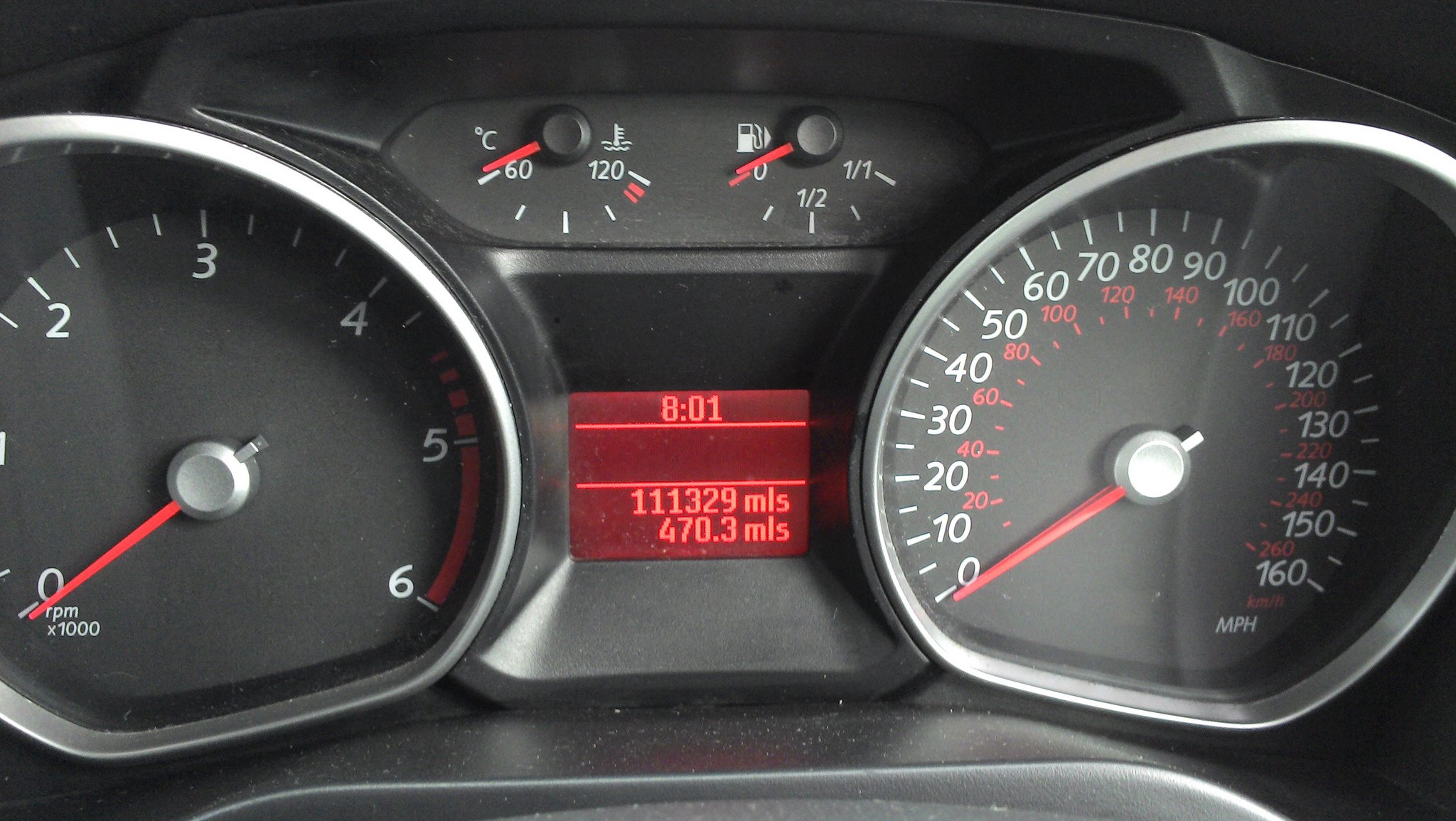 Most people are always on the lookout for ways to save money. You might think that items that are mandatory, such as auto insurance, do not offer you many options to do so. However, you could be overlooking a quick and easy way of saving money each year on your insurance premiums simply by not accurately reporting your annual mileage.
Low Mileage = Discount
Insurance companies look at the risk you bring to the table when they determine the rate you pay. The lower your risk, the lower your premiums. If you drive fewer miles than their benchmark figure, you will likely get a discount. While the actual mileage varies with each insurance provider, most use a figure between 7,500 and 15,000 miles annually.
Annual Mileage Reporting
There are a few life circumstances that make it more likely that you are driving under the cap of annual miles set by your insurance company. Adding a second car that is only used for errands is one such example. Retirees who no longer commute to work each day could be eligible for a discount. If you work at home, your annual mileage figures could be reduced enough to allow your annual mileage to fall under the cap. Seniors that do not drive often are another segment of the population that could qualify.
Taking Advantage of the Discount
Depending on your insurance company, you could receive a survey in the mail about your driving habits. Filling this out and returning it to your insurance company gives them the tools they need to they can determine if you are eligible for the discount. Alternatively, you could also contact your insurance company and ask them if you qualify for the low-mileage discount.
Read more
 Companies usually use some type of employee performance evaluation to assess successes and gaps in performance and convey these assessments to employees. Although this might be helpful, it’s not enough. If you want your employees to be more engaged and productive, you need to understand their intrinsic motivations.
To do this, consider adding these questions to the employee performance review conversation. (Notice that we use the word “feel” a lot because it’s the employee’s emotions that should concern you.):
- How do you feel about your job?
- How do you feel about the direction of the company?
- Do you feel that you have improved your skills over the last year?
- To what extent do you feel that you have grown as a person while working for us during the past year?
- What do you feel is the most valuable thing you do at work?
- Where do feel you can add more value to the company?
- Out of curiosity, have you looked at other job opportunities or are you completely satisfied here? If not, what would it take to satisfy you?
- Do you feel you’re being paid fairly? If not, what do you feel you should get paid and what do you base that on?
- Do you feel we have exhibited a management style that’s caring and supportive? If not, how can we do a better job of this?
- Is there anything that we haven’t spoken about that feels unfair to you and might get in the way of our working relationship or your success at this company?
- Is there anything else you would like to share that we haven’t talked about?
These are brave questions to ask because most managers really don’t want to dive into the emotional landscape – which is a big mistake. As Daniel Goldman reminds us in Emotional Intelligence, it’s your E.Q., not your I.Q., that’s most important to becoming a great leader or manager.
Consider having this conversation outside of your office where it might feel safer for the employee. For example, “Now that we’ve discussed your performance I like to have a little deeper conversation about your work here and I don’t want to do it in the office. Where would you like to go talk about this? “
You don’t have to buy this idea wholesale. Test it out. Play social scientist and begin with just one employee. Let him or her know that you’re opening up to a more meaningful conversation; and that because you’ve never tried this before it will be a learning experience for both of you!
Read more
 Most people are careful to make sure that they have all the necessary insurance in their life. Insurance has made its presence in almost every aspect, such as car insurance, home, flood, and more. There’s even insurance for your art collection or antiques. The level of coverage corresponds to the policy limits. Typically when it comes to insuring valuables and collections people tend to purchase the highest possible coverage to protect if something happens to their jewelry, art, antiques, etc. However, when other insurance is evaluated, like car and home insurance lower premiums are achieved by opting for minimum coverage. This is not always the best decision.
The truth is that your home and car insurance can actually be more important than you think. The coverage that you purchase is the limit in which your insurance company responsibility ends and your personal liability begins. Those individuals with significant assets should increase their coverage limits to protect their personal liability. Those that have $150k to $250k in auto coverage and a large home policy but need more, should consider an umbrella policy. An umbrella insurance policy takes over coverage once limits are reached.
This type of insurance coverage is an extra step in asset protection, so this is a decision that should not be made in a vacuum alone. It is best to consult with an insurance agent to review your specific situation and design a plan that will fit your needs. The flexibility of coverage and in the context of the other insurance as well as your assets is all important in making the decision to purchase an umbrella policy.
We know that you have all the basic insurance plans covered, but speaking with an insurance agent is a good idea. Make sure that you are on the right track and have taken into account all the necessary details in creating a comprehensive plan to carry the correct coverage to ensure you sleep well at night.
Content provided by Transformer Marketing.
Read more
 Investing in rental property is an exciting and cost-effective venture for many people. Savvy individuals are able to charge enough rent to offset the mortgage payment of the rental property, allow for maintenance costs and provide a bit of a profit at the end. In order to protect your investment, however, you need to have an adequate amount of insurance.
Many people assume that their homeowners insurance covers their rental properties as well. It pays to do your research into the subject now before something catastrophic occurs and you find yourself in a financial crisis. Having the right kind and amount of insurance can protect you now and long into the future.
While having homeowners insurance for your rental home is required by almost all lenders who provide you with a mortgage, a traditional policy might not be the best option for your rental property. Here are three points to keep in mind when deciding what type of insurance best suits your needs.
1. Unless you are renting the home out as being fully furnished, you will not need to insure the contents of it. Instead, that responsibility falls to the renter in the form of renter’s insurance.
2. It is highly likely that you will need more liability insurance. With the title of ‘landlord’ comes an increased sense of responsibility. In the event that your tenants are injured while on the property, you will likely need to bear some responsibility. Even if it is due to an event beyond your control, such as the weather, you should plan for the additional responsibility. Your insurance agent can be a valuable guide in this matter.
3. If you are like most landlords, you depend on the rent you receive from your tenants. Consider an insurance policy that specifically protects you from the loss of this income. If you ever experience such a loss, you will be glad to have it.
Read more
