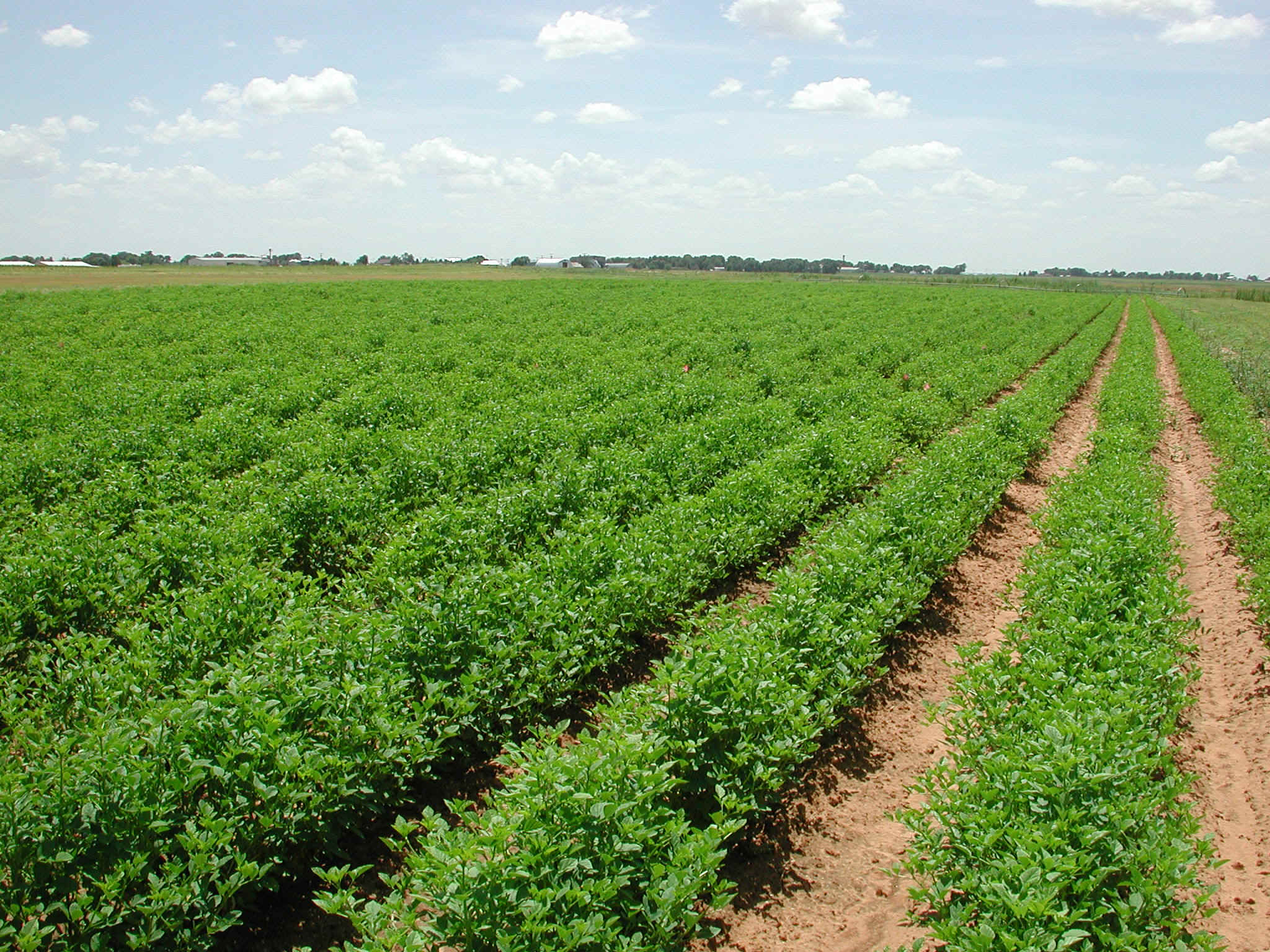
 Innovative farmers have been producing renewable energy using byproducts such as walnut hulls and methane for years, and their efforts to earn credits from utility companies for some of that energy could soon become easier.
A bill passed by the Legislature would allow farmers to connect on-farm renewable-energy systems together and then connect them to the grid. Previously, only solar, wind and fuel cell generators have had a streamlined path to connect.
-California Farm Bureau Federation
If you would like information on how Scurich Insurance can help your Agriculture Business, click this link for our website, click this link to connect with us on Facebook.
Scurich Insurance Services
320 E Lake Ave.
Watsonville, Ca 95076
(813) 772-3541
* image courtesy of www.istockphoto.com
Read more
 Scurich Insurance Services has been serving the Monterey Bay Area since 1924. Our mission is to partner with our customers and provide them superior service and value. We are a member of United Valley Insurance Services, Inc., a cluster of over 70 California Independent Insurance agencies, which produced over $530,000,000 of annual premium last year.
At Scurich Insurance Services we understand your business and our community. Our customers look to us for comprehensive solutions. We have established relationships with more than 40 of the nation’s leading insurance providers, which allows us to deliver multiple, competitively-priced options and a team of experts to guide you through the process.
When you need to file a claim, change a policy or process a certificate you can depend on Scurich Insurance Services to respond quickly to your request.
Scurich Insurances can provide commercial packages, farm bureau discounts, farm packages, workers compensation, professional liability, umbrella, group benefits group life & health personal auto , home, life, health and much more. We can also help you plan wisely and guide you in the evaluation of risk management, We serve Watsonville, California and surrounding areas. We represent over 50 Insurance carriers to better protect your business.
Read more
YOU ONLY HAVE THREE DAYS LEFT to participate in our giveaway!!
If you want to take this opportunity to win a Kindle, click on the link below and enter!!
Click Here To Enter!
Good Luck!
If you haven’t heard of Scurich Insurance Services, we offer a wide range of insurance products and we also specialize in Agri-business, Contractors, and Risk Management.
For all you Business owners in the Watsonville, CA area, we have a long history of providing the most competitive rates to protect you.
But dont take our word for it, take a look at our Testimonials on our blog!
Scurich Insurance
320 East Lake Avenue, PO Box 1170
Watsonville, CA 95077-1170
Office: 1-831-722-3541
Toll Free: 1-800-320-3666
Read more
From DiasterReovery.com
 There are many types of disasters, all of which can devastate your business and ruin the lives of your employees, your shareholders, your stakeholders and yourself.
Natural disasters
earth quake disaster, environmental disaster, national disaster, weather disasters, natural disasters, fire disasters, earthquake, tsunami, typhoon, floods, tornado, lightning, blizzards, freezing temperatures, heavy snowfall, pandemic, fallen trees, chemical spill, bombing, nuclear attack, biological attack, plane crash disaster, environmental disasters, theft, severe hail storms, natural disasters, national disaster, nuclear disaster, environmental disaster, volcano disaster,
Manmade Disasters
In today’s world it is an unfortunate fact of life that there are people deliberately and negligently causing disasters all over the world. Disruption of communications, interruption in shipments, destruction of records and production equipment are all ordinary results of manmade disasters and a prudent business will prepare for their occurrence.
Customer Defined Disasters
Customer specific disasters also have the potential to devastate their business. power loss, excess temperatures, broken plumbing, felled trees, loss of communications, utility failure, work stoppage, deliberate disruption, loss of utilities, loss of supplies, equipment failure, loss of key supplier, loss of key vendor, intentional damage and destruction
Even if your company is not in the disaster area your business can still be effected by a disaster. This often occurs when suppliers, customers, communication nodes, in transit shipments etc are in the disaster area.
Is your business protected? Do you have any gaps in your current policies?
Scurich Insurance has been covering local business owners, like you, safeguard against the above possibilities. For a free quote, visit Scurich Insurance and get started now before something happens and your business is left in ruin.
Read more
Prevention on the outside
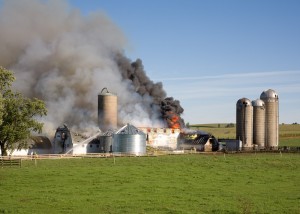
Be sure to carry out certain fire protection measures before a fire starts:
- Create “Defensible Space” – Remove flammable vegetation from around your home or structures and replace with fire-resistant plants. This safety zone for firefighters should be at least 100 feet. Also, clear away dead leaves and debris from your roof and gutters.
- Mark road signs and buildings clearly – Fire-fighting personnel must be able to immediately locate and safely travel to your home or business in order to protect it.
- Establish an emergency water supply – Keep a minimum of 2,500 gallons of water (roughly the size of an above-ground pool, 10 feet in diameter) available to firefighters.
- Make your home and buildings fire safe – Modify your structures to resist fire damage. Siding materials such as brick and stucco resist fire much better than wood. Also, build or re-roof with fire resistive or noncombustible materials (Class A offer the best protection).
Prevention on the inside
Fires are caused by a combination of fuel, air and heat. Therefore, removing one of the three elements is key in preventing devastating fires. Beware of fire ignition sources such as:
- Electrical – Many fires result from defects in, or misuse of, the electrical system. Wiring may fail due to faulty installation, overloading, physical damage, aging or deterioration. Inspect all exposed wiring regularly. Make sure heating units are working properly.
- Farm machinery – Equipment fires may be the result of defective fuel or ignition systems, smoking, overheated engines, sparks from exhaust or grinding equipment, or improper refueling. Turn off the engine and allow it to cool before refueling. Repair leaks in fuel lines, pumps and filters. Use and store fuels properly. Keep them in well-ventilated areas.
Scurich Insurance can help protect your farm with Business Insurance as well as keep you informed with Safety Services.
Read more
 Your farm is probably the single biggest asset you have and provides your livelihood and security for your family. Farm insurance can repair or replace your farm buildings, equipment, livestock and crops in the event of a disaster. Agricultural business insurance can also protect you and your family in the event of a liability lawsuit due to a consumer safety issue, a farm visitor or trespasser’s injury on your land.
There are 3 primary factors in deciding which type of agriculture insurance you need, and the agricultural insurance company that can best provide it. Here’s what you need to consider:
1. The type of farm and type of agricultural business you own.
2. There are full or part-time employees.
3. The presence of farm outbuildings and equipment inventory on your property.
Assess your current insurance situation
If you already have a homeowner’s insurance policy, it will not cover any buildings except your home, unless you have a rider to that effect. It also will not cover your farm equipment, livestock or crops; and it will not provide liability protection outside a certain distance from your home. If you do have insurance for your farming operations, meet with your agent and discuss your policy, line by line, to determine that you have adequate coverage for your business.
Scurich Insurance provides Agriculture Insurance. Contact us for a quote at 831-722-3541
Read more