
Starting a business is rewarding, but it’s also expensive. In your haste to pursue your passion or make a profit, you may decide to forgo insurance. However, you need at least basic coverage as you protect your assets and help your new company succeed. Purchase the right insurance products for your startup, and invest in your business and yourself.
General Liability Insurance
Although your business is brand new, you could be sued. Someone may suffer an injury while visiting your property or while using a product you sell. Or you could be sued for libel or slander. General liability covers your financial responsibility from a lawsuit, claim or settlement. This protective coverage is one of the most important insurance policies you can buy.
Commercial Property Insurance
Protect your physical assets with property insurance. It insures your building, inventory, office equipment, and other assets. This insurance product also protects your business from vandalism, theft, fire, and storms. You can purchase property insurance for the items you own, rent or lease, and you can alter coverage limits as your company grows and expands.
Business Owner’s Policy
A business owner’s policy (BOP) combines your general liability and commercial property insurance policies. With a BOP, you can save money while ensuring your business remains protected from theft, fire, lawsuits, and other risks. While all startup businesses do not qualify for a BOP, you can talk to your insurance agent to confirm your options and find the right coverage for your needs.
Commercial Auto Insurance
With your fleet of automobiles, you and your employees can visit clients, make deliveries and perform other company tasks. Your personal car insurance won’t extend to company vehicles, so purchase a commercial auto insurance policy. Otherwise, you risk losing important assets if your company cars are involved in an accident, cause property damage, injure someone, or are damaged due to a theft or vandalism.
Workers’ Compensation
Protect employees with Workers’ Compensation insurance. It pays for medical treatment, short-term disability, lost wages, and other expenses employees incur after they suffer a work-related illness or injury. You’ll only need this coverage if you hire employees, but it’s essential coverage in this situation.
Flood Insurance
Whether your business sits in a known flood zone or at the top of a hill, you could lose valuable assets during a flood. In most cases, your commercial property insurance policy won’t cover flood-related claims. Purchase flood insurance to protect your company.
Read more

Because identity theft and data breaches are becoming an ever-growing problem, it’s important to not only have a different password for each account, but to make those passwords easy to remember and hard to guess. The following are tips you can use to make your password harder to crack:
- Change your passwords every 90 days. This might seem like a hassle at first, but hackers have a better chance at cracking your passwords if they never change. It’s also a good idea to avoid reusing passwords.
- Make your passwords at least eight characters long. Generally, the longer a password is, the harder it is to guess.
- Don’t use the same password for each account. Hackers target lower security websites and then test cracked passwords on higher security sites. Make sure each account has a different password.
- Include uppercase letters and special characters in your password. Special characters include symbols like “#,” “*,” “+” and “>.” These symbols can make your password more complex and harder to guess.
- Avoid using the names of spouses, kids or pets in your password. All it takes for a hacker to crack passwords that include these things is a little research on social media sites like Facebook and Twitter.
Read more

Flooded barns and lost crops are just a couple of the emergencies farmers have to deal with after a natural disaster. Thankfully, there are federal programs and resources available to help with some of the costs, but seeking them out can be confusing and time consuming. The agency you contact will depend on the type of damage you have, so a farmer may have to go to three separate agencies for help.
Disaster Relief – Helpful Links
3 STEPS TO POST DISASTER RELIEF
It can be overwhelming trying to navigate the different programs available. Here, we break it down into three steps:
Step 1: Take pictures. Disaster programs need documented damage, so take pictures before you clean up, and take note of specific losses. Save receipts for any purchases you need to make during recovery.
Step 2: Know what programs for coverage are available. There are several different programs that address different needs of hurricane relief. For example, the Farm Service Agency (FSA) handles assistance specific to farms and farmland. The Small Business Administration handles disaster assistance for businesses. The Federal Emergency Management Agency handles household damages and reconstruction.
Step 3: Be aware of important deadlines. Each program has different application processes and different deadlines. Make sure you get your applications in on time.
- If seeking the help of an FSA program, be aware that most have an application deadline of 30 days after the damage or loss occurs.
- If damage prevents you from planting, complete a Notice of Loss form and submit it to your local FSA office within 15 days of the planned planting date to determine eligibility.
- If you participate in Risk Management Agency (RMA) federal crop insurance, report the damage within 72 hours of discovery, and follow up in writing within 15 days.
Read more
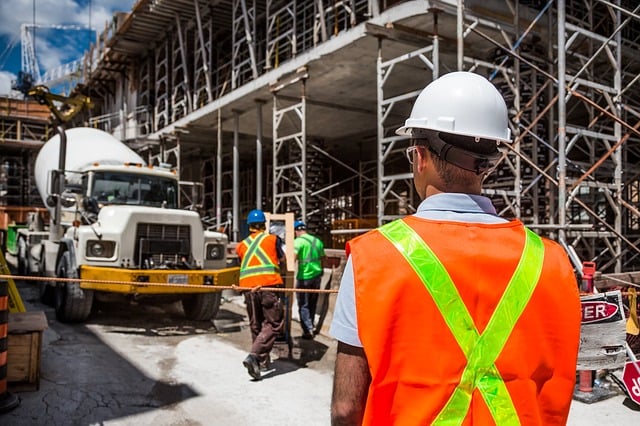
The International Risk Management Institute’s Construction Risk Conference (CRC), held from November 4-7, 2018, in Houston, Texas, is designed for construction professionals like you. If you decide to invest in your business and attend this conference, here’s what you need to know.
What is the CRC?
Held annually, the CRC brings together a variety of experts who share up-to-date information about construction industry risks, insurance trends, and strategies and tactics you can take to avoid risks. This year’s sessions include:
- Kathy Antonello, Chief Actuary at the National Council on Compensation Insurance, will discuss “Workers Compensation Trends and Challenges in Construction.” You’ll learn about trends, challenges and ways to manage your Workers’ Compensation program.
- The View from My Seat offers tools you can use to manage new technologies, labor shortages, law and regulation changes, and other evolving construction risks.
- Jim “The Rookie” Morris shares his inspirational and motivational story.
- Breakout Sessions and Snap Talks dive into topics like contracts, design liability, construction delays, and your supply chain.
Who Attends CRC?
The CRC is designed for a variety of people who work in the construction industry. It’s important for:
- General contractors.
- Subcontractors.
- Project owners and managers.
- Developers.
- Construction lawyers.
- Insurance agents, brokers, underwriters, and adjusters.
- Consultants and service providers.
Why should you Attend CRC?
Consider attending the CRC to gain five benefits.
- Gain knowledge about emerging risks, trends and solutions. As you understand new threats in your industry and to your business, you’ll also learn how to manage these challenges in ways that protect your company.
- Position yourself as an expert. Attending a conference will enhance your knowledge and understanding. Use the information you gain to improve your business offerings and reputation as an expert.
- Expand your network. Meet and collaborate with other construction professionals as you strengthen valuable relationships and share advice and support.
- Identify your insurance needs. After learning more about your risks, you can identify and purchase the right insurance coverage for your business.
- Rejuvenate your mind and body. While you’ll listen to experts and network with peers, you also have time to rest and relax, which allows you to return to work mentally and physically refreshed.
How do you Register?
Registration is open until November 7. However, you can take advantage of the Standard rate and save $400 when you register before October 12. Save even more with the discounted rate that’s available to project owners and contractors. Also, remember the IRMI Conference Guarantee. You can request a registration fee refund if you don’t get your money’s worth from the CRC.
Invest in yourself and your construction business when you attend the 2018 IRMI Construction Risk Conference. It’s good for business.
Read more

According to a recent study, the average person checks their cellphone 100 times a day. While there is a time and a place for cellphones, using it at the job site can be extremely dangerous.
If you’re distracted for just a second while operating a power tool, working on a roof or driving a forklift, you can injure yourself or a co-worker. You can also face civil or criminal liability for damages you cause by operating a motorized vehicle while using a cellphone.
It isn’t only operators of machinery who need to be mindful of the dangers of cellphone use on the job site. Simply looking down at your cellphone and not paying attention to your surroundings could put your life in danger.
Cellphone Safety Tips When On-site
The Occupational Safety and Health Administration (OSHA) prohibits cellphone use by operators of cranes and similar equipment. Most organizations prohibit any kind of cellphone use on the job site—not just for crane operators. It is your responsibility to know how your company’s rules apply to you and follow them accordingly.
If you struggle with the temptation to check your phone while working on a job site, consider the following safety tips:
- Get in the habit of sending and receiving text messages before or after your shift, or during one of your breaks.
- Remind family and friends that you may not be able to respond to their messages right away. Provide them with your workplace contact information in case of emergencies.
- Turn off push notifications so you’re not distracted by any apps.
- Don’t carry your cellphone on you if the temptation to check it is too much. Instead, leave it in a safe place where it won’t distract you from your job.
- Follow your workplace policy for cellphone use at work and on the job site. Be aware of any cellphone-free zones.
Besides creating enormous safety risks, employees who are texting at work are not doing what they are getting paid to do. For this reason, these workers may be subject to disciplinary action.
If you have questions about ’s workplace cellphone policy, or if you notice inappropriate cellphone use on the job site, don’t hesitate to discuss it with your supervisor or HR.
Read more
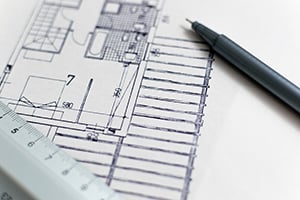
Builder’s Risk insurance, also known as Course of Construction insurance, covers property that’s under construction. As a contractor or construction professional, you must understand this important coverage.
What is Builder’s Risk Insurance?
A homeowner, general contractor or project manager can purchase a Builder’s Risk insurance policy during a home building project. The coverage protects the property from hazards and accidents that could occur.
What Does Builder’s Risk Insurance Cover?
The accidents and hazards a Builder’s Risk insurance policy covers include:
- Burglary and theft.
- Property loss during transport to the job site.
- Scaffolding, temporary structures and construction forms on the job site.
- Structure collapse.
- Sewer or drain backup.
- Site plans, blueprints and other valuable papers.
- Fire.
- Lightning.
- Wind, hail or rain storms.
- Explosion.
- Impact by aircraft or vehicles.
- Riot, vandalism and malicious acts.
- Debris removal after a covered accident or hazard.
Most Builder’s Risk insurance policies include several exclusions, so read the policy carefully. Your policy probably does not cover:
- Property others own.
- Accidents.
- Subcontractor actions or materials.
- Professional liability.
- Earthquakes.
- Water damage.
- Weather damage to property in the open.
- Mechanical breakdown.
- Employee theft.
- Contract penalty.
- Voluntary parting.
- War.
- Government action.
What is the Policy Length?
The typical Builder’s Risk insurance policy covers a construction project that lasts from six to 12 months. Coverage ends when the project is finished or the property is occupied.
While the policy may be extended due to construction delays, the insurance company may want proof that you are making progress. Also, only one extension is usually offered.
How Much Does Builder’s Risk Insurance Cost?
Expect to pay between one and four percent of the total construction budget for your Builder’s Risk insurance policy. The type of coverage and materials also factor into the cost. Your insurance agent will work with you to purchase adequate coverage you can afford.
Is Builder’s Risk Insurance a Requirement?
As a contractor, project manager or homeowner, Builder’s Risk insurance gives you peace of mind. However, it’s not usually a requirement. Read your project contract for details.
Purchase Adequate Insurance
As a construction professional, you should purchase the right insurance coverage for your business and projects. Insure the tools and equipment you own in case they’re stolen or vandalized. Also, purchase liability coverage that protects you if you damage the property or cause bodily injury. Be sure the finished project is covered, too, in case something goes wrong with the home you build. Provide copies of your insurance policies to homeowners, too. They need to know that you have the right insurance in case something goes wrong.
Builder’s Risk insurance protects a new home that’s under construction. Understand this coverage as you protect your assets and construction business.
Read more
