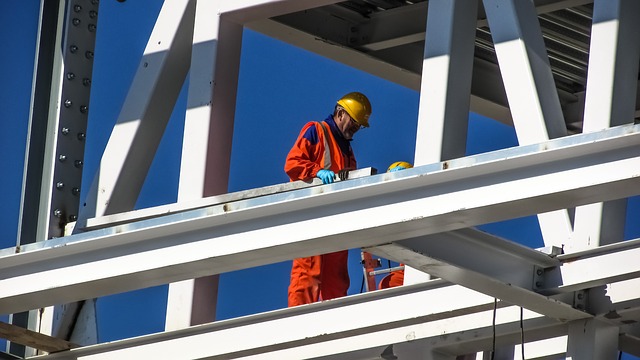
Responsible employers in the construction industry know the importance of implementing a safety and health program to prevent workplace injuries. Effective safety programs have seven core elements.
- Management leadership—provides the resources needed to implement an effective safety and health program.
- Worker participation—allows a program to benefit from the workers’ knowledge base and empowers workers to provide feedback.
- Hazard identification and assessment—identifies the root cause of construction injuries.
- Hazard prevention and control—helps employers provide workers with safe and healthy working conditions.
- Education and training—provides workers and managers with a greater understanding of the safety and health program.
- Program evaluation and improvement—verifies that the program is being implemented as intended.
- Communication and coordination for employers on multiemployer work sites—encourages employers and contractors to consider how the work they do can affect the safety of other workers at the job site.
The seven core elements are interrelated and are best viewed as an integrated system. Actions taken under one core element can, and likely will, affect other core elements. For example, the education and training core element supports the worker participation core element.
It is important to achieve progress in each core element in order to benefit from a safety and health program. Contact Scurich Insurance for more information regarding recommended practices for safety and health programs in construction.
OSHA Rescinds Walkaround Memo
OSHA has withdrawn its 2013 “Walkaround Letter of Interpretation” that allowed union officials to participate in inspections at nonunionized workplaces.
The letter was viewed by employers as an attempt by the Obama administration to support and expand union representation to nonunion workplaces. However, OSHA has now withdrawn the union policy language featured in the letter, calling it unnecessary.
OSHA compliance officers may still attempt to include outsiders to participate in a walkaround if there is good cause. One example of good cause would be due to the compliance officer lacking technical or language expertise that is necessary to the inspection. Such cases are rare, however, as OSHA usually provides the needed expertise from within the agency.
Read more

In the November 2016 elections, the use of medical marijuana was approved through four state ballot measures, bringing the total to 28 states and the District of Columbia that have legalized medical marijuana in some form. Additionally, the District of Columbia and eight states—Alaska, California, Colorado, Maine, Massachusetts, Nevada, Oregon and Washington—have legalized recreational use of marijuana in some form.
However, under the Controlled Substance Act of 1970, marijuana is classified as a Schedule I substance with no accepted medical use and a high potential for abuse, making it illegal at the federal level. Amid state and federal law contradictions, many workers’ compensation payers are choosing to deny coverage for medical marijuana. Since medical marijuana isn’t currently included in workers’ compensation treatment guidelines, they have every right to do so.
As such, the future of medical marijuana in workers’ compensation remains unclear, and state and federal lawmakers have their own opinions.
States’ Stances
While states have different views on the use of medical marijuana, there are various state rulings that may be setting a new precedent in the workers’ compensation and medical marijuana debate.
New Mexico
New Mexico became the first state to propose a reimbursement rule for medical marijuana in November 2015. The state’s 2016 fee schedule set the maximum reimbursement rate for medical marijuana at $12.02 per gram for injured workers. Under the state’s Lynn and Erin Compassionate Use Act, authorization was considered equivalent to a prescription—requiring employers to reimburse injured workers for medical marijuana. Furthermore, this process allowed insurance carriers to avoid directly paying for a Schedule I substance.
Minnesota
In 2015, Minnesota’s health commissioner decided to include “intractable” pain as a condition that could be treated with medical marijuana. According to the Minnesota Department of Health, intractable pain is defined as, “pain whose cause cannot be removed and, according to generally accepted medical practice, the full range of pain management modalities appropriate for this patient has been used without adequate result or with intolerable side effects.” This decision has opened the door for claimants to request that their workers’ compensation insurers cover the cost for medical marijuana.
Maine
The outcome in a workers’ compensation case involving medical marijuana was different than those in New Mexico and Minnesota, when an employee who sustained a back injury while making deliveries requested reimbursement for medical marijuana. According to Maine’s Workers’ Compensation Act of 1992 (MWCA), “an injured worker is entitled to reasonable and proper medical, surgical, and hospital services, nursing, medicines, and mechanical and surgical aids, as needed, paid for by the employer.”
However, the employer argued that medical marijuana-related services should not be covered under the MWCA, and that by covering such services, the employer would be in violation of federal law and subject to the risks of prosecution. In support of its argument, the employer also cited Maine’s medical marijuana statute, which states that it may not be construed to require a government medical assistance program or private health insurer to reimburse an individual for costs associated with the medical use of marijuana. The employer won the case.
Other states, including Arizona and Montana, are in agreement with Maine and have taken the position that a workers’ compensation insurance carrier cannot be compelled to pay for medical marijuana because the possession and use of marijuana is still illegal under federal law.
Federal Opinion
Workers’ compensation payers rely on evidence-based guidelines when making treatment decisions. Since medical marijuana is considered a Schedule I substance and is not included any workers’ compensation treatment guidelines, many payers are opting to deny coverage.
Benefits of Covering Medical Marijuana
There is significant interest in using medical marijuana as an alternative to opiates for the management of chronic pain. Furthermore, alternative treatments may pave the way for medical marijuana, as meditation, exercise, mindfulness, yoga and cognitive behavioral therapy have proven successful in eliminating opioid use. However, insurers have historically been more likely to pay for opioids than alternative treatments.
Drawbacks of Covering Medical Marijuana
In states that have legalized medical or recreational marijuana, workplace safety is a concern. It is the employer’s responsibility to foster an environment devoid of harmful hazards. If a company employs a medical marijuana user, this person might experience side effects that could lead to a workplace injury.
Furthermore, drug-free workplace policies could be affected since marijuana continues to be categorized as a Schedule I substance. For example, although an employee may be authorized to use medical marijuana, he or she could still be terminated if found positive for marijuana in a random drug test.
Federal Outlook
It’s too early to anticipate President Donald Trump’s official policies with regards to medical marijuana. However, on the campaign trail, he said he was in favor of rescheduling marijuana as a Schedule II substance, which is in contrast to the Obama administration’s stance. In 2016, former President Barack Obama claimed that more research was needed into the drug’s possible medical benefits.
New legislation and court decisions are continuing to develop, which will affect workers’ compensation treatment decisions. For example, on Aug. 29, 2013, the Department of Justice published a memorandum authored by former Deputy Attorney General James Cole, outlining a new set of priorities for federal prosecutors operating in states which had legalized the use of marijuana. The “Cole memo” encouraged law enforcement agencies to focus on the most critical federal priorities, such as preventing the distribution of marijuana to minors. By doing so, the federal government is taking a more hands-off approach in jurisdictions that have enacted laws legalizing marijuana.
Also protecting the marijuana industry is the Rohrabacher-Farr amendment, which prohibits the federal government from spending money to target medical marijuana businesses. However, the federal government could still go after small businesses that don’t have the resources to fight. And if this amendment isn’t renewed by Congress annually, the protection will disappear, and the industry could be set back for years.
Until the discrepancy between state and federal law is resolved—particularly in regard to drug-free workplace policies—Scurich Insurance will continue to monitor the landscape for new developments that could have ongoing ramifications for the industry and could forecast marijuana reclassification.
Read more
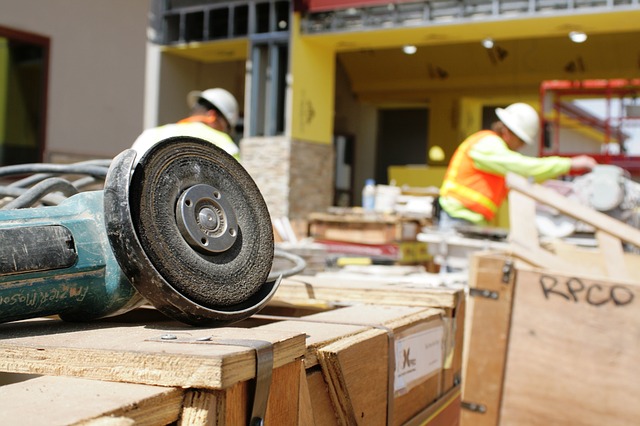
When the project is finished, it belongs to the client, it belongs to whoever owns the land. In the meantime, there’s a lot of shared risk. If a hurricane blows the whole jobsite into the sea, the client is out whatever you’ve spent on construction materials, but the builder could be out of a job if there’s no builder’s risk policy in place to recover the losses.
The builder does the work, the client finances the project, and until it’s finished, you’re in this together, sharing the risks associated with building something. Their project and your job are both on the line.
So who buys the builder’s risk insurance?
Many contractors insist on the client making the purchase. It’s the client that collects the payout on the claim, it’s the client who will own the finished property, and all the material on the site has been purchased with funds allocated by the client. This is the simplest, easiest solution. Anyways, if the builder is expected to buy the policy, then they’re probably going to weigh that into the budgeting process, essentially requiring the client to foot the bill either way.
On the other hand, buying the policy yourself, as a builder, can help to protect you against certain circumstance. Suppose, for instance, that disaster strikes, and it kills the client’s enthusiasm for the project. They recoup their losses, and leave you out of a job. Furthermore, a builder may simply be more familiar with the ins and outs of insuring a construction project. If you’re working with someone who is new to the process or someone who just wants a home built and isn’t interested in becoming a real estate mogul, then it may make more sense to handle all the red tape for them.
You’re generally going to have to provide proof of builder’s risk coverage on most major projects, and if you already know how to do that, it’s a lot easier than telling someone where to go to get these papers stamped, who to call for a fair price on the policy, how much coverage to buy and so on.
Ultimately it depends on the project. If the client is trustworthy and experienced in these matters, then you may want to let them handle it. Otherwise, you can streamline the process and get to work much quicker by buying the policy yourself rather than walking an inexperienced client through it.
Read more
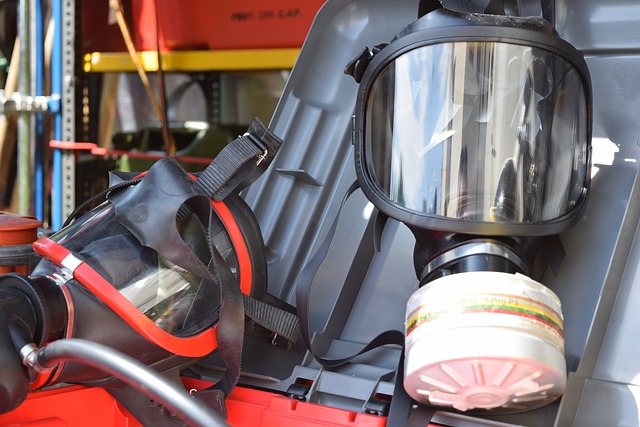
Choosing the right respirator relevant to the nature of the employment is critical to a worker’s safety. Exposure to different hazards means that not just any respirator will suffice.
Two main classes of respirators are available:
Air-Purifying Respirators (APR)
These respirators are designed to filter air borne contaminants such as fumes or noxious dust. Other forms of APR models use a canister or cartridge containing a material that absorbs the contaminants.
APRs are tight fitting to the face and have different designs. These designs include particulate respirators, powered air-purifying respirator (PAPR), gas masks and chemical cartridge respirators. They come in four different designs, including:
Full Face Piece
Fully covers the face from underneath the chin to an area above the eyes. This feature provides added protection to the eyes, especially from chemical irritants.
Half-Face Mmask
Gives protection from beneath the chin to and including the nostrils.
Quarter-Mask – Protects the Mouth and Nose.
Mouth bit respirator – Normally used for escaping a hazardous situation only. Contains a bit which is inserted into the mouth and nose clip to seal the nostrils closed.
Supplied-air respirator (SAR)
These respirators provide breathable air via an air line or a compressed work tank. SARs come in two different types. The first has a loose fitting respiratory inlet, such as a helmet or a hood which envelopes both the neck and head, that is supplied purified air through airlines. This type may have face pieces which fit loosely.
The other form of SAR has either a half or full face piece and has very snug respiratory inlets.
Choosing the Most Suitable Respirator
Selecting the most suitable respirator must be performed by an expert, such as a safety professional. The expert will consider the appropriate apparatus only after they have identified and evaluated the potential respiratory hazard and considered the relative limitations of the respiratory apparatus for the situation.
Key Questions to Ask
Here are some factors an employer should consider when determining whether a respirator may be required:
Establish the existence of a hazard by considering warnings about the material, like its chemical components or the nature of the particulates that might be released through the work performed.
Determine whether there is limited oxygen present.
Is the hazard airborne such as a particulate, fume, or vapor?
Ask whether the respirator will be used for an emergency or in combating fires.
Evaluate whether the work is strenuous and will be performed in hazardous atmospheric circumstances.
Is there any agent present which might be possibly fatal, carcinogenic, skin absorbable or acts as an irritant?
Will the work be conducted in a confined space or will the worker be exposed to abnormal temperatures?
The key is that respirators should be used to suit the work. The proper choice of respirator is vital to the health and safety of workers in many types of employment.
Read more

Why is job safety and health important?
In 2013, 4,585 employees died from occupational incidents, and there were a staggering 3.0 million total recordable cases of workplace injury and illness.
On average, each of these 3.0 million cases required eight days away from work, which means U.S. employers as a whole paid for millions of days of lost work time. Experts estimate that workplace injuries and illnesses cost U.S. businesses more than $125 billion annually. Effective job safety and health programs not only help reduce worker injuries and illnesses, they save employers money in the long run.
How does OSHA contribute to job safety and health?
The primary goal of the Occupational Safety and Health Administration (OSHA) is to carry out the Occupational Safety and Health Act (OSH Act), which Congress originally passed in 1970. The OSH Act has undergone several amendments and revisions since its inception, but it is still in place “to assure so far as possible every working man and woman in the Nation safe and healthful working conditions and to preserve our human resources.” OSHA contributes to job safety and health by enacting regulations that forward this ideal.
Title 29 of the Code of Federal Regulations (CFR), Parts 1902-1990, houses all the OSHA standards, though OSHA also allows states to enact occupational safety and health laws of their own under federally-approved plans. State-run programs are at least as strict, and sometimes more so, than federal standards. This ensures a minimum standard of job safety and health that all employers must follow to protect employees.
Are all employees covered by the OSH Act?
The OSH Act covers all employees except public employees in state and local governments and those who are self-employed. Public employees in state and local governments are covered by their state’s OSHA-approved plan, if applicable.
Federal employees are covered under the OSH Act’s federal employee occupational safety and health programs, which are outlined in 29 CFR Part 1960. United States Postal Service employees, however, are subject to the same OSH Act coverage provisions as those in the private sector.
Other federal agencies that have issued requirements affecting job safety or health include the Mine Safety and Health Administration (MSHA) and some agencies of the Department of Transportation (DOT), including the Federal Motor Carrier Safety Administration (FMCSA). Employees in these industries are subject to their respective regulations.
Additionally, businesses in the retail, service, finance, insurance and real estate sectors that are classified as low-hazard are exempt from most OSHA requirements, as are small businesses with 10 or fewer employees. Exceptions are discussed in 29 CFR Part 1904, which also explains which OSHA regulations exempt employers are still required to follow.
What are your responsibilities as an employer?
If you are an employer covered by the OSH Act, you must provide your employees with jobs and a place of employment free from recognized hazards that are causing, or are likely to cause, death or serious physical harm. You must also comply with the OSHA statutory requirements, standards and regulations that require you to:
- Provide well-maintained tools and equipment, including appropriate personal protective equipment (PPE)
- Provide medical assistance and guidance for employees sustaining workplace injuries/illnesses
- Provide required OSHA training
- Report accidents that result in fatalities to OSHA within eight hours
- Report accidents that result in the hospitalization of three or more employees to OSHA within eight hours
- Keep records of work-related accidents, injuries, illnesses and their causes
- Post annual injury/illness summaries for the required period of time
What are your rights as an employer?
When working with OSHA, you may do the following:
- Request identification from OSHA compliance officers
- Request an inspection warrant
- Receive a reason for inspection from compliance officers
- Have an opening and closing conference with compliance officers
- Accompany compliance officers on inspections
- Request an informal conference after an inspection
- File a notice of contest to citations or proposed penalties
- Apply for a variance from a standard’s requirements under certain circumstances
- Be assured of the confidentiality of trade secrets
- Submit a written request to the National Institute for Occupational Safety and Health (NIOSH) for information on potentially toxic substances in your workplace
What are employees’ responsibilities?
All employees are obligated to help prevent exposure to workplace safety and health hazards by becoming familiar with and adhering to all applicable OSHA requirements.
What are employees’ rights?
With regards to OSHA regulations, employees have the right, among other actions, to:
- Review employer-provided OSHA standards, regulations and requirements
- Request information from the employer on emergency procedures
- Receive adequate, OSHA-required safety and health training on toxic substances and emergency action plan(s)
- Ask the OSHA area director to investigate hazardous conditions or violations of standards in the workplace
- Have his or her name withheld from the employer when filing a complaint with OSHA
- Know what actions OSHA took as a result of the employee’s complaint and have an informal review of any decision not to inspect or issue a citation
- Have an employee representative accompany the OSHA compliance officer on inspections
- Observe monitoring and measuring of toxic substances or harmful physical agents and review related records (including medical records)
- Review the Log of Work-Related Injuries and Illnesses (OSHA 300 Form), if applicable, at a reasonable time
- Request a closing discussion following an inspection
- Object a citation’s set abatement period
- Seek safe and healthful working conditions without your employer retaliation
Why is OSHA important to your business?
OSHA plays a key role in making your facility a safe, healthy place to work. Beyond providing the tools and guidance to work toward an injury- and illness-free workplace, OSHA is important in identifying businesses that are not committed to safety. Employers that do not carefully follow OSHA regulations often face hundreds of thousands, if not millions, of dollars in fines.
How can you get more information on safety and health?
OSHA provides free publications, standards, technical assistance and compliance tools to help you understand the nuances of the regulations. OSHA’s website also offers extensive assistance by way of workplace consultation, voluntary protection programs, grants, strategic partnerships, state plans, training and education to guide you in your quest for workplace safety. To learn more about OSHA and the critical elements of a successful safety and health management system in your workplace, visit www.osha.gov.
This document is an introductory guideline. It does not address all potential compliance issues with OSHA standards. It is not meant to be exhaustive or construed as legal advice. Contact your licensed commercial property and casualty representative at Scurich Insurance or legal counsel to address applicable compliance requirements. © 2009-2012, 2015 Zywave, Inc. All rights reserved.
Read more
If you rely on government contracts for your work, then you probably have some questions about the federal hiring freeze. Namely: Is it good or bad for contractors?
The answer: it remains to be seen, but probably not. It may well turn out to be a boon for contractors. Bridges still need to be built, and by freezing the hiring of salaried government employees, the government will be forced to find somebody to put the work in, and more often than not, that’s going to be contractors.
Furthermore, a lot of the work that we do in government contracting is not federal work, rather, we’re being hired by cities, by the state department and so on. We’re being paid on state funds to do state work, rather than being hired for federal work by the federal government. The federal government does pay for construction work as needed, of course, but most contractors are not waiting for these jobs. Most contractors are working locally, and being paid by local government.
Additionally, the executive order putting a freeze on federal hiring comes with a lot of exceptions. Just to name a few examples, the freeze does not apply to the post office, industry exchange programs, intelligence agencies, or seasonal employment. The list of exceptions is only getting longer every day, as these exceptions have been clarified over time.
Finally, while President Trump has issued a statement saying that government organizations shall not be permitted to use contractors to work around federal hiring freezes, this statement was issued in a memo, not in binding law.
At some point in the future, the federal hiring freeze may extend to contractors, but for the time being, it may actually be giving contractors greater bargaining power. A year ago, a government contractor was usually being pursued for one of two reasons: Either they possess specialized knowledge, training or abilities that the government is in need of, such as underwater welding, or they’re cheaper than paying a salaried, year-round government employee. Now, government contractors will be the first choice, over federal employees, for many jobs, creating more opportunities for contractors, and, in many instances, allowing contractors to command a higher rate of pay.
Whether or not you agree with President Trump’s attempt to curb government spending via the federal hiring freeze, the bottom line is that, at least for the time being, it’s nothing for government-contracted workers to worry about.
Read more
