With the upcoming holidays, your house is going to be filled with guests. Is your pantry filled and your bathroom clean? Even more importantly, update your home insurance policy as you prepare to welcome guests to your home for the holidays.
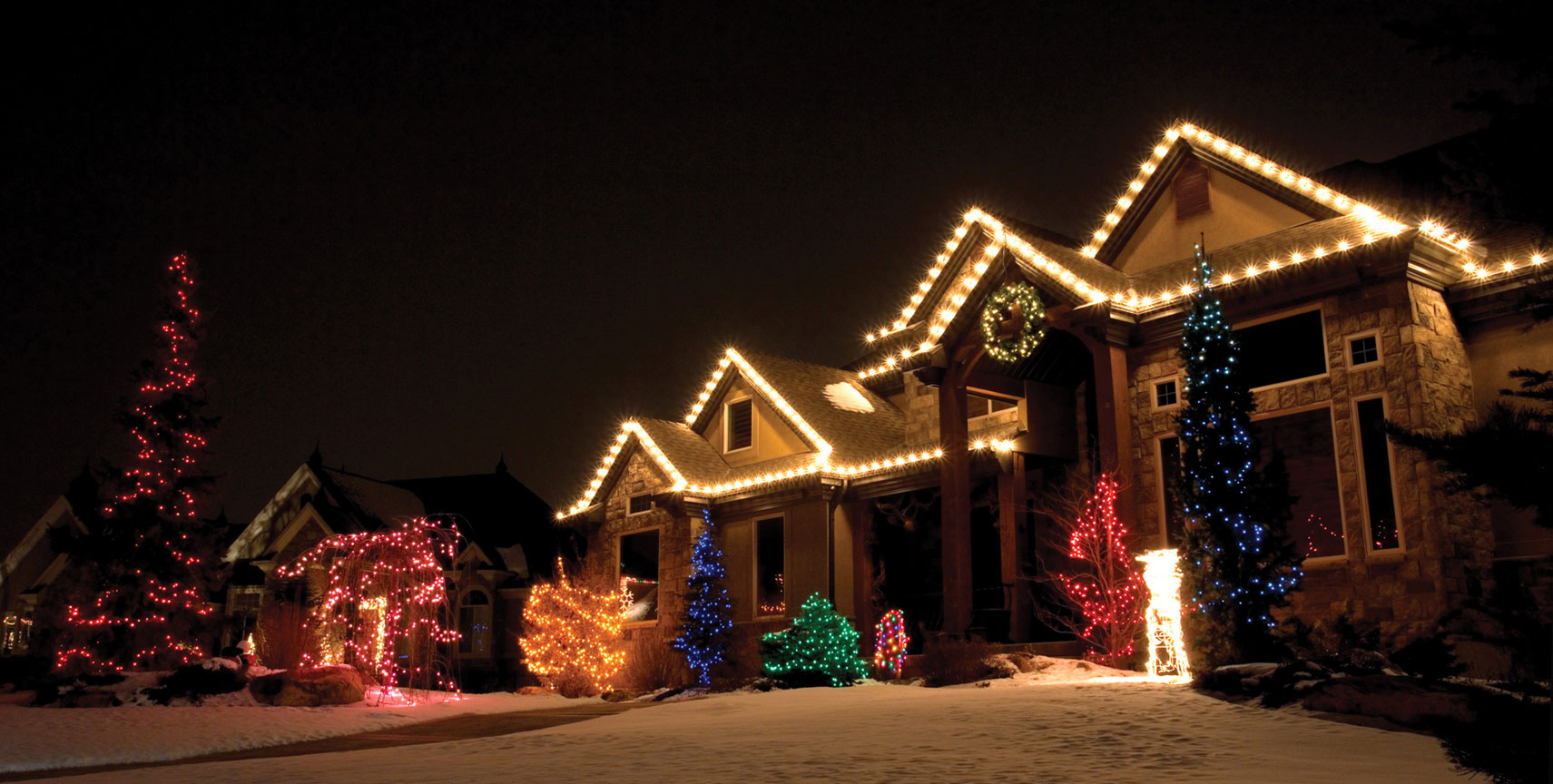 What Does Homeowner’s Insurance Cover?
Most homeowners buy insurance to cover property damages from storms or accidents. It also covers personal property that’s lost, damaged or stolen. Plus, homeowner’s insurance pays for medical treatment or lawsuits associated with injuries people sustain while visiting you.
Make Sure you Have Enough Liability Coverage
You don’t expect accidents to happen in your house, but a visitor could trip over frayed carpet, get food poisoning or fall off the backyard trampoline. Or maybe the traditional Thanksgiving day football game gets rough, and your cousin’s expensive watch breaks, a seasonal storm blows a branch on your friend’s vehicle or the toilet overflows on your uncle’s expensive leather shoes. These injuries and damages are all examples of accidents that liability insurance covers.
Increase Your Coverage Limit
To ensure you have enough liability coverage, check out your policy and talk to your insurance agent. Most policies include a liability coverage limit of $100,000, but you should consider increasing that limit to $300,000 or even $500,000. An accident that affects more than one guest could quickly use up that coverage and leave you with a big bill. The increased coverage limit ensures everyone can receive medical treatment, and it reduces your out-of-pocket expenses if you’re sued.
Buy an Umbrella Policy
An umbrella policy is another insurance product to consider. It adds additional coverage that could be very beneficial as you entertain guests this holiday season.
Because you plan to host holiday guests this year, do more than stock the pantry and clean the bathroom. Update your homeowner’s insurance policy. It gives you peace of mind and prepares you for anything that might happen.
Read more
 Are you planning to welcome trick or treaters to your home this month? Follow these steps that prepare your property for safe Halloween fun.
1. Clean your walkways.
Jack-o-lanterns are cute, but they are also tripping hazards. Remove decorations and all clutter or debris such as toys, yard tools or twigs from your sidewalks, steps and walkways.
2. Clear the yard.
Ideally, kids will stay on the walkway and front porch as they retrieve their candy. However, you will want to clear your yard so curious and excited kids don’t trip on any toys, branches or yard tools.
3. Repair broken sidewalks and steps.
Inspect your entryway and steps carefully. Then repair any broken stepping stones, loose railings or other hazards.
4. Install lighting.
Your front porch light is turned on to welcome trick or treaters, but you may also need additional lighting to ensure safety. Solar-powered walkway lights or a string of lights can illuminate your walkway and porch.
5. Change your location.
Instead of making kids walk up your long driveway or steep steps, stand or sit in a location that’s easy for them to access.
6. Lock doors and windows.
On trick or treat night, your attention is focused on your front door. Lock all the other doors and windows in your house so no one can gain access to your home while you’re out front. Remember to lock your garage and car, too.
7. Secure valuables.
Move your grill, mower and other valuables to the shed or another secure location. With this tip, you prevent potential burglars from adding your home to their future target list.
8. Protect your pets.
Some kids are scared of animals. Also, pets can become startled and bolt or bite when they see strange costumes or dozens of noisy kids. Always secure your pets so they and the kids are safe.
9. Extinguish candles.
Open flames pose a fire hazard. As an alternative, try battery-powered bulbs, or install Halloween-themed covers on your flashlights.
10. Consider allergies when choosing candy.
Many kids are allergic to nuts or dairy. Place a teal pumpkin on your step to show trick or treaters that you offer safe alternatives like books, stickers or toys.
11. Update your property and homeowners’ insurance policies. 🙂
Despite your best efforts to promote safety, someone could be injured while on your property. Be sure your property and homeowners’ insurance policies are updated and include adequate coverage.
Trick or treating is a fun family activity. As you give out treats this year, follow these 11 safety tips. They secure your property and reduce your liability risks.
Read more
 Renting a house saves you big bucks on vacation since it’s usually cheaper per night than a hotel. Plus, you have amenities like a washer and dryer, kitchen, full bath and maybe even a large backyard. That doesn’t mean, though, that your vacation home is perfect. Like any home, it’s susceptible to thieves, weather damage or other problems.
You might want to invest in insurance coverage as you rent a vacation home this summer.
Make Sure the Landlord has Property Insurance
You don’t plan to go on vacation and have a terrible time, but accidents, bad weather and mistakes happen. Who will pay the bill if the home’s rotted stair railing fails and sends you tumbling off the steps and into the ER? Can you afford to replace an antique vase you or one of your kids accidentally breaks?
In most cases, the landlord’s insurance will cover these accidents. Always ask if the home is covered before you sign a rental agreement, though, to ensure you’re not left covering the bill that should be the vacation home owner’s responsibility.
Make Sure you Have Insurance
Most homeowner and renters insurance policies cover your belongings if they’re lost, stolen or damaged. This coverage applies whether you’re in your home, at school or at vacation.
It’s a good idea to double check your policy before you travel. Add additional coverage if necessary to ensure you are indeed covered for every possible scenario. Ensure the policy is current and paid in full, too. You don’t want to file a claim while on vacation and discover that your coverage lapsed.
Renting a house can be an affordable, comfortable and fun part of your next vacation. Before you sign a lease agreement, make sure the home and your possessions are insured. The peace of mind helps you truly relax and unwind no matter where your vacation takes you.
Read more
 Labor Day is coming soon — which means that you might have children who will be heading off, or back, to college soon. Together with the many lifestyle changes that they (and you) will be making in this time of transition, remember that it’s also important to give your insurance a tune-up.
A recent industry report recommends considering these types of insurance when Johnny or Sally leaves the nest:
- Auto: Your family coverage will cost less if your student doesn’t take a car. Also, if your child keeps a B average or higher, you might receive a discount.
- Housing: If the child happens to live in a dormitory, your Homeowners insurance might protect them.
- Health: Your child is eligible to receive health benefits through your plan — as long as they’re unmarried, remain in school full time, and are younger than 26 (under the Affordable Care Act) Once they exceed this age, you’ll need to obtain coverage for them from your employer.
These are general guidelines, so please consult with us to make sure you have the right protection at the best possible price. Even if your child already is at school, give us a call and we can make adjustments if needed.
Read more
 There are those that negotiate for the most reasonable deal possible and those that negotiate for the sake of negotiating. Sellers and buyers alike need to realize that the best deal possible is one where both get what they want in the deal.
This isn’t necessarily an easy point to arrive at and is often a lesson in patience. In real estate, there’s something called the X-factor – a potential home buyer spends countless hours viewing properties until they finally find their perfect home. Instead of making an offer based on what the value of the home is to them and what comparable prices are, they immediately start to ponder how much less they should offer than whatever the asking price might be.
Sorry, but there isn’t some tacit X-factor percentage that should just automatically be subtracted from all listing prices. Home owners are more often than not just as eager to sell as the buyer is to buy. If so, the price of the home is usually realistically priced and priced closely to its comps.
Still, the quest for a deal spurs many to start with a low-ball offer that’s not only unrealistic, but often insulting to the seller. If the seller is offended, negotiations usually die before they’ve ever begun. So, any serious buyer shouldn’t have some magic automatic deduction from an asking price in their head. Look at the comps in the area and determine what the value of the home is for you based on how congruent it is to the needs and desires of your family.
How a purchasing price is arrived at for both owner and buyer is a very personal process. When accepting an offer, a buyer considers how fast they need to sell the home, how bad they need to sell the home, pressures from having already purchasing a replacement home, what is owed on the home, and so forth.
On the other hand, two potential buyers can look at the very same property and come up with two very different personal values for the home, depending on how congruent it is with each of their needs, the location of the home, appeal of the home, amenities, school system, and so forth. Aside from personal value, buyers and sellers must also look at the how much a lender will lend on the home based on it appraisal.
Price isn’t the only thing negotiated during the sale of a home. There’s also time lines, what will stay and go from the home, and who will pay for any problems found upon professional inspection. The most important thing for buyers and sellers to remember is that negotiating isn’t about one side getting everything they desire; it’s a give-and-take process of compromise.
To avoid a winner-take-all complex from forming, buyers and sellers should both have a list of top priorities prior to starting any negotiations. As new issues arise during the process, priorities might need to be re-evaluated to see if the priority is truly a must have for the home to change hands.
Many problems, such as fees and repairs, often can be solved by the buyer and seller meeting in the middle. Agreeing to split the costs evenly can be a much better option than wasting time and money to negotiate for weeks. For example, a seller that will pay another mortgage payment because of the additional time spent negotiating might actually find it cheaper to pay half the cost of a minor repair and close the deal before the next note is due.
Sometimes there are legitimate deal breakers. If so, then it just wasn’t the best option for the parties involved. But, before giving up, do try mulling over the troubling aspect of the negotiation for a few days. You can move on to the other areas of the negotiation. If everything else is agreed on, then there may be more encouragement to compromise on the problematic area.
Read more
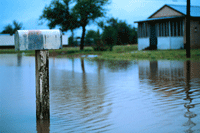 Don’t wait until the weather forecast calls for prolonged heavy rains before buying flood insurance. While this practical insurance can be purchased anytime, the policy does not take effect for 30 days. As the most common natural disaster in the country, flooding ruins millions of dollars of homes and property every year. Even so, flooding is not commonly covered in your typical homeowner’s insurance policy, making it necessary to purchase additional coverage for this costly, devastating disaster.
If you are in a high-risk flood zone, a federally regulated lender will require a would-be borrower to buy flood insurance in order to qualify for a mortgage loan. To satisfy the lender, flood insurance must be purchased in an amount that sufficiently covers the loan.
A homeowner should also buy flood insurance if he or she resides in a flood plain with no fail-safe controls, such as a dam. Flood policies even pay off if the President does not declare the area a federal disaster area, which can prove to be invaluable. Because the nation’s Chief Executive Officer rarely issues such a declaration, protecting yourself is extremely important. Besides, you have to repay the federal aid you receive for home repairs related to a natural disaster so providing your own protection is the only way to ensure financial recovery suffered from flooding.
Not all homes qualify for flood coverage. For instance, flood insurance for beachfront or ocean-side property may not be available for the obvious reasons.
The Federal Emergency Management Association (FEMA) reports that more than 20,000 communities have agreed to tighter zoning and building measures to control floods. Residents of these communities can buy flood coverage from the National Flood Insurance Program (NFIP), which FEMA oversees. As of 2009, NFIP had 5.7 million flood policies inforce nationwide.
Premiums for flood insurance vary widely, depending primarily on individual risk. In determining price, flood insurance underwriters consider several factors including the property’s elevation, proximity to bodies of water, and whether the dwelling has a basement. Flood insurance is available to homeowners, renters, condo owners/renters, and commercial owners/renters.
Call our office today! We’d be happy to assist you through the murky waters.
Read more
