 As you get ready to bundle up for winter, consider prepping your home, too. Several tips ensure it is protected and comfortable all season.
Inspect and Clean the Chimney
Whether you have a fireplace or wood stove, the chimney needs to be professionally cleaned and inspected. Remove any debris or creosote buildup, and repair any cracks or chips before you start your first fire of the season.
Change the Furnace Filter
Dust and other debris can compromise your furnace filter’s ability to do its job. Improve your furnace’s functionality and longevity when you change the filter this fall.
Install Detectors
Smoke detectors and carbon monoxide detectors are essential in your home year round but especially during the winter months. Install these detectors on each floor, and test them at least once a month.
Repair the Roof
By repairing roof leaks and loose shingles now, you prevent damaging leaks and expensive emergency repairs.
Trim Trees
High winds can blow tree branches into your home and cause extensive damage. Trim branches now as you protect your home.
Boost Insulation
An extra layer of insulation goes a long way towards keeping your home cozy. Consider insulating the hot water tank and water lines along your home’s exterior walls. You can also insulate the attic, basement, exterior walls, crawlspaces and outlets as you prepare your house for winter weather.
Apply Weatherproofing Materials
Windows and doors can be a major source of drafts and lost heat. Apply caulk or weather-stripping material to improve your comfort and reduce heating expenses. For even bigger savings, install insulated doors and thermal-pane or storm windows.
Stock an Emergency Kit
Power outages are common when heavy storms hit your area. Be prepared with an emergency kit. It can include items like extra non-perishable food, a manual can opener, bottled water, first aid kit, battery-powered radio, blankets, flashlight, batteries, hand sanitizer, portable toilet and activities.
Preparing your home for winter protects your investment. In addition to implementing these tips, ensure your home insurance is adequate. Then sit back and enjoy the season in comfort.
Read more
 The holiday season is here, and it’s time to celebrate. As you prepare your home, follow several safety tips that help your holiday season be merry and bright.
Indoor Decorations
Miniature houses, ceramic reindeer and scented candles add a festive dimension to your home during the holiday season. Be sure to keep fragile items away from the edge of tables or mantles and out of small children’s reaches. Extinguish any candles before bedtime or leaving the house, too.
Christmas Tree
A traditional symbol of the holiday, your Christmas tree looks pretty as its light twinkle. Keep your family safe when you secure the tree into a sturdy stand. Water your real tree regularly or choose a fire-resistant artificial tree to prevent a fire. If you use lights, don’t use frayed strands, hide the light power chord under a rug to reduce the tripping hazard and unplug the lights before you leave the house or go to bed. Remember to hang ornaments out of reach or place a baby gate around the tree, too, to protect children and pets.
Gifts
Share joy this holiday season when you give gifts to your loved ones. Remember to keep all gift wrapping supplies away from pets that may eat shiny ribbons and get sick. Also, purchase adequate insurance for jewelry, art and other expensive gifts. To prevent thieves from stealing your holiday joy, hide gifts until Christmas morning, secure your house with a security system and keep the windows and doors locked.
Outdoor Decorations
Whether you go all out when decorating your house and lawn or simply hang a wreath on the door, follow outdoor decoration safety. Always use a ladder to hang lights on your house. Don’t overload electrical outlets, either. As a rule, connect only three outdoor extension cords together in one strand.
Visitor Prep
Welcoming visitors is part of the season’s fun. Clear the walkways of ice and debris before guests arrive. Consider installing extra lighting, too, to prevent falls and trips. When preparing food, follow food safety guidelines. Store fresh foods at the correct temperature, cook foods thoroughly and place leftovers promptly into the fridge.
The holiday season is a joyous time of celebration. Follow these safety tips as you decorate your home and welcome guests. Contact your insurance agent, too, to update your home insurance policy and insure all your gifts.
Read more
 With slips, trips and, falls remaining one of the top causes of workers compensation claims, safety experts stress the need for preventive measures and ergonomic workplace design.
Such accidents need particular attention in nonindustrial environments where employers often install terrazzo or marble floors that can be dangerous to walk on.
According to the U.S. Bureau of Labor Statistics, same- level slips, trips and falls (in which workers slip and fall on the surface where they’re standing) accounted for 134,580 lost workdays and 111 deaths in 2011. The number of same-level falls increased 42.3% from 1998 to 2010, the highest growth of any accident type during this period. These mishaps are costly, in 2010, Liberty Mutual a a leading workers comp insurance company, paid $8.61 billion in same-level fall comp claims.
Implementing safety measures such as, cleaning spilled liquids promptly and placing floor mats on smooth flooring will help prevent workplace injury. Reviewing injury records to find trends will help determine additional safety measures to implement in the workplace. Many businesses are replacing surfaces that contribute to these mishaps which is a highly cost effective investment that can curb expensive litigation and workers comp liabilities.
Although these precautions have prevented thousands of slip-and-fall accidents, the risk will remain a problem until employers work with design professionals to create ergonomically friendly safe buildings. The National Institute of Occupational Safety and Health (NIOSH) is sponsoring a “Prevention Through Design” initiative to address ways that architects and engineers can get involved in designing safer workplaces (for example, by training college engineering and architecture students about safety and ergonomic considerations).
Our workers comp specialists would be happy to check your business for slip and fall hazards and recommend steps to help keep your staff and visitors from slipping.
Read more
 If your employees slip up in using personal protective equipment, the results can be dangerous, if not deadly.
Among many health and safety professionals, PPE comes in last place—behind engineering controls and work practice or administrative controls – because it only addresses hazards indirectly and has the most potential failure points.
One of these potential points involves interaction between the worker and equipment, when employees make critical mistakes in the care, use, and replacement of PPE.
- Mistake No. 1: Improper care. For example, a worker takes her foam earplugs out to consult with another worker about a problem, and then rolls the earplugs again with dirty hands before reinserting them. At the end of the day, she leaves the earplugs inside her hard hat and re-uses them the next workday.
- Mistake No. 2: Misuse. A worker wearing a fall protection harness leaves the harness loose, but pulls the lanyard tight. Another worker who uses a respirator at work decides to grow a beard.
- Mistake Number 3: Failure to replace PPE as needed. Let’s say that a supervisor whose workers are supposed to use a new pair of chemical protective gloves each day, decides he will save his department money by telling workers to use each pair of gloves for a week before replacing them. After all, they still look fine after a week. Equipment should be changed 1) after each shift, it it’s disposable (gloves protective clothing, etc.). 2) whenever it shows signs of wear and tear or damage. 3) on schedule, if it’s reusable and must be replaced before exceeding its useful life. and 4) after a save, for single-use PPE, such as hardhats, fall protection harnesses and lanyards.
A word to the wise …
Read more

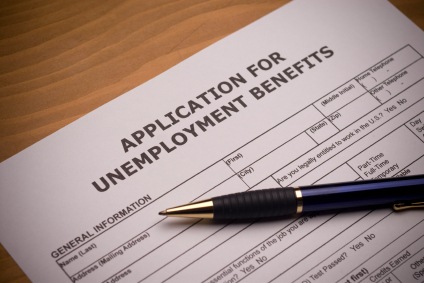 Most employers have to carry unemployment insurance on their employees. Do you really understand, though, when you can use your unemployment insurance benefits? Knowing the answer to this question can help you make important decisions about using this coverage.
What is Unemployment Insurance?
Unemployment Insurance is designed to help you cover expenses when you’re between jobs. It usually gives you a percentage of your working wages rather than a full paycheck.
Unemployment laws also vary by state. Although they follow guidelines from the federal government, each state’s Department of Labor determines how much coverage workers get when they file for unemployment.
Who’s Eligible to Collect Unemployment Benefits?
If you’ve been laid off or fired and are not at fault, you may qualify for unemployment. You will generally be disqualified from receiving unemployment, though, if you:
*Quit without having a good cause,
*Are fired for misconduct,
*Resign because of illness,
*Become involved in a labor dispute or
*Leave to get married or attend school.
What are Unemployment Insurance Limits?
Most states allow you to receive unemployment benefits for up to 26 weeks. In cases, you may be eligible for extensions based on federal guidelines or your state’s unemployment rates.
When Should You File?
As soon as you’re laid off or let go from your job, file for unemployment. It often takes two to three weeks for benefits to start, so a delay in filing means a delay in receiving benefits.
Also, realize that unemployment is not a free ride. While you can use the money to pay any expenses, you typically have to prove that you’re looking for employment to receive ongoing benefits. You’ll also have to report any hours you worked.
Unemployment insurance gives you some financial assistance if you lose your job.
Don’t quit and expect to be compensated, though. Discuss this coverage with your employer, insurance company or Department of Labor if you need further clarification.
Read more
 No matter how old you are, retirement will be here sooner than you think. Your employer can help you prepare for this season of life. As you decide if you should transfer existing 401(k) funds into a Roth 401(k), consider your tax preferences.
When You Pay Taxes Matters
Most investment strategists typically recommend that consumers like you invest pre-tax money in their retirement accounts. That means you deposit funds into your retirement account before you pay taxes on the cash. Traditional 401(k)s work this way and allow you to pay taxes on the money you withdraw during retirement.
Open a Roth 401(k), and you’ll be depositing cash that’s already been taxed. When you’re ready to retire, the only taxes you pay are on the profits your investment earned.
You Choose the Option You Prefer
Ultimately, the choice of whether to stick with a traditional 401(k) or transfer to a Roth 401(k) is up to you. After all, it’s your money and your future. Your current and future tax brackets are invaluable tools that can help you decide what to do.
*If your current tax bracket is fairly high and you expect it to decrease once you enter retirement age, stick with your traditional 401(k).
*If you expect to be in a higher tax bracket during retirement or are you a young worker who’s just starting out in your career, the Roth 401(k) is a wise choice. It lets you pay taxes on your investment now when you have more disposable income.
Are you ready to make a decision about whether or not choosing a Roth 401(k) is right for you? Then, talk to your company’s human resources department. Find out if the new Roth 401(k) is available and clarify any questions you might have about retirement investing. With this information, you ensure your retirement account wishes are put into practice as you prepare for the future.
Read more
