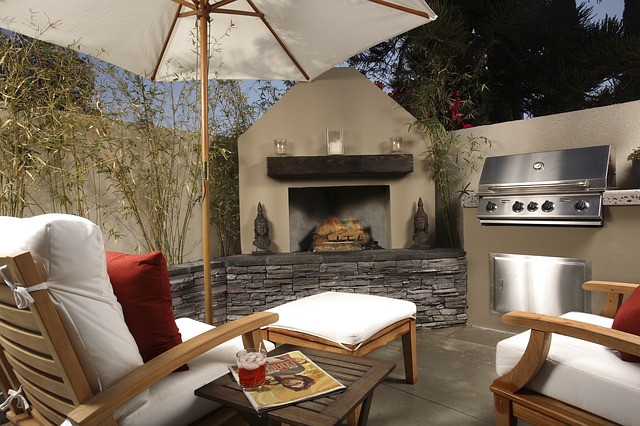
 Homes take a beating on the outside, from wind, rain, sun, insects and snow. Summer gives you a chance to repair damage, protect your home and keep its face to the world looking bright.
Home maintenance is like housework, flossing and exercise: You might as well work it into your routine, because the penalties are worse than the jobs themselves.
Here’s just one example: Cleaning the gutters costs nothing if you do it yourself, and roughly $100 to $200 if you hire a service. Ignore the job, though, and a ruined roof or damaged foundation could cost you thousands or tens of thousands of dollars to repair. Here’s why:
Leaky or overflowing gutters can rot fascia boards (the roof edge under the gutters), soffits and rafters.
Water may drip onto window trim, rotting it.
Leaky gutters let water pool at the foundation, causing basement leaks, mold and even foundation damage.
1. Paint
Fresh paint doesn’t just make your home look great. It’s a protective skin against UV light and moisture.
Earth911 tells where to get free paint:
Many household hazardous waste (HHW) facilities around the country have product exchange rooms, sometimes called swap rooms or swap shops. These rooms offer safe, unopened HHW items for public consumption, keeping them out of the landfill and letting you save some money.
Call your city to ask about your local HHW facility. Other sources for cheap paint:
- Habitat for Humanity’s ReStores (find one near you) sell “gently used” tools and supplies for home projects at low cost.
- See EcoBusinessLinks’ national directory of recycled and surplus building materials and suppliers.
- Search online for a city’s name and “salvaged building supplies” or “recycled building materials.”
2. Mulch
Laying a 1- to 3-inch layer of mulch on garden beds spares a lot of weeding. Mulch smothers weeds by depriving them of oxygen and light and it holds moisture in the soil, saving water and giving plants a consistent source of moisture.
Mulch includes many materials placed on the ground to prevent weeds from growing, including rocks, gravel and plastic. Leaves, grass clippings and tree bark are organic materials most often used on garden beds. Hay and straw also are used in vegetable gardens. Organic mulch breaks down into nutrients that feed plants.
Be careful in vegetable gardens to avoid mulch with pesticides, herbicides or other garden chemicals. Also, used incorrectly, mulch can damage or kill trees and ornamental plants by depriving them of oxygen, so leave a 3- to 5-inch space around stems of younger plants and give mature tree trunks eight to 12 inches. North Carolina State University’s Cooperative Extension Service explains how to safely use mulch.
Free or cheap sources of mulch:
- Grass clippings. Let them cool down before mulching.
- Raked leaves. Shred first with a shredder or lawn mower so air and moisture can reach the soil beneath.
- Shredded wood or bark. Electric utility companies and tree services may have cheap or free wood chips or shredded bark. Also, some cities collect leaves and branches, chipping them for use by local residents.
- Cardboard. Ask recycling centers and appliance stores for free cardboard. Wet it down, cut it to fit and place it around plants, covering with soil or bark mulch. This is best in wet climates where cardboard breaks down into the soil. WikiHow gives instructions on using cardboard and has more ideas for cheap mulch.
3. Seal wood decks
The cheap way to approach this job is to do it yourself. It’s not difficult, although it’s nice to have help. You’ll spend a couple hundred dollars on supplies and rented tools. Do it annually or every two to three years, depending where you live. Ignore the job long enough and you’ll need to replace the deck, at a cost of thousands of dollars.
Read the entire article here.
Read more at http://www.moneytalksnews.com/2014/06/02/12-cheap-and-easy-summer-home-projects/#4f2LmYs5xjDE2Rbw.99
Read more
 Summer is right around the corner, and with it comes a parade of graduations, barbecues, holidays and other gatherings with family and friends. Although summer parties are a source of excitement for most people, these get-togethers can also raise the risk of expensive liability claims. Whether you are throwing a birthday party or hosting a Father’s Day picnic at your home, you never know when an accident could occur. As more people enter your home, the risk of someone sustaining an injury on your property increases dramatically. For example, if you are operating a grill during a summer barbecue, your guests could be burnt accidentally. Likewise, if you own a pool, guests could injure themselves diving in, or they could slip and fall on the wet ground next to the pool. If someone sustains an injury on your property, they may file a lawsuit against you in order to recover medical expenses and/or lost wages related to the injury. If you don’t have enough homeowners insurance coverage to pay the damages awarded to the individual in court, you will be forced to come up with the money on your own, which can lead to serious financial problems. In some cases, a large liability settlement could even require you to file bankruptcy or sell your home and other valuable assets in order to pay the amount you owe. If you are planning to host any parties this summer, review your homeowners insurance policy before you send out the invitations to ensure that you have the proper amount of liability coverage. If you discover that your coverage is lacking, consider investing in additional coverage to protect yourself against loss. If you aren’t sure whether your policy provides sufficient coverage, consult our office for guidance.
Read more
 To be in business means to sign contracts – and every one of those contracts requires that you agree to provide some guarantee. A common question is “will my insurance back me up on those guarantees?”
The answer can be complicated. For one thing, it’s essential to determine if the contract is one of the types that your Liability coverage specifies as an “insured contract.” Although other policy provisions can also apply (such as exclusions and limitations), if a particular contract isn’t considered an “insured contract,” look no further – your policy won’t apply.
Standard Commercial Liability policies usually define “insured contracts” to include:
- Leases.
- Sidetrack agreements (made with a railroad if you have tracks crossing your property).
- Easement or license agreements.
- Obligations required by ordinance to indemnify a municipality.
- Elevator maintenance agreements.
Almost all Liability policies also include a broader provision that covers contracts under which your businesses assume the “tort liability” of another party for bodily injury or property damage. “Tort liability” is defined as liability that would exist in the absence of a contract or agreement. In other words, the liability you’re assuming must arise from the negligence of the other party to the contract. If the injured person can sue this other party without reference to any contract or agreement (“tort liability”), then a contract under which your business agrees to assume this liability will be considered “insured.”
Although it’s important, the definition of “insured contract” is only the starting point for determining if Liability coverage applies. Instead of assuming that your policy covers your contractual agreements, give one of our specialists a call. We can review the specific provisions of your current coverage as they might apply to your proposed contract and advise you about possible gaps.
Content provided by Transformer Marketing.
Read more
 There are several steps you can take to ensure you are getting the best Homeowners insurance rates possible for the coverage you need:
- Before purchasing a home, it is wise to learn about its insurance loss history. If there have been past losses, be sure to inspect the home closely to determine if proper repairs were made. The CLUE and A-PLUS databases enable insurers to check the claim history of the property as well as that of the homeowner.
- Raising your deductible is a great way to reduce your premiums. Higher deductibles on your Homeowners insurance could produce savings of 25% or more.
- Consider upgrades to your home. Do you need to modernize your heating, plumbing, and electrical systems to reduce the risk of fire and water damage? Are there upgrades you could make that would reduce the risk of damage in windstorms and other natural disasters? You might be able to save on your premiums by adding storm shutters, reinforcing your roof, or buying stronger roofing materials. Older homes can be retrofitted to make them more capable of withstanding earthquakes. If you do make home improvements, be sure to make your insurer aware of the changes.
- Improve your home security. You typically can get premium discounts of at least 5% for installing a smoke detector, burglar alarm or dead-bolt locks. Some companies will cut your premium by as much as 15% or 20% if you install a sophisticated sprinkler system and a fire and burglar alarm that signals the police, fire department, and other monitoring stations. These systems are not inexpensive and not every system qualifies for a discount. Before you buy such a system, find out what kind your insurer recommends, how much the device would cost, and how much you would save on premiums.
- Buy your Home and Auto policies from the same insurer. Some companies that sell Homeowners, Auto and Liability coverage will take 5% to 15% off your premium if combine policies with them.
- Maintain a good credit rating. Most insurers use credit-based insurance scores to determine Homeowners and Auto coverage premiums. All else being equal, a person with a good credit score will pay much less for insurance than someone with a lower score.
Contact our office today for more information.
Content provided by Transformer Marketing.
Read more

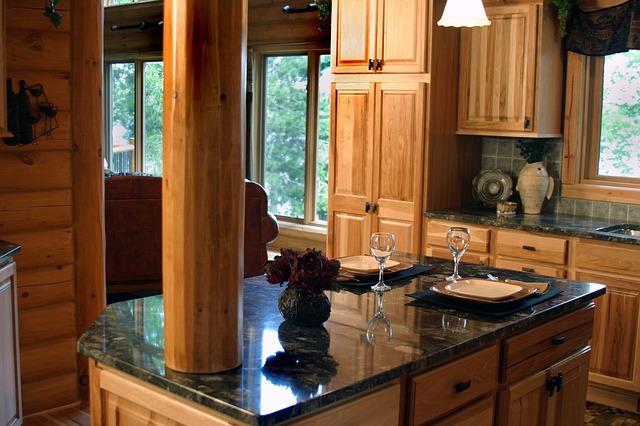 Homes take a beating on the outside, from wind, rain, sun, insects and snow. Summer gives you a chance to repair damage, protect your home and keep its face to the world looking bright.