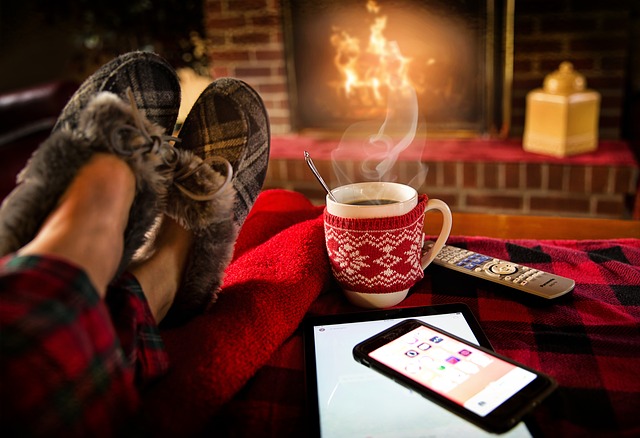
The U.S. Fire Administration states that 75 percent of confined home heating fires occur in the chimney and flue of your fireplace. Performing simple safety measures and maintenance on your fireplace will ensure your family and home stay safe.
Here are some fireplace safety tips to consider:
- Keep it clear. Clear out any debris from the fireplace and keep all flammable items like furniture, blankets and papers a safe distance away at all times.
- Inspect the chimney. Have a certified chimney specialist inspect and clean your chimney annually to reduce the risk of fire and carbon monoxide buildup.
- Start the fire safely. Never burn charcoal or use lighter fluids to light the fire in your home, as they can cause deadly fumes and the potential for explosion.
- Don’t overload the fire. Overloading—putting in more wood, paper and other ignitable materials than necessary—can overheat the walls or roof of your home.
- Keep children away from the fireplace. Give warning about the dangers of fire to deter curiosity, and consider installing a gate around the fireplace to prevent kids from getting too close.
- Put it out. Before leaving your home for the night or going to sleep, ensure the fire is completely out first.
Take extra precautions to keep your family safe from potential fireplace damage. If you burn fires often, consider installing new smoke and carbon monoxide detectors in your home.
Read more
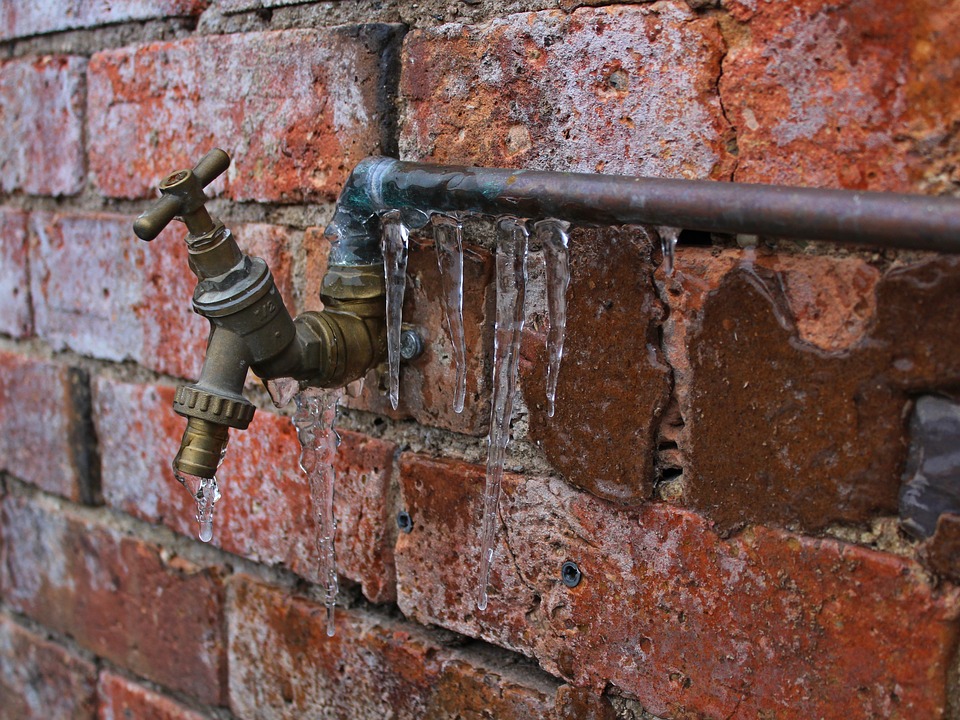
One of the messiest and most costly homeowner repairs is fixing a burst, frozen pipe. Water from a burst pipe can cause damage to carpeting, short out electrical appliances and ruin furniture. Luckily, there are several ways to protect your home:
- Keep the heat in your house at a minimum of 50° F.
- Allow faucets to drip slightly, which can alleviate pressure in the piping system.
- Keep interior doors open. This allows heat from the rest of your house to spread, keeping your pipes warm.
- Seal any cracks and holes found near your pipes. This can help keep cold air out of your home.
- Add extra insulation to your pipes. Experts recommend fitting your pipes with foam rubber or fiberglass sleeves.
Water expands as it freezes and puts significant pressure on the metal or plastic pipes that hold it. If you fail to take the proper precautions, your pipes can easily fail during a cold winter, which can be incredibly costly to repair.
Read more

If you’ve ever shopped around for insurance, you’ve likely been asked if you want to bundle your policies—in other words, combine your home or renters, auto and life insurance policies with the same carrier. Although you have the option to shop around individually for each policy, it almost always makes sense to have the same carrier cover as many of your policies as possible.
Benefits of Bundling
- The discount—Most policyholders bundle their policies because of the promise of a discount. The amount varies by provider but can generally range between 5-25 percent.
- The option of a single deductible—With bundled policies, your deductible may be cheaper in the event of a claim that affects multiple policies. For example, if your home and auto policies are with two separate carriers, and a hailstorm damages your home and your car, you’re responsible for paying both your home and auto deductibles before receiving payment. But if you bundle your policies, your provider may offer you the option to pay only the higher of the two deductibles.
- Less chance of being dropped—If you’ve made claims or gotten tickets, having your policies bundled with one provider can decrease the chance of them dropping you.
-
When it Doesn’t Pay to Bundle
It isn’t always better to bundle your policies with one insurance carrier. Here’s when it may be better to split them up:
- If you have tickets or past claims that make your auto insurance expensive—In this case, it may be cheaper overall to buy each policy from separate providers.
- When premiums increase—Bundling discourages people from price shopping, which makes it easier for providers to increase their rates. Most assume that you won’t go through the effort of shopping around when your policies renew.
- If policies aren’t technically bundled—Some carriers may insure you with an affiliated company. Although you may get a discount with that company, you’ll lose the convenience of paying your premium with one familiar provider.
A Few Tips to Consider
Although discounts are the main reason people bundle their insurance policies, never assume that bundling is the cheapest option. Your needs and circumstances will dictate whether you should combine your policies with one carrier. Consider the following tips:
- Shop for new coverage when your policies renew, and ask for the price of the individual premiums as well as the price of the bundled premium so you can decide whether it is worth it. Just make sure you compare the same coverage when shopping for quotes from each carrier.
- Ask if the provider uses a third-party insurance company. Remember that you may save money but lose the convenience of dealing with one provider and a combined bill.
- Ask an independent insurance agent to get prices from multiple companies so you don’t have to do the legwork. An agent that is loyal to a particular carrier may be able to offer discounts that you can’t get alone.
With multiple factors contributing to the price of your insurance premiums, it is important to shop around in order to get the best rate for your insurance needs. Feel free to contact Scurich Insurance to determine if bundling is right for you and help you take advantage of all available discounts.
Read more

There are a number of hazards that could affect your home while you’re away, including lightning, theft and flooding. In order to keep your property safe while you’re on vacation, consider the following:
- Unplug small appliances and electronic devices.
- Stop the newspaper and mail. To do this online, visit the U.S. Postal Service’s website.
- Lock all windows and doors.
- Arrange to have your lawn mowed or snow shoveled while you’re away.
- Have a neighbor keep an eye on your home throughout your trip.
- Remove any house keys you keep outside your home, even if you think they’re in a safe place.
- Set timers on inside lights. Install a motion-activated sensor on outdoor floodlights.
- Consider turning off your home’s water.
- Avoid posting photos of your trip on social media until after you return home.
- Raise the temperature on your thermostat or turn the system off completely. This ensures that you aren’t paying to cool your home while you’re away.
Insurance Considerations
Taking the proper precautions before you go on vacation can make all the difference when it comes to preventing damage to your home. However, accidents can still occur, and it’s important to ensure you have adequate insurance coverage. Contact Scurich Insurance to learn more.
Read more
Ticks and Lyme Disease
Lyme disease is a bacterium that’s often carried by mice and other small rodents. The disease can be transmitted to humans if they’re bitten by a tick that previously fed off an infected animal.
Different types of ticks live in the United States and while some can transmit diseases, others are only a nuisance. In general, infected blacklegged ticks can transmit the bacterium that causes Lyme disease.
Symptoms of Lyme disease typically develop within two weeks of a tick bite and can include fevers, chills, swollen lymph nodes, neck stiffness, fatigue, headaches, and joint or muscle aches.
To avoid contracting Lyme disease, do the following:
- Wear light-colored clothing, including long-sleeved shirts and pants when in wooded areas. Tuck pant legs into socks or boots and keep long hair tied back.
- Wash your body and clothing after all outdoor activities.
- Look periodically for ticks if you’ve been outdoors, especially if you’ve been in wooded areas or gardens.
- Remove ticks within 24 hours to greatly reduce the risk of contracting Lyme disease.
- Check your pet’s coat if it’s been in an area known for ticks.
Remember to consult your health care provider as soon as you experience Lyme disease symptoms. If possible, send any ticks that you’ve removed to a public health laboratory in your area. Click here to learn more.
Keeping Mold Out of the Home
A mold problem in the home can cause serious health effects, especially for young children, the elderly, those who suffer from allergies or asthma, and those with prior respiratory conditions. Mold can cause eye irritation, nasal stuffiness, shortness of breath, wheezing and infections in the lungs.
Though most molds grow outdoors, they can get inside a home through open windows and doors, air conditioning systems, pets, clothing and shoes. Try these prevention tips to keep mold out of your home:
- Clean up any water damage or flooding thoroughly and immediately.
- Use a dehumidifier and a wet-dry vacuum to remove water quickly.
- Remove carpeting that can’t be dried out within 48 hours. If your carpet was contaminated by sewer water or a flood, it needs to be replaced.
- Repair basement cracks so that moisture can’t seep in.
- Use a dehumidifier or air conditioner to reduce indoor moisture, especially during humid months. Empty the drip pans in your air conditioner, refrigerator and dehumidifier on a regular basis to prevent water buildup.
- Fix plumbing leaks immediately. Mold will begin to grow within 24 to 48 hours after a leak forms.
Protecting Your Vehicle from Hail
Hail can strike anywhere and at any time, causing major damage to your vehicle. When a hailstorm occurs, take the following precautions to keep you and your vehicle safe:
- Don’t get out of your vehicle if you’re driving during a hailstorm. If you can pull over to the side of the road, do so safely.
- Park your car on an angle so that the hail hits the front of your car. This protects your side and rear windows, which aren’t made of reinforced glass.
- Find covered parking to protect your car, like a parking garage or awning. If you live in a hailstorm-prone area, it may be a good idea to purchase or build a covered parking solution for your home, like a metal canopy or garage.
- Use blankets or a hail car cover. These items can be very effective in protecting vehicles from damage, especially if you’re far away from shelter.
- Locate a body shop that you trust to make any necessary repairs. Discuss the extent of the damage with the body shop and your insurance broker.
Hotel Safety Tips
Hotels provide a home away from home whenever you travel. However, hotels aren’t always safe, and vacationers are at risk of things like break-ins, fires and natural disasters.
The following are some general hotel safety tips to keep in mind to protect yourself from a variety of risks:
- Check reviews for security concerns. Guest reviews can provide information on the area’s crime level and steps the hotel takes to protect guests.
- Use hotels that restrict access to guest floors.
- Check your room lock to confirm it’s working properly. Make sure that the door has a deadbolt and keep it locked whenever you’re in the room.
- Lock away valuable items you won’t be carrying with you in the room’s safe. This can include things like money, jewelry, laptops or other electronics.
- Be wary of people that come to the door claiming to be hotel staff.
Read more

You’ve probably heard a lot about opioids lately, and for good reason—the CDC estimates that more than 115 people die from opioid overdoses every day.
One of the biggest reasons for widespread misuse of these drugs is that they’re both effective at short-term pain management and highly addictive.
Luckily, to combat what some now call the “opioid epidemic,” researchers from the American College of Physicians (ACP) have published guidelines that promote alternative noninvasive and therapy-based pain treatments.
Although these guidelines recommend the use of opioids and other medications as a last resort, therapeutic treatments may help strengthen your body and help you heal naturally. However, you should always consult your physician for the best way to treat your pain.
Here are some common pain treatments based on the ACP’s guidelines:
- Use heat or ice packs to reduce pain and swelling. Regulating how much blood flows into affected areas can be a simple and effective way to reduce pain.
- Avoid overexertion. Rest will allow any injured tissue and nerve roots to begin to heal. However, too much rest can cause your muscles to weaken.
- Exercise when possible. Although exercising to relieve pain may sound strange, even low-intensity activity like stretching or walking can help strengthen your muscles and relieve pain. Consult with a health care or fitness professional to customize a safe and effective exercise routine for any severe or chronic pain.
- Engage in relaxing activities such as yoga and meditation. Research has shown that the mental aspect of physical pain can cause it to be much more intense than it would be otherwise.
- Explore your options. Talk with your doctor about alternative pain relievers and anti-inflammatory medications. You could also discuss when to use or how to wean off strong narcotics. Opioids should only be considered as a last resort.
Read more
