
ad diets have been around for decades. New ones surface regularly while some older weight-loss solutions fall in and out of popularity.
Popularized by the promise of quick and dramatic weight-loss results, fad diets need to be fully researched before trying. Generally, diets or diet products can be considered a fad if they fit any of the following criteria:
Claiming to help you lose weight very quickly, more than 1-2 pounds per week.
Promising you will lose weight and keep it off without giving up fatty foods or starting an exercise program.
Basing their claims only on “before and after” photos.
Offering testimonies from clients or “experts” in weight loss, science or nutrition who are usually being paid to promote the diet plan.
Drawing simple solutions from complex medical research.
Limiting food choices and not encouraging you to get balanced nutrition by eating a variety of foods.
Requiring you to spend a lot of money on things such as seminars, pills or prepackaged meals in order for the plan to work.
Instead of turning to a fad diet to achieve weight-loss results, try implementing lasting lifestyle changes. Contact a health care professional to get started
Read more

Your commercial insurance policies protect your business, making your insurance agent an essential resource for your company. While you may not have your agent on speed dial, you will want to contact him or her in several circumstances.
Verify Coverage Details
You can purchase a variety of different policies for your business, and need to understand your exact coverage. Contact your insurance agent to verify which types of coverage you have and your policy limits.
Update Your Policy
When you add a vehicle to your commercial fleet, sell a piece of equipment, move to a new location, or make other changes to your business operations, call your insurance agent. These updates could affect your insurance needs, policy and premium.
File A Claim
If you need to file an insurance claim, contact your agent immediately. You may call the agent’s office, send an email or text, or fill out an online claim form on the company’s website. Remember to submit pictures, too, as you get your claim process started.
Ask Questions About a Claim
After you file an insurance claim, you may have questions about the adjuster’s findings or the settlement timeline. Feel free to contact your agent and ask any questions you may have.
Discuss Your Bill
Whether you pay your insurance bill annually, semi-annually or quarterly, you may inspect your bill and realize that you have questions about one of the charges or fees. Most insurance agents remain transparent about billing, and they can explain anything you don’t understand about your insurance charges, fees or payment date.
Pay Your Bill
If you experience any issues when you pay your insurance bill, call your agent. You may also ask for a change in the policy due date or a change in payment frequency.
Initiate an Annual Review
You should receive a notice a few weeks before your commercial insurance policy’s renewal date. Ask your agent for a meeting to renew your coverage. During this meeting, discuss details about your business and the types of insurance you need, including coverage limits and cost, as you verify that you have the right insurance for your needs.
Request a New Quote
Based on your insurance policies you purchase and your loyalty to your commercial insurance company, you may qualify for discounts or a more competitive rate. Your agent can rework your coverage limits, check for discounts and give you a new quote that meets your budget.
Throughout the year, you may wish to contact your commercial insurance agent for several reasons. Always feel free to reach out and discuss your needs as you purchase the right coverage for your business.
Read more
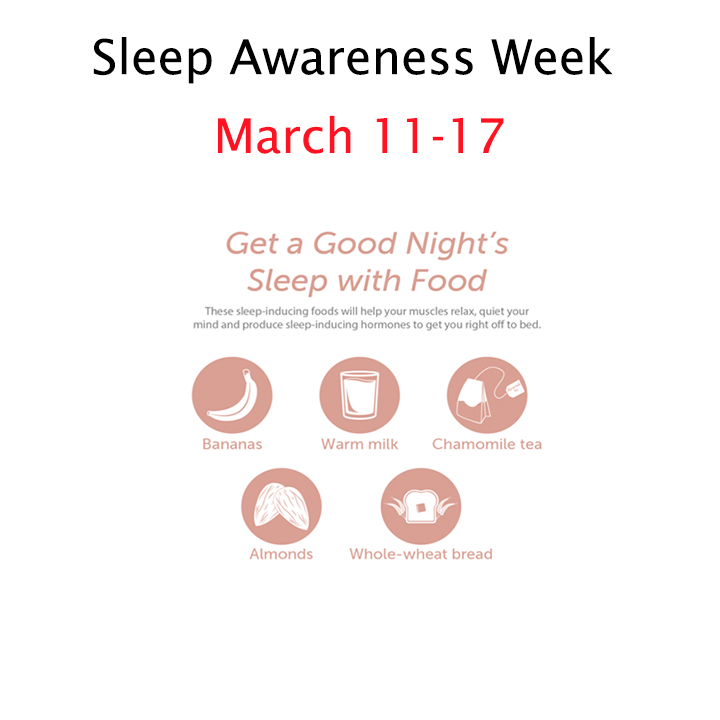
The National Sleep Foundation sponsors Sleep Awareness Week every March to educate Americans on the importance of sleep to their overall health and well-being. The CDC has linked insufficient sleep to the development of chronic diseases and conditions, including diabetes, heart disease, obesity and depression. In honor of Sleep Awareness Week occurring this March 11-17, try adopting the following five healthy sleep habits:
- Keep a regular schedule—try to go to bed and wake up at the same time each day, including weekends.
- Create a good sleep environment, including comfortable room temperature, minimal noise and sufficient darkness.
- Keep track of habits that help you fall asleep, like relaxing music or reading before bed. Repeat those activities each night.
- Avoid caffeine and nicotine three to four hours before going to bed.
- Limit alcohol before bed, as it can reduce sleep quality.
Read more

Eating a well-balanced diet is a key component in living a long, healthy life. Many Americans think that eating healthy means they have to empty their wallets, which isn’t necessarily the truth. Keep the following money-saving tips in mind next time you’re grocery shopping:
- Make a weekly meal plan. Before you go to the store, think about what meals and snacks you want for the week. Read recipes thoroughly so you can make an accurate list of everything you need, reducing the risk that you’ll have to run back to the store later in the week.
- Create a list—and stick to it. Make a detailed list of what you need to buy before you go to the store. When you get to the store, don’t buy anything besides what’s on the list.
- Plan where you’re going to shop. Many grocery stores run sales or offer coupons on various healthy foods. Check out the ads and plan your grocery list around what’s on sale.
- Shop seasonally. Fresh fruits and vegetables that are in season are usually easier to get and may be a lot less expensive. Click here for a list of what’s in season.
- Cook at home as often as possible. Many foods prepared at home are cheaper and more nutritious. Go back to the basics and find a few simple and healthy recipes that your family enjoys.
One Pan Potatoes & Chicken
4 medium potatoes
1 pound chicken breast (boned and skinned)
2 Tbsp. oil
1 cup salsa
1 15-ounce can whole kernel corn (drained)
PREPARATIONS
- Cut potatoes into ¾-inch cubes.
- Cook potatoes over medium-high heat until fork-tender. Remove from pan.
- Heat the oil in a skillet over high heat. Brown the chicken for 5 minutes.
- Add the potatoes back into the pan and cook until lightly browned.
- Add salsa and corn. Cook until heated through.
- Serve warm.
Makes: 6 servings
Nutritional Information (per serving)
|
Total Calories |
285
|
|
Total Fat
|
7 g
|
|
Protein
|
21 g
|
|
Carbohydrates
|
35 g
|
|
Dietary Fiber
|
4 g
|
|
Saturated Fat
|
1 g
|
|
Sodium
|
316 mg
|
|
Total Sugars
|
3 g
|
Read more

As a homeowner, one of your top priorities is keeping your property and family safe from intruders. With the advent of smart homes and new technology, home security is easier and more affordable than ever.
The following are some new technologies that can protect you and your loved ones from criminals:
Doorbell cameras — Doorbell cameras are a great way to see who is at the door before you open it. This is especially useful if you have children who are frequently home alone.
Smart door locks — Smart door locks allow you to lock or unlock your doors remotely. This can be helpful if you forget to lock your doors before you leave the house.
Motion sensors — Homeowners can attach motion sensors to doors and windows. Even the slightest movement can trigger these devices and alert you to intruders.
Above all, it’s important to have a strong security system in place. These systems should include Wi-Fi-enabled cameras, smart smoke detectors and an alarm system that notifies the authorities in an emergency.
Read more

On Dec. 22, 2017, President Donald Trump signed into law the tax reform bill, called the Tax Cuts and Jobs Act, after it passed both the U.S. Senate and the U.S. House of Representatives.
This tax reform bill makes significant changes to the federal tax code. The bill does not impact the majority of the Affordable Care Act (ACA) tax provisions. However, it does reduce the ACA’s individual shared responsibility (or individual mandate) penalty to zero, effective beginning in 2019.
As a result, beginning in 2019, individuals will no longer be penalized for failing to obtain acceptable health insurance coverage.
ACTION STEPS
Although the tax reform bill eliminates the ACA’s individual mandate penalty, this repeal does not become effective until 2019.
As a result, individuals continue to be required to comply with the mandate (or pay a penalty) for 2017 and 2018. A failure to obtain acceptable health insurance coverage for these years may still result in a penalty for the individual.
The Individual Mandate
The ACA’s individual mandate, which took effect in 2014, requires most individuals to obtain acceptable health insurance coverage for themselves and their family members or pay a penalty. The mandate is enforced each year on individual federal tax returns. Starting in 2015, individuals filing a tax return for the previous tax year indicate, by checking a box on their returns, which members of their family (including themselves) had health insurance coverage for the year (or qualified for an exemption from the individual mandate). Based on this information, the IRS then assesses a penalty for each nonexempt family member without coverage.
Effect of the Tax Reform Bill
The tax reform bill will reduce the ACA’s individual mandate penalty to zero, effective beginning with the 2019 tax year. This effectively eliminates the individual mandate penalty for the 2019 tax year and beyond. As a result, beginning with the 2019 tax year, individuals will no longer be penalized for failing to obtain acceptable health insurance coverage for themselves and their family members.
Impact on Years Prior to 2019
Although the tax reform bill eliminates the ACA’s individual mandate penalty, this repeal does not take effect until 2019. As a result, individuals continue to be required to comply with the mandate (or pay a penalty) for 2017 and 2018. A failure to obtain acceptable health insurance coverage for these years may still result in a penalty for the individual.
Therefore, nonexempt individuals should continue to maintain acceptable health coverage in 2017 and 2018, and should indicate on their 2017 and 2018 tax returns whether they (and everyone in their family):
- Had health coverage for the year;
- Qualified for an exemption from the individual mandate; or
- Will pay an individual mandate penalty.
In addition, keep in mind that individuals who are liable for a penalty for failing to obtain acceptable health coverage in 2018 will be required to pay that penalty when they file their federal income taxes in 2019. As a result, some individuals may be required to pay the individual mandate penalty in early 2019, based on their noncompliance for the 2018 tax year.
Effect on Other ACA Provisions
Despite the repeal of the individual mandate penalty, employers and individuals must continue to comply with all other ACA provisions. The tax reform bill does not impact any other ACA provisions, including the Cadillac tax on high-cost group health coverage, the PCORI fees and the health insurance providers fee. In addition, the employer shared responsibility (pay or play) rules and related Section 6055 and Section 6056 reporting requirements are still in place.
Read more
