
Facebook recently announced that political consulting firm Cambridge Analytica obtained information from up to 87 million accounts without their users’ consent. Experts believe that collected data could include locations, interests, photos, status updates and more.
Facebook applications and third-party services can normally request access to an account’s information in order to add functionality or advertise products. However, experts allege that Cambridge Analytica violated Facebook’s terms of service by using the data to direct political campaigns and influence voters.
These allegations have highlighted concerns about data security, social media privacy and Facebook’s data protection practices. In order to keep your personal information safe, it’s important for you to be aware of how it can be exposed and what steps you can take to ensure you control access to your data.
Timeline of Events
In 2014, University of Cambridge researcher Aleksandr Kogan created a Facebook personality quiz that gave him data on approximately 270,000 Facebook users. At the time, Facebook’s terms of service also allowed Kogan to access data on these users’ friends—a total of 87 million accounts.
Although Kogan told users that their information would only be used for research, he later worked with Cambridge Analytica to market the data to political groups. While many experts speculate that Cambridge Analytica’s clients used this data to direct political messages and influence voters, investigators have yet to confirm if or how the data was used.
Facebook learned that Cambridge Analytica possessed the data in 2015 and requested that all copies be deleted. However, in March 2018, a number of news sources reported that the consulting firm kept and continued to use at least a portion of the data for its business practices. As a result, Facebook’s data protection practices are now under investigation by regulators.
Protecting Your Data
Many social media users assume that their personal information is safe, but this scandal has shown the importance of re-evaluating online security. Hackers can use data posted on social media to engage in identity fraud, social engineering schemes and more. Here are some tips you can use to secure your data on social media platforms:
- Check Facebook’s webpage about the exposed data to see if Cambridge Analytica obtained any of your personal information.
- Go through all of the privacy settings on each of your social media accounts to see if the security features or terms of service have changed.
- Always assume that any information you post online can be shared with the public.
- Enable two-factor authentication on all devices and services that offer it.
- Create strong passwords and update them regularly.
Call us at 831-661-5697 for more help staying safe online.
Read more

On April 30, 2018, the Occupational Safety and Health Administration (OSHA) announced it will require all establishments affected by the electronic reporting rule to submit their 2017 data to OSHA by July 1, 2018.
This announcement clarifies the requirement for establishments in states with an OSHA-approved plan. These establishments must submit electronic reports, regardless of whether the state has ratified or incorporated the electronic reporting rule into its OSHA state plan.
Establishments in all states, including those with an OSHA-approved state plan, should prepare to submit electronic reports by July 1, 2018. Affected establishments can accomplish this by:
- Becoming familiar with the requirements in the electronic reporting rule; and
- Transitioning their OSHA records to an electronic format approved by the Injury Tracking Application (ITA).
OSHA Electronic Reporting
OSHA’s electronic reporting rule was issued in 2016. The rule requires establishments to report data from their injury and illness records to OSHA electronically if they:
- Are already required to create and maintain OSHA injury and illness records and have 250 or more employees;
- Have between 20 and 249 employees and belong to a high-risk industry; or
- Receive a specific request from OSHA to create, maintain and submit electronic records, even if they would otherwise be exempt from OSHA recordkeeping requirements.
The electronic reporting rule applies to establishments, not employers. An employer may have several worksites or establishments. In these situations, some establishments may be affected while others are not.
To determine whether an establishment is affected, employers must determine each establishment’s peak employment during the calendar year. During this determination, employers must count every individual that worked at that establishment, regardless of whether he or she worked full-time, part-time, or was a temporary or seasonal worker.
OSHA-approved State Plans
The final rule required OSHA-approved state plans to adopt the electronic rule or “substantially identical” requirements within six months of the final rule’s publication date.
This means that OSHA-approved state plans have the authority to adopt reporting requirements that go above and beyond what is required by the federal rule.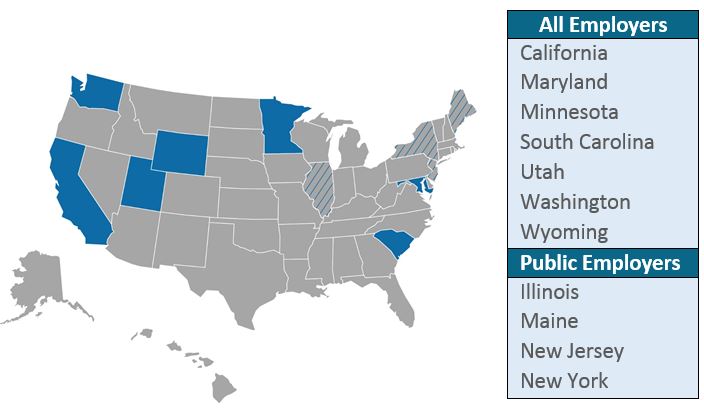 For this reason, establishments located in OSHA-approved state plan jurisdictions should consult with their local OSHA offices to make sure they are satisfying all electronic reporting requirements.
The OSHA-approved state plans shown on this map have not yet adopted the requirement to submit injury and illness reports electronically.
As a result, establishments in these states were not required to submit their 2016 data through the reporting website in 2017. However, OSHA has now clarified that they must submit their 2017 data in 2018.
Read more

Inspect for Water Damage
Melting snow and ice can increase water flow around your property, so carefully inspect the entire building for water damage. Check the exterior foundation, interior walls and windows for moisture, leaks or condensation, and clear out and repair any damaged gutters and downspouts.
Check the Roof
Winter storms can damage your roof, but you may not notice the damage until the roof starts to leak. Perform a detailed inspection of the roof and note any repairs you need to make.
Touch Up the Exterior
Cold winter weather can cause paint to chip, and flying debris can dent siding. Walk around the building, note any damaged paint or siding, and fix the areas. Sometimes, a simple touch up is all that’s needed rather than refinishing the entire building.
Repair the Parking Area
If freezing temperatures created cracks or holes in the parking lot or sidewalks, fix the problem areas. You’ll also want to power wash the area to remove dirt, mud or other debris, repaint any faded lines and repair broken signs. With a clean parking area, you reduce liability and improve visual appeal.
Wash the Windows
Remove winter grime and buildup on the exterior and interior windows. Clean windows boost productivity and improve the appearance of your commercial building.
Boost Ventilation
Open windows and air out the stuffy building if possible. You may also inspect and clean the HVAC system and install fans or dehumidifiers in damp areas as needed.
Improve Curb Appeal
Fallen branches, debris and litter affect your property’s curb appeal and can create hazards for employees and visitors. Remove any debris, and trim trees, shrubs and bushes to reduce hiding places for burglars and future damage risks. Consider planting flowers and grass, too, as you improve your property’s curb appeal and safety.
Perform Pest Control
Warmer temperatures may attract bugs, insects and rodents to your property, so apply a pest spray around the building’s perimeter, and close any holes that may allow animals to enter the building. You may also want to treat any ponds, bird baths or other standing water with Mosquito Dunk or a similar product.
Assess Insurance
Your commercial property insurance protects your company, so schedule an assessment. Ensure you have adequate coverage for your needs as you look forward to the rest of the year.
This spring, you can perform maintenance on your commercial building to improve its appearance and functionality. These tips also reduce your liability and protect your employees and clients.
Read more

Workers’ Compensation Insurance is an important product for employees. There are six common myths that surround this insurance, though. Debunk the myths so you can understand and maximize your benefits.
1. Small businesses don’t need to offer Workers’ Compensation Insurance.
You may work in a small business with only a few employees. Federal and state laws dictate that most businesses with one or more employees must carry Workers’ Compensation insurance. Be sure your employer carries this valuable insurance even if you are a solo employee.
2. I don’t need Worker’s Compensation insurance because my job is low-risk.
Some jobs, like construction, farming and commercial fishing, are dangerous. However, even low-risk jobs include injury and illness risks. You could develop carpal tunnel while typing or slip and fall in the break room during lunch. Your employer will pay lower Workers’ Compensation insurance premiums if you work in a low-risk job, and you absolutely must ensure you’re covered no matter what type of work you perform.
3. I’m careful and won’t get hurt.
While you might have an accident-free employment history, it only takes a second for an accident to happen. Plus, some workplace accidents or injuries occur because of someone else’s actions. Ensure you are covered by Workers’ Compensation regardless of your careful track record.
4. My boss is like family, and I could never sue.
It’s great that you have such a good relationship with your boss and feel like family. However, you are still employer-employee. By law, your employer must provide Workers’ Compensation for you. You also owe it to yourself and your dependents to have this valuable coverage in place in case you are injured or disabled and can’t work.
5. My boss will pay my work-related injury or illness expenses out-of-pocket.
Perhaps your boss has vowed to pay out-of-pocket for your medical, living and others expenses if you’re injured or become ill on the job. Unfortunately, your boss may decide not to pay, particularly when the Workers’ Compensation claims reach thousands of dollars or affect multiple employees. Always protect yourself with Workers’ Compensation insurance so that you can ensure your expenses are paid.
6. Any pain I feel at work is eligible for Workers’ Compensation.
While assembling furniture at work, you notice that your arm hurts. Instead of rushing to file a Workers’ Compensation claim, think about when and where the pain started. If it originated from an activity or injury that occurred outside of work, don’t file a Workers’ Compensation claim.
Workers’ Compensation insurance is important. Understand these six myths as you make sure you’re covered. For more details, contact your Human Resources manager or insurance agent.
Read more
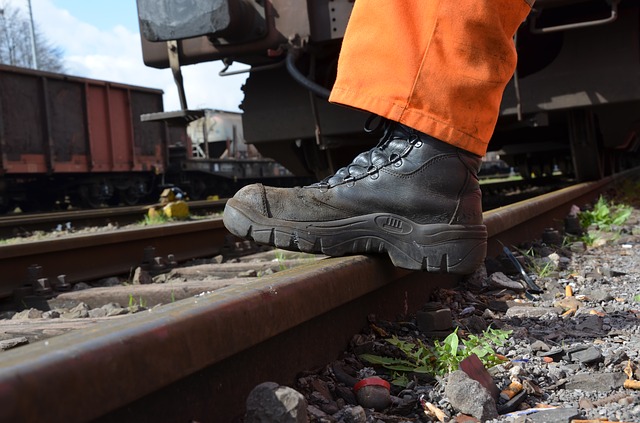
Whether you stand all day, operate heavy machinery or handle chemicals, you need to protect your feet as you work. Several foot safety tips reduce injuries and help you maintain a safe work environment.
When to Wear Safety Footwear
Safety footwear protects your feet against numerous injuries, including punctures, impacts, electrical shock and compression. If you work in any hazardous work environment, you probably need to wear safety footwear as part of your daily uniform. Protective shoes also protect your feet if you suffer from weak ankles or other medical conditions.
Available Types of Safety Footwear
Depending on your job and preferences, you may select safety boots or sneakers. Available in a variety of styles and colors, the best safety shoes include a CSA certification and may include:
Safety-toe – features a special toe covering that protects the foot from dropped objects
Steel insole – stabilizes feet and protects them from joint and bone injuries or problems
Metal instep – provides a barrier against glass, nail and other sharp object punctures
Metatarsal protection – reduces injuries to your upper feet and internal bones
Electric protection – absorbs shock through specially made soles
Heat resistant – resists heat-related injuries
Water resistant – repels water and keeps feet dry
Nonslip – improves traction on various surfaces
Where to Purchase Safety Footwear
Your employer may provide strict guidelines and limitations about exactly which safety shoe you may wear, including where you may purchase this gear. If you can select the safety shoes you wear, check specialty footwear stores or online retailers. Because you want to protect your feet, select only the right shoes for your job and feet. Price should be secondary as you promote safety.
How to Fit Your Safety Footwear
When trying on safety footwear, ensure a proper fit.
- Try on shoes in the afternoon to accommodate swelling that occurs naturally during the day.
- Wear your regular work socks and any special supports.
- Ensure ample toe room since the shoes typically do not stretch with wear.
- Check for snugness around the heel and ankle.
- Walk around a bit to check for comfort.
Care Instructions
Most safety footwear requires ongoing care and maintenance. Before you wear them for the first time, apply a water-resistant coating. Every day, inspect your shoes for damage, including sole cracks, leather breaks or toe cap exposure. Always replace your safety footwear if you notice signs of wear or damage that you cannot repair and after a puncture, impact or other event that may compromise the shoe.
Protect your feet at work when you wear the right safety footwear. Talk to your employer and check OSHA resources as you purchase, maintain and wear shoes that protect your feet every day.
Read more

Before visiting a business, 90 percent of consumers read online reviews. Your company needs online reviews, but your business could suffer if you encourage or allow fake reviews to populate the internet. Understand the dangers of fake reviews as you build and protect your company.
What are Fake Reviews?
As a business owner, you may solicit or allow fake reviews as a way to bolster your online reputation and attract more customers.
Four common types of fake reviews include:
- Ask family members and friends to share reviews of your company. While your family and friends may be loyal customers, their reviews could be skewed and not provide an accurate picture of your company.
- Pay employees to write reviews. These reviews could appear to be objective but are dishonest.
- Offer your product or service for free in exchange for a written review. While you may boost production volume and customers with this technique, it invites positive rather than honest reviews.
- Encourage reviews on open rather than verified review sites. Numerous review sites allow anyone to leave a review even if they haven’t tried your services or products, a practice that encourages fake reviews.
Dangers of Fake Reviews
Your company faces several dangers because of fake reviews.
Fines – Expect repercussions from the Federal Trade Commission (FTC) and your state if you violate consumer protection laws that include false advertising.
Damaged Reputation – Online review sites can report fake reviews to consumer alert groups and post this information on your profile. As a result, your company will gain a negative reputation that is nearly impossible to overturn.
Broken Trust – If consumers discover that you’ve encouraged or allowed fake reviews, they will stop trusting your company. You lose credibility and valuable business that affects your company now and into the future.
Lack of Growth – An influx of reviews can improve business temporarily, but your business will suffer if your products or services don’t match the fake reviews.
Public Danger – Fake reviews of physicians, attorneys, accountants or auto repair shops could potentially harm consumers. Other dangers caused by undisclosed allergic reactions or unsafe products can also harm consumers, highlighting the need for only honest reviews.
How to Prevent Fake Reviews
In your quest to attract business and build your brand, you may ask all your customers to leave honest reviews on verified sites. Continue to offer excellent service, too, that prompts customers to praise your company online.
Overall, your company will benefit more from no reviews than from fake ones. Understand the dangers of fake reviews and how to combat them as you retain your credibility, build your reputation and protect your company.
Read more
