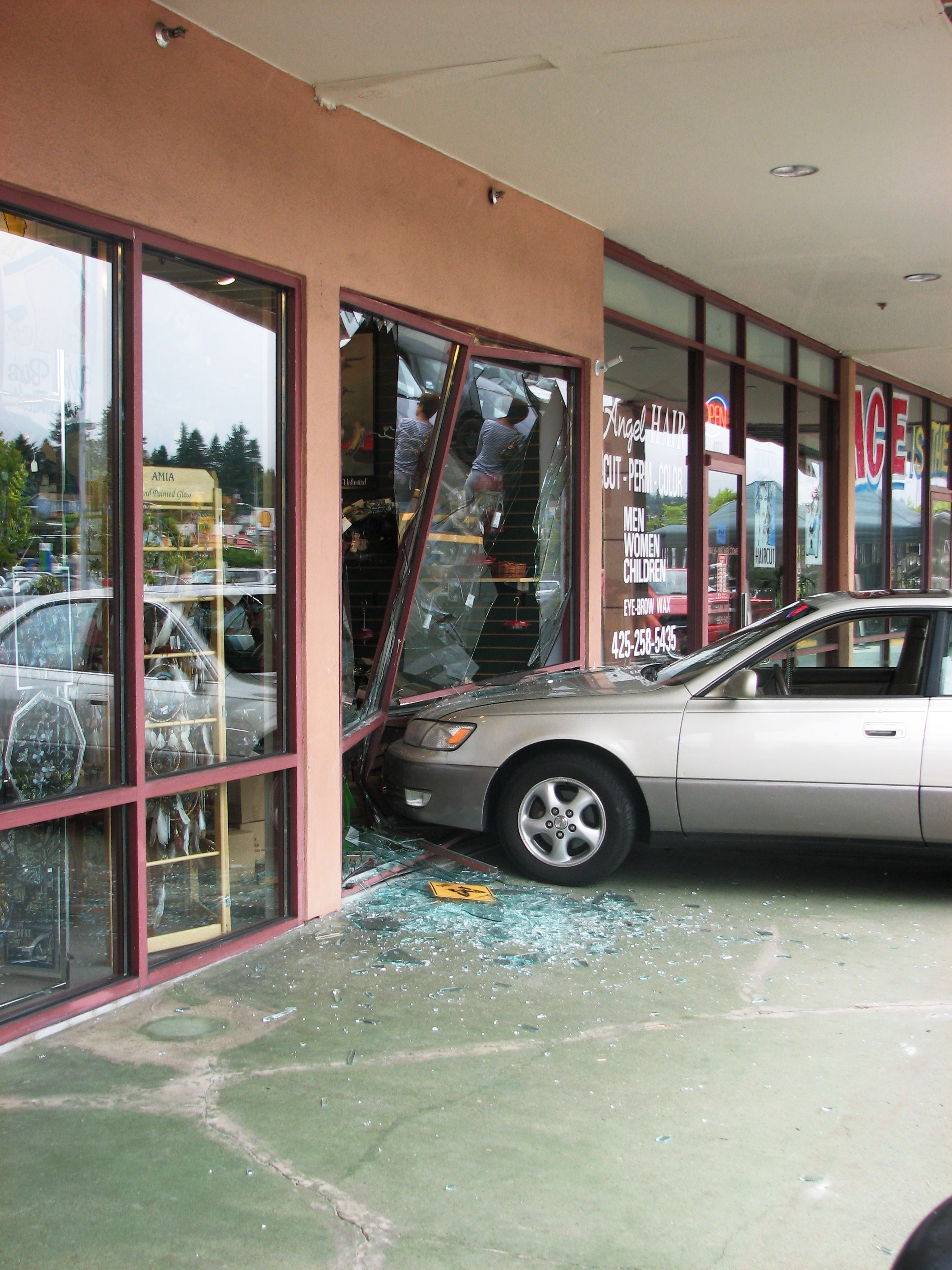
 Most states demand that businesses, regardless of size, take every reasonable action to keep their premises safe for employees and visitors. The definition of visitors is fairly loose. Basically, it is anyone not employed by the business and covered by its workmen’s compensation insurance policy.
This means that clients, customers, delivery persons, repair persons, outside maintenance contractors and anyone who comes to the business premises needs protection from foreseeable dangers.
There are different types of people who come into a business and each has a different level of required care for its class of visitors.
Invitee
This is a person whose invitation is explicit (by appointment, for example) or implicit (a customer looks at the goods and services for sale in a shop). A business owner’s duty to an invitee is to exercise ordinary care and make the property generally safe without any dangerous conditions.
Licensee
A licensee in not an invitee or trespasser. An example of a licensee is a party who enters the premises for their own convenience or gratification. Think of a person ducking into your entryway to avoid the rain. The duty of care is far less than for an invitee, and the business is only liable to a licensee for willful and malicious harm.
Trespasser
This group of people enter the premises lacking an implicit or explicit invitation. They come on the business property for their own enjoyment or benefit. The only duty of a business owner is a negative one – the business cannot build any mantraps the willfully and maliciously causes a trespasser harm. Many states have an exception to this limited responsibility; if the business anticipates, suspects or knows of the presence of a trespasser it must exercise ordinary care and avoid inflicting injury on a trespasser through any kind of active negligence.
Common Workplace Visitor’s Injuries
Slip and Fall Accidents
These are the largest cause of visitor injuries. Injuries happen when a visitor trips, slips or falls and suffer injuries. These accidents often stem from things such as uneven floorboards, electrical extension cords crossing aisles or doorways, spills or liquids on the floor, and poorly installed carpet or carpeting that has tears or rips.
Negligent Security
It is normal that businesses have a duty to their invitees to make sure they are safe from foreseeable. A business is liable for the criminal acts of a non-employee when the business fails to keep the premises safe from criminal activity. Usually claims of negligent security stem from places such as:
- Hotels
- Motels
- Parking garages
- Apartment complexes
Businesses in high-crime areas (a parking garage in such an area needs adequate lighting, video cameras and warning signs that video surveillance is ongoing, and other security measure as needed.
Attractive Nuisance
This is a legal doctrine that applied mostly to children, even if they are trespassers. Hotels with outdoor pools need adequate fencing, a pool cover, locks and lighting, as the pool is attractive for kids to try to use after trespassing.
Defective Property Conditions
Businesses are often liable for dangerous or defective conditions. These include faulty elevators, faulty escalators, crumbling stairways and more.
Speak with your business insurance advisor about these risks and how to protect yourself, your business and employees from legal liability for them.
Read more

In
Secretary of Labor v. United States Postal Service the question was whether an employee’s indication of an industrial injury on a FMLA request form triggered an OSHA recordkeeping obligation. To make a long story short, that claimant complained she was having an allergic reaction to dust produced by machinery she worked with. Her doctor provided her a note stating she was not to return to work at that machine. She eventually filled out an FMLA leave request form.
As this was going on, her complaint and that of another employee triggered an OSHA investigation. None of the inspections or analysis generated by her physician or OSHA found any kind of violation of OSHA standards or the exact allergic substance she was reacting to. The OSHA inspector was none the less concerned the company had not recorded her allergic reaction in the OSHA injury logs, a violation for which they were cited.
The Occupational Safety and Health Review Commission overturned a decision by the lower court and ruled due to privacy provisions associated with the FMLA, the employer was required to not share this information with the OSHA coordinator or the employee’s supervisor. The only time it would be appropriate to do so is for job accommodation purposes or emergency medical treatment.
The Commission also ruled the obligation to report an OSHA injury could come from someone’s position or other unique circumstances. According to the Commission no such facts existed to generate the obligation. Which is rather surprising given it was abundantly clear she claimed to be having allergic reactions to working around the machinery and told numerous people about it.
The court reminded employers they should separate FMLA files from the work comp or injury ones.
Take home lesson: do NOT share medical information across the organization unless that person has a “need to know”, there is an accommodation to consider, or there is some kind of emergency. Keep FMLA requests private and don’t automatically share the info with the OSHA
compliance team.
Don Phin, Esq. is VP of Strategic Business Solutions at ThinkHR, which helps companies resolve urgent workforce issues, mitigate risk and ensure HR compliance. Phin has more than three decades of experience as an HR expert, published author and speaker, and spent 17 years in employment practices litigation. For more information, visit
www.ThinkHR.com.
Read more
 The holidays simply would not be the same without lots of bright lights. Not only do they add to the festive look of this time of the year, they also bring back many memories. There are a lot of people who think the holidays are not complete without tons of lights strung everywhere.
With all those lights, though, you might come to an unpleasant realization when you plug in some unrelated electrical device and you find yourself in the dark. Overloading your circuits is easier than you might think. There are safety mechanisms put into place in electrical systems that are correctly installed, but losing a section of the electricity in your home when you plug in that last string of lights can put a damper on your holiday celebration.
While implementing a temporary fix to your overloaded circuits is pretty easy, a long term solution that works year after year is always best. If you find yourself flipping breakers – for more modern homes – or blowing fuses – for those older homes that still use them – then simply unplug a few items, flip the breaker or replace the fuse and move on. As for those devices that you had to remove from the overloaded circuit, resist the urge to use electrical cords that snake throughout your home since they will only add to the list of potential hazards.
Instead, opt to move them completely. Before bringing out the lights and other decorations that require electricity, make a plan for the outlets that you do have. While you can add a power strip to one outlet to increase its capacity, stick to those that have three sockets to ensure that you do not have the same overloaded circuit problem.
Because overloaded circuits are still a fire hazard – in spite of the safety mechanisms that are built into your electrical system – you will want to contact a qualified electrical contractor to have more outlets installed as soon as possible.
Read more
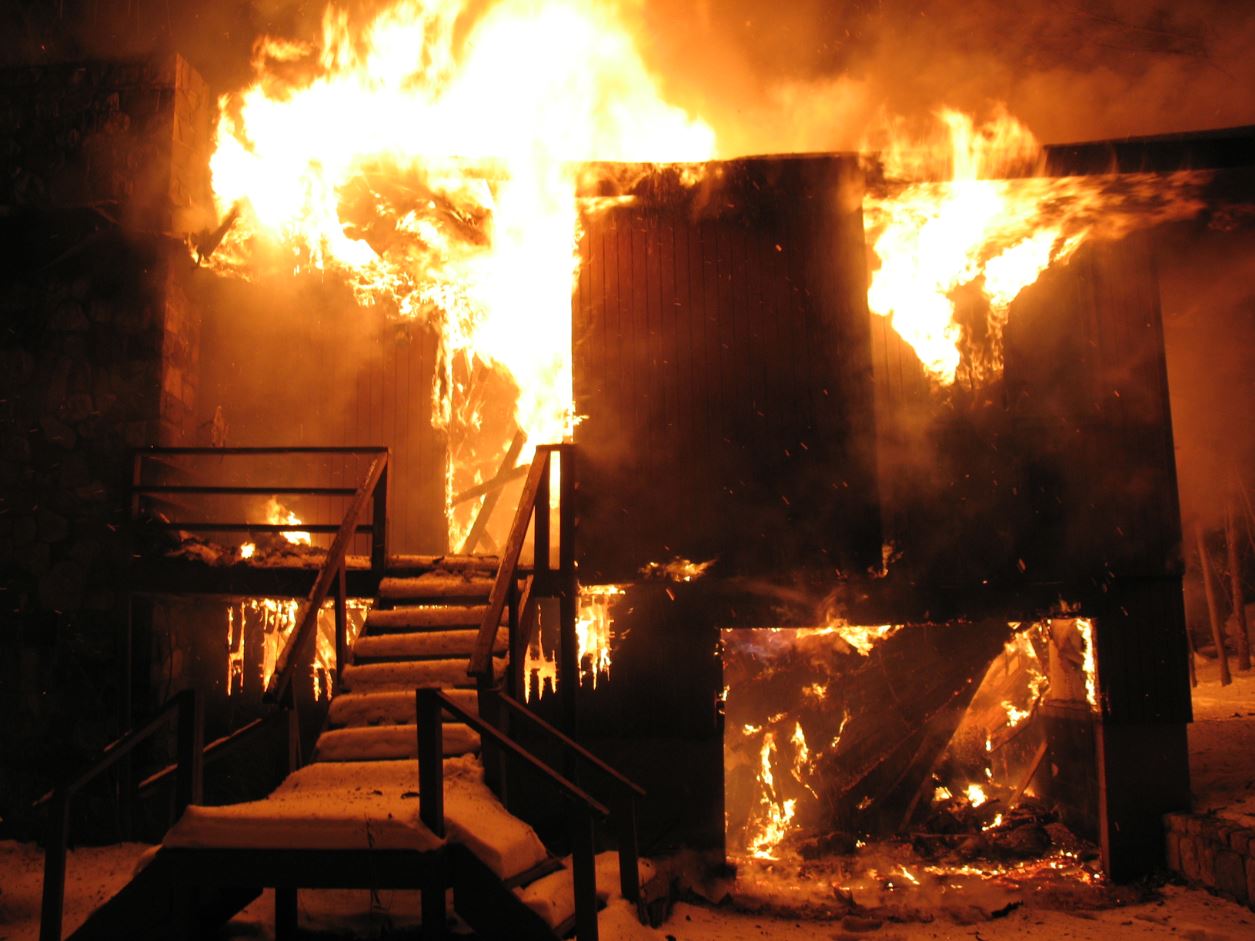 Roughly 374,000 fires occur in homes across the U.S. each year, 54% of them occur in the winter. Protect your home and family from being a statistic when you create a fire emergency plan. It helps you stay safe as you recognize Child Safety Protection.
1. Discuss Fire Safety Tips
Obviously, you want to extinguish candles, cigarettes and other open flames immediately. You also need to supervise meal prep in the kitchen to ensure nothing catches on fire. However, did you know that fabric can be flammable when it lies near the heater? Teach your family to prevent these and other fire hazards.
2. Hang Smoke Detectors
To ensure everyone can safely escape a fire, place smoke detectors on every floor of your home where you can hear them day and night. Since smoke rises, place them on the ceiling or high on the walls.
3. Locate Fire Extinguishers
Fire extinguishers need to be accessible. Place one in the kitchen under the sink or in the pantry. Other smart locations include near the entrance and exit doors and at least one on each floor. Once they’re securely attached to the wall, ensure your adult and teen family members know how to use them.
4. Choose the Exits
Your home’s layout determines where you can safely exit. In each room, choose two door or window exits that assist your family in safely escaping a house fire. If you have a second story, store an escape ladder near the window, and make sure you know how to use it properly.
5. Designate an Outdoor Meeting Spot
Whether your family meets at a neighbor’s house or a tree across the street, designate an outdoor base camp. Call 911 from this spot after everyone safely escapes the fire.
6. Practice the Plan
Even the best fire emergency plan will be ineffective if your family members don’t know what to do when a fire starts. Test the fire alarms and teach your kids what they sound like. Then, practice escaping out of the nearest exit and meeting at your designated spot.
Your family’s fire emergency plan can keep you safe as you recognize Child Safety Protection Month. Additionally, talk to your insurance agent and ensure you have adequate home insurance for your house and possessions. Insurance won’t prevent fires, but it will give you peace of mind this month and year round.
Read more
 In most aspects of life there exists insurance to help in protecting assets in the case of damage or unfortunate loss. When it comes to farms this is no exception; however, the typical business insurance or ordinary car insurance will not meet the bar when it comes to insuring the farm and tractors. It is advisable that if your business is farming or you are thinking about purchasing a weekend farm getaway that you consult with an insurance professional with experience in farming.
There is a famous saying that “knowing is half the battle,” so our goal is to review a few areas that have specific insurance needs. This way when you meet with an insurance professional you can get on the right track. As a general rule farm property is covered under specifically qualified policies to include farm machinery, livestock, farm trailers and even irrigation equipment. Depending on the coverage there may even be automatic coverage for new equipment up to $100,000 for the first 60 days – similar to a new born child being under the parents insurance until the child is individually registered. There are other types of equipment such as antennas and satellite radio devices typical on farms in extremely rural areas. In addition to coverage for these types of items there are other optional coverages that should be considered.
Depending on the exact type of farm things like chicken coups, silos, fences and feed racks have the ability to be covered under a farm policy. For those living in the city the details of a chicken farm and the equipment to keep it functioning are just not a reality. However for the farmer, these are essential aspects to their daily life. This is precisely why insurance companies carefully address all the details involved in farm life. Additional coverages are even defined as to the type of use of the equipment, because farm life can vary drastically.
One of our insurance professionals will review your farm and equipment to explain all available coverages and its intricacies.
Content provided by Transformer Marketing.
Read more
 When your insurance company issued your Workers Compensation policy, you paid an estimated premium for the term of the policy. This rate was based on the nature of your business and your estimated payroll. However, once your policy expires, the insurance company conducts a premium audit to gather data about your actual costs for the applicable policy term. If there is any shortfall, you are responsible for the difference between the original estimate and actual premium.
Naturally, you want to keep the difference between the estimated and actual rate as low as possible. Consider the following list of tips:
- Have all necessary records available for the auditor.
- Break down your payroll by classification code so that the auditor doesn’t have to classify any unexplained payroll. Leaving the decision up to the auditor could result in having the payroll placed in the highest classification.
- Separate overtime wages from regular wages. This allows the auditor to discount the overtime wages back to regular wages.
- Exclude tips, severance pay, meal and travel advances and bonuses paid for inventions, because none of these are included in Workers Compensation premium calculations.
- Divide uninsured subcontractor billings into material and labor costs since you are only required to pay premiums for labor. If you don’t have an actual split, figure on 50% for each. One important exception to this is for heavy equipment operators who are employed as subcontractors. In this case, use a third of their total billings as reportable labor costs.
- Don’t include short- or long-term disability payments in the data given to the auditor because these are excluded from premium calculations.
- Be sure to cap all covered officers’ payroll at the maximum for your state.
- Exclude wages paid to employees who are on active military duty because their wages aren’t included in premium calculations.
- Present the auditor with all Certificates of Insurance for covered subcontractors so you aren’t charged for them.
- Classify all employees in the lower-rated payroll classifications if you aren’t sure about where they should be classified. However, you should never deliberately misclassify an employee.
- Be sure you make the auditor aware of all employees who do only clerical work and are physically located away from the shop floor. These employees qualify to be classified in the lower rated clerical codes. If your clerical staff isn’t physically separate from the shop, you should consider changing their work location.
Contact our office for more information.
Content provided by Transformer Marketing.
Read more