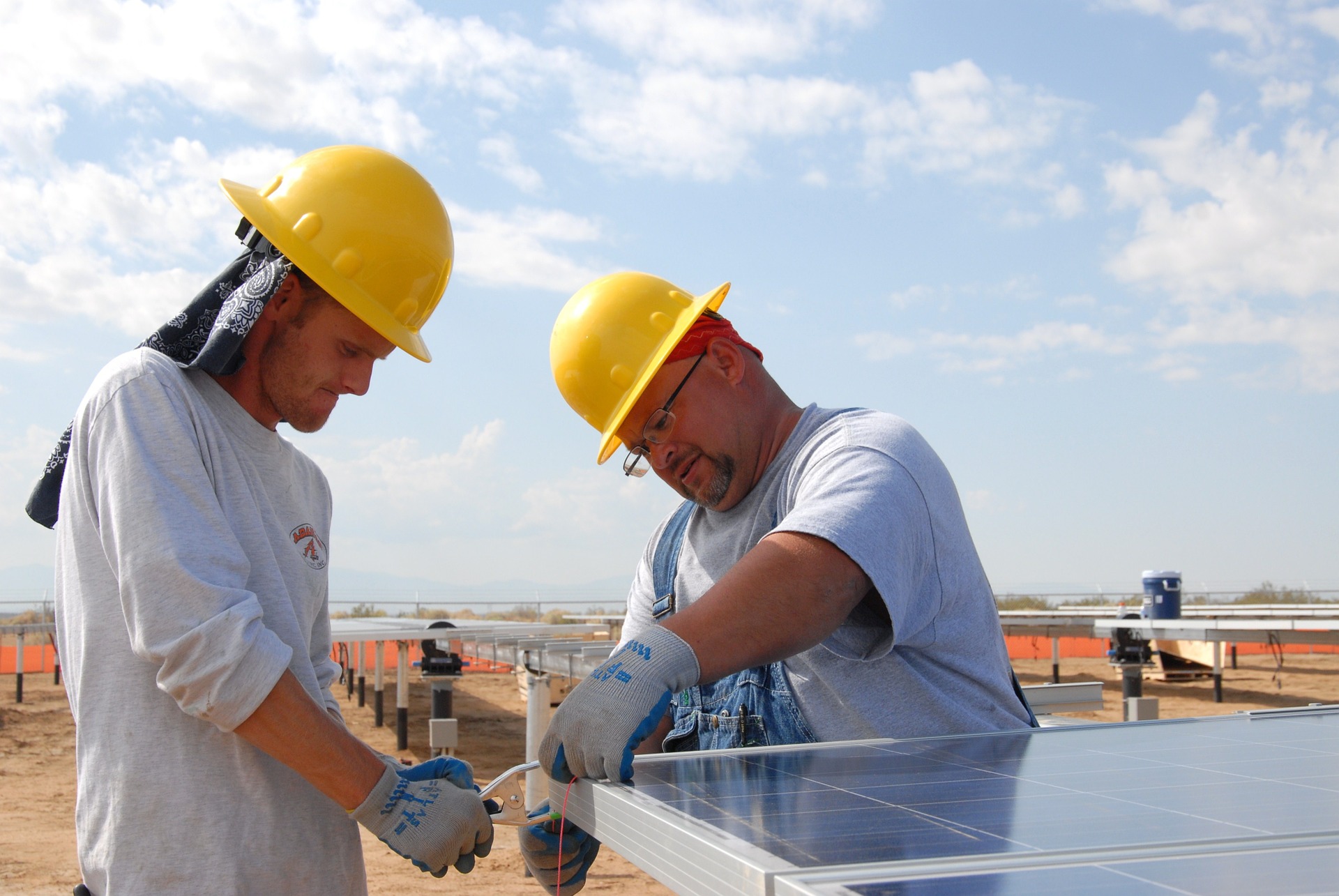
Unfortunately, a number of erroneous beliefs about worksite safety are widespread in the construction industry.
Here are seven common safety myths – and why they don’t pass the reality check:
- Safety programs ensure worker safety. In practice, this means that binders on a variety of topics (usually regurgitated OSHA standards) end up gathering dust on a back shelf.
- Safety is common sense. Taking risk is a very personal matter. Some people skydive, others bungee jump; some race automobiles, others rock climb.
- Incentive programs improve safety. Because these programs usually reward not having a recordable incident, they benefit workers been lucky enough to avoid accidents – not to mention a natural tendency not to report injuries.
- Progressive punishment ensures safety compliance. The best punishment can do is achieve temporary compliance. Effective policing must be continuous and consistent, with clear consequences.
- Firing noncomplying workers solves safety problems. This is like trying to cure a disease by treating its symptom. Instead, find the error that led to unacceptable behavior and change it.
- Safety training is a leading safety indicator. The sign-in sheet shows only who attended the meeting. For training to work, managers need to test what individual workers learned – or didn’t learn.
- Inspections and audits will uncover most workplace hazards. Inspections provide snapshots of workplace conditions at a given time, rather than an accurate picture of ongoing operations or activities.
Every construction firm needs to evaluate its safety systems, practices, and procedures critically, challenge the status quo where needed – and take decisive action.
Our agency’s professionals would be happy to offer their advice at any time, free of charge.
Read more

With so many demands on their time, many business owners find it difficult to learn enough about their insurance programs.
You’ve probably found yourself asking questions such as:
- Do I have the right coverages to protect my business from financial loss?
- Do I have any exposures to loss that aren’t covered and should be?
- Exactly what am I buying?
- Am I getting the best value for my premium dollar?
As insurance professionals, we help you answer these questions because we:
- Offer policies providing protection against a wide variety of risks that can threaten your business – everything from Accounts Receivable and Business Interruption through Employment Practices Liability and Glass Insurance to Theft coverage and Workers Compensation.
- Recommend an insurance company (from among the quality carriers that we represent) that will provide quality protection.
- Make it a point to learn how your business works so that we can pinpoint potential sources of loss.
- Design a program that minimizes the impact of these losses (incidentally, we don’t always recommend insurance).
- Provide comprehensive protect that’s tailored to your needs – and your pocketbook.
- Work with you to make sure that your coverage stays updated as your business grows.
In short, we take over one phase of your business for you, and work with you to accomplish your first goal – protecting your profits.
To help us help you make sure that your business insurance makes business sense, please feel free to get in touch with our agency’s professional at any time.
We’re here to serve.
Read more
4th of July fireworks, parades and cookouts are an excuse for you to relax with family and friends. As you plan your celebration this year, take several steps to ensure safety for everyone involved in celebrating the United States’ birthday.
Use Fireworks Safely
Public fireworks displays are the safest way to enjoy the beautiful colors and terrific booms of this July 4th tradition, especially when you maintain a distance of at least 500 feet between you and the show. Firework displays at home can be fun though too. If you go that route, take these precautions.
- Follow the instructions on the packaging.
- Never allow children to play with the fireworks.
- Stock a fire extinguisher or water supply nearby.
- Wear eye protection when lighting fireworks.
- Remove flammable materials from the area.
- Never point fireworks toward people, animals, vehicles or structures.
- Properly dispose of duds rather than trying to relight them.
Take Precautions While Grilling
Burgers, hot dogs, fruit and pizza taste delicious when they’re grilled. Grab your favorite side dishes and follow a few precautions that ensure you and your guests grill safely.
- Always supervise the grill when it’s in use.
- Never grill indoors or in a fully enclosed area such as a garage or tent.
- Use lighter fluid sparingly and never after the coals are ignited.
- Keep children and pets away from the hot grill.
- Remove flammable objects, including trees, from near the grill.
- Use long-handled tools to handle food.
Stay Safe on the Beach
Swimming is a fun summer activity, and it’s good exercise. At the beach, lake, public pool or backyard pool, stay safe with these tips.
- Swim only in designated areas.
- Obey the lifeguard and all posted signs.
- Get out of the water during a storm or if you hear thunder or see lightening.
- Require children to wear life jackets.
- Don’t dive into shallow water.
Wear Sun Bathing Protection
Picnics are part of many July 4th celebrations. You should also take these protective measures.
- Wear sunscreen that’s at least 15 SPF.
- Remember to apply sunscreen to your ears, hair part and the tops of your feet.
- Avoid direct sunlight between 10 a.m. and 4 p.m. when the UV rays are strongest.
- Reapply sunscreen every two to three hours or more frequently if you’re sweating.
- Drink plenty of water even if you’re not thirsty.
- Wear a hat, sunglasses and long sleeves if you have to be in direct sunlight.
- Watch for signs of heat stroke, including hot, red skin, shallow breathing and rapid, weak pulse.
Your July 4th celebration will be safe when you take these steps. For more advice, talk to your health insurance agent. He or she stands ready to help you have the best birthday party ever.
Read more