 June is the most popular month of the year for weddings, and you want your special day to be perfect. What happens, though, when things don’t go as planned? Purchase wedding liability insurance to cover your loss or hardship.
Who Does Wedding Liability Insurance Protect?
The average wedding costs $20,000. Traditionally, the bride’s parents paid for the wedding. Today, though, the couple usually foots at least a portion of the bill. Protect your investment with wedding liability insurance.
This coverage can protect you and the venue, including the rehearsal dinner location and reception hall. Whether you get married in a traditional church or synagogue, plan a destination wedding or choose a nontraditional venue like a museum, park, zoo or forest, you can be covered if accidents happen.
What Does Wedding Liability Insurance Cover?
Accidents and other unfortunate incidents can wreak havoc on your wedding day.
- A guest may trip and injure himself while walking down the aisle before the ceremony.
- Someone may get sick after eating the shrimp cocktail appetizers.
- A bridesmaid might knock over an expensive item in the reception hall as she tries to catch the bouquet.
- One of your guests may drink too much and fall while dancing.
These and other accidents could result in expensive lawsuits or medical liabilities for you and your loved ones.
Purchase liability insurance to protect yourself. The policy gives you peace of mind that even if something happens, you have financial coverage. It’s not a fun expense like your dress, cake or rings, but it is important as you start your marriage on solid financial footing.
What are Some Features of Wedding Liability Insurance?
When choosing liability coverage, look for a policy that meets your needs. There are several features you may wish to consider.
- It should cover you, your soon-to-be spouse and both sets of parents.
- The locations of your rehearsal dinner, ceremony and reception should be covered for one low price.
- It can be purchased up to the day of your wedding.
- The coverage may include liquor liability to protect you and the venue against alcohol-related accidents.
- If you purchase coverage online, a certificate of insurance is emailed to the venue.
- You may receive a discount if you also purchase wedding cancellation insurance.
- The limit options should be flexible to meet your needs and budget.
Your insurance agent can discuss all these details with you as you choose the features that you want.
How do you get Wedding Liability Insurance?
Your insurance agent can provide you with this valuable coverage. Talk to him or her today about how to get a wedding liability insurance policy that protects you or your loved ones on that special day.
Read more
 Although the human body naturally cools itself, continuous exposure to extreme heat can overwhelm those mechanisms, leading to illness and even death.
The following are four types of heat-related ailments listed in order of severity (four being the most severe). Even a less severe condition can become more severe unless steps are taken to remedy the problem as early as possible.
Heat Cramps – painful muscles spasms in the arms, legs, or abdomen, often with dizziness, weakness, and profuse sweating. Such cramps actually occur more often in well-conditioned people after prolonged heat exertion and are caused by the loss of sodium through sweating. Increasing daily sodium intake slightly during hot weather exertion can help prevent cramping.
Heat Syncope – fainting caused when the body compensates for too much heat by diverting blood from the brain to the skin. Heat Exhaustion – extreme fatigue with muscle aches, nausea, and fever. Additional symptoms can include clammy skin, diarrhea, rapid pulse, vomiting, and weakness.
Heat Stroke – failure of the body’s temperature control systems. Symptoms can include disorientation, agitation, hyperventilation, racing pulse, lethargy, convulsions, and eventually loss of consciousness. The body temperature rises to extremely high levels, sometimes above 110 F.
Helping a victim of heat-related illness:
- Take the person out of the heat.
- Loosen their clothing.
- Apply cool, wet cloths (not freezing or cold) and/or soak the victim’s clothing with water.
- Elevate the feet eight to 10 inches.
- And, if the person is conscious and not vomiting, offer plenty of fluids.
Preventing heat-related illness:
- Wear loose-fitting, lightweight, light-colored clothing.
- Use sunscreen to prevent sunburn, which can hinder the skin’s ability to cool itself.
- Wear a hat that provides shade and allows ventilation.
- Limit vigorous activity during hot, humid weather.
- Drink plenty of water — even more than you need to satisfy your thirst — before, during, and after exercise. Drinks with sugar and/or caffeine will not help; they actually rob your body of fluids. Alcohol causes you to lose more fluid than you consume.
- Avoid hot, confined places. If you can’t, then work in shifts. Work a while, and then rest in a cooler place for a few minutes.
- Electric fans might provide comfort, but when the temperature is in the high 90s, fans will not prevent heat-related illness.
- Some prescription and over-the-counter drugs can interfere with the body’s ability to regulate temperature. Discuss with your doctor whether any of your medications might have this effect and, if so, be especially careful to limit your exertion and drink plenty of water.
At the first sign of heat illness such as cramps, nausea, dizziness, or severe headaches, get away from the heat. Find a cool spot and rest for a few minutes and get some fresh air. Remember, it is easier to prevent heat illness than to treat it once symptoms develop. And always seek immediate medical help if you develop any of the symptoms described above.
Read more

Numerous environmental conditions at your workplace and/or home can cause you to suffer an allergic reaction that ranges from mild to life-threatening.
Consider these tips as you reduce allergens and protect yourself.Common Allergens
Depending on your job and workplace, you may be exposed to numerous allergens as you work. Consider this partial list.
- Latex gloves or equipment
- Ink toner
- Cleaning chemicals
- Floor wax
- Perfume
- Cigarette smoke
- Dust
- Food, including nuts and dairy
- Mold
- Asbestos
- Aerosols
- Paint fumes
- Dye
- Pollen
- Pet dander
Possible Allergic Reactions
The allergic reaction you experience can be mildly annoying or severe and life threatening. Be aware of these possible reactions.
- Contact dermatitis
- Sneezing
- Pain
- Swelling around your mouth or elsewhere
- Hives
- Itching
- Trouble breathing
- Anaphylactic shock
What to do if you Have an Allergic Reaction
Seek medical treatment as soon as you suspect you’re having an allergic reaction. To provide the best possible treatment, your doctor or emergency medical personnel may ask for a list of possible allergens to which you may have been exposed.
How to Prevent Allergic Reactions
While you can’t always prevent allergen exposure, you can advocate for an allergen-free work environment. Ask about switching to natural cleaning supplies or banning peanut butter as you remove allergens that affect you and your co-workers.
You may also take protective measures. Wear gloves, use a respirator or open a window as you reduce exposure to your known allergens.
Request special accommodations, too, especially if you have a known allergy. According to the Americans With Disabilities Act (ADA), you’re considered disabled if your allergy limits your activity level. In this case, you can request that your employer improve ventilation throughout the building or allow you to work a different shift when allergen use is limited.
What Does Workers’ Compensation Cover?
By law, your employer must provide a safe work environment. If you suffer an allergic reaction to chemicals, cleaning supplies or something else and can’t perform your job, you may be eligible to file a Workers’ Compensation claim.
Workers’ Compensation benefits could cover your medical treatment, a portion of your lost wages and other expenses. However, you must prove that the allergic reaction stemmed from something at work and not food, medication or another environmental condition you encounter at home or elsewhere.
If working conditions or environmental factors cause you to suffer an allergic reaction, you can file a Workers’ Compensation claim. Discuss your specific case with your Human Resources manager and doctor as you protect yourself at work.
Read more
To celebrate St. Patrick’s Day, did you purchase a home DNA kit? The results reveal facts about your ethnicity, ancestry, paternity, and health. However, consider several facts about the use and safety of home DNA tests before you purchase one.
How your DNA is Used by Others
You can learn valuable information from a home DNA test. Your data could be used by other people, too, though, in several ways.
- Familial DNA Searches – You could be contacted by family members who may wish to build a relationship or do you harm. Additionally, law enforcement personnel can search DNA sites for familial connections that help them find crime suspects or solve crimes.
- Health Recommendations – You can pursue professional medical treatment based on your DNA results, but prescription and over-the-counter drug companies can also access your information and spam you with recommendations for their medications, vitamins and supplements.
- Insurance Queries – Life and health insurance companies can access your DNA results, determine if you carry a gene that causes diseases or increases your desire to take risks, and decide if they want to insure you.
- Employment Discriminations – The Genetic Information Nondiscrimination Act passed in 2008 forbids employers from hiring or firing anyone based on genetic information. However, your DNA records are public knowledge and easily accessible by employers.
Are DNA Tests Safe?
Your DNA includes your complete genetic code, making it one of your most valuable possessions. For this reason, carefully consider who should have access to your DNA data and sample.
- Carefully read the company’s privacy policy, including the fine print, to discover:
- How the company stores, uses and shares your information.
- When and how you can access your data and sample.
- If your sample will be used for research.
- The security of the digitized copy of your data.
- What happens to your information if the company is sold or you cancel your account.
- Consider skipping the extra questions about your lifestyle, health habits and personal preferences. Anyone can search the site’s database and discover your identity along with your private information.
- Consider how the results could affect your family’s privacy. For instance, would you want long-lost relatives to contact you?
- Discern if you’re emotionally ready to learn that about illnesses or diseases you could develop. Home DNA companies typically do not include counseling like genetic clinics offer.
- Hackers want your personal information, so research the reputation and security protocols of the DNA site before you sign up.
Home DNA testing can reveal amazing details about your ancestors, health and future.
Read more
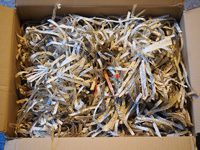 Do you have a pile of papers collecting dust on your desk, in your filing cabinet or in a safe? Instead of stockpiling every electric bill, tax return and retail receipt from the last 20 years, learn which papers to keep and which to toss.
Bank records – Shred your checking and saving account statements monthly or after you reconcile your accounts.
Credit card statements – Shred them after you pay the bill except if you need to prove a charitable donation for your tax return.
Health records for humans and pets – Keep medical records and paperwork that documents your health history, including details about medications, immunizations, x-rays, medical tests, surgeries and major health events.
Instruction manuals – Keep these papers until you sell the item.
Insurance policies – Save copies of your auto, home or renters insurance policies to prove you’re covered and to compare coverage during your annual renewal. Shred the old copies when you get new ones.
Investment statements – Shred monthly and quarterly statements but keep annual ones until you sell the investments.
Loan documents – Shred closing documents for loans after you pay them off.
Pay stubs – File with your tax return information until you file your taxes and then shred them.
Retail receipts – Shred or toss receipts after you reconcile your receipt with your budget. Keep them if you need to return an item, purchase items that are eligible for a tax deduction or wish to retain proof of an item’s original cost.
Savings bonds – Keep them until you cash them in.
Tax returns – Retain them and any supporting documents for seven years in case you are audited.
Utility bills – Review each month’s bill for errors then shred them.
Vehicle records – Retain receipts, registration info, titles and maintenance and repair records until you sell the vehicle.
Warranties – Store these until you sell the item.
The following papers you should store in a safe place indefinitely. Consider making copies of these documents, too, and storing them in a location outside of your home.
-
- Birth certificates
- Social Security cards
- Marriage licenses
- Divorce decrees
- Military service records
- Pension-plan documents
- Estate-planning documents that pertain to your will, power of attorney, end of life and trusts
- Life insurance policies
- Death certificates
Whether you store your papers in a pile on your desk or in a safe deposit box, reduce clutter when you understated which papers you need to keep.
Read more
Is your vehicle ready for spring break travel? It will be when you follow this checklist of six helpful tips.
1. Fill the Fluids
Windshield wiper fluid, coolant, oil and transmission fluid deplete quickly over winter. Fill them to the recommended level for your vehicle as you prepare the engine to operate properly in warmer weather.
2. Check the Tires
After carrying your vehicle over rough winter roads, your tires need some tender loving care. Check the tread and make sure it’s sufficient to handle the wet roads you’ll encounter this spring. Then inflate the tires to the proper pressure as recommended for your specific vehicle. Consider a wheel alignment, too, as you ensure your tires are ready to work hard all season.
3. Replace the Wiper Blades
The wiper blades work extra hard all winter as they remove ice and snow from your windshield. Protect your view and safety when you replace the wiper blades.
4. Wash the Exterior
Salt and grime build up on your vehicle’s exterior and can cause corrosion, rust and damage. Wash off winter dirt with a high-powered hose at home or at the car wash. Reach the under-body, lower doors, roof and all exterior surfaces.
5. Clean Out the Interior
Food wrappers, mud and a dirty windshield create an untidy interior. Plus, salt residue can destroy the fabric on your vehicle’s floors and seats. Grab a trash can, steam cleaner and wash cloth as you clean out the inside of your vehicle this season.
6. Update Your Auto Insurance
Insurance requirements don’t change with the seasons, but double check your coverage as part of your prep for spring break travel. Make sure your coverage meets your needs and renew your policy if necessary. With the right insurance coverage, you have peace of mind wherever the road takes you.
Where are you traveling this spring? Make sure your vehicle is ready when you follow these six tips.
Read more
