 Have a safe Labor Day Weekend!
With real estate inventory shortage in most areas in California (and the rest of the country), making an offer to buy a home requires some finesse. Most sellers agents are taking backup offers and are expecting bidding wars.
There are those that negotiate for the most reasonable deal possible and those that negotiate for the sake of negotiating. Sellers and buyers alike need to realize that the best deal possible is one where both get what they want in the deal.
This isn’t necessarily an easy point to arrive at and is often a lesson in patience. In real estate, there’s something called the X-factor – a potential home buyer spends countless hours viewing properties until they finally find their perfect home. Instead of making an offer based on what the value of the home is to them and what comparable prices are, they immediately start to ponder how much less they should offer than whatever the asking price might be.
Sorry, but there isn’t some tacit X-factor percentage that should just automatically be subtracted from all listing prices. Home owners are more often than not just as eager to sell as the buyer is to buy. If so, the price of the home is usually realistically priced and priced closely to its comps.
Still, the quest for a deal spurs many to start with a low-ball offer that’s not only unrealistic, but often insulting to the seller. If the seller is offended, negotiations usually die before they’ve ever begun. So, any serious buyer shouldn’t have some magic automatic deduction from an asking price in their head. Look at the comps in the area and determine what the value of the home is for you based on how congruent it is to the needs and desires of your family.
How a purchasing price is arrived at for both owner and buyer is a very personal process. When accepting an offer, a buyer considers how fast they need to sell the home, how bad they need to sell the home, pressures from having already purchasing a replacement home, what is owed on the home, and so forth.
On the other hand, two potential buyers can look at the very same property and come up with two very different personal values for the home, depending on how congruent it is with each of their needs, the location of the home, appeal of the home, amenities, school system, and so forth. Aside from personal value, buyers and sellers must also look at the how much a lender will lend on the home based on it appraisal.
Price isn’t the only thing negotiated during the sale of a home. There’s also time lines, what will stay and go from the home, and who will pay for any problems found upon professional inspection. The most important thing for buyers and sellers to remember is that negotiating isn’t about one side getting everything they desire; it’s a give-and-take process of compromise.
To avoid a winner-take-all complex from forming, buyers and sellers should both have a list of top priorities prior to starting any negotiations. As new issues arise during the process, priorities might need to be re-evaluated to see if the priority is truly a must have for the home to change hands.
Many problems, such as fees and repairs, often can be solved by the buyer and seller meeting in the middle. Agreeing to split the costs evenly can be a much better option than wasting time and money to negotiate for weeks. For example, a seller that will pay another mortgage payment because of the additional time spent negotiating might actually find it cheaper to pay half the cost of a minor repair and close the deal before the next note is due.
Sometimes there are legitimate deal breakers. If so, then it just wasn’t the best option for the parties involved. But, before giving up, do try mulling over the troubling aspect of the negotiation for a few days. You can move on to the other areas of the negotiation. If everything else is agreed on, then there may be more encouragement to compromise on the problematic area.
Read more
 Drone operation does include cyber risks you should understand before you operate your machine.
Remote Takeover
Most drones operate via a Wi-Fi or Bluetooth connection through your smartphone or tablet. The connection may not be secure, though. A hacker can jam, intercept or terminate the connection or GPS, take over your drone and steal it or crash it into something.
Malware
The computer or mobile device you use to operate your drone could become infected with malware. It can affect the connection to your drone and cause the machine to crash and potentially cause physical or property damage.
Access Photos or Videos
A camera attached to your drone can transmit stunning photos and videos from the air. These images are usually transmitted over an unsecured FTP server which a cyber attacker could access and share. This privacy breach is your responsibility.
Ways to Protect Your Drone
Protect your drone from cyber crime when you take several steps.
Ask the seller about their cybersecurity measures.
Most drone sellers include the machine’s cybersecurity information on their website. If you can’t find it, contact the company for additional information.
Test your drone’s security.
Hire a cybersecurity professional to test your drone and ensure it’s safe from cyber threats.
Connect to your drone via radio control.
Use a secure radio control connection since Wi-Fi and Bluetooth connections rely on unencrypted data links that are vulnerable to hackers.
Subscribe to a VPN service.
A Virtual Private Network (VPN) encrypts your internet connection and protects it from hackers.
Install a seL4 operating system.
Equip your drone with new seL4 OS technology. This operating system isolates various functions on the drone, preventing a hacker from taking over your machine.
Install an anti-virus program.
Reduce viruses, malware and other threats when you install protective programs on your computer or mobile device. The most secure programs provide real-time antivirus and anti-theft protection.
Vary your flying habits.
When you fly your drone in the same flight paths and at the same time every day, you make yourself vulnerable to hackers. Instead, vary your flying habits and throw hackers off your trail. Consider flying in remote locations, too.
Purchase drone insurance. Call us.
A drone insurance policy provides you and your drone with important coverage. Look for a policy with:
- Broad, legal and premises liability coverage
- Personal injury and medical expenses
- Hull coverage
- Extra equipment coverage for any on-board cameras, tools and equipment
- Invasion of privacy
Your drone is vulnerable to several cyber risks. Know the risks and how to stop them so you can enjoy your drone and keep it secure.
Read more
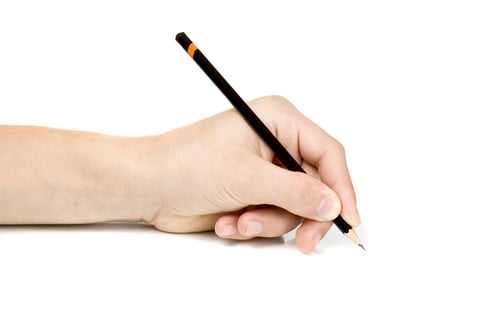 If you’re one of the 10 percent of Americans who are left-handed, August 13 is your day to celebrate. It’s also the perfect day to learn how to prevent carpal tunnel and keep your wrists strong and healthy.
What is Carpal Tunnel?
Between your thumb and ring finger, a median nerve controls the majority of your hand’s movement and feeling. The carpal tunnel area surrounds this nerve. If it swells, you’ll experience tingling, numbness, pain and weakness.
Who’s at Risk?
Anyone who performs repetitive tasks could develop carpal tunnel syndrome. So, if you type, play sports or an instrument, sew, assemble products or drive, you’re at risk. Certain health challenges, including inflammatory disease, diabetes, Lyme disease and ganglionic cysts, also increase your risk.
How do you Stop Carpal Tunnel Syndrome?
While icing your hands can reduce swelling, you’ll also want to limit wrist movement by changing the way you perform repetitive tasks. You can also perform exercises that strengthen your hands and wrists while reducing pain.
- Hold your arms in front of you and point your fingers toward the ceiling. Hold the pose and count to five, then relax your arms to your sides. Make fists and bend them toward the floor until you count to five. Relax your hands and wrists again before repeating these steps 10 times.
- Hold your left hand out with your palm facing away from you. Use your right hand to pull your left fingers toward your body. Repeat with the right hand.
- Place your hands together as if you were praying. Turn your wrists until your fingers point toward the floor. Breathe deeply, hold for 5 seconds, press your palms more firmly against each other and hold until you feel your wrists stretch.
If the pain continues, see your doctor. Your Human Resources manager can verify if the exam, tests and any special equipment are covered as you protect your hands and wrists while celebrating Left-Handers’ Day.
Read more
 Whether you are outdoors — on the job or at play this summer — or working indoors in a hot environment, you need to know how to cope with hot and humid conditions that can pose serious dangers to health that the heat brings.
The human “cooling system” uses perspiration and blood vessels to regulate body temperature. However, when someone is working hard in the heat, especially when it’s also humid, this system can break down, raising the person’s temperature and heart rate. Although people who are past middle age or have health problems are especially vulnerable, the young and healthy can also suffer from heat-related conditions.
Overheating also affects the brain. A temperature hike as little as 2 degrees can impair mental functioning, which makes heat an underlying cause of job accidents, as diminished ability can lead workers to overlook hazards and make mistakes.
In order of seriousness, heat hazards — and their remedies — include:
- Heat rash — Can be irritating: Take a shower and use a little talcum powder.
- Heat stress — Symptoms include thirst, vision problems and/or feeling woozy or tired: Drink a cool, non-alcoholic beverage in a shady place.
- Heat cramp — Involves pain from twitching muscles caused by losing salt from perspiration: Get into the shade and take cool fluids.
- Heat exhaustion — Look for heavy perspiration, fatigue, queasy stomach, and chilly, clammy skin: Put the person in the shade, with their feet slightly elevated, provide a cooling beverage (unless the victim is nauseated), and be prepared to seek medical assistance.
- Heatstroke — Can be a fatal condition, characterized by a lack of sweating, a temperature elevated by up to five degrees, hot skin, mental confusion, and loss of coordination: Call paramedics immediately — and then get the victim to a shaded spot and keep him or her cooling down with cold water sponges or ice packs until help arrives.
To help keep you, your family and your co-workers protected from the heat, we’d recommend that you advise everyone to:
- Wear sunglasses for protection against exposure to UV rays;
- Apply sunscreen with an SPF of 30 or more to minimize the risk of cancer or sunburn:
- Keep hydrated with plenty of cool — not cold — water and beverages free of alcohol or caffeine;
- Minimize exposure to the sun by going indoors or staying in the shade during the heat of the day; and
- Eat light meals with small servings of fruits and vegetables (which are rich in fluids).
For valuable information on dealing with heat-related issues, check out the National Oceanic and Atmospheric Administration (NOAA) web page, Heat: A Major Killer.
Read more
 Happy Father’s Day! What do you most appreciate about being a dad? With Father’s Day approaching, there’s no better time than today to protect your health. Learn about the top health risks men face and ways to combat these risks so that you can enjoy many more years with your children.
1. Heart Disease
The top killer of men, heart disease, stroke and peripheral vascular disease are preventable. However, you will need to address the leading causes of heart disease. Do that when you stop smoking, lower your blood pressure, reduce your bad cholesterol levels and get your diabetes under control. An exercise regimen and healthy diet also help.
2. Lung Cancer
The top cancer among men is also the most preventable. Because smoking is the cause of 90 percent of lung cancer cases, talk with your health insurance company about available cessation programs and tools that assist you in getting healthy today.
3. Prostate Cancer
The second-leading cancer in men, prostate cancer can be prevented when men undergo an annual prostate-specific antigen (PSA) blood test and rectal exam. These tests should begin by age 50 or sooner if this cancer runs in your family or if you eat a high-fat diet.
4. Diabetes
If diabetes isn’t controlled, you could contract vascular disease, which leads to heart attacks, amputations, blindness, kidney failure and nerve damage. Medical treatment, a balanced diet, routine exercise and an active lifestyle can help you prevent or control diabetes.
5. Suicide
Four times as many men than women commit suicide. Men are also more likely than women to resist treatment for depression, frustration and other challenges. Asking for help is a sign of strength and can help you cope with life before you feel self-hated or a desire to commit suicide.
As a dad, focus on your health this Father’s Day. Schedule a physical exam with your primary care physician, and commit to living a healthier lifestyle. Your children will thank you.
Read more
As Americans take to the roadways in record numbers (post pandemic), here are some safety pointers that may be useful to you and your loved ones.
 In your vehicle, it’s easy to feel like you’re secluded from everyone else on the road. Your vehicle is one of many on the road, though. Above all else, you must always prioritize safety and use these etiquette tips.
Obey the Rules of the Road
Every rule of the road applies to you, so obey the speed limit and stop, yield and merge signs. Your agenda is never more important than safety.
Be Considerate
You share the road with other drivers, bikers and walkers, so be considerate. Give other drivers the right of way, let other drivers pass if they’re in a hurry and yield to pedestrians. Don’t demand your own way or give into road rage. Show consideration and make the commute safer for everyone.
Take Turns
When the road narrows from two lanes to one or traffic slows for an accident, take turns merging. It’s better to let someone go in front of you than to cause a pileup.
Turn on Your Headlights
Your vehicle’s headlights allow you to see clearly as you drive at night or in certain types of weather. Remember to turn off your high beams when another car approaches. Also, don’t use your headlights as aggression toward another driver.
Use Your Horn Sparingly
The horn in your vehicle is designed to alert other drivers of dangers. In certain occasions, it’s appropriate to honk your horn, but use it sparingly and remember that laying on the horn is poor manners and a sign of aggression.
It’s appropriate to lightly beep your horn when:
- The light turns green and the driver in front of you is distracted
- It’s the other driver’s turn at the intersection
- Another driver is ready to cut you off because you’re in their blind spot
Do not use your horn to:
- Scold drivers who are speeding or being unsafe in other ways
- Vent your frustrations
Respect Emergency Vehicles
Ambulances, fire trucks and police cars also use the roadways. When you see flashing lights, slow down and pull off to the right side of the road. Wait for the emergency vehicle to pass and then merge back into traffic.
Pull Off the Road if You’re in a Fender Bender
Minor fender benders do occasionally happen. Instead of stopping your vehicle in the middle of the road, pull off the road safely to assess damage and discuss the next step, which may include exchanging insurance information, with the other driver.
Report Emergencies
When you pass a vehicle with its emergency lights on, stop and offer assistance. You can also call 911.
Etiquette goes a long way toward maintaining roadway safety for everyone. Share the road, remain calm and use your manners as you drive safely.
Read more
