With more people working from home and spending more time on their screens (phones and computers), here are some useful tips to assist you in promoting healthy eyes.
Evaluate and Adjust your Workspace
Staring at a computer screen or repetitively assembling widgets for hours at a time strains eyesight. Remind co-workers to evaluate their workspace, identify any strain or damage risks, and make adjustments that protect their eye health, such as:
- Turn down the screen brightness and reduce blue light.
- Reposition work materials to between 20 and 26 inches from your eyes.
- Adjust your chair and posture so your worksite is slightly below your eyes level.
- Look at something 20 feet away for at least 20 seconds once every 20 minutes.
- Increase the screen font or use a magnifying glass to see small items.
- Blink regularly throughout the day or use eye drops to prevent dry eye.
Wear the Correct Eye Safety Equipment
Those that work with hazardous materials or operate equipment need to wear the proper eye safety equipment. Glasses, goggles and helmets, along with three steps, protect their eyesight.
- Wear eye safety gear at all times.
- Ensure the eye protection fits properly.
- Replace worn or torn eye safety equipment immediately.
This month, schedule an eye safety equipment inspection. co-workers
Encourage a Healthy Diet
The right foods can prevent eyesight deterioration and protect eyes from damage. For optimal eye health, eat foods that are high in zinc, vitamin C, vitamin E, and omega-3 fatty acids, such as:
- Green leafy vegetables.
- Non-meat proteins, including eggs, beans and nuts.
- Oily fish like tuna and salmon.
- Citrus fruit and juice.
To promote an eye-healthy diet, stock these foods in the break room or serve them during lunches.
Promote Regular Eye Checkups
An optometrist checks for vision changes and reviews eye health. The eye’s health and condition can even indicate a person’s risk of developing diabetes, hypertension or other chronic illnesses.
Read more
 You pay premium prices for great Internet, now that you work remotely (from home). You need high speed Internet, so getting it back up to speed when it starts to slow down is a top priority. Here’s a quick troubleshooting guide to help you determine whether you can apply a quick fix, or if you might need to make a phone call:
Boosting Your Wifi Signal
The issue might not be your Internet connection, but your Wifi signal. It doesn’t matter how fast your web connection is when you’re too far away from your Wifi router or it’s putting out a weak signal. Plug directly into your Internet with a wired connection. If it runs fine, you may simply need to buy a more powerful router, switch to wired connections, or rearrange your office space so that your router can reach everyone who needs it. Also, consider a ‘mesh’ wireless system.
Someone’s Doing Some Heavy Downloading
Let others know that business-class internet doesn’t mean “Go ahead and do all your bit torrenting at the office from now on.” Downloading twenty eight movies at once while uploading fifteen others is going to slow you down.
Do a Security Check
Your network may be infected with a worm. More so than most viruses and malware, worms can really drag your connection down to a crawl. A network scan will be able to help you root out the intruder if this is the case.
See if Someone is Stealing Your Wifi
You can check your router device list to see if someone is connecting without permission. If so, you can change the password, and/or switch your security settings to WPA2-AES.
Call Your Provider
Call your provider and ask there are any issues in your area. It may simply be a temporary issue that they are already hard at work rectifying. And if that doesn’t work…
Start Shopping Around for a New Provider
Your provider might just not be up to the task of providing you with top-notch business grade Internet. If there are competing ISP’s in your area, don’t hesitate to get some quotes and compare download speeds. Brand loyalty is all well and good, but you don’t owe it to an ISP that isn’t providing.
Read more
Look around your home, and you probably see a variety of things you no longer value, use, want, or love. Make time in February to declutter your home and donate the proceeds to a good cause. Several tips can help you tackle this task with success.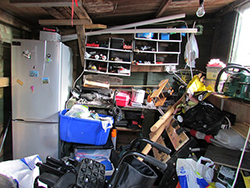
Have a Goal
Decide which areas you want to declutter and when you want to finish the project. With a goal, your motivation to stay on track increases.
Create Five Bins
Stay organized as you declutter with bins or boxes. Label them keep, donate, trash, recycle, and relocate.
See if it Works
Toss items that don’t work or are broken unless you fix them immediately.
Consider When you Used it Last
Items you haven’t used in six months probably aren’t essential for your daily life and can be sold or donated.
Decide if you Love It
Your home is a calm and peaceful haven that should be filled only with stuff you love. Give yourself permission to get rid of items that no longer bring you pleasure and joy.
Forget Sunk Costs
Maybe you did pay a fortune for your clothes or kitchen gadgets, but if these items only take up space, sell or donate them. Forget the amount of money you paid and consider instead the value these items add to your life now.
Set a Timer
Improve your success and avoid feeling overwhelmed when you set a timer for 10 minutes. Stop working when the timer beeps and take a break before you begin again.
Play a Game
If you get stuck, turn decluttering into a game.
- Sort all the green, round or smooth items in the room.
- Toss 12 items, donate 12 items and keep 12 items.
- See how fast you can fill a bag of trash or donations.
- Challenge yourself to donate 20 or more pounds of stuff.
- Race your family members to finish decluttering your assigned areas first.
Take Pictures of Sentimental Items
The heirlooms you inherited from grandparents hold sentimental value, but it’s okay to let them go. Take a picture of sentimental items and donate or sell them as you clear out your home.
Donate Responsibly
Consider giving your items to a local charity or organization. Alternatively, you can organize a yard sale and donate the proceeds to a charitable cause.
Update your Home Insurance
After you declutter your home, review your home insurance policy. Update the policy limits, remove any riders you no longer need and verify that you have the right coverage for your current needs.
This February, commit to clearing out your home.
Read more
February marks National Time Management Month. Here are some tips you can implement this month.
Identify Time Wasters
Time-tracking software helps you determine exactly how much time you spend doing various tasks throughout the day. Use the data to make tweaks to your schedule.
Create Goals
You decide how to spend your hours at work, so create at least one time management goal this month. It should be SMART:
- Specific.
- Measurable.
- Attainable.
- Relevant.
- Timely.
Schedule your Day
Always create a schedule either on paper or online as you organize your day. Plan your day or it will plan you.
Prioritize Tasks
Remember to prioritize important tasks that must get done today. Otherwise, urgent tasks will take over your time, leaving important tasks unfinished.
Set a Timer
Racing the clock to finish a task within a certain amount of time can encourage you to work harder and smarter. A timer can also remind you to take breaks, which are proven to improve productivity, focus and creativity.
Respect your Energy
Like you have limited hours in a day, your energy has limits. Schedule important or tough tasks for high-energy times, and use low-energy times for easy or mundane jobs.
Boost Concentration
Every interruption affects your focus and wastes valuable time. Close your office door, turn on soft music or wear noise-canceling headphones as you limit distractions and solely focus on each task.
Say No
You’re in charge of your time. Learn to say no to tasks that don’t fit into your schedule. You may also need to learn how to advocate for yourself if your boss assigns too many tasks.
Allow Extra Time
After you calculate how much time a task will take, add a few minutes. This extra time serves as a buffer in case you encounter a delay or other issue.
Delegate
Consider which tasks on your to-do list you can give to someone else. Delegating frees you to focus solely on the projects you alone can do.
Organize your Office
Looking for a misplaced paper or file wastes valuable time. Keep your desk and office area tidy so you everything you need is within easy reach.
Cut Meetings
Before you schedule a meeting, decide its agenda and invite only essential personnel. Enforce time limits on meetings, too.
Offer Rewards
Give employees a reward when they achieve their time management goals. A leather planner, clock or timer promotes ongoing efficiency.
Managing time is one way to improve productivity and job satisfaction. Encourage your employees to implement these time management tips this month.
Read more
One in five people resolve to lose weight or get healthier every January.  Several additional New Year’s resolutions can also prolong your life, so consider adding them to your resolution list this year.
Vitamins help with Illness Prevention
Regular doses of Vitamin D – followed with 15 minutes of sun exposure (to activate the Vitamin D), Multi-vitamins, Zinc (with Amino acids to help Zinc absorption)
Eat Fewer Calories
Food fuels your body, but when you eat fewer calories, you lose weight and reduce your risk of developing heart disease, diabetes and certain cancers. Choose a smaller plate, chew each bite carefully and stop eating when you start to feel full to eat fewer calories and prolong your life.
Add Brain Foods to Your Diet
Certain foods help your brain and body function properly. Plan to add these brain foods to your diet as you live a healthier lifestyle this year.
- Avocado
- Beans
- Blueberries
- Nuts and seeds
- Pomegranate juice
- Whole grains
- Wild salmon
Meditate Often
Meditation reduces stress and anxiety, improves your mood and boosts your brain’s grey matter, which helps to regulate your sensory perception, muscle control, decision making and self-control. Listen to a meditative CD or simply sit still and relax as you add this practice to your daily routine and gain its benefits.
Learn Something New
When you learn a new skill, you stretch your brain and improve your memory. Resolve to take a college class, learn to edit photos or watch TED talks that enrich your life and your brain with new thoughts, ideas and lessons.
Move Every Day
Regular movement helps you stay fit, improves your overall body function and reduces stress and depression. As a bonus, moving outdoors in nature could lower your blood pressure and boost your immunity. Whether you take a walk, sign up for a dance class or join a sports team, aim to move at least 10,000 steps per day and live longer.
Start a New Hobby
Hobbies like gardening, cooking and reading improve your quality of life. Many hobbies also reduce your stress levels, improve your focus and boost your brainpower. Start a hobby or two, and you increase your enjoyment of life and life expectancy this year.
Play More
Play helps kids develop properly and learn essential skills, and play gives adults important benefits, too. Relax your body and stimulate your mind when you put together up a jigsaw puzzle, join a bowling league, shoot hoops during work breaks and play more in 2018.
Get a Physical
During your annual physical, you and your doctor review your current health and address any ongoing health issues. Prioritize this visit to stay healthy now and into the future.
Resolve to live longer thanks to these resolutions. They improve your life and your health.
Read more

Christmas isn’t the same without lights. Strands of sparkling lights can be hazardous, though, if you forget to follow safety tips as you hang, plug in, store and enjoy these holiday essentials.
Buy lights that are safety tested. Lights without an Underwriters Laboratory (UL) tag may be unsafe to plug in and use.
Inspect lights and plug them in before hanging them. This visual assessment exposes fire hazards like cracked, loose or broken bulbs and frayed, chewed or broken cords. It also lets you replace burnt out bulbs and ensure all the bulbs are the same wattage. After repairing any problems, plug in the lights to ensure the bulbs work and the strands work properly.
Separate indoor and outdoor lights. Strands designed for indoor use should not be hung outdoors because their thin insulation is easily damaged when exposed to cold, wet outdoor conditions.
Hang lights with insulated hooks. Staples, tacks or nails can pierce the strands and cause dangerous electrical shorts and increase the fire risk.
Use extension cords properly. Plug no more than three strands of lights into each extension cord, lay rather than coil extension
cords and use only outdoor certified extension cords for your outdoor lights. If the cords feel hot, unplug the lights for a while to reduce fire risk.
Turn off lights before you go to bed or leave the house. Otherwise, the hot lights could start a fire, and you will be asleep or away
from home and unable to intervene.
Water the tree regularly. A dry tree and hot lights are an unsafe combination.
Store lights properly to prevent damage and simplify decorating next year. Instead of stuffing them in a box, carefully wind the
light strands, secure them with twist ties and store them in plastic bags. Alternatively, wrap the strands around a paper towel tube and thread the ends through the tube’s hollow center.
Hanging lights is a fun and festive holiday tradition. With these safety tips, you have peace of mind as you enjoy your sparkling home all season.
Read more
