
An owner-controlled insurance program (OCIP) is a type of a wrap-up insurance policy commonly used to insure construction projects. OCIPs replace the traditional method of insuring construction projects – that is, where the various parties involved obtain their own insurance coverage.
Instead, OCIPs provide the participants of a construction project with insurance coverage under one policy controlled by the project owner.
OCIPs offer a number of important benefits to the parties involved, particularly as it relates to the following:
Potential cost savings. OCIPs allow project owners to avoid the costs associated with contractors who carry overlapping insurance coverage as well as markups by contractors who would otherwise pass their insurance costs on to the owner. What’s more, project owner’s bulk purchasing power and economies of scales allow insurance to be obtained at a discount.
Peace of mind. OCIPs consolidate insurance policies into one, uniform insurance program, guaranteeing the owners that individual contractors and subcontractors are adequately covered. Under OCIPs, project owners do not have to worry about the availability or adequacy of insurance coverage for individual contractors on the job site, differences in policy limits and deductibles, or liability that may arise if a contractor allows its insurance coverage to lapse.
Streamlined claims handling. OCIPs facilitate more efficient and simplified claims processing. Under most OCIPs a single insurance company is the control point for reporting claims, conducting investigations and making payments. With one insurer, claim settlement procedures are more consistent.
Reduced litigation. OCIPs can reduce potential litigation and disputes between insurance companies. With traditional insurance policies where each contractor purchases coverage through separate insurance companies, there is a greater chance of lawsuits being used to settle accident and injury claims. By relying on one central insurer, OCIPs eliminate the incentive for litigation amongst insurance companies.
Access to contractors. OCIPs give project owners more flexibility when selecting contractors, because a contractor’s ability to meet minimum insurance requirements of the project is removed from the equation. As a result, the total pool of contractors available to a project owner is expanded through an OCIP.
Safety initiatives. OCIPs allow for the development of a centralized safety program covering the operations of all contractors and subcontractors. This in turn, can improve overall workplace safety for the parties involved in a project.
Length of coverage. OCIPs cover the life of a project plus an extended completed operations period.
Read more
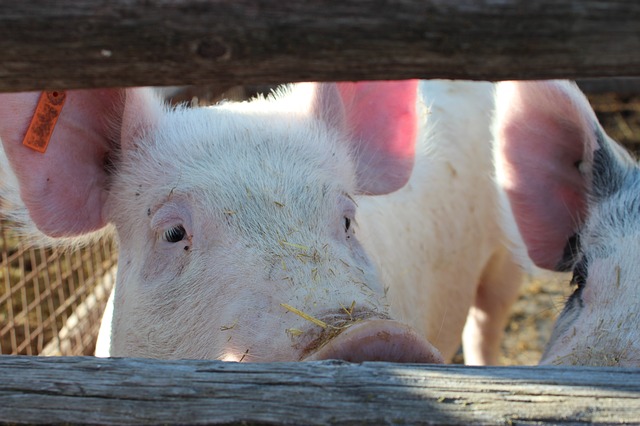
It is obvious that farming can be a dangerous profession, but those working in the commercial hog farming business are exposed to particularly hazardous situations on a daily basis. As a hog farm employer, you need to continually analyze your risks to keep your business afloat. These risks not only include the health and safety of your employees, but also the physical condition of your product, which is crucial to maximizing your profits.
Keep Your Hogs Healthy and Profitable
One of the biggest risks when farming any type of animal commercially is ensuring they stay healthy so you can stay in business. Efficient operations increase profitability by reducing the spread of disease and integrating operations; however, small operations can also turn a profit by specializing in a single stage, keeping hogs healthy and raising them humanely.
As an employer, you must understand the nature of your exposures and exactly how they happen in order to prevent them from occurring at your facility.
Depending on what kind of business you run—whether it is farrow-to-finish, growing, wean-to-finish, breeding, large or family-run—your risks will change. Most of these hazards you are already aware of and take protective measures to prevent, but there are a few common sources of loss that may be overlooked.
Minimize transport loss. A recent Iowa State University study looked at more than 2 million hogs and found that more than 17,000 of them had the potential for reduced value at the processing plant because of carelessness during the transporting process. The National Hog Farmer reports loss averages as high as 2.4 percent per trailer load transported to slaughter plants in the United States over the past seven years.
While this loss might seem negligible, it could accumulate into thousands of dollars in lost business and make a huge difference in a tough market. Consider training your truck drivers and loading crews more thoroughly to emphasize gentleness of starts and stops and proper handling in the sorting, moving and loading process. Also, ensure that your trailers maintain an acceptable temperature and have suitable ventilation even when the vehicle is stopped.
Emphasize disease control. Improperly managed manure removal systems could cost you money in the form of dwindling health of your hogs. Manure buildup in barns holds the possibility for disease, especially Escherichia coli (E. coli), which is particularly fatal in piglets.
Maintain good hygiene and proper temperature control in farrowing crates to lower your mortality rate and increase productivity and profit. In addition, better hygiene leads to healthier hogs, and healthier hogs gain weight more quickly and easily than those exposed to manure buildup and noxious odor. You might consider looking into technological innovations in hog waste and lagoon management systems to help. Between 5 and 10 percent of U.S. hogs are removed from the industry every year because of death and disease, so it is important to stay ahead of your competition by implementing good, healthy practices.
Avoid unsound contracts. Farming is a dangerous occupation, and it is also an unpredictable one. If you depend on outside resources for corn, soybeans, water and medications, make sure these inputs will always be available. Feed inputs can suddenly be in short supply because of bad weather or because of competition from other non-feed harvests. Enter into solid business contracts with these providers to guarantee plenty of supplies for your anticipated number of pigs and hogs.
Keep Your Employees Healthy and Productive
Just as keeping your hogs and pigs healthy is crucial to your business, ensuring your employees are able to work and that they are in a good environment will also help you stay in business and turn a better profit. There are three major employee health concerns specific to the hog farming industry that you should work to avoid or minimize:
Respiratory problems.
According to the University of Iowa’s College of Public Health, one quarter of those working at hog farms have one or more documented respiratory problems. The most common are chronic bronchitis and asthma-like wheezing, which could both be caused by dust, endotoxin and/or ammonia exposure.
Professors at Iowa’s College of Public Health suggest using an extra one percent of oil or fat in the hogs’ diet and reducing the distance between feed drops and feeders to reduce the amount of dust in the air from feed, microbes, dried manure and pig skin cells. Require your employees to use the proper respirators if they will be working more than two hours per day in the barn.
Manure gas exposure.
Manure pits more than three feet deep that are agitated after a long period at rest release hydrogen sulfide gas, which is extremely dangerous. Consider enacting a policy that requires employees to exit the building during agitation and for the 30 minutes following in addition to requiring the appropriate personal protective equipment (PPE).
Also, it is important to empty the pit three or four times per year to reduce the amount of gas buildup. Another option is to raise the pH of the manure to keep gas from escaping the pit and potentially harming employees.
Accidental needlesticks.
ese types of incidents are far more common than expected, and the injection of chemicals meant for animals can be exceptionally dangerous to humans. Accidental needlesticks can result in several types of injuries, including inflammation, infection and hyperimmune responses. Needlesticks involving reproductive hormones can be even more hazardous for female employees, causing hormone imbalance and even miscarriages.
Instruct employees to practice caution when removing needle caps and disposing needles. Keep the proper material data safety sheets (MSDS) on file in case of a needlestick, and do not force female workers to work with hog reproductive hormones if they feel uncomfortable.
Remember that in addition to these hazards, general farming industry dangers also are present. Examples of farming risks you should bring up with employees are proper animal handling, hearing protection, proper machinery and equipment use, repetitive motion hazards, safe lifting techniques and protection against slips, trips and falls.
Be Kind to Your Neighbors
Hog farms garner lots of media attention, especially in Iowa and North Carolina, where the industry is largest. However, not all of the publicity is positive. There is growing concern among scientists that hog farm odor and byproducts could be hazardous to the environment and to people living near large operations. There have been several lawsuits recently involving neighbors of large hog farms who claim the byproducts are negatively affecting their health. Legal issues can be financially draining and negatively affect your business both at a profit level and in terms of reputation.
While there is limited evidence supporting residents’ claims that hydrogen sulfide gas omitted by large hog farms leads to serious neurological damage of people living nearby, it does not hurt to be cautious. Avoid the increasingly more common practice of spraying liquid manure into the air when the chemical levels in collection pools get too high. Regularly test the air in and around your facility for hydrogen sulfide and ammonia concentrations—the recommended standards vary by state, but they are generally around 15 parts per billion and 150 parts per billion, respectively.
In general, comply with the Occupational Health and Safety Administration’s (OSHA) standards of hazard control. Also, take additional care when disposing of chemicals and waste, and always keep the risk of litigation top-of-mind.
If you have additional questions about your exposures as a hog farm employer, contact Scurich Insurance at 831-661-5697.
Read more

Hiring youth workers—many times to fill seasonal positions—can be an integral component to your organization’s hiring plan. Early work experience can also be a great opportunity for teenagers to learn important skills.
To promote positive and safe work experiences, the U.S. Department of Labor (DOL) has a series of regulations relating to the employment of minors. These provisions are designed to protect young workers by restricting the types of jobs that they perform and the number of hours they work. It is important to follow all federal, state and local laws regarding the employment of minors to ensure that your business remains compliant and protects its reputation.
Listed below are some age-specific workforce regulations, as presented by the DOL’s YouthRules! initiative.
Rules for Workers Under 14 Years of Age
In general, youth workers who are under the age of 14 are limited on what type of jobs they can do. Workers who are under 14 years of age are only permitted to do the following jobs:
- Deliver newspapers to customers
- Babysit on a casual basis
- Work as an actor or actress in movies, TV, radio or theater
- Work as a homeworker gathering evergreens or making evergreen wreaths
- Work for a business owned entirely by their parents as long as it is not in mining, manufacturing or any of the 17 hazardous occupations
There are different rules in place for minors in this age group who work in agriculture. States also have specific rules for youth workers under 14 years old, and employers must follow both.
Rules for Workers 14 to 15 Years of Age
Similar to workers under 14 years of age, youth workers who are 14 to 15 years old are limited on what types of jobs they can do and what hours they can work.
Job Restrictions
In general, youth workers within this age range are only permitted to do certain jobs, which include the following:
- Work an approved retail position
- Work an intellectual or creative position, such as computer programming, teaching, tutoring, singing, acting or playing an instrument
- Run errands or complete delivery work by foot, bicycle and public transportation
- Complete cleanup and yard work that does not include using power-driven mowers, cutters, trimmers, edgers or similar equipment
- Work in connection with cars and trucks, such as dispensing gasoline or oil and washing or hand polishing
- Work in a kitchen or the food service industry reheating food, washing dishes, cleaning equipment or doing some limited cooking
- Clean vegetables and fruits, wrap, seal, label, weigh pricing and stock items as long as these tasks are performed in areas separate from a freezer or meat cooler
- Load or unload objects for use at a worksite including rakes, hand-held clippers and shovels
Additionally, 14 and 15-year-olds who meet certain requirements can perform limited tasks in sawmills and woodshops, and 15-year-olds who meet certain requirements can perform lifeguard duties at traditional swimming pools and water amusement parks.
If an occupation is not specifically permitted, it is prohibited for youth between the ages of 14 and 15.
Working Hour Restrictions
Workers who are 14 to 15 years old are also limited in what hours they can work. Generally, all work must be performed outside of school hours. In general, youth in this age range may not work the following:
- More than three hours on a school day, including Friday
- More than 18 hours per week when school is in session
- More than eight hours per day when school is not in session
- More than 40 hours per week when school is not in session
- Before 7 a.m. or after 7 p.m. on any day, except from June 1 through Labor Day, when nighttime work hours are extended to 9 p.m.
A “school day” or “school week” for youth workers who are home schooled, attend private school or no school, is any day or week when the public school where they live while employed is in session. There are some exceptions to the hours standards for 14- and 15-year-olds if they have graduated from high school, are excused from compulsory school attendance, or are enrolled in an approved work experience, career exploration program or work-study program. Click here for more information on hours restrictions for youth workers in this age group.
Wage Requirements
In most cases, 14- and 15-year-olds must be paid the federal minimum wage, $7.25 per hour. Minimum wage eligibility varies depending on the type of job and location. Additionally, workers who are younger than 20 and eligible for the minimum wage may be paid as little as $4.25 per hour for the first 90 consecutive calendar days of their employment.
There are different rules for 14- and 15-year-olds working in agriculture and states also have rules, and employers must follow both.
Rules for Workers 16 to 17 Years of Age
Although there are no federal rules limiting the hours 16- and 17-year-olds may work, there are restrictions on the types of jobs they can do.
Job Restrictions
Workers who are 16 to 17 years old may work any job that has not been declared hazardous by the Secretary of Labor. Visit the YouthRules! webpage on workplace hazards for more information on banned occupations for workers under 18 years of age.
Wage Requirements
In most cases, 16- and 17-year olds must be paid the federal minimum wage, $7.25 per hour. Minimum wage eligibility varies depending on the type of job and location. Additionally, workers who are younger than 20 and eligible for the minimum wage may be paid as little as $4.25 per hour for the first 90 consecutive calendar days of their employment.
There are different rules for 16- and 17-year-olds working in agriculture and states also have rules, and employers must follow both.
Rules for Workers 18 Years of Age and Older
Once a youth worker turns 18, most youth work rules no longer apply. There are no limits to the number of hours or types of jobs an 18-year-old can work.
Wage Requirements
In most cases, 18-year-olds must be paid the federal minimum wage, $7.25 per hour. Minimum wage eligibility varies depending on the type of job and location. Additionally, workers who are younger than 20 and eligible for the minimum wage may be paid as little as $4.25 per hour for the first 90 consecutive calendar days of their employment. States also have rules, and employers must follow both.
Summary
Federal and state rules regarding young workers strike a balance between ensuring sufficient time for educational opportunities and allowing appropriate work experiences. Complying with these rules ensures that your organization is providing a safe work environment for teen workers to obtain appropriate early work experience.
Read more
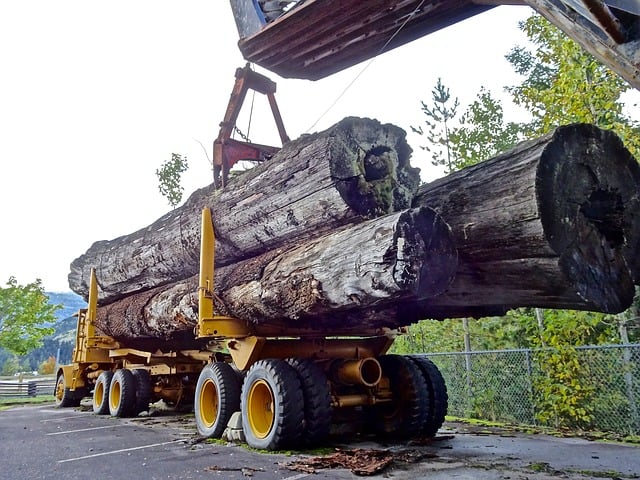
Electricity is one of the leading causes of death for tree-care workers. Tree branches can sometimes be close to power lines, and when trees are uprooted by powerful storms, there is a chance they can take power lines and transformers down with them. Live power lines can pose serious hazards if not fixed properly. Tree-care workers need to know how to stay safe in such conditions.
| Electricity is one of the leading causes of death in the tree-care industry. Workers need to know how to keep themselves and the public safe when electricity poses risks at the worksite |
Be Prepared
- If there is a power line present, never assume that it is safe to touch.
- Assess the worksite for fall and falling object hazards.
- Have an emergency plan.
- Wear properly insulated footwear and other personal protective equipment in case electricity travels through the ground unexpectedly.
- Consider asking the utility company to de-energize nearby power lines.
Follow Safe Work Practices
- Maintain a distance of at least 10 feet from overhead lines, and more than 10 feet if the voltage to ground is over 50 kilovolts.
- Avoid direct and indirect contact with an energized conductor, such as a power line or a tool touching a power line.
- Stand away from grounding elements, as power can travel through the ground.
Wear the Right Gear
- Wear proper gloves and shoes for hazards present wherever tree work is being performed.
- When electrical hazards are present, use rope that provides appropriate insulation and is free of moisture and contaminants.
Be Alert
- Assume that all power lines are energized at all times.
- Anticipate when limbs might fall onto power sources.
- It only takes a moment for a fatality to occur. Always stay alert and be prepared for potential hazards.
Read more

5 Sunscreen Tips to Protect Your Skin
The bright summer months are a great time to be outdoors, but extended exposure to sunlight can cause serious damage to your skin. The sun emits ultraviolet (UV) rays that can lead to sunburn, premature skin aging and cancer.
The best way to protect your skin while still enjoying the outdoors is to regularly apply sunscreen to any area of your body that’s exposed to the sun. It’s also important to use a sunscreen that offers the best protection for the situation you’re in. Here are five important tips you can use to protect your skin this summer:
- Choose a sunscreen that includes broad spectrum protection on the label. These sunscreens will protect you from both types of UV rays.
- Make sure that any sunscreen you use has a sun protection factor (SPF) of 30 or higher. A higher SPF means that more UV light is filtered out before it can reach your skin.
- Use water-resistant sunscreens if you’ll be swimming or sweating in the sun. Also, be sure to inspect the sunscreen’s label to see how long it lasts in the presence of water or sweat.
- Follow the instructions on the sunscreen’s label when applying it to your skin. You should apply the sunscreen evenly to any exposed area of your body. It generally takes 1 fluid ounce of sunscreen to cover an adult.
- Reapply sunscreen every two hours. You may need to reapply it more frequently if you’ve been swimming or sweating, or if it’s been rubbed off by a towel or clothing.
Do Your Sunglasses Offer Enough Protection?
The American Optometric Association estimates that 47 percent of consumers don’t check their sunglasses to see if they offer adequate protection from UV rays.
The eyes are one of the most sensitive areas of the body, and exposure to even a small amount of UV rays can result in cataracts and cancer of the eyelids later in life. Keep these tips in mind when purchasing a pair of sunglasses:
- The sunglasses should block 99 to 100 percent of UV radiation.
- A uniform tint should be present. A gray tint is best for color identification while driving.
- The frame of the sunglasses should stay close to your eyes and curve around your face to offer protection from multiple angles.
Read more

Another global cyber attack was activated on Tuesday, leaving companies across Europe, Australia and even the United States struggling to respond.
This outbreak may be the most sophisticated of a series of attacks initiated after hacking tools were stolen from the National Security Agency and leaked online in April. Similar to the WannaCry attacks in May, the most recent hack involves taking control of computer systems and asking users for digital ransom in order to regain access.
According to a spokesperson from Microsoft, the latest software update used to patch EternalBlue—the Windows software vulnerability that caused previous attacks—should protect against this attack. However, the companies affected may have failed to properly install it. As of Wednesday morning, the following companies had been affected:
- Ukrainian institutions that include the Infrastructure Ministry, postal service, central bank and the country’s largest telephone company
- Russian oil company Rosneft
- The world’s largest container-shipping company A.P. Moller-Maersk
- U.S. pharmaceutical giant Merck
- U.S. food company Mondelez International
- French bank BNP Paribas
- French construction materials company Saint-Gobain
- British marketing company WPP
- German railway company Deutsche Bahn
Although the perpetrators of this outbreak are still unknown, computer specialists have noticed similarities between the ransomware used in this attack and last year’s Petya attack. Like WannaCry, Petya is a quickly spreading worm that affects vulnerable systems. Unlike WannaCry, Petya has multiple ways to spread. This could explain why even victims who applied the EternalBlue patch were affected.
If the most recent attack is related to Petya, it could be far more damaging than WannaCry. Unlike WannaCry, Petya lacks a kill switch to prevent it from spreading. Also, Petya locks and encrypts entire hard drives, while WannaCry only locked individual files.
At the time of this news brief, 30 victims had paid the bitcoin ransom of $300, according to online records, but it isn’t yet clear whether they’ve regained access to their systems. Complicating matters, German email provider Poseo shut down the email account of the hackers in a move that could make it impossible for hackers to restore their victims’ computer access once ransom is paid.
Scurich Insurance will continue to monitor the situation. Contact us if you have any further questions regarding how you can avoid disruptive business interruptions from cyber attacks.
Read more
