Softwood Lumber Prices Keep Climbing
As the lumber dispute between Canada and the United States continues, uncertainty over the softwood lumber supply has increased prices by more than 12 percent since January, according to a National Association of Home Builders (NAHB) analysis. Although the Trump administration is eager for a quick deal to end the dispute, the Canadian government doesn’t see an agreement any time in the near future.
In April, the U.S. Department of Commerce announced an average preliminary 20 percent import tax on Canadian softwood lumber. That could increase to 30 percent after a U.S. decision on new anti-dumping penalties, according to RBC Capital Markets.
The United States imports one-third of its lumber supplies, and more than 95 percent of that comes from Canada, according to the NAHB.
Trump Signs Apprenticeship Order
In an effort to fill some of the 6 million open jobs in the United States, President Donald Trump signed an executive order providing more money for private companies to design apprenticeship programs. The order nearly doubles the $200 million in taxpayer money spent on learn-and-earn programs under a grant system called ApprenticeshipUSA. To avoid using federal money to fund the order, Trump is directing a government review, hoping to streamline over 40 workforce programs across 13 agencies.
There are about 500,000 apprenticeship positions in the country, representing less than 1 percent of the entire U.S. workforce. The executive order addresses the nation’s “skills gap” that has left millions of open jobs unfilled. Apprenticeships would give students a way to learn skills without facing the debt associated with attending four-year colleges.
Critics are concerned about limited government oversight, since Trump’s order does not require all apprenticeships to be registered, and the Labor Department would review the apprenticeships under broader standards. They are also concerned about the oversight of apprenticeship programs that operate under private companies’ control.
Heat App Updated in Time for Summer
The National Institute for Occupational Safety and Health (NIOSH) and OSHA have recently redesigned their Heat Safety Tool mobile app. The free app provides information on what precautions outdoor workers should take to stay safe in hot and humid conditions.
The updated app uses a cellphone’s geolocation capabilities to gather weather data from National Oceanic and Atmospheric Administration satellites. It can forecast the hourly heat index and determine whether the user’s current risk level is minimal, low, moderate, high or extreme. The information can help employers adjust work schedules and workloads.
According to OSHA, more than 65,000 people seek medical attention each year for extreme heat exposure.
Read more
Home Maintenance for the Summer
Keeping up with seasonal repairs and upkeep not only shows pride of ownership, but can reduce the risk of costly and preventable home expenses. Prepare your home for the summer with the following considerations:
Home exterior
- Check all window and door locks to make sure they are secure. Open and close them, and apply lubricant when they are hard to open.
- Inspect your roof and gutters, clean out gutter debris and check shingle integrity.
- Inspect your home’s foundation, sealing cracks and levelling yard depressions with compacted soil.
- Check wooden structures, such as decks and steps, for rotting, loose wood or exposed nails.
Home interior
- Hire a qualified heating, ventilation and air conditioning (HVAC) contractor to tune up your air conditioning unit.
- Examine electrical outlets and cords for potential fire hazards, such as frayed wires.
Garage
- Examine your garage door to ensure that it is in proper working order.
- Declutter by reviewing the contents of your garage. Donate or dispose of items you no longer use or need.
Driveways and walkways
- Inspect your pavement for cracks and holes, and remedy them. This can go a long way in preventing accidental slips, trips and falls.
Painting Safety Precautions
Summer is the perfect time to brush up on painting projects in your home. While paint can beautify a room, it can also be harmful to your health.
Stay safe while painting this summer with the following tips:
- Test for lead with a lead-testing kit—especially if your home was built before 1978.
- Wear a respirator, and open windows and doors to ventilate the room.
- Wear protective gloves and clothing.
- Cover all exposed outlets with painter’s tape.
- Inspect your ladder’s integrity before use, if applicable. Make sure to always have at least three body parts in contact with the ladder at all times.
- Store paint by replacing the lid firmly and storing the can upside down to block air entry.
ATV Safety
As warmer weather approaches, more people will be using all-terrain vehicles (ATVs) for recreation. While riding an ATV is a fun activity, these vehicles can be extremely dangerous. In fact, every year, there are over 300 ATV-related deaths across the United States.
Here’s how to keep yourself and your family safe while operating an ATV:
- Read the operator’s manual and attend ATV instruction classes before riding.
- Wear gloves to reduce vibration pressure and to improve grip.
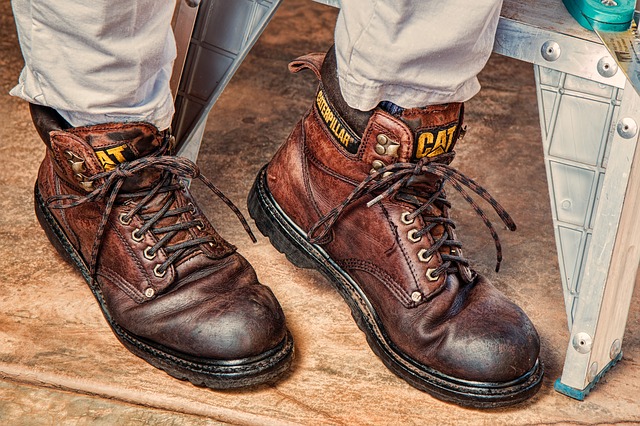
- Wear boots to maintain balance and control, protect feet and legs from debris, and maintain sound footing.
- Wear a long-sleeve shirt and pants to avoid burns and scratches.
- Always be aware of your surroundings. Watch out for wildlife, pedestrians, other ATVs and hazards like rocks, branches and unstable surfaces.
- Drive at safe speeds, taking weather conditions and the terrain into account.
- Never carry additional passengers, or operate an ATV while under the influence of drugs or alcohol.
- Always ride the right size ATV by following the manufacturer’s recommendations.
Reducing Choking Hazards for Small Children
Choking occurs when the brain goes without oxygen for more than four minutes, causing brain damage and death, and is the leading cause of death in infants and toddlers.
If you are the parent or guardian of a small child, it is your responsibility to protect your child from danger. Foods such as hot dogs, whole grapes, nuts, raisins, hard candies and popcorn can be potential choking hazards. Other choking hazards include household items such as latex balloons, coins, small toy parts and marbles.
Protect your child from choking with the following tips:
- Mash foods so they can be chewed more easily.
- Instruct children to chew food before swallowing it.
- Make sure children sit upright while eating.
- Always supervise your child during mealtime.
- Do not give hard foods to children under the age of 4.
- Avoid giving children toys with small parts, and keep small household items out of reach.
Make sure to also learn the Heimlich maneuver for infants, as the procedures for a choking infant are different from those of an adult. Learn the steps here.
Read more
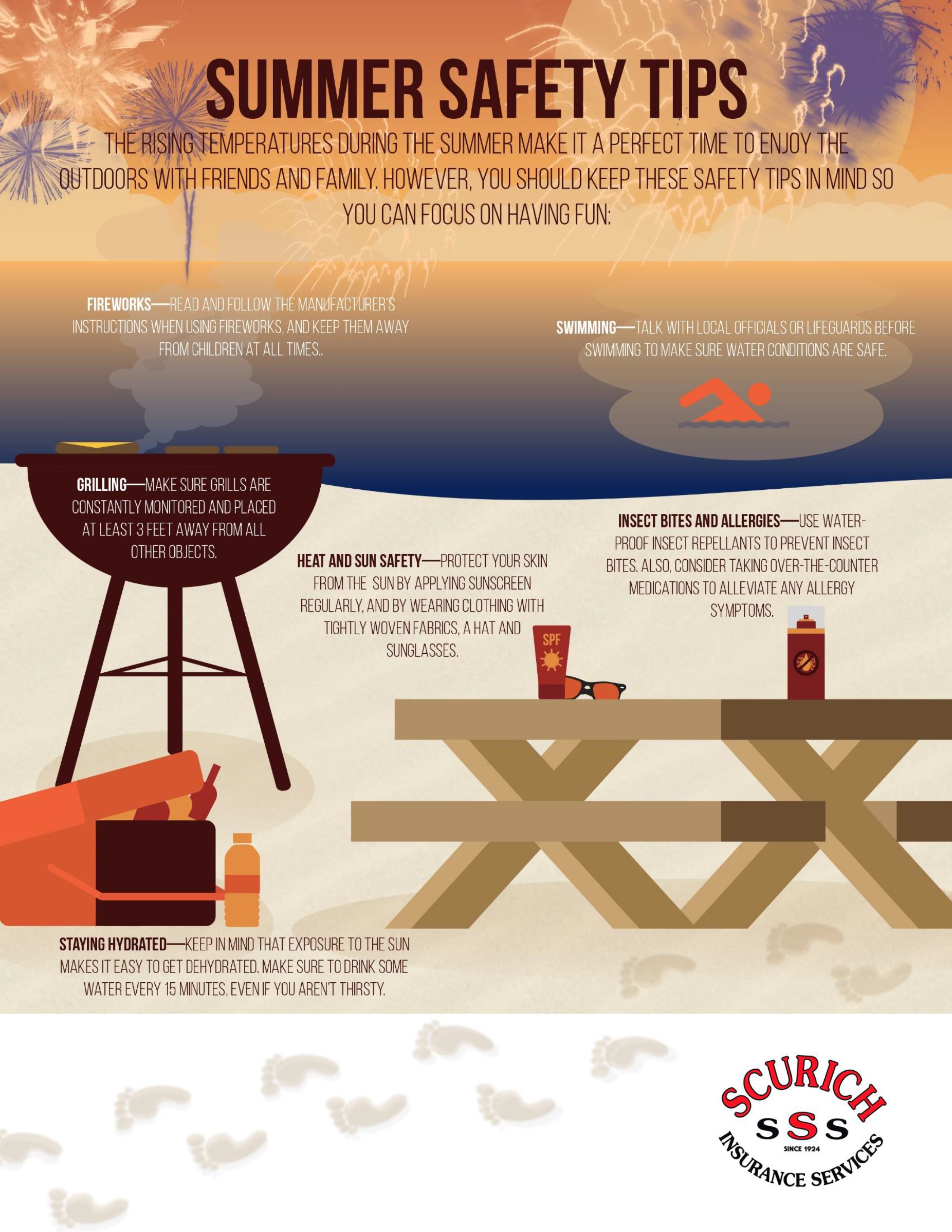
The rising temperatures during the summer make it a perfect time to enjoy the outdoors with friends and family. However, you should keep these safety tips in mind so you can focus on having fun.
Fireworks
Read and follow the manufacturers instructions when using fireworks, and keep them away from children at all times.
Swimming
Talk with local officials or lifeguards before swimming to make sure water conditions are safe.
Grilling
Make sure grills are constantly monitored and placed at least 3 feet away from all other objects.
Heat and Sun Safety
Protect your skin from the sun by applying sunscreen regularly, and by wearing clothing with tightly woven fabrics, a hat and sunglasses.
Insect Bits and Allergies
Use water-proof insect rellants to prevent insect bits. Also, consider taking over-the-counter medications to alleviate any allergy symptoms.
Staying Hydrated
Keep in mind that exposure to the sun makes it easy to get dehydrated. Make sure to drink some water every 15 min, even if you aren’t thirsty.
Read more

Just a few years ago, taking a trip involved contacting travel agencies, booking hotel rooms and making plans far in advance. Today, however, smartphones and the internet have helped create new sharing services that allow homeowners to connect with travelers and rent out their homes, spare bedrooms or other accommodations for a fee.
Airbnb, the most popular of these sharing services, offers a convenient platform that can provide homeowners with an extra source of income. However, renting through Airbnb can also expose you to substantial risks and leave you with costly property damage and liability claims.
Potential Insurance Gaps
Relying strictly on your regular homeowners or renters insurance policy while hosting guests through Airbnb can lead to significant gaps in coverage. These policies are designed to protect you and your family from everyday risks, and not from commercial renting.
If a renter uses your home for even a small amount of time, you and your family will be exposed to significantly different risks that weren’t considered when your policy was drafted. As a result, most homeowners and renters policies won’t cover property damage that’s caused by Airbnb guests.
If you’re considering renting through Airbnb, your first step should be to contact your insurance broker to review your current homeowners or renters insurance policy. While your homeowners or renters policy may allow you to rent your property to a guest, it’s important to keep in mind that each insurer has its own restrictions and requirements. Some insurers may require advanced notice of any short-term rental, whereas others might insist that you purchase an endorsement to expand your coverage.
If you plan to rent out your residence on a regular basis, many insurance companies will consider this commercial use. In many cases, regular Airbnb hosts will need to obtain a commercial insurance policy in order to be properly insured. However, a growing number of insurance companies now offer home-sharing liability insurance policies that can be purchased on a month-to-month basis.
Issues with Airbnb’s Provided Protection
Airbnb does offer its hosts two forms of protection through its host guarantee program and host protection insurance. While hosts may be inclined to rely exclusively on these programs to manage their risks, there are significant gaps related to these offerings.
Host Guarantee
Airbnb backs every one of its bookings with its host guarantee program at no cost, which will reimburse eligible hosts for damages up to $1 million. However, Airbnb readily admits that its host guarantee is not insurance and should not be considered a replacement or stand-in for homeowners or renters policies.
Moreover, payments through the host guarantee are subject to a lengthy list of terms, conditions and exclusions. Therefore, hosts should be aware of the following issues related to Airbnb’s host guarantee:
- Hosts must attempt to resolve any issues with the guests involved prior to receiving any compensation. This also means that a host would have to make a claim on his or her own insurance policy before the host guarantee would apply.
- Any sum collected from a standard policy or a security deposit would be deducted from the host guarantee.
- The guarantee will only repair or replace covered property that is damaged during the time frame of an online booking.
- This guarantee does not cover certain items including, but not limited to, cash, collectibles, jewelry, pets, watercrafts or any damage to property that is not considered a covered accommodation.
For more information on specific elements of Airbnb’s host guarantee program, hosts can review its terms and conditions in full on the company’s website.
Host Protection Insurance
In addition to its host guarantee program, Airbnb offers coverage to its patrons through its host protection insurance. Airbnb indicates that the program provides primary liability coverage for up to $1 million per occurrence in the event of third-party claims of bodily injury or property damage. Despite these claims, hosts should be wary of relying solely on this insurance program for a number of reasons:
- Intentional acts that aren’t the result of an accident are not covered under this policy. In addition, Airbnb’s home protection insurance does not cover what it refers to as property issues, which can include things like mold, asbestos and bedbugs.
- Neither Airbnb’s home protection insurance nor its fine print is readily available for review. The policy is also subject to limitations, conditions and exclusions. Together, this means that the specifics of these coverages are vague, and Airbnb hosts may not know exactly what’s protected.
- The personal property of any guest is generally not covered. Additionally, any theft or damage caused by a guest may not be covered either.
With Airbnb’s host protection insurance, it’s best to assume that you aren’t equipped with the proper coverage. For full protection, it is likely that you will need to speak with an insurance professional to better understand the policy adjustments you will need in order to be fully covered.
Considerations for Condo Owners and Renters
While Airbnb opens its services to condo owners and renters, multi-unit buildings often have restrictive bylaws, homeowner association rules or lease terms that could impact the ability to host guests through Airbnb.
In many instances, commercial activities like renting out accommodations—even for short periods of time—are forbidden by lease or condo board policies. In some cases, hosts will need to contact their landlord or condo board before subletting or renting out any accommodations. Failure to do this can result in eviction or other forms of legal action.
Even if you’re allowed to rent out your condo or apartment through Airbnb, doing so can cause tension with neighbors. There’s always the potential that your guests may not be respectful to property in common areas, act inappropriately or noisily, or make other tenants feel uncomfortable.
Local Laws and Considerations
In response to the rising popularity of Airbnb, many states, cities and towns are moving to regulate short-term property rentals through their municipal codes or zoning regulations. In some cases, home rental services like Airbnb could be prohibited altogether.
If you break these local regulations, purposely or otherwise, you could face thousands of dollars in fines. What’s more, Airbnb says alignment with laws and regulations is the responsibility of those renting out accommodations. As a result, you need to review your local laws and regulations before using Airbnb to rent out your accommodations.
The Bottom Line
While Airbnb offers a unique and potentially profitable service to users, it’s not without its faults. Before you decide to try it for yourself, be sure to consider all of the risks. For more information on sharing services, or to review your homeowners or renters policy, contact us at 831-661-5697 today.
Read more

Professional liability insurance is essentially there to protect your reputation as a professional.
Things happen. There are unforeseeable circumstances that can botch even the easiest job in the most capable hands. When that happens, most contractors, consultants, professionals and business owners are more than happy to help cover the cost to the client, to injured parties and so on. That’s why the insurance policy is there.
Professional liability is there to protect specifically against claims of negligence by covering the court costs. These are the cases that we fight not because we don’t want to foot the bill, but because a reputation is on the line, and at the end of the day, all any professional really has to lean on is a trusted name. That is the foundation of success in any field. You can lose your office space, you can lose your clients, you can lose some of your best employees, and you can always rebuild from there. Once your name has been stripped of value, however, there’s not much left to do. Top talent will avoid the association with a negligent employer and clients and customers will jump ship.
These are the cases that you want to fight even at a financial loss. Even if you know that you’re not at fault for a visitor who suffered an injury on your property, it may make more sense to take responsibility than to fight it in court and spend more money in front of the judge than you would have on the doctor bill. The more comprehensive your professional liability policy, the less likely you are to have to do this when your reputation is on the line.
Of course, you can’t always have the case dismissed, so professional liability will cover the costs awarded to the plaintiff in a civil suit should you lose the case, meaning that you will be covered even where general liability coverage does not kick in. However, the real value in the policy is in allowing you to defend yourself against that civil suit in the first place, and, wherever possible, protecting your reputation within your industry.
Medical professionals rely on malpractice insurance for the same reasons, while insurers and lawyers will rely on errors and omissions, or E&O insurance. In any field where a professional mistake can prove incredibly costly or harmful, you will find some form of professional liability insurance being sold.
Read more

5 Tips to Improve Your Mental Health
Staying healthy is about more than paying attention to your physical body—your mental health directly influences how you think, feel, react and maintain relationships. If you don’t take steps to promote your mental health, you may find that anxiety, depression and irritability can take control of your life.
According to the National Alliance on Mental Illness, about 1 in 5 adults experience some form of mental illness in a given year, but less than half of them seek professional treatment. And, even if you haven’t been diagnosed with a mental illness, taking steps to improve your mental well-being can improve your physical health and help you maintain positive relationships.
Here are five tips you can use to help improve your mental health:
- Talk with those who care about you. Simply talking to friends, family members or co-workers can help you overcome a personal problem and stay connected.
- Take a break from digital distractions. Although smartphones and other modern technology make it easy to stay connected with others, focusing too much on digital media can make it easy to ignore close relationships and the world around you.
- Take care of your body. Your brain is still part of your physical body, so it’s important to exercise regularly, maintain a healthy diet and get enough restful sleep.
- Set realistic goals and focus on taking the first step. Many projects or errands can seem overwhelming when taken as a whole. Try planning out steps for large tasks and concentrate on what you need to do first.
- Get help when you need it. Although there can be negative social stigmas about seeking help for mental or emotional problems, mental health professionals are trained to help manage stress and mental illnesses with therapy or medication.
The Dangers of Carbon Monoxide
Carbon monoxide (CO) is a toxic gas that’s produced by the incomplete burning of any fuel, including gas, fire and wood. Many of the appliances in your home produce harmless amounts of CO. However, if these appliances aren’t properly maintained or ventilated it could lead to a hazardous buildup of CO. And, because the gas is colorless, odorless and tasteless, it can be easy to remain unaware of potentially dangerous levels of CO in your home.
Symptoms of mild CO poisoning can include flu-like symptoms, such as headaches, nausea and weakness. However, exposure to large amounts of CO for an extended period can be fatal. Follow these steps to prevent a buildup of CO in your home:
- Install CO detectors on every level of your home. Also, never assume that your home’s smoke alarms can also detect CO.
- Check your appliances every year to ensure that they’re in safe working order and have sufficient airflow around them. Appliances that emit CO include fireplaces, water heaters, portable generators, power tools, lawn equipment, and gas- or wood-burning cooking appliances.
- Never leave a car or other motorized vehicle running in an attached garage, even if the garage door is open.
- Never rely on ovens, gas grills or other appliances to heat your home.
- Contact a specialist to ensure that your chimneys, vents and flues are providing sufficient ventilation to your home.
For more information on protecting your home from CO and other dangerous gases, such as radon and natural gas leaks, contact us today at 831-661-5697.
Removing Distractions Before You Drive
Distracted driving is a serious and deadly problem. According to the National Highway Traffic Safety Administration, distracted driving leads to over 3,000 deaths and 375,000 injuries every year. Although many conversations about distracted driving focus on cellphones, the truth is that any distraction can be enough to cause a deadly accident. The following list includes some of the ways you can remove distractions and keep yourself safe on the road:
- Get plenty of rest before you drive. Studies have shown that fatigued drivers perform just as poorly as those who drive while intoxicated.
- Know where you’re going and the road conditions before you drive. Looking at a map or having to focus on the weather can take your attention off of the road and surrounding traffic.
- Secure any items in your vehicle that may roll around. You may be tempted to reach for them while you’re driving.
- Don’t use your cellphone or a hands-free device while driving. If you absolutely must contact someone, pull over to the side of the road first.
Read more
