Around 65 million Americans have high cholesterol, a condition that can affect anyone from young kids to senior adults. September is Cholesterol Education Month, and you can improve your health when you understand the definition of cholesterol and the best ways to prevent high cholesterol. 
What is Cholesterol?
Cholesterol circulates in your blood and resembles wax or fat. It supports metabolic processes, such as cell membrane stabilization, vitamin D formation, and steroid hormone and bile acid production. It While your body makes cholesterol naturally, it’s also found in food. If you make or consume more cholesterol than your body needs, the excess will accumulate in your arteries and narrow those passageways, which could increase your heart disease and stroke risk.
You have good cholesterol (HDL – high-density lipoprotein), bad cholesterol (LDL – low-density lipoprotein) and triglycerides. The lipoproteins carry cholesterol to and from your body’s cells.
- HDL – Removes bad cholesterol as it flows through your bloodstream.
- LDL – Becomes part of the plaque that lines your arteries.
Your cholesterol levels can depend on several factors, including a family history of heart disease, diabetes, or high blood pressure. Smoking, alcohol consumption, stress, and your weight can also affect cholesterol levels.
What are Normal Cholesterol Levels?
The ideal cholesterol level is under 170 mg/dL. Your LDL level should be under 110 mg/dL, and your HDL level should be over 35. Aim for a triglyceride level of under 150 mg/dL. While these numbers are confusing, your doctor can explain them and help you achieve healthy levels.
How do you know if you have High Cholesterol?
You might have high cholesterol and not know it. Visit your doctor for a blood test that shows your cholesterol levels. Typically, adults over the age of 20 should have their cholesterol checked every five years. High-risk children should have their cholesterol checked regularly, too.
How is High Cholesterol Treated?
Often, lifestyle changes can reduce your cholesterol levels. Your doctor may recommend exercise and dietary improvements, such as:
- Engage in two hours and 30 minutes of moderate exercise or one hour and 15 minutes of vigorous physical activity each week.
- Eat more high-fiber food, including fruits, vegetables and whole grains.
- Limit the amount of saturated fat and sugar in the foods and beverages you consume.
- Maintain a healthy weight.
- Quit smoking and lower your alcohol intake.
- Reduce stress.
Your doctor may prescribe medication, too. Statins reduce the amount of cholesterol your body makes and can lower your bad cholesterol levels.
This month, raise your cholesterol awareness levels. Visit your doctor for a cholesterol check, and discuss the steps you can take to achieve a healthy lifestyle that improves your health now and into the future
Read more
 Renting a vacation house saves you big bucks on vacation since it’s usually cheaper per night than a hotel. Plus, you have amenities like a washer and dryer, kitchen, full bath and maybe even a large backyard. That doesn’t mean, though, that your vacation home is perfect. Like any home, it’s susceptible to thieves, weather damage or other problems.
You might want to invest in insurance coverage as you rent a vacation home this summer.
Make Sure the Landlord and/or Rental Company (AirBnB) has adequate Property Insurance
You don’t plan to go on vacation and have a terrible time, but accidents, bad weather and mistakes happen. Who will pay the bill if the home’s rotted stair railing fails and sends you tumbling off the steps and into the ER? Can you afford to replace an antique vase you or one of your kids accidentally breaks?
In most cases, the landlord’s insurance will cover these accidents. Always ask if the home is covered before you sign a rental agreement, though, to ensure you’re not left covering the bill that should be the vacation home owner’s responsibility.
Make Sure you Have Insurance
Most homeowner and renters insurance policies cover your belongings if they’re lost, stolen or damaged. This coverage applies whether you’re in your home, at school or at vacation.
It’s a good idea to double check your policy before you travel. Add additional coverage if necessary to ensure you are indeed covered for every possible scenario. Ensure the policy is current and paid in full, too. You don’t want to file a claim while on vacation and discover that your coverage lapsed.
Renting a house can be an affordable, comfortable and fun part of your next vacation. Before you sign a lease agreement, make sure the home and your possessions are insured. The peace of mind helps you truly relax and unwind no matter where your vacation takes you.
Read more
 Higher summer temps mean fun in the sun on weekends, but those scorching temperatures can be deadly for people who aren’t prepared for them. Heat exhaustion affects a wide variety of folks, and unfortunately, most aren’t prepared to handle it. Once the temps start to rise, one must be proactive to protect oneself from succumbing to heat exhaustion and know how to respond.
Who Is Susceptible?
Those most at risk are workers whose job requires them to be outdoors. These include construction workers, HVAC workers, roofers, landscapers and many others. However, there are other jobs, such as automobile sales people, that may seem like an indoor job but actually require time outdoors. Even traditional office workers can succumb to heat if they are required to exert themselves too much during times of warm weather. For example, moving boxes or supplies from storage sheds or walking long distances between buildings.
Preventing Heat Related Illnesses
Preventing heat exhaustion is simply a matter of remembering to take it easy during hot weather. Employees should avoid exerting themselves beyond the physical activity that they are accustomed to. Additionally, they should take frequent breaks in a shady, cool location, especially if they begin to feel weak. Employers can help by supplying adequate drinking water and sports drinks, which can help re-balance electrolytes lost through sweating. Workers such as landscapers and roofers who must be outside, should schedule work as early as possible to avoid the hottest times of the day.
Signs of Heat Exhaustion
Employers and workers must be watchful for signs that someone is experiencing heat exhaustion, as many individuals will continue to push themselves even when lightheaded or weak. Symptoms include headache, blurred vision, nausea, paleness, excessive sweating, a weak pulse and shallow breathing. In severe cases, the individual will pass out. If these symptoms occur, force the individual to stop working, move them to an indoor location with air conditioning and make them lay down. A cool drink of water or a sports drink should also be given in small sips. If symptoms don’t subside within 15 to 20 minutes, call the paramedics.
Read more
 In legal terms, an act of God isn’t, in fact, a religious experience. Well, that’s not to say that an act of God couldn’t be a religious experience, it’s just that that’s not inherent in the legal definition of the term. An act of God essentially comes down to the unforeseen and the unpreventable. You can reduce the likelihood of accidents on the job site by making sure that you don’t allow any drinking, fighting or general carelessness on site, you can reduce the likelihood of accidents on the road through proper auto maintenance, but you can’t prevent a flood or an earthquake no matter how many safety courses you attend.
Acts of God will exempt a party from strict liability and from negligence in common law. Many building contracts have a provision allowing for acts of God to excuse unexpected delays in a project’s completion. However, damages and delays owing to a natural disaster may be disputed as acts of God in some circumstance.
The key word is “unforeseeable.” If someone falls off of a scaffolding and spends the next four weeks in a cast because of an earthquake, then that will usually be chalked up to an act of God. If they saw a storm coming in, decided to keep working, and then got struck by lightning, then the “act of God” claim may be contested.
“Act of God” is sort of a liability free-pass card, exempting you from responsibility for things that you couldn’t possibly have predicted. There are a few steps that you can take to ensure that there is no gray area, no room for doubt when you need to lean on this legal term:
- Keep tabs on the weather. Don’t assume, for instance, that a storm “isn’t going to be as bad as they say.” It might not be so bad, but do you want to bet your career on it?
- Keep all of your safety equipment in tip top shape. You don’t want to give people any wiggle room to say that that safety harness would have snapped eventually with or without the earthquake.
- This goes for your vehicles, as well. It’s hard to claim a small flood as an “act of God” when your truck was the only one slipping and sliding across the road.
An act of God can be a sort of Get Out Of Jail Free card when it comes to liability, but you can’t play it every time.
Read more
Home invasions and vandalism is on the rise. As many as one in five homes are invaded annually in the United States. One tool thieves use is lock bumping. They use a bump or rapping key to unlock pin tumbler locks and gain access to your home. Learn about lock bumping as you take steps to secure your home and peace of mind.
How Lock Bumping Works
Typically, you can only open a door with a key that’s specific to that lock. The key’s design aligns with the lock, pushes the pins into place above the shear line and unlocks the door. A bump key is designed to also unlock a door except the thief inserts it into the keyhole and taps the key with a screwdriver or hammer. The bumping pushes the pins in the lock above the shear line and pops the lock.
Thieves can easily learn how to make a bump key thanks to numerous online how-to videos and instructions. With a collection of 10 different bump keys, they can open 90 percent of the doors in the U.S., and the entire process takes a few seconds. Tips That Protect Your Home From Lock Bumping
Protect your home and prevent lock bumping with several steps.
- Buy a different pin tumbler lock. Certain locks are harder to bump. When shopping for new locks, look for ones that are:
- Made with security pins
- Not made from hardened steel
- Designed with programmable side bars and not top pins
- Equipped with a trap pin
- Shallow drilled where one of the interior pins is slightly shallower than the others
- Change the spring tension. Stronger top springs in the lock make bumping harder, so ask a locksmith to make at least two of the top springs firmer.
- Replace the traditional pin tumbler lock. Instead, invest in a disk tumbler, time, combination, electronic or electromagnetic lock. They don’t contain pins and are less vulnerable to bumping.
- Reinforce existing locks. If you don’t want to replace all the locks in your home, replace the door’s metal strike plates. It mounts on the doorjamb and costs about $10.
- Lock your door always. Whether you’re hanging out at home, working in the yard or garage, going to work or taking an extended vacation, lock your doors. Don’t make it easy for a thief to enter your home!
Purchase adequate insurance. Homeowners and renters insurance won’t prevent lock bumping, but it can give you peace of mind. With the right insurance, you can replace any of your possessions that are lost, stolen or vandalized.
Your home’s security and peace of mind are vital. Understand and prevent lock bumping as you protect your home and family.
Read more
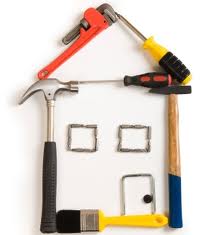
With the arrival of spring, you might be itching to start home improvement projects. Certain projects can reduce your home insurance costs, so consider focusing on those as you save money and improve your home.
Replace Washer Hoses
An inexpensive no-burst stainless steel hose from your local hardware store can reduce your home insurance premium by 10 percent. Attach it to your washing machine and reduce one of the most common causes of water damage.
Install a Sturdy Garage Door
Because strong seasonal winds and other stormy weather can destroy your garage door and everything in this structure, install a sturdy garage door. One that’s hurricane-resistant or fitted with horizontal and vertical braces can save you 10 percent on your insurance premium and potentially pay for itself within five years.
Hang Storm Shutters
Wind-resistant shutters could reduce your insurance costs by as much as 20 percent, and they’re particularly important if you live in a hurricane zone. Both metal and roll-down shutters protect your home.
Purchase Trouble Detectors
Smoke and carbon monoxide detectors are two investments that reduce your home insurance premiums, but consider other trouble detectors, too. They provide plumbing failure warnings, detect furnace failure or alert you to frozen water pipes. Find leak detectors and other trouble detectors online or at your local hardware store.
Invest in Fire Extinguishers
For a savings of five percent, invest in fire extinguishers. Place one in the kitchen and on every floor or your home.
Invest in Carbon Monoxide Detectors
Place one in the kitchen and on every floor or your home.
Choose Fire-Resistant Siding
Save 20 percent on your insurance premium and give your home a new exterior appearance when you install fire-resistant siding. Metal, clapboard, fiber-cement and clapboards are all Class A fire-resistant materials that are available in a variety of colors and finish styles that meet your needs.
Inspect and Repair or Replace Your Roof
Because worn shingles on your current roof won’t do much to protect your home when windy weather arrive, consider replacing your roof. Select sturdy roofing materials like metal, shake or Class 4 modified asphalt shingles. Use six instead of four staples or nails per shingle for additional savings.
These spring home improvement projects can decrease your premium. You’ll also save money when you drop additional structure coverage, increase your deductible, make automatic payments and combine home and auto policies. Discuss the details with your insurance agent as you save money and protect yourself this season and throughout the year.
Read more
