High heat and construction work are simply not compatible. Yet, the work must get completed. Workers must wear protective clothing and gear which diminishes the body’s capacity to shed heat. This fact combined with high heat creates specific exposures which require vigilant monitoring.
Short-term exposures to heat and humidity:
Prevention: Drink plenty of water – a good test is the employee must urinate every three hours at a minimum, two hours is better. If they do not need to urinate, they are not getting adequate fluids. Wear breathable clothing such as cotton. Work in the shade or indoors as much as possible, take frequent water breaks in the shade.
Heat exhaustion: the stage prior to heat stroke when many symptoms from dehydration can be noticed. Any dizziness, nausea or vomiting, cramping, or sudden weakness requires immediate attention. Headaches, blurred vision or unusual fatigue can be signs of heat exhaustion. Rest the worker in the shade, loosen tight clothing and provide water. Observe the employee for several minutes. If they quit sweating or any symptom becomes worse, or they breathe rapidly or have a quick pulse, seek emergency medical help immediately.
Heat stroke: LIFE THREATENING. Add these to the heat exhaustion symptoms:
High body temperature, red or pale skin, difficulty breathing
Unconsciousness or coma
Seek immediate professional help for these symptoms.
Bacteria carrying insects love this weather. Lyme disease and West Nile Virus are not uncommon. Prevention includes spraying mosquito deterrent and checking for ticks.
Long-term exposures include skin cancer. Wear protective clothing and use sunscreen.
Common sense goes a long way to prevent over-taxing workers. If a concrete pour is scheduled for an extremely hot day, postpone. You’ll spare your employees heat related discomfort, and the odds of getting the concrete in before it sets is remote at best.
Remember your machine operators too. Check on them throughout the day and carefully observe their performance. Any signs of erratic behavior needs to be addressed immediately. Even air conditioned cabins can create dehydrating condition in the hot sun.
If you want your crew working Friday, you need to supply plenty of water and shaded rest breaks Monday through Thursday. The body can only take so much heat.
Every year, heart disease causes one out of four deaths, reports the Centers for Disease Control and Prevention. Reduce your risk when you make five dietary changes.
Eat More FruitsFruits rich in vitamin C and fiber protect you from heart disease. So, eat more citrus fruits, which are loaded with vitamin-C, and fruits with fiber-rich skin, including apples, pears and peaches. Easily add more fruit to your daily menu when you:*Serve fruit salad as a side dish during every meal,
*Display fruit on the counter where you’ll see it every day and
*Pack fruit in your lunch box.
Stock up on VeggiesGreen, leafy vegetables, such as spinach, kale and broccoli, protect you from heart disease. They’re easy to add to your daily diet when you serve salad for dinner and toss green veggies into soups, eggs and rice.
Pump up the Whole GrainWhen you consume 25 grams of whole grains each day, your risk for developing heart disease decreases by 15 percent. Pump up your whole grain intake with oatmeal, brown rice and rye.
Reduce Fat IntakeSaturated fats are one of the leading causes of heart disease. Easily reduce the amount of fat you consume when you:*Switch to skim milk
*Use olive oil instead of cream-based sauces and dressings and
*Try butter alternatives.
Eat Less MeatMeat, especially red meat, is often high in saturated fat, which causes high cholesterol and clogged arteries. For optimum heart health, go vegetarian because it may reverse existing cardiovascular disease. If you have to eat red meat, limit it to three ounces a day.
Reducing heart disease is possible when you eat a heart-healthy diet. Start by making these five dietary changes. Then, talk with your health insurance agent about additional ways you can reduce your heart disease risk and live a healthy lifestyle.
You might love the warm summer temperatures, but they can be dangerous when you are working out. If you are not careful, you could end up with dehydration or heatstroke. The following tips can help you keep up stay safe while you stay in good shape over the summer.
Exercise During the Cool Parts of the Day
Avoid the intense heat of the noon-time sun when possible. Instead of going for a walk during your lunch break, exercise early in the morning when temperatures are lowest. Another option is to wait until the sun goes down and the temperature starts to drop in the evening. If you work out before dawn or after sunset, wear reflective clothing so that car drivers can see you more easily. If you exercise during the day, use sunscreen.
Stay Hydrated
You can quickly become dehydrated when you exercise. To prevent dehydration, men should drink 12 8-ounce cups and women should get 8 cups of water per day. You need extra water when the weather is windy or dry.
Consume an additional 2 cups of water about an hour before your workout, and drink 8 ounces of water every 15 minutes while you are exercising. Weigh yourself before and after your workout, and drink an additional 16 ounces, or half-liter, of water for every pound that you lost during your workout.
Symptoms of mild dehydration can include thirst, headaches, fatigue, muscle cramping and muscle weakness. Stop exercising and drink some water immediately if you notice these symptoms.
Adjust Your Exercise Program
Be flexible with your exercise program during the summer. Water activities, such as swimming laps or taking water aerobics classes, can give you an excellent aerobic workout while you stay cool compared to participating in activities such as running or cycling. You can also adjust your workout program while maintaining a high level of fitness by lowering the intensity of your exercise sessions on hot days.
Finally, you can opt for indoors workouts instead of heading outdoors. You can follow an exercise DVD in your own air-conditioned home, or go to a health club with air conditioning. There, you can run on the treadmill, use the stationary bikes or elliptical machines, lift weights, and take group fitness classes without exposing yourself to the sun.
With a bit of caution, you can have fun, stay fit, and stay safe this summer.
Are you a homeowner or contractor? Did you know that you are required to call the number ‘811’ before digging on any property so that you can be made aware of any underground lines (e.g. pipes, cables and associated utilities) buried in the area? Improper digging can lead to damage to underground lines that can disrupt service to an entire neighborhood, harm diggers or excavators, and even incur potential fines and repair costs.
In case you did not know, 811 is the national “Call Before You Dig” phone number designated by the Federal Communications Commission. This number was developed to eliminate the confusion of multiple “Call Before You Dig” numbers because it is easy to use, is the same for every state, and can help protect anyone who does dig from injury, expense and potential penalties.
What Happens After Calling 811?
All 811 calls are routed to a local One Call Center and the affected utilities. The utility will then send crews to the location to mark any underground lines for the homeowner or excavator for free.
Do Most People Call Before They Dig?
Believe it or not, in spite of all the potential danger and damage that can be caused, the answer is “no.” According to a recent national survey, 45 percent of American homeowners who plan to dig this year said that they would not call 811 beforehand.*
More Information
For more information about the 811 call system, visit http://www.call811.com. To download the most current industry Best Practices in connection with preventing damage to underground facilities, go to http://commongroundalliance.com/.
Nine out of 10 Americans drive to their travel destination.¹
If you are among those planning to hit the road, remember: safe driving starts before you even leave the driveway. Securing luggage, maintaining vehicle balance and keeping clear lines of sight from the driver’s seat is key.
Learn how to pack your vehicle for safer travels in these videos with Travelers specialist Chris Hayes — and make your road trip a memorable one, for all the right reasons.
The fastest-growing white-collar crime in the United States is identity fraud. ID fraud is when someone commits a crime or fraud in your name using your stolen personal information. No one, regardless of background or financial status, is immune to identity fraud and various cyber threats continue to grow with no sign of slowing down.
If your identity is stolen, it can affect your finances, credit history and reputation.
Take Action Immediately:
Flag your credit reports. Contact the fraud department of one of the three major credit reporting agencies (Experian, Equifax and TransUnion). Tell them you are an identity theft victim. Ask them to place a “fraud” alert in your file and confirm that they will contact the other two companies.
Get copies. Ask for a copy of the credit report. They are required to give you a free copy of your report if it is inaccurate because of fraud.
Consider requesting a credit freeze. You might want to place a credit freeze on your credit file, which means that potential creditors cannot get your credit report. This makes it less likely that a potential identity thief can open accounts in your name. First, contact your state’s Attorney General’s office, then contact each credit reporting company.
Contact creditors. Contact your creditors about any accounts that have been changed or opened fraudulently. Ask to speak with someone in the security or fraud department.
File a report. File a report with your local police. Get a copy of the police report, so you have proof of the crime.
Keep Records. Keep records of your conversations and all correspondence.

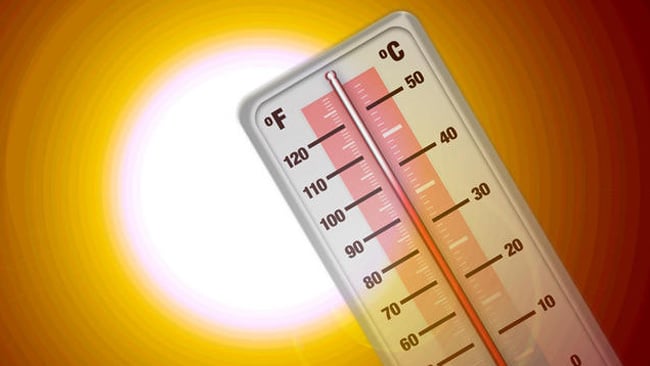 High heat and construction work are simply not compatible. Yet, the work must get completed. Workers must wear protective clothing and gear which diminishes the body’s capacity to shed heat. This fact combined with high heat creates specific exposures which require vigilant monitoring.
 Every year, heart disease causes one out of four deaths, reports the Centers for Disease Control and Prevention. Reduce your risk when you make five dietary changes.
 You might love the warm summer temperatures, but they can be dangerous when you are working out. If you are not careful, you could end up with dehydration or heatstroke. The following tips can help you keep up stay safe while you stay in good shape over the summer.