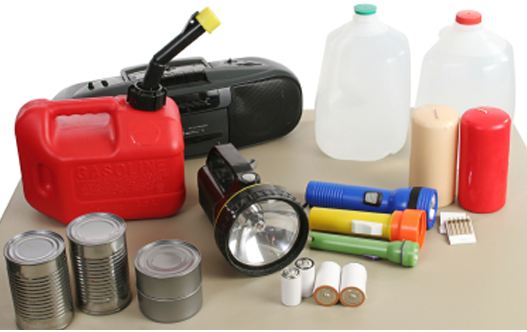
 Heavy rains, floods, hurricanes can all threaten your home and family this spring. While no amount of preparation prevents volatile spring weather, a home emergency kit helps you prepare to be safe and survive.
Survival Essentials
A warm blanket, spare set of clothes and matches could make the difference in your survival. Pack these and all other essential supplies you might need in an airtight container that’s easily accessible.
Food and Water
The Red Cross suggests families store two weeks’ worth of food and water, which means you’ll need one gallon of water per person per day and a variety of easily prepared, non-perishable foods. Don’t forget to stock baby and pet food if necessary, too.
First Aid
Minor bumps and bruises can occur as your family rushes to safety. Your first aid kit should include basic first aid supplies like bandages, antibacterial cream, burn cream and pain reliever. Pack prescription medications, hearing aid batteries and other specialized medications if needed.
Hygiene Items
Toilet paper, toothbrushes and diapers are essential. Hand sanitizer and bleach should also be included in your emergency kit.
Stay Connected
You’ll want to stay connected to the outside world and signal for help, so include a battery-powered radio, extra batteries, your cell phone and chargers in your emergency kit. A flashlight and whistle for each person is also a good idea.
Tools
Whether you have to dig out of the basement or open a soup can, tools come in handy. Stock a multipurpose tool, work gloves, scissors, shovel, screwdriver set, hammer and manual can opener in your kit.
Important Papers
In the rush of an evacuation, you may forget to grab your purse or wallet. Copy important papers like your driver’s license, birth certificate, insurance policies and medical information. Store them, extra cash and your family’s emergency contact information in a waterproof bag to keep them safe.
This home emergency kit will play a big role in keeping you safe when volatile spring weather strikes. Update your insurance policies, too, as you stay protected and prepared.
Read more
 Whether you live near a body of water or not, flood insurance might be a good investment. It’s usually not included in your regular homeowners or renters insurance policy, though. Consider five factors as you decide if you need this type of insurance coverage.
- Do you live in an area with a high flood risk? If so, you definitely want flood insurance coverage. That’s because your home, located near a river, stream, lake or flash-flood zone, faces a high threat of flooding. Protect your home and its contents when you buy a flood insurance policy.
- Do you live in a low flood risk zone? Consider that the local sewer system or nearby storm drain could overflow and cause extensive damage. Because a flood insurance policy typically costs less for customers who live in low-risk areas, purchasing a policy makes sense even if you don’t live near a major body of water or in a flood zone.
- Do you rent your home? Most landlord insurance policies cover the buildings only. They do not insure your home’s contents. Consider flood insurance that replaces any possessions that are damaged by flooding.
- Do you have a mortgage? Check with your lender about flood insurance requirements. If you live in a flood zone, you will probably need to carry this coverage and prove that you’ve purchased a policy before you can sign the loan documents.
- Do you own any possessions? In just a few inches of water, your appliances, furniture and other belongings can be damaged beyond repair. So, if you own any possessions, consider flood insurance that provides financial reimbursement and allows you to replace items that are damaged by excessive water.
Before discounting flood insurance, talk to your insurance agent. He or she will answer your questions and help you decide if coverage is a wise investment for you. In many cases, the coverage is invaluable.
Read more
 February is the month of love. Millions of couples will get engaged on Valentine’s Day or get married this month, and couples spend an average of $260 on cards, flowers, jewelry and other gifts. Those gifts could include life insurance. It’s not the first gift you think of when you consider romance, but it’s a good way to express your love to the important people in your life. In fact, you could think of life insurance as love insurance. Seventy-five percent of life insurance purchasers buy a policy because of love. This February, show your love with a life insurance policy, too.
Life Insurance for Yourself
When you buy a life insurance policy for yourself, you give your loved ones financial security and peace of mind. While life insurance benefits don’t replace you, they are a small way you can continue to provide for your loved ones after you’re gone. Your beneficiaries can use the money for miscellaneous purposes, including daily living expenses, an emergency fund for the future, debt repayment, school tuition or retirement account funding.
Life Insurance for Your Fiancé or Spouse
Maybe you won’t give your fiancé a life insurance policy along with the engagement ring, and a policy is probably not the first thing you buy together as a newly married couple. However, life insurance is an expression of your love and care. Your partner can choose the beneficiary and provide financial assistance to children or aging parents. The policy payout could also repay your partner’s outstanding debts, fund a favorite charity, cover end of life expenses or boost your retirement savings.
Life Insurance for Your Children
Kids have their whole lives in front of them, but they aren’t immune to birth defects, accidents and diseases like cancer. You can’t protect your kids from everything, but you can give them life insurance. A child’s life insurance policy can pay for medical expenses, funeral expenses and other end of life arrangements. It can also be donated in your child memory to his or her favorite charity or be used for the educational costs of surviving siblings. Whole life insurance policies also grow with your child. When they turn 21, they take over the policy and keep the same coverage or purchase additional insurance for their future.
This February, purchase life Insurance for your loved ones. A policy can cost less per day than your daily coffee, and it provides peace of mind. It’s a loving gift that keeps on giving. Discuss available policies with your insurance agent today.
Read more
Whether you’re driving in the summer or winter, you want to maximize your vehicle’s gas mileage. Cold weather can reduce your vehicle’s fuel economy, though. Use these tips to maximize your gas mileage this winter.
Why does Winter Fuel Economy Fall?
When temperatures drop from 70 degrees F to 20 degrees F, your vehicle’s fuel economy can drop by as much as 12 percent. Short trips of less than four miles also cause a fuel economy loss of as much as 22 percent. If you drive a hybrid vehicle, you could experience a 34 percent drop in fuel economy.
These drops occur for several reasons.
- The engine takes longer to reach a fuel-efficient temperature, a factor in fuel economy during shorter trips.
- Idling reduces overall fuel economy.
- Window defrosters, the heater fan and heated seats require extra power.
- Tire pressure decreases, which increases your vehicle’s rolling resistance and reduces fuel economy.
- Cold engine and transmission fluids increase friction.
- Battery performance decreases and affects the battery charge.
- Cold air and snow mounds on your vehicle create a higher aerodynamic drag as you drive at highway speeds.
- Winter grade gasoline blends are lower in energy than summer grade gasoline blends.
- Severe weather reduces tire grip and wastes energy, and slower but safer driving practices lower fuel economy.
How can you Improve Fuel Economy?
If possible, take several proactive steps that increase your vehicle’s gas mileage.
- Park in a garage or other warm location to increase your engine and cabin temperature and reduce the amount of time and effort required to warm the vehicle.
- Allow your vehicle to idle for only 30 seconds. It will warm up almost two times faster and use less fuel as you drive.
- Use defrosters and seat warmers only when necessary. An ice scraper and warmer clothing can help.
- Choose winter tires with low resistance and keep them inflated to the proper pressure as you improve traction and fuel economy.
- Use the cold weather oil recommended by your vehicle’s manufacturer.
- Charge your battery before winter at an automotive store, car dealer or your mechanic.
- Remove accessories like the luggage or ski rack plus accumulated snow since these factors increase wind resistance and reduce your vehicle’s aerodynamics and fuel economy.
- Toss sandbags into the trunk to increase traction.
- Complete as many errands as possible in one trip. Also, check the traffic before your trip and avoid congested or slow areas.
This winter, your car may use more fuel than usual, but you can maximize your vehicle’s fuel economy with these tips.
Read more
 We wish you and yours a safe and prosperous new year – from all of us at Scurich Insurance Services!
Although you might not be aware of it, there are far-reaching benefits to positive thinking that can improve your health and help you with stress management. According to the Mayo Clinic, studies show that the personality traits of optimism and pessimism can have a direct impact on your well-being.
The good news is that, even if you are a pessimist by nature, you can take steps to improve positive thinking techniques in your life, and reap the resulting health and well-being benefits. Health Benefits of Positive Thinking. Over time, researchers have explored the effects of optimistic thinking on health, and have found many correlations between well being and positive thought processes. These include:
- Longer life span
- Better resistance to the common cold
- Lower rates of depression
- Reduced rates of cardiovascular disease
- Improved coping skills during times of stress and hardship
- Better physical and psychological well-being
Get on the Road to Positive Thought Processes.
There are some simple steps to take to move away from negative thinking, and create a new habit of positive self-talk. Monitor yourself: During the day, stop and take note of your thoughts. If thoughts are mainly negative, make a conscious effort to put a positive spin on things.
Be open to good humor: Give yourself permission to be happy, to smile, and to laugh, even when the chips are down. Seek humor in everyday events.
Lead a healthy lifestyle: Follow a healthy diet and exercise at least three times per week. Eating right and exercising both have positive effects on mood and stress management.
Surround yourself with people who focus on the positive: Choose to spend time with family and friends who are cheerful, supportive, and offer helpful feedback. Avoid spending time with negative people who have a “glass half empty” attitude.
Practice positive self talk: Be gentle and encouraging with yourself, and never tell yourself something that you would not say to another person. If a negative thought enters your mind, try to think about it rationally, and follow up with positive affirmations about yourself and your circumstances.
Practice Every Day!
If you have had a past tendency to have a negative outlook on life, don’t despair. While you may not become an optimist overnight, with everyday practice, you will begin to replace negativity with productive, positive thoughts.
You may find that you become, not only less critical of yourself, but more accepting of the world around you. As your general attitude improves, you will begin to reap the physical and emotional benefits of a positive outlook on life!
Read more
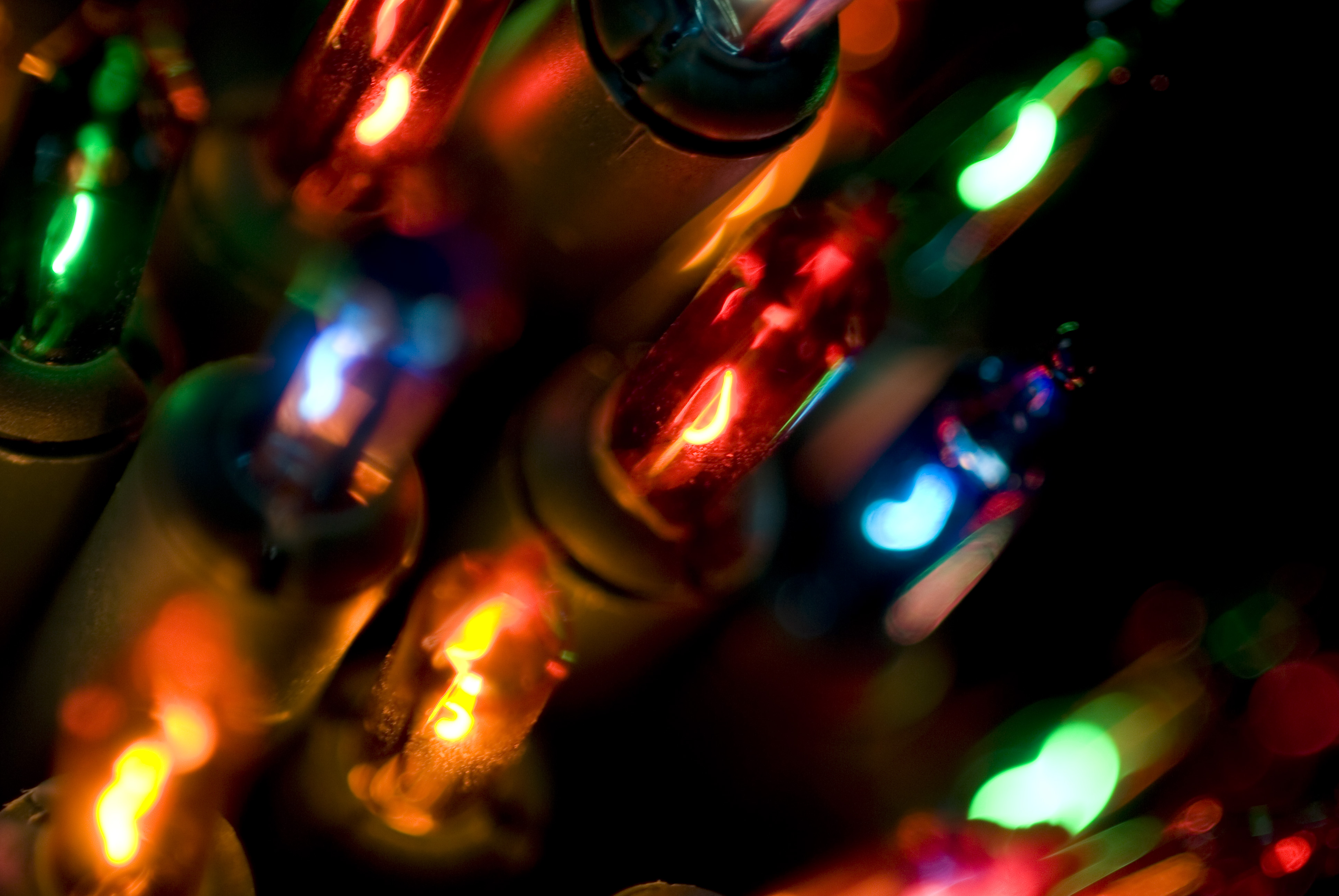
Happy Holidays to you and yours – from all of us at Scurich Insurance Services. Christmas isn’t the same without lights. Strands of sparkling lights can be hazardous, though, if you forget to follow safety tips as you hang, plug in, store and enjoy these holiday essentials.
Buy lights that are safety tested. Lights without an Underwriters Laboratory (UL) tag may be unsafe to plug in and use.
Inspect lights and plug them in before hanging them. This visual assessment exposes fire hazards like cracked, loose or broken bulbs and frayed, chewed or broken cords. It also lets you replace burnt out bulbs and ensure all the bulbs are the same wattage. After repairing any problems, plug in the lights to ensure the bulbs work and the strands work properly.
Separate indoor and outdoor lights. Strands designed for indoor use should not be hung outdoors because their thin insulation is easily damaged when exposed to cold, wet outdoor conditions.
Hang lights with insulated hooks. Staples, tacks or nails can pierce the strands and cause dangerous electrical shorts and increase the fire risk.
Use extension cords properly. Plug no more than three strands of lights into each extension cord, lay rather than coil extension cords and use only outdoor certified extension cords for your outdoor lights. If the cords feel hot, unplug the lights for a while to reduce fire risk.
Turn off lights before you go to bed or leave the house. Otherwise, the hot lights could start a fire, and you will be asleep or away from home and unable to intervene.
Water the tree regularly. A dry tree and hot lights are an unsafe combination.
Store lights properly to prevent damage and simplify decorating next year. Instead of stuffing them in a box, carefully wind the light strands, secure them with twist ties and store them in plastic bags. Alternatively, wrap the strands around a paper towel tube and thread the ends through the tube’s hollow center.
Hanging lights is a fun and festive holiday tradition. With these safety tips, you have peace of mind as you enjoy your sparkling home all season.
Read more
