
On April 30, 2018, the Occupational Safety and Health Administration (OSHA) announced it will require all establishments affected by the electronic reporting rule to submit their 2017 data to OSHA by July 1, 2018.
This announcement clarifies the requirement for establishments in states with an OSHA-approved plan. These establishments must submit electronic reports, regardless of whether the state has ratified or incorporated the electronic reporting rule into its OSHA state plan.
Establishments in all states, including those with an OSHA-approved state plan, should prepare to submit electronic reports by July 1, 2018. Affected establishments can accomplish this by:
- Becoming familiar with the requirements in the electronic reporting rule; and
- Transitioning their OSHA records to an electronic format approved by the Injury Tracking Application (ITA).
OSHA Electronic Reporting
OSHA’s electronic reporting rule was issued in 2016. The rule requires establishments to report data from their injury and illness records to OSHA electronically if they:
- Are already required to create and maintain OSHA injury and illness records and have 250 or more employees;
- Have between 20 and 249 employees and belong to a high-risk industry; or
- Receive a specific request from OSHA to create, maintain and submit electronic records, even if they would otherwise be exempt from OSHA recordkeeping requirements.
The electronic reporting rule applies to establishments, not employers. An employer may have several worksites or establishments. In these situations, some establishments may be affected while others are not.
To determine whether an establishment is affected, employers must determine each establishment’s peak employment during the calendar year. During this determination, employers must count every individual that worked at that establishment, regardless of whether he or she worked full-time, part-time, or was a temporary or seasonal worker.
OSHA-approved State Plans
The final rule required OSHA-approved state plans to adopt the electronic rule or “substantially identical” requirements within six months of the final rule’s publication date.
This means that OSHA-approved state plans have the authority to adopt reporting requirements that go above and beyond what is required by the federal rule.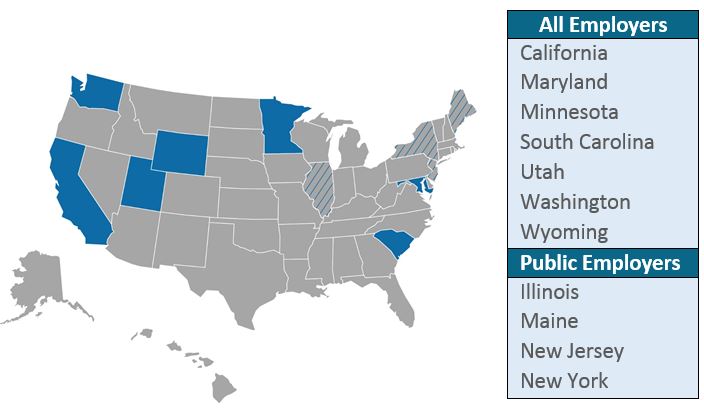 For this reason, establishments located in OSHA-approved state plan jurisdictions should consult with their local OSHA offices to make sure they are satisfying all electronic reporting requirements.
The OSHA-approved state plans shown on this map have not yet adopted the requirement to submit injury and illness reports electronically.
As a result, establishments in these states were not required to submit their 2016 data through the reporting website in 2017. However, OSHA has now clarified that they must submit their 2017 data in 2018.
Read more

States across the country—particularly Kentucky, Michigan, Indiana, Utah and California—are dealing with an outbreak of the hepatitis A virus (HAV). Public health officials are urging residents and travelers to take action to avoid contracting this serious illness.
What is hepatitis?
Hepatitis is a medical term that refers to inflammation of the liver. While heavy alcohol use, toxins and some medications can cause hepatitis, the condition is most often caused by the hepatitis A, B and C viruses.
Is there a difference between the three viruses?
Each virus causes a different type of liver infection and can be transmitted in various ways.
Hepatitis A
Hepatitis A is a highly contagious liver infection. It most often spreads when a person unknowingly ingests the HAV from contaminated objects, drinks or food. It can also spread from close contact with an infected person.
Hepatitis A can range from being a mild illness lasting only a few weeks to a severe illness lasting months. In some cases, it can result in death.
The best way to prevent hepatitis A is to get the HAV vaccine. Practicing good hygiene—like washing your hands after using the bathroom, and before preparing and eating food—can help also prevent the illness.
Hepatitis B
Similar to hepatitis A, hepatitis B is a contagious liver condition caused by the hepatitis B virus (HBV). Unlike hepatitis A, hepatitis B can range from a mild illness to a serious lifelong or chronic condition. HBV is primarily spread through contact with the blood and body fluids of an infected person.
There is a vaccine to protect against hepatitis B. In addition to getting vaccinated, avoid having unprotected sex or sharing personal items like toothbrushes and razors to prevent transmitting the HBV.
Hepatitis C
Hepatitis C is the most common bloodborne infection in the United States. About 80 percent of those infected by the hepatitis C virus (HCV) will develop a chronic infection, which varies from mild to severe liver damage.
Hepatitis C is the most common cause of needing a liver transplant in U.S. adults.
There is not a vaccine for hepatitis C. To prevent transmitting the HCV, don’t share personal care items that could have blood on them, like needles, and don’t have unprotected sex.
What are the symptoms of hepatitis?
Unfortunately, many people who have hepatitis don’t exhibit symptoms. This is especially true for children. If symptoms occur with an acute infection, they can appear as soon as two weeks and as late as six months after exposure.
If symptoms do occur, they typically include:
- Fever
- Fatigue
- Loss of appetite
- Nausea
- Vomiting
- Abdominal pain
- Dark urine
- Clay- or gray-colored stool
- Joint pain
- Jaundice
What should I do if I live in or am going to be traveling to a state experiencing a hepatitis A outbreak?
If you’ve already been vaccinated against the HAV, you should already be protected. If you haven’t yet been vaccinated, public officials strongly recommend doing so as soon as possible. Although the full vaccination course for hepatitis A involves getting two shots about six months apart, the first shot can provide protection. Additionally, if you get the vaccination soon enough, it can also provide protection if you’ve already been infected.
What should I do if I suspect I’ve been exposed to hepatitis A?
Contact your doctor and your local or state health department if you have questions or concerns about potential exposure to hepatitis A.
Where should I go for more information about the hepatitis A outbreak or hepatitis in general?
The resources below offer more information on hepatitis A, B and C, as well as the recent hepatitis A outbreak.
Read more

The Centers for Disease Control and Prevention (CDC) is urging Americans to throw away any romaine lettuce they may have purchased from a grocery store and is warning restaurants to avoid serving the lettuce to customers.
The warnings come in the wake of an E.coli outbreak that has made more than 50 people from 16 states sick. The reported illnesses have been linked to an extremely harmful strain of E.coli, E.coli 0157:H7. The CDC states that this strain historically results in a 30 percent hospitalization rate.
This outbreak’s hospitalization rate is unusually high. According to the CDC, 31 of the 53 reported cases have resulted in hospitalization, including five patients with kidney failure. Fortunately, no deaths have been reported yet.
What are the symptoms of E.coli?
Symptoms of E.coli can vary, but generally begin three to four days after ingesting contaminated food or drink. Common symptoms include diarrhea, severe stomach cramps and vomiting. Most people are able to recover within a week, but severe cases can last longer. The CDC recommends contacting your doctor if you have symptoms of an E.coli infection.
How can you avoid getting sick?
To reduce your risk of getting an E.coli infection from romaine lettuce, throw out any store-bought romaine lettuce you may have at home, even if some of it was already eaten and no one has gotten sick. The CDC warning includes all types of romaine lettuce, including heads, hearts, chopped and salad mixes. The only exception to the warning is if you can confirm your romaine lettuce is not from the Yuma, Arizona, growing region.
How can restaurants and retailers avoid selling contaminated lettuce?
CDC recommendations for restaurants and retailers are similar to those for individuals. Unless you can confirm the source of the romaine lettuce, do not serve or sell it. If you’re not sure where your lettuce is from, and your supplier can’t confirm either, throw the lettuce away.
What’s next?
E.coli 0157:H7 is a life-threatening bacteria that can cause kidney failure and even death and should be taken seriously. For more information on the outbreak, please click here.
Read more

Inspect for Water Damage
Melting snow and ice can increase water flow around your property, so carefully inspect the entire building for water damage. Check the exterior foundation, interior walls and windows for moisture, leaks or condensation, and clear out and repair any damaged gutters and downspouts.
Check the Roof
Winter storms can damage your roof, but you may not notice the damage until the roof starts to leak. Perform a detailed inspection of the roof and note any repairs you need to make.
Touch Up the Exterior
Cold winter weather can cause paint to chip, and flying debris can dent siding. Walk around the building, note any damaged paint or siding, and fix the areas. Sometimes, a simple touch up is all that’s needed rather than refinishing the entire building.
Repair the Parking Area
If freezing temperatures created cracks or holes in the parking lot or sidewalks, fix the problem areas. You’ll also want to power wash the area to remove dirt, mud or other debris, repaint any faded lines and repair broken signs. With a clean parking area, you reduce liability and improve visual appeal.
Wash the Windows
Remove winter grime and buildup on the exterior and interior windows. Clean windows boost productivity and improve the appearance of your commercial building.
Boost Ventilation
Open windows and air out the stuffy building if possible. You may also inspect and clean the HVAC system and install fans or dehumidifiers in damp areas as needed.
Improve Curb Appeal
Fallen branches, debris and litter affect your property’s curb appeal and can create hazards for employees and visitors. Remove any debris, and trim trees, shrubs and bushes to reduce hiding places for burglars and future damage risks. Consider planting flowers and grass, too, as you improve your property’s curb appeal and safety.
Perform Pest Control
Warmer temperatures may attract bugs, insects and rodents to your property, so apply a pest spray around the building’s perimeter, and close any holes that may allow animals to enter the building. You may also want to treat any ponds, bird baths or other standing water with Mosquito Dunk or a similar product.
Assess Insurance
Your commercial property insurance protects your company, so schedule an assessment. Ensure you have adequate coverage for your needs as you look forward to the rest of the year.
This spring, you can perform maintenance on your commercial building to improve its appearance and functionality. These tips also reduce your liability and protect your employees and clients.
Read more

Workers’ Compensation Insurance is an important product for employees. There are six common myths that surround this insurance, though. Debunk the myths so you can understand and maximize your benefits.
1. Small businesses don’t need to offer Workers’ Compensation Insurance.
You may work in a small business with only a few employees. Federal and state laws dictate that most businesses with one or more employees must carry Workers’ Compensation insurance. Be sure your employer carries this valuable insurance even if you are a solo employee.
2. I don’t need Worker’s Compensation insurance because my job is low-risk.
Some jobs, like construction, farming and commercial fishing, are dangerous. However, even low-risk jobs include injury and illness risks. You could develop carpal tunnel while typing or slip and fall in the break room during lunch. Your employer will pay lower Workers’ Compensation insurance premiums if you work in a low-risk job, and you absolutely must ensure you’re covered no matter what type of work you perform.
3. I’m careful and won’t get hurt.
While you might have an accident-free employment history, it only takes a second for an accident to happen. Plus, some workplace accidents or injuries occur because of someone else’s actions. Ensure you are covered by Workers’ Compensation regardless of your careful track record.
4. My boss is like family, and I could never sue.
It’s great that you have such a good relationship with your boss and feel like family. However, you are still employer-employee. By law, your employer must provide Workers’ Compensation for you. You also owe it to yourself and your dependents to have this valuable coverage in place in case you are injured or disabled and can’t work.
5. My boss will pay my work-related injury or illness expenses out-of-pocket.
Perhaps your boss has vowed to pay out-of-pocket for your medical, living and others expenses if you’re injured or become ill on the job. Unfortunately, your boss may decide not to pay, particularly when the Workers’ Compensation claims reach thousands of dollars or affect multiple employees. Always protect yourself with Workers’ Compensation insurance so that you can ensure your expenses are paid.
6. Any pain I feel at work is eligible for Workers’ Compensation.
While assembling furniture at work, you notice that your arm hurts. Instead of rushing to file a Workers’ Compensation claim, think about when and where the pain started. If it originated from an activity or injury that occurred outside of work, don’t file a Workers’ Compensation claim.
Workers’ Compensation insurance is important. Understand these six myths as you make sure you’re covered. For more details, contact your Human Resources manager or insurance agent.
Read more

Your commercial insurance policies protect your business, making your insurance agent an essential resource for your company. While you may not have your agent on speed dial, you will want to contact him or her in several circumstances.
Verify Coverage Details
You can purchase a variety of different policies for your business, and need to understand your exact coverage. Contact your insurance agent to verify which types of coverage you have and your policy limits.
Update Your Policy
When you add a vehicle to your commercial fleet, sell a piece of equipment, move to a new location, or make other changes to your business operations, call your insurance agent. These updates could affect your insurance needs, policy and premium.
File A Claim
If you need to file an insurance claim, contact your agent immediately. You may call the agent’s office, send an email or text, or fill out an online claim form on the company’s website. Remember to submit pictures, too, as you get your claim process started.
Ask Questions About a Claim
After you file an insurance claim, you may have questions about the adjuster’s findings or the settlement timeline. Feel free to contact your agent and ask any questions you may have.
Discuss Your Bill
Whether you pay your insurance bill annually, semi-annually or quarterly, you may inspect your bill and realize that you have questions about one of the charges or fees. Most insurance agents remain transparent about billing, and they can explain anything you don’t understand about your insurance charges, fees or payment date.
Pay Your Bill
If you experience any issues when you pay your insurance bill, call your agent. You may also ask for a change in the policy due date or a change in payment frequency.
Initiate an Annual Review
You should receive a notice a few weeks before your commercial insurance policy’s renewal date. Ask your agent for a meeting to renew your coverage. During this meeting, discuss details about your business and the types of insurance you need, including coverage limits and cost, as you verify that you have the right insurance for your needs.
Request a New Quote
Based on your insurance policies you purchase and your loyalty to your commercial insurance company, you may qualify for discounts or a more competitive rate. Your agent can rework your coverage limits, check for discounts and give you a new quote that meets your budget.
Throughout the year, you may wish to contact your commercial insurance agent for several reasons. Always feel free to reach out and discuss your needs as you purchase the right coverage for your business.
Read more
