
April is Sexual Assault Awareness Month, and your workplace must be safe for employees, vendors and customers. Make time this month to refresh your understanding of sexual harassment as you prevent sexual assault and create a safe work environment.
Define Sexual Harassment
Sexual harassment includes any unwanted sexual advances such as offering a work benefit in exchange for sexual favors, inappropriate touching, unwelcome or intimidating behavior, offensive jokes, and inappropriate decor. Federal and state laws prohibit any form of sexual harassment.
Know Your Role
As an employer, you have the responsibility to prevent sexual harassment and create a safe work environment for all employees. A harassment-free work environment improves morale and productivity, and it reduces liability.
Write a Clear Anti-Harassment Policy
Your employee handbook should include a comprehensive anti-harassment policy that outlines:
- The definition of sexual harassment
- Your zero-tolerance policy
- Reporting procedures
- Investigation process
- Disciplinary action
- Anti-retaliation details
Consult your attorney to ensure the policy meets or exceeds federal and state requirements and covers all your bases.
Conduct Frequent Training Sessions
Schedule annual or more frequent training sessions to ensure all your employees understand the definition of sexual harassment, your company’s official policy, how to report it, and ways to prevent it. These trainings should be mandatory for all your employees, including supervisors.
Ensure Leadership Complies with the Zero-Tolerance Policy
All supervisors and managers must comply with your zero-tolerance policy as they prevent sexual harassment. Leaders set the bar for everyone else’s behavior and must be trusted to handle cases appropriately.
Monitor Employees
You can monitor email and other electronic communications as well as behavior as you look for and stop inappropriate behavior. Encourage your employees to monitor and report inappropriate behavior, too.
Clarify the Reporting Procedure
Despite your efforts, sexual harassment may occur, and you will need to clarify the reporting procedure and empower victims and onlookers to report improper actions. While employees should tell the perpetrator to stop, they should also know who to report to, what information to share and how to report harassment perpetrated by their direct supervisor.
Define Consequences
Every employee should know the consequences of sexual harassment. They should also be confident that the consequences will be applied consistently to all employees.
Create a Safe Culture
While you need and want to prevent sexual harassment, the company’s culture should also support your stand. No crude or offensive jokes, inappropriate activities during after-work events or other improper actions should be tolerated, encouraged or allowed.
Your company must be safe for everyone. This April, improve sexual assault awareness and prevent sexual harassment as you follow the law and improve your company and culture.
Read more

Business owners face a variety of risks unique to their specific type of business. Choosing appropriate insurance coverage is key to ensuring that the business remains lucrative, especially when any of those risks become reality. A business owners policy (BOP) takes some of the guesswork out of choosing insurance and can make it easier to safeguard your business.
A BOP bundles several types of coverage in one package, similar to the way a homeowners policy works, but is designed for small and midsized businesses. Not only does it help businesses cover all their risks, but it can also save money, since the bundle of services typically costs less than the cost of all the individual coverages combined.
Risks Covered by BOPs
BOPs are packaged for businesses that generally face the same type of risks. For example, a restaurant BOP can be designed and packaged differently than a manufacturing BOP.
Typically, a BOP covers a business’s equipment and merchandise while also covering everything that a general liability policy covers. It also covers equipment, furniture and supplies in up to five separate locations, including rented and leased equipment.
Exclusions
Although a BOP is a convenient insurance option for small to midsized businesses, it does not cover professional liability, auto insurance and workers’ compensation. Workers’ life, health and disability coverage is also excluded.
For those exclusions, business owners can purchase separate coverage to add to the BOP. Other risks that a BOP does not cover include the following:
- Business interruption
- Crime
- Legal obligations as a result of any harm caused to others as a result of faulty business operations
Good Candidates for a BOP
A BOP may be a smart choice for businesses that have the following characteristics:
- A physical location, whether home-based or outside the home
- Assets that can be stolen, including products, cash, furniture and digital property
- A high risk for lawsuits
- Less than 100 employees and $5 million in sales
The following types of businesses frequently purchase BOPs to protect from losses not covered by general liability insurance:
- Manufacturers
- Religious organizations
- Apartments
- Restaurants
- Technology consultants and solutions providers
- Wholesalers
- Retailers
Eligibility
Small to midsized businesses need to meet specific criteria to be eligible for a BOP. When determining eligibility, insurers consider factors that include the type of business, size of its primary location, class of business and revenue.
Premiums for BOPs are based on eligibility factors, as well as financial stability, building construction, security features and fire hazards.
When purchasing business insurance it’s important to obtain the right amount. Contact Scurich Insurance for guidance as to whether a BOP is a logical choice for your business.
Read more
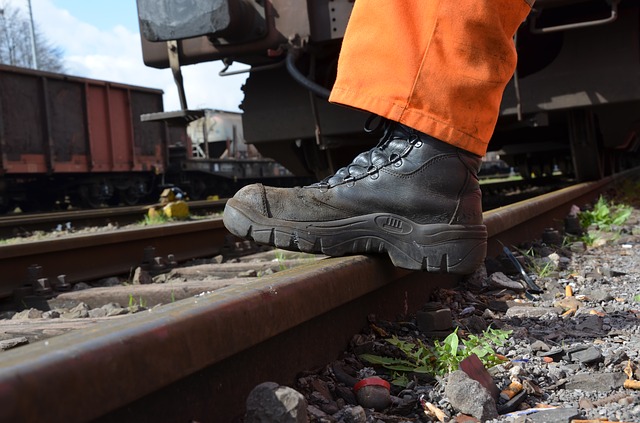
Whether you stand all day, operate heavy machinery or handle chemicals, you need to protect your feet as you work. Several foot safety tips reduce injuries and help you maintain a safe work environment.
When to Wear Safety Footwear
Safety footwear protects your feet against numerous injuries, including punctures, impacts, electrical shock and compression. If you work in any hazardous work environment, you probably need to wear safety footwear as part of your daily uniform. Protective shoes also protect your feet if you suffer from weak ankles or other medical conditions.
Available Types of Safety Footwear
Depending on your job and preferences, you may select safety boots or sneakers. Available in a variety of styles and colors, the best safety shoes include a CSA certification and may include:
Safety-toe – features a special toe covering that protects the foot from dropped objects
Steel insole – stabilizes feet and protects them from joint and bone injuries or problems
Metal instep – provides a barrier against glass, nail and other sharp object punctures
Metatarsal protection – reduces injuries to your upper feet and internal bones
Electric protection – absorbs shock through specially made soles
Heat resistant – resists heat-related injuries
Water resistant – repels water and keeps feet dry
Nonslip – improves traction on various surfaces
Where to Purchase Safety Footwear
Your employer may provide strict guidelines and limitations about exactly which safety shoe you may wear, including where you may purchase this gear. If you can select the safety shoes you wear, check specialty footwear stores or online retailers. Because you want to protect your feet, select only the right shoes for your job and feet. Price should be secondary as you promote safety.
How to Fit Your Safety Footwear
When trying on safety footwear, ensure a proper fit.
- Try on shoes in the afternoon to accommodate swelling that occurs naturally during the day.
- Wear your regular work socks and any special supports.
- Ensure ample toe room since the shoes typically do not stretch with wear.
- Check for snugness around the heel and ankle.
- Walk around a bit to check for comfort.
Care Instructions
Most safety footwear requires ongoing care and maintenance. Before you wear them for the first time, apply a water-resistant coating. Every day, inspect your shoes for damage, including sole cracks, leather breaks or toe cap exposure. Always replace your safety footwear if you notice signs of wear or damage that you cannot repair and after a puncture, impact or other event that may compromise the shoe.
Protect your feet at work when you wear the right safety footwear. Talk to your employer and check OSHA resources as you purchase, maintain and wear shoes that protect your feet every day.
Read more

During the process of completing a project, a contractor faces a variety of risks. Materials, equipment, machinery and supplies must be purchased, stored, transported, staged, processed and installed before work can be accepted. For contractors, the property they rely on to complete their work can be compromised along the way.
Most commercial property insurance policies provide little to no coverage for property once it has been removed from a contractor’s premises. To guarantee that property will be insured up until the point that it is installed and accepted, contractors can turn to a form of inland marine insurance known as an installation floater.
The Basics
Installation floaters insure a contractor’s materials, equipment, machinery and supplies from the moment they leave the contractor’s premises until a job is complete. This means that a contractor’s property will be covered in the following scenarios:
- While being stored at a temporary location
- While in transit to a job site
- While being staged or awaiting installation
- While being installed
- While pending acceptance by a project owner or general contractor
Put another way, installation floaters cover a subcontractor’s property before it becomes a permanent feature of a project or structure.
While installation floaters offer similar coverage to that provided by builders risk policies (another form of inland marine insurance typically purchased by project owners or general contractors), there are important distinctions between the two forms of coverage. Installation floaters are typically purchased by contractors or subcontractors that have a limited scope of work on a job because they provide coverage only for the insured contractor’s portion of a project.
Installation floaters can be utilized for both new “ground-up” construction and for remodeling projects, the latter for which builders risk insurance may not be applicable. Additionally, policies can be written either on an annual basis to apply to all projects undertaken by a contractor or on per project basis.
Covered Perils
Installation floaters are “all risks” policies, meaning that they cover all exposures other than those specifically named by the policy. Policies generally cover losses caused by fire, theft, explosions, traffic accidents, vandalism and several other perils.
Unless covered through an endorsement, installation floaters may exclude losses caused by earthquakes, volcanic eruptions, floods, sewer backups, governmental action, nuclear hazards, war or military action, employee theft, or errors and omissions.
Installation Floater vs. Builders Risk Insurance
While some brokers may argue that installation floaters cause redundancies in coverage, and they believe the project owner or contractor’s builders risk policy will respond in the event of a claim, this is often not the case. In some instances, the type of work a contractor performs may be excluded from the terms of a builders risk policy. For example, contractors installing highly valued equipment or materials not covered under the builders risk policy (such as roofs, HVAC and electrical systems) may need to purchase an installation floater to be properly insured.
Even if a builders risk policy covers the type of work being performed, a contractor will likely have to absorb a share of the policy’s deductible in the event of a claim. Depending on the terms of the builders risk policy, it can be more cost effective for a contractor to rely on an installation floater.
With these factors in mind, contractors should always evaluate a builders risk policy to determine whether their interests are properly insured and what portion of the policy’s deductible they may be required to absorb.
Other Considerations
Like other forms of inland marine insurance, installation floaters often exclude coverage for property while it is air- or waterborne. If a contractor’s work requires the use of a crane, helicopter, barge or watercraft to install property, the terms of an installation floater should be reviewed along with existing insurance policies in order to determine whether coverage is applicable and to identify potential coverage gaps.
Trees, shrubs and plants are also commonly excluded from installation floaters. If possible, contractors that perform landscaping installations should have their policy amended to specifically cover this type of property.
Companies that rely on temporary structures or falsework including, but not limited to, cribbing, scaffolding, forms, temporary fencing, and temporary lighting or retaining walls, should work with their brokers to find the proper installation floater. Policies may include a sublimit for these items, or, in some cases, exclude these items from coverage entirely.
Lastly, policies may omit coverage for losses that occur during testing. Companies that execute startup, performance, stress, pressure or overload testing of materials, supplies, machinery, fixtures and equipment should confirm that their installation floater meets their testing needs. Often, coverage for testing can be added at an additional cost.
Claims Process
In the event of a loss, an insured contractor will be required to take action as specified by their individual policy. In general, insured contractors are required to do the following:
- Provide prompt notice of the loss
- Submit proof of the loss, including the time, place and circumstances of the loss, within the timeline specified by the policy
- Supply estimates, specifications, inventories and other information that may be required to settle the loss
- Disclose other insurance policies that may cover the loss
- Take reasonable steps to protect the covered property to prevent further loss
- Produce records related to the value of the property affected by the loss
As always, policyholders can rely on their Scurich Insurance broker to assist during the claims process.
Work With an Expert
To discuss whether an installation floater is the right form of coverage to address your business’s property exposures, please contact Scurich Insurance.
Read more

Before visiting a business, 90 percent of consumers read online reviews. Your company needs online reviews, but your business could suffer if you encourage or allow fake reviews to populate the internet. Understand the dangers of fake reviews as you build and protect your company.
What are Fake Reviews?
As a business owner, you may solicit or allow fake reviews as a way to bolster your online reputation and attract more customers.
Four common types of fake reviews include:
- Ask family members and friends to share reviews of your company. While your family and friends may be loyal customers, their reviews could be skewed and not provide an accurate picture of your company.
- Pay employees to write reviews. These reviews could appear to be objective but are dishonest.
- Offer your product or service for free in exchange for a written review. While you may boost production volume and customers with this technique, it invites positive rather than honest reviews.
- Encourage reviews on open rather than verified review sites. Numerous review sites allow anyone to leave a review even if they haven’t tried your services or products, a practice that encourages fake reviews.
Dangers of Fake Reviews
Your company faces several dangers because of fake reviews.
Fines – Expect repercussions from the Federal Trade Commission (FTC) and your state if you violate consumer protection laws that include false advertising.
Damaged Reputation – Online review sites can report fake reviews to consumer alert groups and post this information on your profile. As a result, your company will gain a negative reputation that is nearly impossible to overturn.
Broken Trust – If consumers discover that you’ve encouraged or allowed fake reviews, they will stop trusting your company. You lose credibility and valuable business that affects your company now and into the future.
Lack of Growth – An influx of reviews can improve business temporarily, but your business will suffer if your products or services don’t match the fake reviews.
Public Danger – Fake reviews of physicians, attorneys, accountants or auto repair shops could potentially harm consumers. Other dangers caused by undisclosed allergic reactions or unsafe products can also harm consumers, highlighting the need for only honest reviews.
How to Prevent Fake Reviews
In your quest to attract business and build your brand, you may ask all your customers to leave honest reviews on verified sites. Continue to offer excellent service, too, that prompts customers to praise your company online.
Overall, your company will benefit more from no reviews than from fake ones. Understand the dangers of fake reviews and how to combat them as you retain your credibility, build your reputation and protect your company.
Read more
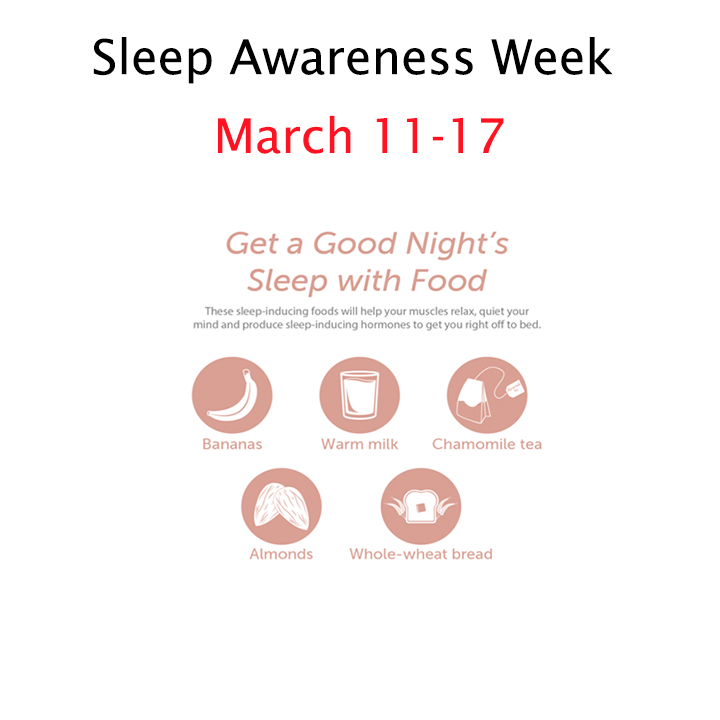
The National Sleep Foundation sponsors Sleep Awareness Week every March to educate Americans on the importance of sleep to their overall health and well-being. The CDC has linked insufficient sleep to the development of chronic diseases and conditions, including diabetes, heart disease, obesity and depression. In honor of Sleep Awareness Week occurring this March 11-17, try adopting the following five healthy sleep habits:
- Keep a regular schedule—try to go to bed and wake up at the same time each day, including weekends.
- Create a good sleep environment, including comfortable room temperature, minimal noise and sufficient darkness.
- Keep track of habits that help you fall asleep, like relaxing music or reading before bed. Repeat those activities each night.
- Avoid caffeine and nicotine three to four hours before going to bed.
- Limit alcohol before bed, as it can reduce sleep quality.
Read more
