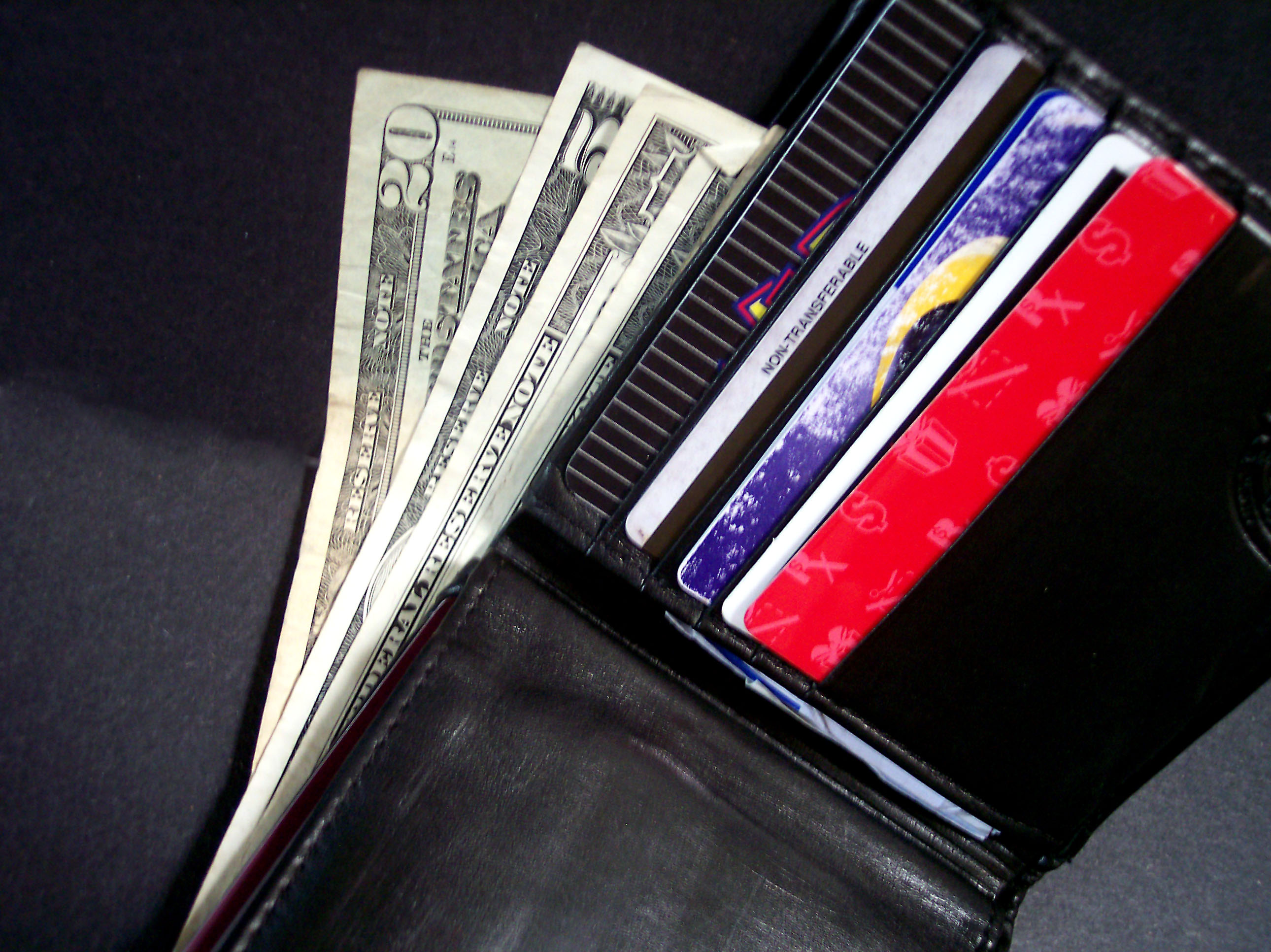
 Contrary to popular belief, identity fraud does not always begin online. According to Travelers claim data, 44 percent of ID fraud cases happen when a person’s purse or wallet has been lost or stolen. Thieves can use the information they find inside for ID fraud, so here are some critical steps to help protect yourself and your identity.
Watch Your Wallet and Purse
Many people store personal information in their purses and wallets, making it easier for thieves to commit identity fraud. Help secure your identity by keeping your purse and wallet in a safe place and carrying only essentials when you go out. Leave credit cards you will not be using in a secure place at home. Unless it is absolutely necessary, avoid carrying Social Security cards, birth certificates or passports as they contain key pieces of personal information thieves could use to steal your identity.
Monitor Your Mail
Whether you are sending or receiving mail, take steps to help keep it safe from prying eyes. Never put outgoing checks, bill payments or financial information in your unlocked home mailbox. When you need to send out sensitive documents, consider using a secure postal mailbox or send them from the post office. If you have not signed up for electronic statements, be aware of when your credit card statements are scheduled to arrive. If they are late, call the credit card company to confirm if the statement was sent. Be sure to shred old bills and unnecessary financial records containing personal information.
Keep a Careful Eye on Your Credit
According to our data, nearly half of ID fraud cases are committed using the victim’s current accounts. On a regular basis, review your credit report and bank statements to monitor your accounts, and take these extra precautions:
- Make a list of all your credit card and bank account information, and store the list in a secure place, such as on a password-protected flash drive or in a fire-proof safe. Include account numbers, expiration dates, credit limits and phone numbers or emails of the customer service and fraud departments. If your card is missing or stolen, you will then be able to quickly notify your credit card provider to prevent fraudulent charges.
- Review your credit report and notify the credit bureaus of any mistakes. The U.S. Government Fair Credit Reporting Act gives consumers the right to receive one free copy of their credit report every 12 months from each of the three main credit bureaus (Experian, Equifax and TransUnion). Order one report from a different bureau every four months to see credit activity throughout the year. To order your credit report, visitwww.annualcreditreport.com.
Keep Your Social Security Number Safe
Social Security numbers are often used to open fraudulent accounts or to access financial information or assets. Do not have your Social Security number printed on your checks or allow merchants to write it on them. If a business requests your Social Security number, ask them why. If it is not a valid reason, do not provide the information they request. Also, never give confidential information to an unsolicited phone caller who claims they represent a financial institution or creditor. Instead, get the caller’s name, location, phone number and reason for the call. Then call the phone number on your billing statements to verify the caller’s identification.
Get additional tips for helping protect your identity while you are online.
Consider buying identity fraud insurance, a relatively inexpensive add-on to your renters or homeowners insurance policy. This coverage typically reimburses the cost of reclaiming your identity and rebuilding your credit, such as attorney’s and notary fees and replacement of IDs. It is a low-cost investment against a high-expense crime.
Read more
 Only one to two percent of drownings are classified as secondary or dry drownings. However, you definitely want to understand this risk and take steps to protect your kids.
What is Secondary Drowning?
When someone struggles underwater and breathes in even a small amount of water, it can trigger spasms in the airway muscles. That water can also cause pulmonary embolism, or fluid build-up in the lungs.
A victim of secondary drowning may walk away after struggling underwater and look or act fine. He or she could drown in his or her own fluids and suffer from brain injury or die within one to 24 hours later, though.
What are the Symptoms of Secondary Drowning?
A victim might show several signs of secondary drowning, including bubbling fluid around the lips, chest pain, wheezing, shortness of breath, cough or extreme fatigue. Young children may not be able to verbally express to you if they experience these symptoms, however, and you may not notice them if your child is fussy or tired after a long day. That’s why you need to be vigilant in looking out for signs of secondary drowning after your child experiences a struggle in the water.
What is the Treatment for Secondary Drowning?
Hospital staff will provide oxygen treatment or ventilation for a victim of secondary drowning. Prevention is the best treatment, though, as you:
- Teach your kids how to swim with confidence and how to be safe in the water.
- Supervise kids in the pool or bathtub every second.
- Ensure all adults who supervise kids know CPR techniques for all age groups.
- Make sure the pool is fenced in with childproof locks.
- Seek medical treatment immediately for someone who experiences a struggle in the water, even if he or she shows no signs of secondary drowning.
Additionally, verify that your homeowners insurance is up to date. It can cover medical treatments required to save a child from secondary drowning.
Read more
 Enjoy longer days and warmer nights while protecting your investment.
Summertime is the best time to be outside enjoying the weather. Make sure your deck or patio is ready for the summer sun by keeping in mind the seasonal maintenance tips below.
- Check deck or patio for possible deterioration and safety hazards such as loose boards and protruding nails.
- Check electrical outlets for potential fire hazards such as frayed wires or loose-fitting plugs. Be sure not to overload electrical outlets, fuse boxes, extension cords or any other power service.
- Check all window and door locks to ensure correct functioning. Make sure all locks are secure and there are no holes in any of the screens.
- Inspect recreational equipment for proper operation and possible dangers (e.g., Are swing sets secure, and do they contain any rusty bolts?).
- Carefully inspect your toilet. Look for the erosion of plastic floater valves, and check all pipe connections.
- Clean or replace your furnace filter.
- Clean the clothes dryer exhaust duct and space under the dryer. Remove all lint, dust and pieces of material.
- Inspect washing machine hoses periodically, and replace hoses that show signs of wear or leakage.
- Have your roof inspected by a professional once every few years to identify areas of potential leakage.
Read more
The summer months are quickly approaching, which means many families will be embarking on vacation getaways. Summer travel and readying the car for trips can be the most stressful part of the vacation.
Travelers recommends the following packing and driving tips for families hitting the road for vacation this summer.
| Summer Travel Safety Tips |
| During the summer months, many families embark on vacation getaways. Summer travel and readying the car for trips can be the most stressful part of the vacation. Travelers offers some packing and driving tips for families hitting the road for vacation this summer. |
 |
74%
|
of Americans taking a summer vacation
|
plan to drive
|
 |
 |
 |
 |
Don’t
overloadWhen packing, the car can get filled quickly. Spread out the load so the weight is evenly distributed. |
Be a prepared
parentPack snacks, extra clothes and entertaining items that will keep your little ones in the back seat happy. |
Keep a
clear viewWhen packing your vehicle, make sure you maintain a proper line of sight with your mirrors and windows. |
Ready the
roof rackKnow your rack’s weight limit by checking the user’s manual. Recognize the height of your vehicle after packing to prevent damage or accidents. |
| In 2011alone, over 3,000 people were killed in distracted driving crashes.‡ |
 |
 |
 |
 |
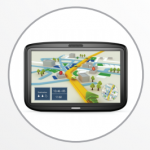
| Know the routeFamiliarize yourself with the route before leaving for your trip. Relying solely upon GPS can lead to dangerous last minute turns and lane changes. |
Secure your petsUnsecured pets can become a distraction. Secure your pets appropriately and never let them run about the vehicle. |
Cruise carefullyCruise control can be a helpful tool, but be careful when using it on long trips, as it can make it easier for drivers to lose focus on the road. |
Take a breakWhen travelling long distances, it’s important to take frequent breaks to help maintain focus and avoid fatigue. |
| †TripAdvisor, nc:http://ir.tripadvisor.com/releasedetail.cfm?ReleaseID=764664‡ NHTSA: http://www.distraction.gov |
 |
Read more
 A vacation is your time to relax and enjoy life.
Vacation is for fun and relaxation. Help save yourself some worry about what could be happening at home by protecting it from theft and damage while you are away. Here is a checklist we have developed to help you have a relaxing and peaceful vacation.
- Make sure all electrical appliances are turned off.
- Clean the refrigerator of all perishable foods, and take out the garbage.
- Lock all windows and doors.
- Arrange to have the newspaper and mail held until your return, or have them picked up by a trusted neighbor.
- Arrange to have your lawn mowed (or snow shoveled) while you are away. Ask a neighbor to set out your trash on collection day and then retrieve empty cans and recycling bins the same day.
- Let a trusted neighbor know you will be away and have them keep an eye on your home. It is a good idea to leave your vacation address and telephone number with a neighbor so you can be reached in case of an emergency.
- Never leave your house key hidden outside your home.
- Set timers on interior lights.
- Make sure to unplug televisions, computers and appliances susceptible to lightning and power surges.
- Advise your alarm company and local police if you will be gone for an extended period.
- Store jewelry and valuable items in a safe-deposit box.
- Arrange for the care of pets.
- Set the heating system to provide minimum heat of 55 degrees.
Read more