Mold growth in your commercial building can cause health concerns and compromise your building’s integrity. Because mold grows quickly in damp conditions and thrives on wood, insulation, carpet, paper, and other organic surfaces where moisture and oxygen are present, it’s especially problematic during the spring season.  Prevent health concerns like asthma, respiratory infections, breathing difficulties, itchy eyes, nasal congestion, and skin irritations when you reduce mold in several ways.
Inspect your Building for Mold Growth
Mold thrives in damp, dark and humid areas, including basements, crawl spaces, bathrooms, carpeted areas, and storage spaces. Inspect your entire building, including secluded areas, at least once a week. Look for visible mold growth that may be green, black or brown, and note any spotty or fuzzy stains, another sign of mold.
Repair Leaks
If you notice damp areas in your commercial space, look for leaks that could cause and encourage mold growth. Repair broken pipes, wall cracks or unsealed windows so that the area remains dry and mold-free.
Install Dehumidifiers
Damp areas and condensation could cause mold to grow, so install dehumidifiers where necessary. These appliances reduce moisture and keep the area dry and free of dangerous mold.
Clean the HVAC System
The heating, ventilation and air conditioning system could spread mold spores throughout your building and increase health risks. Clean the system thoroughly and maintain it as you protect your employees, customers and vendors.
Treat Mold Properly
Small areas of mold growth can be cleaned and treated with bleach or another mold cleanser. Remember to wear a respirator and protective clothing as you perform this task to protect yourself from an allergic reaction.
If your building requires more extensive remediation methods, hire a professional to access the mold, determine the extent of the damage and create a removal plan. Depending on the growth, treatment could require renovations like drywall or sub-flooring replacement. In this case, hire a reliable professional to remove the mold and treat the area properly.
File an Insurance Claim
Your commercial property insurance policy may cover mold removal, especially if it stems from a covered peril, such as a storm or act of vandalism. Check the policy or talk to your agent as you determine if you can file a claim and cover the mold removal and treatment.
Implement an Ongoing Inspection Program
After removing and treating the mold, schedule regular inspections of the area. Look for evidence of mold growth and excessive moisture as you prevent hazardous mold growth.
Mold damages your commercial building and affects the health of your employees. This spring, reduce mold and protect your assets with these tips. For more tips, talk to your commercial property insurance agent.
Read more
If you did not know about the new law and the health insurance mandate (Affordable Care Act (Covered CA) , luckily you now have until April 30, 2020 to sign up for a quality health plan. Time is running out.
In light of the COVID-19 pandemic and conditions, the state allows this exemption as a special enrollment. It is not clear what the expiration date is at this time. Read more here – https://www.coveredca.com/individuals-and-families/getting-covered/special-enrollment/?gclid=EAIaIQobChMI-f6t2PuD6QIVFP5kCh2zTgmZEAAYASABEgIVN_D_BwE&gclsrc=aw.ds
This gives individuals and families a little more time to get health insurance. Applicants can cite COVID-19 as an exemption which will allow late entry into the program even though the open enrollment period has expired – apply on https://coveredca.com
Please get in touch with questions.
UPDATED 4/25/2020- We posted the wrong date and some important information was missing in the original post.
Read more
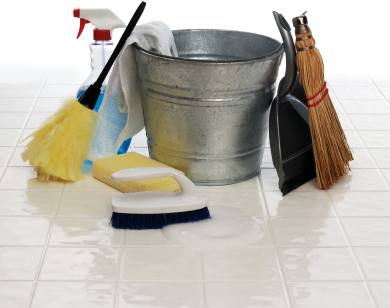 Spring cleaning does more than remove dirt and grime left over from winter. It also protects your house and reduces maintenance costs. So, try four spring cleaning tips this season as you cleanse your home.
1. Wash walls, windows and baseboards.
Often overlooked during weekly cleaning, the walls, windows and baseboards of your home harbor plenty of dirt and dust. Wash them at least once a year to ensure they look nice and to protect their finish.
*Move the furniture away from the walls, and wipe down the walls with a slightly damp cloth or magic eraser.
*The baseboards are also easy to wash off with a damp cloth. A toothbrush reaches into all the crevices.
*Use vinegar on the windows instead of glass cleaner to cut through accumulated dirt and prevent streaks.
2. Scrub the carpet.
Accumulated dirt, pet dander and odors can quickly ruin your carpets. Instead of merely running the vacuum each week, deep clean the carpets at least once a year. You can easily rent a carpet cleaner and do the job yourself or hire a professional cleaner as you prolong the life of your floors.
3. Care for furniture.
Modern or antique, your furniture will last longer when it’s free from dirt. Take time this spring to wipe off each piece from top to bottom. Use a soft cloth on wood to prevent scratches, and remember to spot treat dirty upholstery, flip the cushions and repair any tears or holes in the fabric.
4. Reduce clutter.
In addition to attracting pests and rodents, clutter reduces your ability to exit your home in an emergency. Commit to tossing or donating clutter like piles of books, excess furniture or anything you haven’t used in six months. Your home will thank you.
With these four spring cleaning tips, you’re able to reduce maintenance costs over time. So, look forward to protecting your home this season.
Read more
Modern technology has made it easier than ever for employees to work from home and still remain connected to their place of employment.  The Covid-19 situation has forced the hand of many employers – many had to scramble to enable their team to work for home.
Despite the many benefits of using remote employees, there are downsides. Many employers considering this trend wonder how they can ensure workplace safety when the employee’s physical workplace is their own home. Another consideration is the degree of employer liability in remote employment.
Fortunately, OSHA has addressed some of the safety issues surrounding remote employment. According to OSHA guidelines, employers are required to maintain a safe workplace, even for employees working from their own home. OSHA will not require an employer to inspect a remote employee’s home worksite, nor inspect it themselves.
However, OSHA may inspect the worksite of an employee that’s performing an at-home job on behalf of their employer if it possibly involves health or safety hazards and there’s a complaint. A record of all occupational illnesses and injuries must be kept on all at-home workers if an employer is subject to OSHA record keeping requirements. Keeping in mind that OSHA compliance measures shouldn’t involve controlling the home worksite of employees, employers might need to take some additional practical measures to ensure OSHA compliance.
As far as safety compliance goes, the absence of immediate supervision for remote workers is one of the main problems employers face. Experienced, highly-trained, long-term employers are generally the worst offenders when it comes to taking safety risks. This group of employees often become complacent due to the fact they’re so accustomed and comfortable with their job, feel they’re familiar with the job’s hazards, and might have escaped disciplinary action when ignoring safety procedures or taking shortcuts in the past.
One of the best ways that employers can counteract the above dangerous attitude toward safety is by using a holistic approach to safety. Employers should focus and place great importance on each individual employee actively participating in the safety process and taking responsibility for their own safety. Whether at home, on the road, or at a remote jobsite, remote employees need to be ready, willing, and able to take the appropriate actions to protect themselves in any given situation.
Employers will need employee support to make any approach to safety successful, which means that employers must have total employee involvement in the safety process. Involve your remote employees in the process of determining what’s needed to prevent injury to themselves and others during remote location work. Most employers find that the experience and firsthand knowledge of their employees is actually very advantageous in creating safe remote worksites.
Remember, employees that understand the value of safety are more likely to be motivated and willing participants. They’re also more apt to embrace safety behaviors for the longevity of their employment. Employers can reinforce their employee’s positive attitude about safety by having electronic or person-to-person safety counseling in place and ensuring safety managers are encouraging safety participation.
Read more
Dear Clients and Friends,
Due to the COVID-19 and Santa Cruz County Shelter in Place requirements our team will be working remotely.
Email is the preferred communication mode though we will be periodically checking our voice mails.
Please email us at [email protected]
We appreciate your patience and understanding during these difficult times.
Be safe,
Scurich Insurance Services Team.
Read more
With the current COVID-19 pandemic, more people are opting to away from crowds and social situations – and may work from home.
While and employer’s cybersecurity insurance can reduce liability, it makes sense to also implement several security measures in the telecommuting (work-from-home) policy to protect the company.
Use Secure Wi-Fi Networks
Sure, your employees could connect to their neighbor’s wireless network or use public Wi-Fi at a coffee shop. These unsecured networks can open the door for cybersecurity breaches, though. Instruct employees to only connect to secure Wi-Fi networks or provide a safe and secure Virtual Private Network (VPN) for use as they work.
Maintain Security Settings
To protect work-issued devices and confidential data, you may set security settings on the devices you give telecommuters. Remind employees that they should not use a proxy or other method to get around those security settings. Doing so will compromise their device and the company’s data.
Encrypt Everything
From apps to data, everything employees access from their work-issued device should be protected by encryption. This security measure makes it harder for thieves and hackers to steal or access information.
Limit Access
Employees should only have access to essential data and files, not the company’s entire virtual filing cabinet. This limited access protects information and improves security
Strengthen Passwords
To get into the device and access various files, employees should use secure passwords. The ideal password contains letters, numbers and symbols, is not easy to guess and is unique to each site. Change passwords at least once a month, too. For additional safety, utilize a two-step authentication process, PIN or token system when logging it.
Prohibit Device Lending
It’s common for telecommuters to let a co-worker or family member use their laptop or phone for a few minutes to check email, play a game or make a call. Discourage this practice since the other person could download questionable content, drop or damage the device, access confidential files, or otherwise compromises the device or security.
Protect Devices from Theft
Leaving a laptop, tablet or phone unattended gives thieves an invitation to steal the device. Remind employees to keep their devices with them at all times and not leave their work devices unattended or in an unlocked vehicle. Likewise, they should take care to secure USB drives and other accessories from theft. You can add tracking capabilities to devices for additional security.
Log Out
After every work session, employees should log out of the websites they accessed, their Wi-Fi network and their device. This log out procedure protects company data.
Telecommuting is a privilege that benefits your employees and company. Use these security measures to protect everyone.
Read more
