You already cook meat on the grill. Why not add fruits and veggies? They help you boost your summer nutrition and taste delicious.
Choose Fresh Produce
Whether you decide to grill pineapple, watermelon, corn or asparagus, make sure it’s fresh. Ideally, the produce you grill should be firm and picked within the past three days.
Brush on the Oil
You’ll want to stock quality canola, olive or coconut oil in your pantry before you grill produce. It adds extra flavor to your grilled produce and a light coating works together with foil packets or a non-stick grate to ensure the fruits and veggies don’t stick to the grill.
Mix a Few Marinades
In addition to the oil, prepare a few marinades. Olive oil infused with herbs, raspberries, mint or other flavorings, honey and low-fat or Greek yogurt enhance the taste of your grilled produce.
Leave the Skin On
The skin of many fruits and veggies contains healthy nutrients. So, leave veggie skins on when you grill them and maximize the nutrient content of the grilled veggies you eat. Most fruits, however, grill better without the skin.
Pre-Cook Some Veggies
Certain veggies cook more evenly on the grill when you pre-cook them in the kitchen. To prep asparagus, beets, broccoli, parsnips, potatoes, squash and carrots for grilling, steam or blanch them until they’re al dente. Alternatively, tomatoes, sweet potatoes, peppers, mushrooms, onions and eggplant will cook evenly when you grill them raw.
Use the Right Temperature
When you cook fruits and veggies over moderately hot coals, the outside could cook faster than the inside. You’ll want to rotate the produce between direct and indirect heat so that each piece cooks evenly and completely.
Whether you cook for one or 100, prepare fruits and veggies on the grill and enjoy a summer nutrition boost. They help you stay healthy, and you’ll feel good knowing that you’re helping your family and friends stay healthy, too.
Are you a homeowner or contractor? Did you know that you are required to call the number ‘811’ before digging on any property so that you can be made aware of any underground lines (e.g. pipes, cables and associated utilities) buried in the area? Improper digging can lead to damage to underground lines that can disrupt service to an entire neighborhood, harm diggers or excavators, and even incur potential fines and repair costs.
In case you did not know, 811 is the national “Call Before You Dig” phone number designated by the Federal Communications Commission. This number was developed to eliminate the confusion of multiple “Call Before You Dig” numbers because it is easy to use, is the same for every state, and can help protect anyone who does dig from injury, expense and potential penalties.
What Happens After Calling 811?
All 811 calls are routed to a local One Call Center and the affected utilities. The utility will then send crews to the location to mark any underground lines for the homeowner or excavator for free.
Do Most People Call Before They Dig?
Believe it or not, in spite of all the potential danger and damage that can be caused, the answer is “no.” According to a recent national survey, 45 percent of American homeowners who plan to dig this year said that they would not call 811 beforehand.*
More Information
For more information about the 811 call system, visit http://www.call811.com. To download the most current industry Best Practices in connection with preventing damage to underground facilities, go to http://commongroundalliance.com/.
Follow some of these steps if your vehicle breaks down, and take extra precaution if you are in a busy intersection or on a highway.
Getting out of the car at a busy intersection or on a highway to change a tire or check damage from a fender bender is probably one of the worst things you can do. The Insurance Information Institute (I.I.I.) recommends the following precautions when your car breaks down:
Never get out of the vehicle to make a repair or examine the damage on a busy highway. Get the vehicle to a safe place before getting out. If you have been involved in an accident, motion the other driver to pull up to a safe spot ahead.
If you cannot drive the vehicle, it may be safer to stay in the vehicle and wait for help or use a cell phone to summon help. Standing outside the vehicle in the flow of traffic, under most circumstances, is a bad idea.
Carry flares or triangles to use to mark your location once you get to the side of the road. Marking your vehicle’s location to give other drivers advance warning of your location can be critical. Remember to put on your hazard lights!
In the case of a blowout or a flat tire, move the vehicle to a safer place before attempting a repair – even if it means destroying the wheel getting there. The cost of a tire, rim or wheel is minor compared to endangering your safety.
The information on this site is general in nature. Any description of coverage is necessarily simplified. Whether a particular loss is covered depends on the specific facts and the provisions, exclusions and limits of the actual policy. Nothing on this site alters the terms or conditions of any of our policies. You should read the policy for a complete description of coverage. Coverage options, limits, discounts and deductibles are subject to availability and to individuals meeting our underwriting criteria. Not all features available in all areas.
Insurance is underwritten by The Travelers Indemnity Company and its property casualty affiliates, One Tower Square, Hartford, CT. For a complete list of personal insurance underwriting companies, click here.
Contrary to popular belief, identity fraud does not always begin online. According to Travelers claim data, 44 percent of ID fraud cases happen when a person’s purse or wallet has been lost or stolen. Thieves can use the information they find inside for ID fraud, so here are some critical steps to help protect yourself and your identity.
Watch Your Wallet and Purse
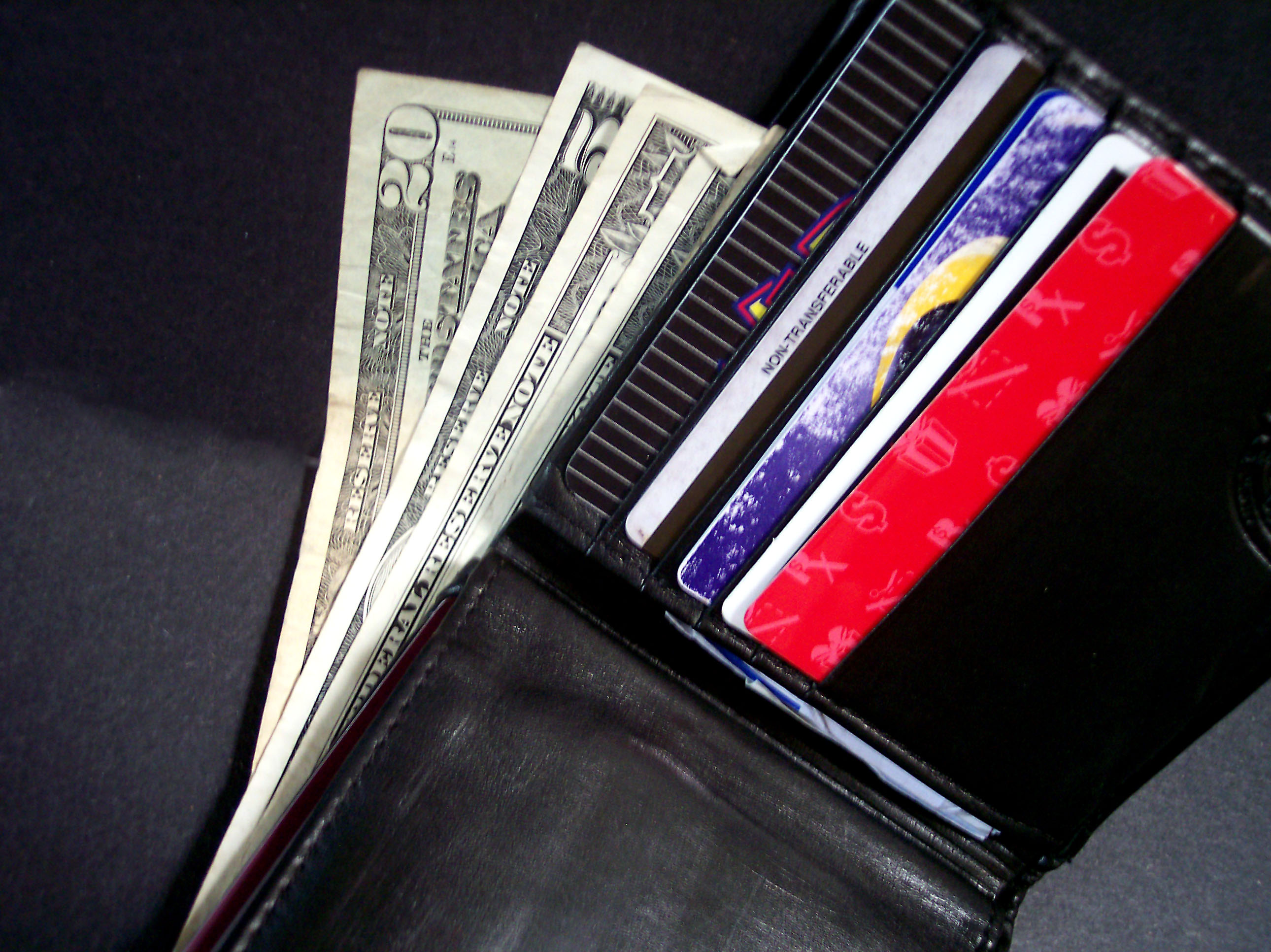
Many people store personal information in their purses and wallets, making it easier for thieves to commit identity fraud. Help secure your identity by keeping your purse and wallet in a safe place and carrying only essentials when you go out. Leave credit cards you will not be using in a secure place at home. Unless it is absolutely necessary, avoid carrying Social Security cards, birth certificates or passports as they contain key pieces of personal information thieves could use to steal your identity.
Monitor Your Mail
Whether you are sending or receiving mail, take steps to help keep it safe from prying eyes. Never put outgoing checks, bill payments or financial information in your unlocked home mailbox. When you need to send out sensitive documents, consider using a secure postal mailbox or send them from the post office. If you have not signed up for electronic statements, be aware of when your credit card statements are scheduled to arrive. If they are late, call the credit card company to confirm if the statement was sent. Be sure to shred old bills and unnecessary financial records containing personal information.
Keep a Careful Eye on Your Credit
According to our data, nearly half of ID fraud cases are committed using the victim’s current accounts. On a regular basis, review your credit report and bank statements to monitor your accounts, and take these extra precautions:
Make a list of all your credit card and bank account information, and store the list in a secure place, such as on a password-protected flash drive or in a fire-proof safe. Include account numbers, expiration dates, credit limits and phone numbers or emails of the customer service and fraud departments. If your card is missing or stolen, you will then be able to quickly notify your credit card provider to prevent fraudulent charges.
Review your credit report and notify the credit bureaus of any mistakes. The U.S. Government Fair Credit Reporting Act gives consumers the right to receive one free copy of their credit report every 12 months from each of the three main credit bureaus (Experian, Equifax and TransUnion). Order one report from a different bureau every four months to see credit activity throughout the year. To order your credit report, visitwww.annualcreditreport.com.
Keep Your Social Security Number Safe
Social Security numbers are often used to open fraudulent accounts or to access financial information or assets. Do not have your Social Security number printed on your checks or allow merchants to write it on them. If a business requests your Social Security number, ask them why. If it is not a valid reason, do not provide the information they request. Also, never give confidential information to an unsolicited phone caller who claims they represent a financial institution or creditor. Instead, get the caller’s name, location, phone number and reason for the call. Then call the phone number on your billing statements to verify the caller’s identification.
Consider buying identity fraud insurance, a relatively inexpensive add-on to your renters or homeowners insurance policy. This coverage typically reimburses the cost of reclaiming your identity and rebuilding your credit, such as attorney’s and notary fees and replacement of IDs. It is a low-cost investment against a high-expense crime.
Enjoy longer days and warmer nights while protecting your investment.
Summertime is the best time to be outside enjoying the weather. Make sure your deck or patio is ready for the summer sun by keeping in mind the seasonal maintenance tips below.
Check deck or patio for possible deterioration and safety hazards such as loose boards and protruding nails.
Check electrical outlets for potential fire hazards such as frayed wires or loose-fitting plugs. Be sure not to overload electrical outlets, fuse boxes, extension cords or any other power service.
Check all window and door locks to ensure correct functioning. Make sure all locks are secure and there are no holes in any of the screens.
Inspect recreational equipment for proper operation and possible dangers (e.g., Are swing sets secure, and do they contain any rusty bolts?).
Carefully inspect your toilet. Look for the erosion of plastic floater valves, and check all pipe connections.
Clean or replace your furnace filter.
Clean the clothes dryer exhaust duct and space under the dryer. Remove all lint, dust and pieces of material.
Inspect washing machine hoses periodically, and replace hoses that show signs of wear or leakage.
Have your roof inspected by a professional once every few years to identify areas of potential leakage.
The summer months are quickly approaching, which means many families will be embarking on vacation getaways. Summer travel and readying the car for trips can be the most stressful part of the vacation.
Travelers recommends the following packing and driving tips for families hitting the road for vacation this summer.
Summer Travel Safety Tips
During the summer months, many families embark on vacation getaways. Summer travel and readying the car for trips can be the most stressful part of the vacation. Travelers offers some packing and driving tips for families hitting the road for vacation this summer.
74%
of Americans taking a summer vacation
plan to drive
Don’t overloadWhen packing, the car can get filled quickly. Spread out the load so the weight is evenly distributed.
Be a prepared
parentPack snacks, extra clothes and entertaining items that will keep your little ones in the back seat happy.
Keep a
clear viewWhen packing your vehicle, make sure you maintain a proper line of sight with your mirrors and windows.
Ready the
roof rackKnow your rack’s weight limit by checking the user’s manual. Recognize the height of your vehicle after packing to prevent damage or accidents.
In 2011alone, over 3,000 people were killed in distracted driving crashes.‡
Know the routeFamiliarize yourself with the route before leaving for your trip. Relying solely upon GPS can lead to dangerous last minute turns and lane changes.
Secure your petsUnsecured pets can become a distraction. Secure your pets appropriately and never let them run about the vehicle.
Cruise carefullyCruise control can be a helpful tool, but be careful when using it on long trips, as it can make it easier for drivers to lose focus on the road.
Take a breakWhen travelling long distances, it’s important to take frequent breaks to help maintain focus and avoid fatigue.

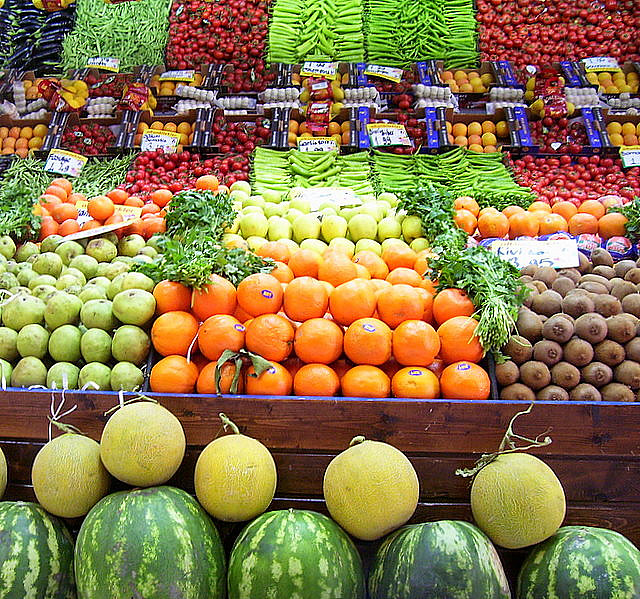 You already cook meat on the grill. Why not add fruits and veggies? They help you boost your summer nutrition and taste delicious.