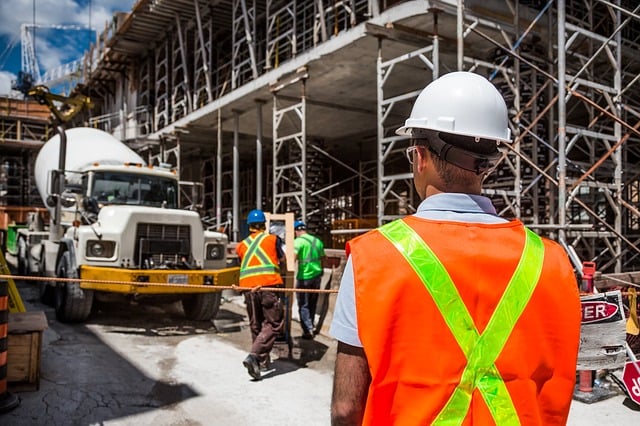
The International Risk Management Institute’s Construction Risk Conference (CRC), held from November 4-7, 2018, in Houston, Texas, is designed for construction professionals like you. If you decide to invest in your business and attend this conference, here’s what you need to know.
What is the CRC?
Held annually, the CRC brings together a variety of experts who share up-to-date information about construction industry risks, insurance trends, and strategies and tactics you can take to avoid risks. This year’s sessions include:
- Kathy Antonello, Chief Actuary at the National Council on Compensation Insurance, will discuss “Workers Compensation Trends and Challenges in Construction.” You’ll learn about trends, challenges and ways to manage your Workers’ Compensation program.
- The View from My Seat offers tools you can use to manage new technologies, labor shortages, law and regulation changes, and other evolving construction risks.
- Jim “The Rookie” Morris shares his inspirational and motivational story.
- Breakout Sessions and Snap Talks dive into topics like contracts, design liability, construction delays, and your supply chain.
Who Attends CRC?
The CRC is designed for a variety of people who work in the construction industry. It’s important for:
- General contractors.
- Subcontractors.
- Project owners and managers.
- Developers.
- Construction lawyers.
- Insurance agents, brokers, underwriters, and adjusters.
- Consultants and service providers.
Why should you Attend CRC?
Consider attending the CRC to gain five benefits.
- Gain knowledge about emerging risks, trends and solutions. As you understand new threats in your industry and to your business, you’ll also learn how to manage these challenges in ways that protect your company.
- Position yourself as an expert. Attending a conference will enhance your knowledge and understanding. Use the information you gain to improve your business offerings and reputation as an expert.
- Expand your network. Meet and collaborate with other construction professionals as you strengthen valuable relationships and share advice and support.
- Identify your insurance needs. After learning more about your risks, you can identify and purchase the right insurance coverage for your business.
- Rejuvenate your mind and body. While you’ll listen to experts and network with peers, you also have time to rest and relax, which allows you to return to work mentally and physically refreshed.
How do you Register?
Registration is open until November 7. However, you can take advantage of the Standard rate and save $400 when you register before October 12. Save even more with the discounted rate that’s available to project owners and contractors. Also, remember the IRMI Conference Guarantee. You can request a registration fee refund if you don’t get your money’s worth from the CRC.
Invest in yourself and your construction business when you attend the 2018 IRMI Construction Risk Conference. It’s good for business.
Read more

On Sept. 28, 2018, Facebook announced that nearly 50 million user accounts were compromised in a data breach. The breach, which can be traced back to July 2017, is one of the largest in the company’s 14-year history.
While investigations are ongoing, the company said hackers exploited a software vulnerability in Facebook’s "View As" feature to steal access tokens and gain control of user accounts. Access tokens are effectively digital keys to specific accounts, and stealing them allows attackers to view private posts or compose status updates without the knowledge of the affected user.
In addition, the attack allowed the hackers to see anything that users can see on their own profile, including the names and birth dates of friends and family members. Such information could be used in future phishing attacks.
In response to the attack, Facebook reset 90 million logins automatically, fixed the software vulnerability and informed law enforcement officials. While the company says that users do not need to change their passwords, individuals experiencing login issues should navigate to Facebook’s Help Center.
As a safety precaution, users are encouraged to log in and out of all of their accounts on every device. Users can see all of the devices they’re currently signed into here.
To learn more about the breach, read Facebook’s official blog post.
Read more

According to a recent study, the average person checks their cellphone 100 times a day. While there is a time and a place for cellphones, using it at the job site can be extremely dangerous.
If you’re distracted for just a second while operating a power tool, working on a roof or driving a forklift, you can injure yourself or a co-worker. You can also face civil or criminal liability for damages you cause by operating a motorized vehicle while using a cellphone.
It isn’t only operators of machinery who need to be mindful of the dangers of cellphone use on the job site. Simply looking down at your cellphone and not paying attention to your surroundings could put your life in danger.
Cellphone Safety Tips When On-site
The Occupational Safety and Health Administration (OSHA) prohibits cellphone use by operators of cranes and similar equipment. Most organizations prohibit any kind of cellphone use on the job site—not just for crane operators. It is your responsibility to know how your company’s rules apply to you and follow them accordingly.
If you struggle with the temptation to check your phone while working on a job site, consider the following safety tips:
- Get in the habit of sending and receiving text messages before or after your shift, or during one of your breaks.
- Remind family and friends that you may not be able to respond to their messages right away. Provide them with your workplace contact information in case of emergencies.
- Turn off push notifications so you’re not distracted by any apps.
- Don’t carry your cellphone on you if the temptation to check it is too much. Instead, leave it in a safe place where it won’t distract you from your job.
- Follow your workplace policy for cellphone use at work and on the job site. Be aware of any cellphone-free zones.
Besides creating enormous safety risks, employees who are texting at work are not doing what they are getting paid to do. For this reason, these workers may be subject to disciplinary action.
If you have questions about ’s workplace cellphone policy, or if you notice inappropriate cellphone use on the job site, don’t hesitate to discuss it with your supervisor or HR.
Read more

Builder’s Risk insurance, also known as Course of Construction insurance, covers property that’s under construction. As a contractor or construction professional, you must understand this important coverage.
What is Builder’s Risk Insurance?
A homeowner, general contractor or project manager can purchase a Builder’s Risk insurance policy during a home building project. The coverage protects the property from hazards and accidents that could occur.
What Does Builder’s Risk Insurance Cover?
The accidents and hazards a Builder’s Risk insurance policy covers include:
- Burglary and theft.
- Property loss during transport to the job site.
- Scaffolding, temporary structures and construction forms on the job site.
- Structure collapse.
- Sewer or drain backup.
- Site plans, blueprints and other valuable papers.
- Fire.
- Lightning.
- Wind, hail or rain storms.
- Explosion.
- Impact by aircraft or vehicles.
- Riot, vandalism and malicious acts.
- Debris removal after a covered accident or hazard.
Most Builder’s Risk insurance policies include several exclusions, so read the policy carefully. Your policy probably does not cover:
- Property others own.
- Accidents.
- Subcontractor actions or materials.
- Professional liability.
- Earthquakes.
- Water damage.
- Weather damage to property in the open.
- Mechanical breakdown.
- Employee theft.
- Contract penalty.
- Voluntary parting.
- War.
- Government action.
What is the Policy Length?
The typical Builder’s Risk insurance policy covers a construction project that lasts from six to 12 months. Coverage ends when the project is finished or the property is occupied.
While the policy may be extended due to construction delays, the insurance company may want proof that you are making progress. Also, only one extension is usually offered.
How Much Does Builder’s Risk Insurance Cost?
Expect to pay between one and four percent of the total construction budget for your Builder’s Risk insurance policy. The type of coverage and materials also factor into the cost. Your insurance agent will work with you to purchase adequate coverage you can afford.
Is Builder’s Risk Insurance a Requirement?
As a contractor, project manager or homeowner, Builder’s Risk insurance gives you peace of mind. However, it’s not usually a requirement. Read your project contract for details.
Purchase Adequate Insurance
As a construction professional, you should purchase the right insurance coverage for your business and projects. Insure the tools and equipment you own in case they’re stolen or vandalized. Also, purchase liability coverage that protects you if you damage the property or cause bodily injury. Be sure the finished project is covered, too, in case something goes wrong with the home you build. Provide copies of your insurance policies to homeowners, too. They need to know that you have the right insurance in case something goes wrong.
Builder’s Risk insurance protects a new home that’s under construction. Understand this coverage as you protect your assets and construction business.
Read more

Colorado State University’s Department of Atmospheric Science forecasts five hurricanes and 12 named storms for the 2018 Atlantic hurricane season. Natural disasters like hurricanes can wreak havoc on your company. Update your business insurance as you prepare for natural disasters.
Prepare for Wind and Hail Storms
Heavy storms that feature high winds or hail can damage your property or disrupt operations. Verify that your business insurance includes adequate commercial property and business interruption coverage.
You may also wish to check if your policy includes a separate property deductible that applies solely to wind or hail claims. Some insurance companies add a flat rate or percentage deductible to these policies, especially in areas that are susceptible to wind and hail storms.
Cover Flooding
Rising water can damage your buildings and property and affect business operations. While your mortgage lender or building manager may require you to purchase commercial flood insurance if your business operates in a flood zone, flood insurance is also important if you operate in a location that doesn’t traditionally flood. That’s because you still could experience high water due to heavy rains, storm surges, melting snow, or broken levees.
Talk to your insurance agent about purchasing flood insurance coverage through the National Flood Insurance Program (NFIP). Because this valuable coverage includes a 30-day waiting period, be sure to purchase flood insurance before you need it.
Purchase Adequate Coverage
If you purchased your business insurance longer than a year ago, schedule a checkup. Your company’s needs may change over time, and you want to update your business insurance coverage, too. For example, if you added expensive equipment to your operation or moved to a different location, verify that your current policy covers these changes.
Check the property value coverage on your policy also. When you purchased your business insurance policy, you may have chosen the cheaper actual cash value option that pays to replace covered property minus depreciation and wear and tear. However, replacement cost pays current market value rates and offers better protection, so consider this more expensive option now.
Finally, review your policy limits. Ensure you have enough coverage for your property, building contents, inventory, and business interruption needs.
Review your Policy Carefully
Insurance policies often include dry, boring language, but take time to review every word. You must know exactly what natural disasters your commercial policy covers. Also, be sure you understand details about the deductible and how to file a claim. Your insurance agent can answer any questions you have and help you purchase enough coverage for your specific needs.
Your business insurance gives your company valuable protection. Update your coverage today as you prepare for future natural disasters.
Read more

With some farmers struggling to find reliable farm labor, it is important to invest some thought in the hiring process. Here are some tips for finding the right help:
Examine your needs. You might have a general idea in your head of what work needs to be done, but it’s best to be specific. Narrow down broad processes into specific jobs so you can determine how much help you truly need.
Think about desired traits. Do you need someone to fill a temporary need, or are you hoping that person can go on to fill a managerial role? You’ll have to determine whether people skills are more important than manual labor or machinery skills, and list those traits in your job description.
Consider hiring for a trial period. If you’re hesitant about a candidate but need immediate help, consider hiring them for a short-term trial period. This saves you from high employee turnover while buying you time to recognize your needs. It allows both you and the worker to communicate any frustrations and expectations after the trial period before considering whether the working relationship is worth investing in long term.
Read more
