 In Times Square with thousands of strangers or in your living room with close friends, ring in the new year with a party. Just make sure to follow several tips that keep your New Year’s Eve celebration healthy and safe.
Drink Responsibly
If you’re planning to drink, do not drive. Don’t let your drinking friends drive, either. Instead, choose a designated driver, hire a taxi, take public transportation or invite everyone to crash in your living room.
Go easy on the alcohol, too. Pacing yourself prevents alcohol poisoning and ensures you can pay attention to your surroundings as you act smart and stay safe.
Handle Food Safely
Appetizers, hors d’oeuvre and snacks keep the party going. Heat food adequately and refrigerate leftovers promptly, though, to prevent food poisoning. Check in with guests about possible food allergies, too, as you safely indulge in party foods.
Navigate Crowds
Whether you’re a guy or gal, grab a friend and travel in a group for safety. Keep an eye on your surroundings, never go anywhere with strangers and never leave your beverage unattended. Leave your valuables at home and hold your phone and wallet in a front pocket, too, especially if you’re headed to a crowded celebration downtown.
Drive Carefully
Winter weather can make roads slippery, particularly when you travel after dark. Drive carefully as you leave early, go slow and maintain a safe distance from other vehicles. Of course, if the roads are too bad, stay home and watch the party on TV instead of going out this year.
Ban Guns and Fireworks
Stick with noise makers and sparklers if you need special effects on New Year’s Eve. Otherwise, an inexperienced user could kill or injure someone. Plus, shooting guns and fireworks could break local noise ordinances and other laws.
Ringing in the new year is a fun tradition. Use these tips to keep the party, your guests and you safe and healthy.
Read more
 Whether you received valuable collectibles or heirloom jewelry, you’ll want to insure these holiday presents. Your homeowners or renters insurance policy may provide coverage for some of your new items, but anything above the existing coverage limit requires a personal articles floater. Consider specific gifts that you’ll want to insure this year.
Jewelry: Your homeowners insurance policy should cover jewelry valued at less than $2,000. However, appraised jewelry that’s more valuable will require a floater.
Furs: From a real fur jacket to a fake fur-trimmed hat, add any furs you receive to your homeowners insurance policy.
Fine Art: Paintings, sculptures, rare books, manuscripts, ornamental collectibles, glasses and antique furniture fall under the fine art category. Record these items and their value on an itemized schedule attached to your insurance policy.
Electronics: Laptops, cameras, TVs and other electronic devices, plus telescopes, video recording equipment and films, are typically included in your existing homeowners or renters insurance policy. If these items are high-end, consider a floater.
Coins or Stamps: Depending on their value, you’ll want to add a floater for new coins or stamps in your collection.
Musical Instruments: List any musical instruments, including sound equipment, on a floater.
China, Crystal or Silverware: List these items on a schedule and include the insurance coverage amount.
Sporting Goods: Bicycles, golf equipment, guns and other sporting goods fall under your existing insurance policy unless they’re collectible, rare or expensive.
Tools: Insured under your homeowners or renters policy, your new tools won’t need a floater unless they exceed the value of your existing coverage.
As with everything in your home inventory, record a detailed description, serial number, purchase date, value and picture of your new holiday presents. Store copies of this information with your insurance policy in a fireproof safe and in a secure location other than your home.
Go ahead and enjoy your new holiday presents. Just remember to check with your insurance agent to be sure they’re covered.
Read more
While food is the primary cause of childhood choking, holiday decorations and other seasonal hazards can also be dangerous. If an item fits in a tube that’s one and three-quarters inches wide, a child can choke on it. As you decorate, unwrap presents and eat during holiday celebrations, take six precautions that keep your young guests safe.
- Hang ornaments, lights and tinsel out of reach. Shiny and inviting, these tree decorations should be kept on the upper half of the tree or placed on wreaths that are out of a toddler or young child’s reach.
- Remove fake berries from the table centerpieces. Kids are usually hungry, and fake berries look just like the real thing. So for safety, remove fake berries and any other artificial table centerpiece component that resembles something edible.
- Pick up small items like spare change, buttons and jewelry. Especially if you’re not used to having youngsters around, you may store these choking hazards in jars throughout the house or lying loose on counters. For safety, move them to a high shelf where little hands can’t reach.
- Give toy batteries to parents after the celebration instead of wrapping them with the gift. You don’t want kids to suck on or accidentally swallow batteries that are supposed to power their new toys.
- Toss wrapping paper, tape and ribbon as soon as the presents are opened. Have a trashcan handy, and use it to dispose of these choking hazards after each gift is opened.
- Store food out of reach. While you prep the meal, keep an eye on the serving area and table. Little ones may grab food, whether it’s bite-sized or full sized, and stuff it into their mouths. To be safe, prep a few kid-safe snacks in advance for hungry kids to enjoy between meals.
Create a choke-free holiday when you implement these six precautions. With them, everyone can enjoy a safe and happy holiday.
Read more
While central California does not need to be concerned with a great deal of the adverse weather that is experienced by other areas of the country, there are still plenty of hazards that can pop up unexpectedly during the holidays. By taking a proactive approach, you can make sure that no matter what happens, you – as well as your friends and family who visit your home during the holidays – is protected.
Decorating Debacles
No matter how carefully you plan, there is always the possibility that something could go awry while you are decorating. Slips on steep basement steps to retrieve decorations, ladders that move unexpectedly and falls from roof top perches are just a few of the common issues that can put a damper on these otherwise festive weeks. Ensuring that you have the right kind of home insurance – and adequate amounts of it with a manageable deductible – can help ease the inconvenience and pain of any holiday injuries.
Protect Your Guests
As a host to your friends and family, you want to provide a safe and happy experience. Sometimes, though, things are beyond your control and accidents happen. Whether it is something like a guest who loses their grip and takes a tumble down your stairs or one that slips on a rain-slicked sidewalk, you can rest easier knowing that you have the insurance that is required to cover their expenses. Having that safety net also helps ensure that your friendship survives this unfortunate event.
Helps You Deal with Devastating Loss
The holiday season sees an alarming uptick in the number of home fires. Whether this is the result of cooking accidents in the kitchen, overloaded electrical circuits or unattended candles, you will be able to weather these incidences more easily because you have homeowner’s insurance. While starting over after a devastating fire is difficult, ensuring that you have the money to do so can provide you with a measure of comfort.
Read more
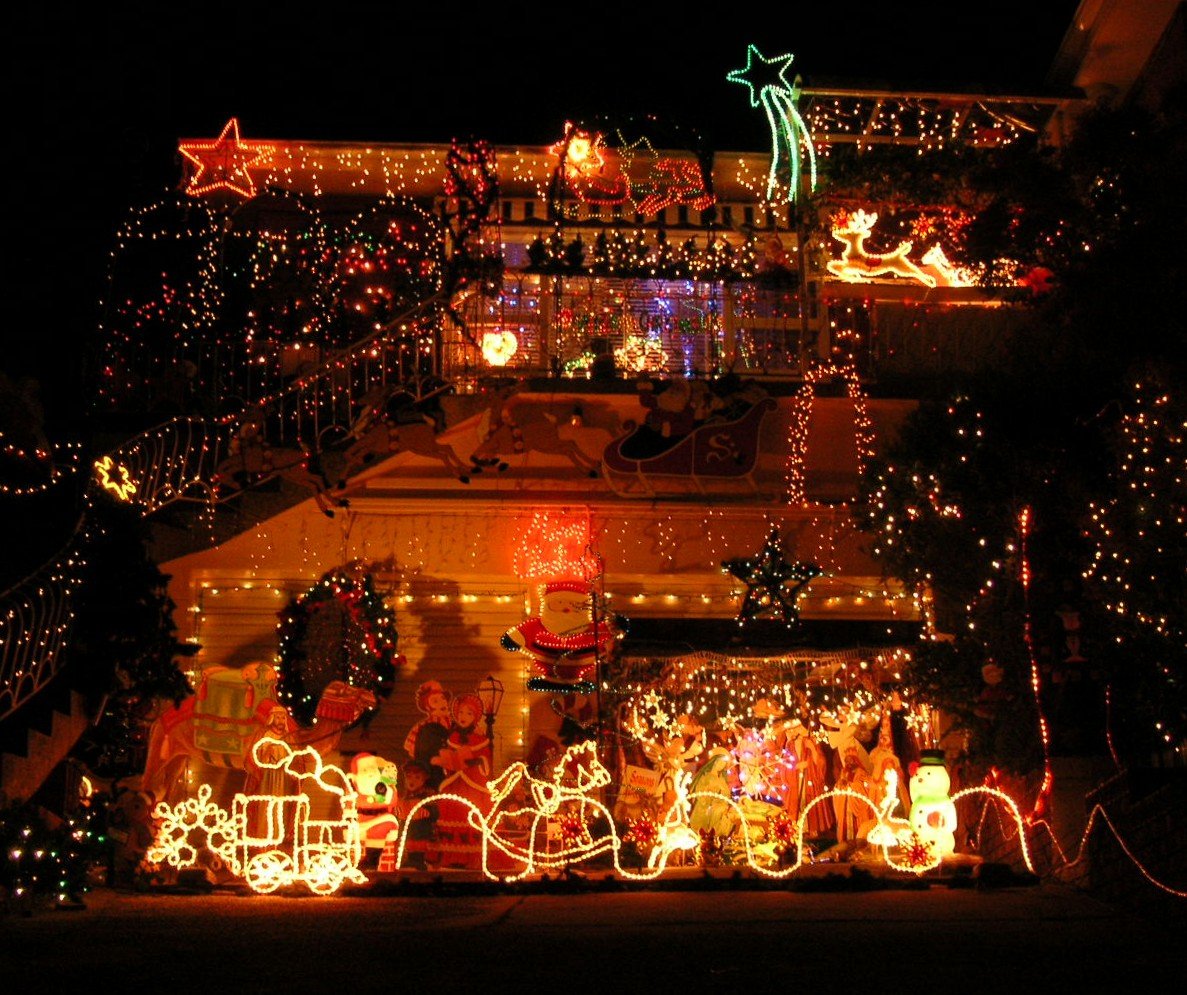 The holidays simply would not be the same without lots of bright lights. Not only do they add to the festive look of this time of the year, they also bring back many memories. There are a lot of people who think the holidays are not complete without tons of lights strung everywhere.
With all those lights, though, you might come to an unpleasant realization when you plug in some unrelated electrical device and you find yourself in the dark. Overloading your circuits is easier than you might think. There are safety mechanisms put into place in electrical systems that are correctly installed, but losing a section of the electricity in your home when you plug in that last string of lights can put a damper on your holiday celebration.
While implementing a temporary fix to your overloaded circuits is pretty easy, a long term solution that works year after year is always best. If you find yourself flipping breakers – for more modern homes – or blowing fuses – for those older homes that still use them – then simply unplug a few items, flip the breaker or replace the fuse and move on. As for those devices that you had to remove from the overloaded circuit, resist the urge to use electrical cords that snake throughout your home since they will only add to the list of potential hazards.
Instead, opt to move them completely. Before bringing out the lights and other decorations that require electricity, make a plan for the outlets that you do have. While you can add a power strip to one outlet to increase its capacity, stick to those that have three sockets to ensure that you do not have the same overloaded circuit problem.
Because overloaded circuits are still a fire hazard – in spite of the safety mechanisms that are built into your electrical system – you will want to contact a qualified electrical contractor to have more outlets installed as soon as possible.
Read more
The holidays are  upon us and alcohol will be flowing at company parties throughout the land. Beware! If an employee or guest gets inebriated at a social function sponsored by your business and then injures another person, you could be held liable.
Consider this scenario: After polishing off four eggnogs in an hour at the company’s Christmas party, one of your workers toddles off to his car. The employee almost makes it home when he runs a red light and T-bones a car. The car is damaged and injures the driver. The driver then sues your business for negligence in allowing the employee to drive home although he was clearly “under the influence” at the company party.
What’s more, under state and local “social host” laws, your business might face a fine or even imprisonment for continuing to serve alcohol to an adult who is legally drunk.
Under your comprehensive general liability policy is a clause for host liquor liability. The insurance company will pick up the tab for property damage and bodily injuries, up to “each occurrence” or “general aggregate” limits for the CGL. This coverage will also pay for court costs, legal fees, and other expenses – and these payments will not apply to the limits.
Be sure not to confuse host liquor liability insurance with Liquor Liability coverage, which protects businesses that manufacture, serve, or sell alcoholic beverages (such as liquor stores, bars, and taverns) against claims for injuries caused by intoxicated customers. If you’re in one of these businesses, you’ll need both types of policy.
To learn more, feel free to get in touch with our agency at any time.
Read more
