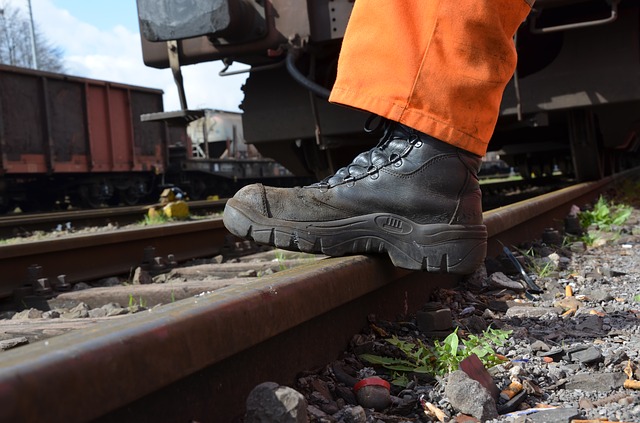
Whether you stand all day, operate heavy machinery or handle chemicals, you need to protect your feet as you work. Several foot safety tips reduce injuries and help you maintain a safe work environment.
When to Wear Safety Footwear
Safety footwear protects your feet against numerous injuries, including punctures, impacts, electrical shock and compression. If you work in any hazardous work environment, you probably need to wear safety footwear as part of your daily uniform. Protective shoes also protect your feet if you suffer from weak ankles or other medical conditions.
Available Types of Safety Footwear
Depending on your job and preferences, you may select safety boots or sneakers. Available in a variety of styles and colors, the best safety shoes include a CSA certification and may include:
Safety-toe – features a special toe covering that protects the foot from dropped objects
Steel insole – stabilizes feet and protects them from joint and bone injuries or problems
Metal instep – provides a barrier against glass, nail and other sharp object punctures
Metatarsal protection – reduces injuries to your upper feet and internal bones
Electric protection – absorbs shock through specially made soles
Heat resistant – resists heat-related injuries
Water resistant – repels water and keeps feet dry
Nonslip – improves traction on various surfaces
Where to Purchase Safety Footwear
Your employer may provide strict guidelines and limitations about exactly which safety shoe you may wear, including where you may purchase this gear. If you can select the safety shoes you wear, check specialty footwear stores or online retailers. Because you want to protect your feet, select only the right shoes for your job and feet. Price should be secondary as you promote safety.
How to Fit Your Safety Footwear
When trying on safety footwear, ensure a proper fit.
- Try on shoes in the afternoon to accommodate swelling that occurs naturally during the day.
- Wear your regular work socks and any special supports.
- Ensure ample toe room since the shoes typically do not stretch with wear.
- Check for snugness around the heel and ankle.
- Walk around a bit to check for comfort.
Care Instructions
Most safety footwear requires ongoing care and maintenance. Before you wear them for the first time, apply a water-resistant coating. Every day, inspect your shoes for damage, including sole cracks, leather breaks or toe cap exposure. Always replace your safety footwear if you notice signs of wear or damage that you cannot repair and after a puncture, impact or other event that may compromise the shoe.
Protect your feet at work when you wear the right safety footwear. Talk to your employer and check OSHA resources as you purchase, maintain and wear shoes that protect your feet every day.
Read more

Eating a well-balanced diet is a key component in living a long, healthy life. Many Americans think that eating healthy means they have to empty their wallets, which isn’t necessarily the truth. Keep the following money-saving tips in mind next time you’re grocery shopping:
- Make a weekly meal plan. Before you go to the store, think about what meals and snacks you want for the week. Read recipes thoroughly so you can make an accurate list of everything you need, reducing the risk that you’ll have to run back to the store later in the week.
- Create a list—and stick to it. Make a detailed list of what you need to buy before you go to the store. When you get to the store, don’t buy anything besides what’s on the list.
- Plan where you’re going to shop. Many grocery stores run sales or offer coupons on various healthy foods. Check out the ads and plan your grocery list around what’s on sale.
- Shop seasonally. Fresh fruits and vegetables that are in season are usually easier to get and may be a lot less expensive. Click here for a list of what’s in season.
- Cook at home as often as possible. Many foods prepared at home are cheaper and more nutritious. Go back to the basics and find a few simple and healthy recipes that your family enjoys.
One Pan Potatoes & Chicken
4 medium potatoes
1 pound chicken breast (boned and skinned)
2 Tbsp. oil
1 cup salsa
1 15-ounce can whole kernel corn (drained)
PREPARATIONS
- Cut potatoes into ¾-inch cubes.
- Cook potatoes over medium-high heat until fork-tender. Remove from pan.
- Heat the oil in a skillet over high heat. Brown the chicken for 5 minutes.
- Add the potatoes back into the pan and cook until lightly browned.
- Add salsa and corn. Cook until heated through.
- Serve warm.
Makes: 6 servings
Nutritional Information (per serving)
|
Total Calories |
285
|
|
Total Fat
|
7 g
|
|
Protein
|
21 g
|
|
Carbohydrates
|
35 g
|
|
Dietary Fiber
|
4 g
|
|
Saturated Fat
|
1 g
|
|
Sodium
|
316 mg
|
|
Total Sugars
|
3 g
|
Read more

As a homeowner, one of your top priorities is keeping your property and family safe from intruders. With the advent of smart homes and new technology, home security is easier and more affordable than ever.
The following are some new technologies that can protect you and your loved ones from criminals:
Doorbell cameras — Doorbell cameras are a great way to see who is at the door before you open it. This is especially useful if you have children who are frequently home alone.
Smart door locks — Smart door locks allow you to lock or unlock your doors remotely. This can be helpful if you forget to lock your doors before you leave the house.
Motion sensors — Homeowners can attach motion sensors to doors and windows. Even the slightest movement can trigger these devices and alert you to intruders.
Above all, it’s important to have a strong security system in place. These systems should include Wi-Fi-enabled cameras, smart smoke detectors and an alarm system that notifies the authorities in an emergency.
Read more

The right auto policy can be invaluable following a vehicle theft. If you have comprehensive coverage on your policy, your insurer can help pay to replace your lost car. Most policies can even provide rental car coverage until your stolen vehicle is recovered or considered lost. For more information on car insurance, contact Scurich Insurance today.
If you suspect your vehicle has been stolen, do the following:
Call the police. The sooner you notify the proper authorities, the more likely you are to recover your vehicle. You will want to share everything about your car that you can, including its make, model, licence plate number and VIN number.
Report the stolen car to your insurer. Once you’ve completed a police report, you should contact your car insurance company. You can often file a report using your insurer’s claims hotline. You should also consider contacting your local motor vehicle department, as they typically maintain a database of stolen vehicles.
Report the theft to your finance or leasing company. If you still owe money to a financing or leasing company, you will want to inform them that your vehicle has been stolen. Often, these companies work directly with insurers following vehicle thefts.
While there’s a chance authorities may recover your stolen vehicle, it’s best to try to prevent thefts altogether. Make sure you always lock your car and take your keys with you. Never keep a spare set of keys hidden in your car or leave the vehicle running unattended. Parking in well-lit areas and hiding valuables that might attract thieves can also be useful.
Read more

The Occupational Safety and Health Administration (OSHA) recently unveiled its top 10 most frequently cited violations. The agency reports the leading causes of workplace injuries during its fiscal year (October through the following September).
The 2017 top 10 list of most frequently cited standards did not change significantly from 2016, with fall protection violations remaining at the top of the list. In fact, the top five most cited violations remained the same.
- Fall Protection (29 CFR 1926.501): 6,072 citations
Falls from ladders and roofs still account for the majority of injuries at work. Identifying fall hazards and deciding how to best protect workers is the first step in eliminating or reducing fall hazards. This includes, but is not limited to, guardrail systems, safety net systems and personal fall protection systems in conjunction with safe work practices and training.
- Hazard Communication (29 CFR 1910.1200): 4,176 citations
In order to ensure chemical safety in the workplace, information must be available about the identities and hazards of all chemicals in use. OSHA standard 1910.1200 governs hazard communication to workers about chemicals that are both produced or imported into the workplace. Both the failure to develop and maintain a proper written training program for employees, as well as the failure to provide a Safety Data Sheet for every hazardous chemical, top the citation list.
- Scaffolding (29 CFR 1926.451): 3,288 citations
According to the Bureau of Labor Statistics, the vast majority of scaffold accidents can be attributed to the planking or support of the scaffold giving way, or to employees slipping or being struck by falling objects. The dangers associated with scaffold use can be controlled if employers strictly enforce OSHA standards.
- Respiratory Protection (29 CFR 1910.134): 3,097 citations
Standard 1910.134 provides employers with guidance in establishing and maintaining a respiratory inspection program for program administration, worksite-specific procedures and respirator use. Respirators protect workers from oxygen-deficient environments, harmful dusts, fogs, smokes, mists, gases, vapors and sprays. These hazards could cause cancer, lung impairment, and other diseases or death.
- Lockout/Tagout (29 CFR 1910.147): 2,877 citations
Lockout/tagout (LOTO) refers to specific practices and procedures that safeguard employees from the unexpected startup of machinery and equipment, or the release of hazardous energy during service and maintenance activities. Workers who service mechanical and electrical equipment face the greatest risk of injury if LOTO is not properly implemented. Workers injured on the job from exposure to hazardous energy lose an average of 24 workdays for recuperation.
- Ladders (29 CFR 1926.1053): 2,241 citations
These types of violations typically occur when ladders are used for purposes other than those designated by the manufacturer, such as when the top step of a stepladder is used as a step, when ladders are not used on stable and level surfaces, or when defective ladders are not withdrawn from service. Most employee injuries can be attributed to inadequate training and a disregard for safe operating procedures.
- Powered Industrial Trucks (29 CFR 1910.178): 2,162 citations
Each year, tens of thousands of injuries related to powered industrial trucks (particularly forklifts) occur. Many employees are injured when lift trucks are driven off of loading docks or when they fall between docks and unsecured trailers. Other common injuries involve employees being struck by lift trucks or falling from elevated pallets and tines. Most incidents also involve property damage, including damage to overhead sprinklers, racking, pipes, walls and machinery.
- Machine Guarding (29 CFR 1910.212): 1,933 citations
When left exposed, moving machine parts have the potential to cause serious workplace injuries, such as amputations, burns, blindness, and crushed fingers or hands. The risk of employee injury is substantially reduced by installing and maintaining the proper machine guarding.
- Fall Protection Training Requirements (29 CFR 1926.503): 1,523 citations
Because falls represent such a serious risk, employers must train employees to identify potential fall hazards and follow procedures in order to minimize the chance of a fall. According to OSHA, employees should be trained to use fall protection methods, such as guardrails, safety nets and personal fall arrest systems, and employers should verify that employees have been trained by preparing written certification records.
- Electrical—Wiring Methods (29 CFR 1910.305): 1,405 citations
Electricity has long been recognized as a serious workplace hazard. OSHA’s electrical standards are designed to protect employees exposed to dangers, such as electric shock, electrocution, fires and explosions. Electrical wiring violations that top the electrical citation list include the failure to install and use electrical equipment according to the manufacturer’s instructions, failure to guard electrical equipment, failure to identify disconnecting means or circuits, and not keeping workspaces clear.
Read more

Technology can be a risk, especially when it involves your password. You hear about all of the hack attempts on the large corporations, but you don’t hear about the every day person that get’s targeted by a cyber attack. Simply visiting a website could enable your attacker access to your computer. This should push you to protect your most valuable asset, your password! Don’t give the hackers an easy target by not following the simple tips on improving your password.
Improve Your Password
- Change your password every 30-45 days.
- Choose a password between 8-16 characters.
- Use at least two special characters (!@#$%^&*) randomly within your password
- Avoid using family or pet names, dates or common phrases within your password.
- Never reuse or repeat a password across accounts.
Stay Away from COMMON Passwords
Protect yourself (and your company) by making sure you’re not using one of the top 25 most commonly stolen passwords of 2017, as determined by IT security firm SplashData.
- 123456
- password
- 12345678
- qwerty
- 12345
- 123456789
- letmein
- 1234567
- football
- iloveyou
- admin
- welcome
- monkey
- login
- abc123
- starwars
- 123123
- dragon
- passw0rd
- master
- hello
- freedom
- whatever
- qazwsk
- trustno1
Read more
