 Valued at $46.2 million, the Graff Pink diamond is one of the most expensive pieces of jewelry in the world. Your jewelry box might not hold anything that priceless, but you certainly want to insure your valuable or sentimental pieces, including the diamond cufflinks you wore at your wedding or your grandmother’s ruby brooch.
1. Hire an Independent Appraiser
An independent appraiser will carefully and thoroughly inspect each piece of jewelry you own, and he or she will then determine the exact value of your works of art. Be sure to obtain a signed document that includes a detailed description and appraiser’s value for each piece.
2. Check Your Current Insurance Policy
Most homeowner or renter insurance policies include cash value or replacement coverage for personal belongings. As long as that figure is high enough to cover everything you own, including your real jewelry, you’re set.
3. Purchase a Rider
If your current policy does not cover your valuable gems, purchase a rider. It offers additional coverage for your precious collection.
4. Take Pictures of all Your Pieces
The police need detailed descriptions of your jewelry if a piece is lost or stolen. Take detailed pictures of each piece to increase the likelihood of recovery.
5. Update Your Inventory Regularly
Once you’re sure your jewelry is adequately insured, mark your calendar for an annual inventory review. Add new pieces you recently purchased and remove pieces you sold or gave away to ensure your collection is completely covered.
6. Inspect Your Jewelry
As part of your annual review; take your jewelry for an inspection. The jeweler will look for loose settings, chips or scratches. Take new pictures after any needed repairs are made.
7. Store Your Jewelry in a Safe Place
Insurance will replace your real jewelry if it’s lost, stolen or damaged, but don’t take chances. A fireproof safe hidden in your home or a safety deposit box at the bank protects your gems, especially if you own expensive pieces that you wear only on rare occasions.
You do not want to file a claim for stolen jewelry and find out it wasn’t insured. Follow these tips and talk to your insurance agent today as you protect your valuable collection.
Read more
 Whether you received valuable collectibles or heirloom jewelry, you’ll want to insure these holiday presents. Your homeowners or renters insurance policy may provide coverage for some of your new items, but anything above the existing coverage limit requires a personal articles floater. Consider specific gifts that you’ll want to insure this year.
Jewelry: Your homeowners insurance policy should cover jewelry valued at less than $2,000. However, appraised jewelry that’s more valuable will require a floater.
Furs: From a real fur jacket to a fake fur-trimmed hat, add any furs you receive to your homeowners insurance policy.
Fine Art: Paintings, sculptures, rare books, manuscripts, ornamental collectibles, glasses and antique furniture fall under the fine art category. Record these items and their value on an itemized schedule attached to your insurance policy.
Electronics: Laptops, cameras, TVs and other electronic devices, plus telescopes, video recording equipment and films, are typically included in your existing homeowners or renters insurance policy. If these items are high-end, consider a floater.
Coins or Stamps: Depending on their value, you’ll want to add a floater for new coins or stamps in your collection.
Musical Instruments: List any musical instruments, including sound equipment, on a floater.
China, Crystal or Silverware: List these items on a schedule and include the insurance coverage amount.
Sporting Goods: Bicycles, golf equipment, guns and other sporting goods fall under your existing insurance policy unless they’re collectible, rare or expensive.
Tools: Insured under your homeowners or renters policy, your new tools won’t need a floater unless they exceed the value of your existing coverage.
As with everything in your home inventory, record a detailed description, serial number, purchase date, value and picture of your new holiday presents. Store copies of this information with your insurance policy in a fireproof safe and in a secure location other than your home.
Go ahead and enjoy your new holiday presents. Just remember to check with your insurance agent to be sure they’re covered.
Read more
While central California does not need to be concerned with a great deal of the adverse weather that is experienced by other areas of the country, there are still plenty of hazards that can pop up unexpectedly during the holidays. By taking a proactive approach, you can make sure that no matter what happens, you – as well as your friends and family who visit your home during the holidays – is protected.
Decorating Debacles
No matter how carefully you plan, there is always the possibility that something could go awry while you are decorating. Slips on steep basement steps to retrieve decorations, ladders that move unexpectedly and falls from roof top perches are just a few of the common issues that can put a damper on these otherwise festive weeks. Ensuring that you have the right kind of home insurance – and adequate amounts of it with a manageable deductible – can help ease the inconvenience and pain of any holiday injuries.
Protect Your Guests
As a host to your friends and family, you want to provide a safe and happy experience. Sometimes, though, things are beyond your control and accidents happen. Whether it is something like a guest who loses their grip and takes a tumble down your stairs or one that slips on a rain-slicked sidewalk, you can rest easier knowing that you have the insurance that is required to cover their expenses. Having that safety net also helps ensure that your friendship survives this unfortunate event.
Helps You Deal with Devastating Loss
The holiday season sees an alarming uptick in the number of home fires. Whether this is the result of cooking accidents in the kitchen, overloaded electrical circuits or unattended candles, you will be able to weather these incidences more easily because you have homeowner’s insurance. While starting over after a devastating fire is difficult, ensuring that you have the money to do so can provide you with a measure of comfort.
Read more
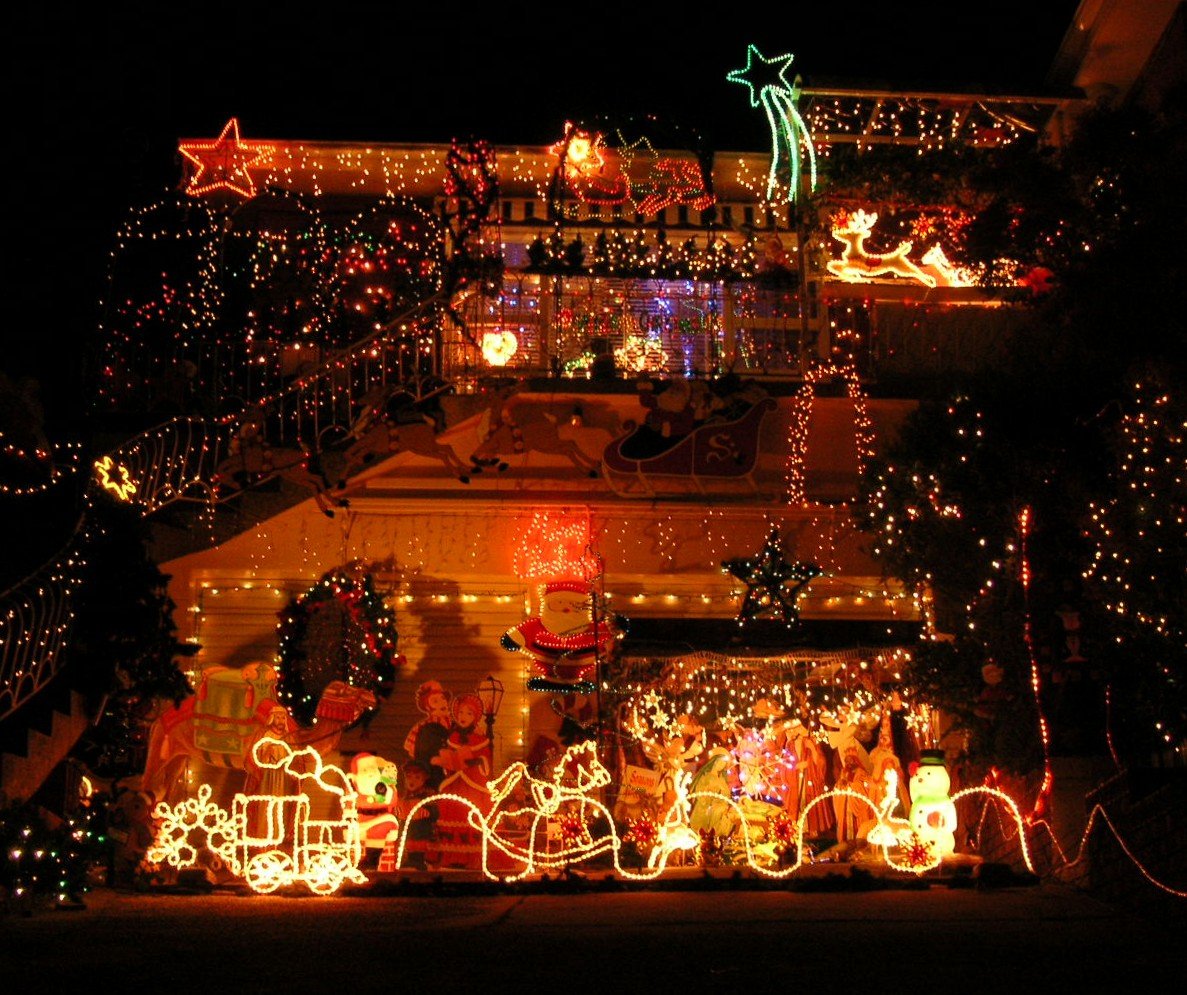 The holidays simply would not be the same without lots of bright lights. Not only do they add to the festive look of this time of the year, they also bring back many memories. There are a lot of people who think the holidays are not complete without tons of lights strung everywhere.
With all those lights, though, you might come to an unpleasant realization when you plug in some unrelated electrical device and you find yourself in the dark. Overloading your circuits is easier than you might think. There are safety mechanisms put into place in electrical systems that are correctly installed, but losing a section of the electricity in your home when you plug in that last string of lights can put a damper on your holiday celebration.
While implementing a temporary fix to your overloaded circuits is pretty easy, a long term solution that works year after year is always best. If you find yourself flipping breakers – for more modern homes – or blowing fuses – for those older homes that still use them – then simply unplug a few items, flip the breaker or replace the fuse and move on. As for those devices that you had to remove from the overloaded circuit, resist the urge to use electrical cords that snake throughout your home since they will only add to the list of potential hazards.
Instead, opt to move them completely. Before bringing out the lights and other decorations that require electricity, make a plan for the outlets that you do have. While you can add a power strip to one outlet to increase its capacity, stick to those that have three sockets to ensure that you do not have the same overloaded circuit problem.
Because overloaded circuits are still a fire hazard – in spite of the safety mechanisms that are built into your electrical system – you will want to contact a qualified electrical contractor to have more outlets installed as soon as possible.
Read more
 Despite the explosive growth of online identity theft, the great majority of personal information is stolen or lost in other ways, according to one recent study.
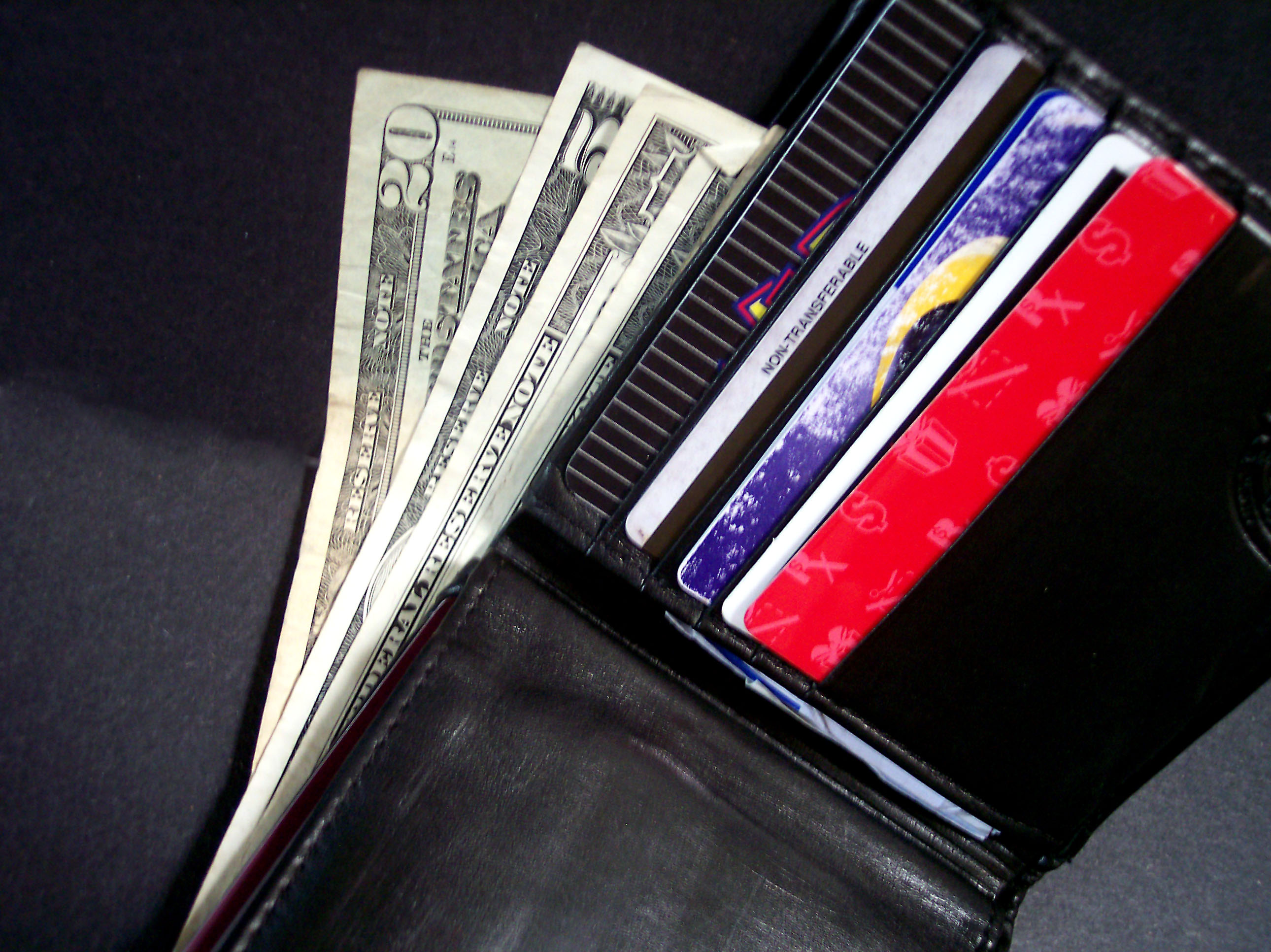
A nationwide survey of claims data by Travelers insurance company found that nearly three in four cases of identity fraud (73%) did not involve cyber-crime. According to Travelers, such stolen or misplaced items as wallets and pocketbooks were the most common known causes of these claims. The theft of drivers licenses, Social Security cards, or other forms of personal identification ranked second. Burglaries ranked third, followed by cyber breaches, including Internet scams and old-fashioned forgeries.
To protect yourself against all varieties of identity theft, experts recommend these guidelines:
- Check your monthly financial statements to detect any suspicious activity (in case you find any discrepancy, contact the financial institution immediately).
- Carry only essential credit cards
- Keep critical documents in a secure place
- Avoid scams by not disclosing personal information if you receive an unsolicited request
- Shred old bills and financial statements
- Store purses and wallets in a safe place
- Never print account information on an outgoing mail envelope
- Be careful about sharing personal information on social media
- Ask for a free report annually from the national credit reporting agencies.
You might also consider purchasing Identity theft insurance. Many policies provide coverage for lost or stolen funds; long distance calls to resolve, report, or discuss the fraud; the cost of notarizing fraud affidavits, certified mail, or other documents needed to restore compromised credit; loan re-application fees due to incorrect credit information; and attorney fees (if pre-approved).
For more information, please get in touch with our agency.
Read more
The holidays are  upon us and alcohol will be flowing at company parties throughout the land. Beware! If an employee or guest gets inebriated at a social function sponsored by your business and then injures another person, you could be held liable.
Consider this scenario: After polishing off four eggnogs in an hour at the company’s Christmas party, one of your workers toddles off to his car. The employee almost makes it home when he runs a red light and T-bones a car. The car is damaged and injures the driver. The driver then sues your business for negligence in allowing the employee to drive home although he was clearly “under the influence” at the company party.
What’s more, under state and local “social host” laws, your business might face a fine or even imprisonment for continuing to serve alcohol to an adult who is legally drunk.
Under your comprehensive general liability policy is a clause for host liquor liability. The insurance company will pick up the tab for property damage and bodily injuries, up to “each occurrence” or “general aggregate” limits for the CGL. This coverage will also pay for court costs, legal fees, and other expenses – and these payments will not apply to the limits.
Be sure not to confuse host liquor liability insurance with Liquor Liability coverage, which protects businesses that manufacture, serve, or sell alcoholic beverages (such as liquor stores, bars, and taverns) against claims for injuries caused by intoxicated customers. If you’re in one of these businesses, you’ll need both types of policy.
To learn more, feel free to get in touch with our agency at any time.
Read more
