
As the average cost of getting hitched keeps rising (to $27,000 in 2012), more and more couples are using Wedding Insurance to protect their investment against mishap – and help ensure peace of mind on this special day.
Wedding policies will reimburse you for losses due to:
- Weather: The cost of rescheduling if the event has to be postponed because of rain or other bad weather.
- Illness or injury to the bridal party. The expenses of postponing the wedding if essential people (such as the maid of honor or best man) can’t be there.
- A missing celebrant. Some of the costs if your minister, justice of the peace, rabbi, or other celebrant doesn’t show up.
- Missing vendors. Some, or all, of the expense (including rescheduling) if the caterer, florist, photographer, or other key vendor is missing in action.
- Damage to the venue. Your losses if fire, electrical or mechanical outage, or going out of business makes the wedding or reception site unusable, forcing you to reschedule. (This coverage might not apply if the sites already carry insurance).
You can also buy coverage “riders” for a variety of other risks, ranging from a military service call-up to the bride or groom and damage to a wedding gown or tuxedo, to stolen or damaged gifts, and cancellation of your honeymoon due to illness, bad weather, or other mishap. If you’re holding the ceremony in your home, you might also want Liability insurance in case a guest gets hurt or injures someone.
Premiums can range from $100 to $1,000 (if you buy Liability coverage and host an open bar).
We’d be happy to tailor a Wedding policy to meet your needs, and budget. Just give us a call.
Read more
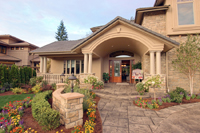
If you want to insure a mansion or a priceless art collection, don’t be surprised if a certified thermographer shows up at your door, infrared camera in hand.
Thermal imaging cameras are among the latest high-tech tools Homeowners insurers are using to help stem losses before they become catastrophes, saving policyholders from heartbreak and companies millions in damage claims.
One major insurance company is using thermal imaging cameras for its high-value homes, letting inspectors “see” hidden hot or cool spots. A hot reading might indicate a fire hazard from an electrical malfunction, while a cool reading could come from a leak. In one case, the camera detected a cool spot in a ceiling due to a leak caused by a faulty 37-cent clip in an upstairs ice maker. If the ceiling had collapsed, it would have caused $125,000 in damage.
High-tech devices aren’t limited to the high-end market. One insurer offers an online risk-assessment tool that its Homeowners clients can use to find the risks for flooding, wildfire and storm surge, based on their address. This company also provides its clients inexpensive alarms that can detect potential water leaks before they can cause extensive, and expensive, damage.
Insurance companies are exploring new technologies. One insurer has patented a data recorder that can be installed in building to analyze potential causes of damage or destruction. Another company has filed a patent for a system that would use spectroscopy to identify chemical changes caused by wildfires and other natural disasters. If such a change were detected and confirmed, the company could speed up the claims process.
Read more

A pipe bursts and water ruins a corner of your Brazilian cherry wood floor. A windstorm tears off half of the vinyl shingles on one side of the house. A fire burns a couple of kitchen cupboards. Although your Homeowners policy will cover such partial losses, the extent to which the insurance company must go to make everything look just the way you’d like can be tricky.
Let’s say that the new siding contrasts with the older, weathered shingles or that you can’t find replacement kitchen cupboards that precisely match the originally.
Your claim should put you back to pre-loss condition so the new part shouldn’t stick out like a sore thumb. For example, this might mean replacing the entire floor of a room even if only a portion needs repair, or repainting all four walls after damage to only one.
In some states, if replaced items don’t match in quality, color or size, the insurance company must make “reasonable repairs or replacement of items in adjoining areas.” Although other states don’t have laws on matching, some Homeowners insurers have added similar “non-matching language” to their policies.
Besides varying by state, insurer, and policy, the issue of patching versus full replacement can depends on insurance company adjusters.
If you can’t get make any headway with the adjuster on the repairs you want, consider going over his or her head to a supervisor, or file a complaint with the state insurance department. Another option is to hire a public insurance adjuster to work on your behalf through the claims process. These professionals usually charge about 10% of the final settlement.
Read more
Your Auto insurance rates are based on a variety of factors such as your driving record, mileage, the car you drive and your age.
Rates are highest for drivers in their teens and early 20, tend to fall for those aged 30 to 60-something, and then start climbing again around age 70. Although drivers in this age range tend to drive less and are more mature, their vision and reflexes are declining. They’re also more likely to be injured in an accident than their younger counterparts, and to suffer more severely because they’re physically weaker. Also. They often drive smaller cars, which are more vulnerable to damage.
Here are five ways that senior drivers can keep their Auto insurance rates affordable. :
- Update your mileage. You can get a discount of 5% to 10% if you no longer commute or drive long distances.
- Use a telematics device. A usage-based or pay-as-you-go Auto insurance program can reduce premiums by 5% to as much as 40%.
- Take a class. Most states require Auto insurers to offer “mature drivers” (who can be as young as 55) a discount of 5% to 15% for completing an accident-prevention course.
- Exclude a driver. In some states, you might be able to drop coverage on a driver who no longer gets behind the wheel.
- Make your car safer. Some insurance companies offer discounts for anti-theft devices, airbags and anti-lock brakes.
Bear in mind that drivers can use some of these methods at any age and save on Auto insurance by raising their deductible or reducing coverage.
To make sure you get the protection you need at a cost you can afford, just give us a call.
Read more
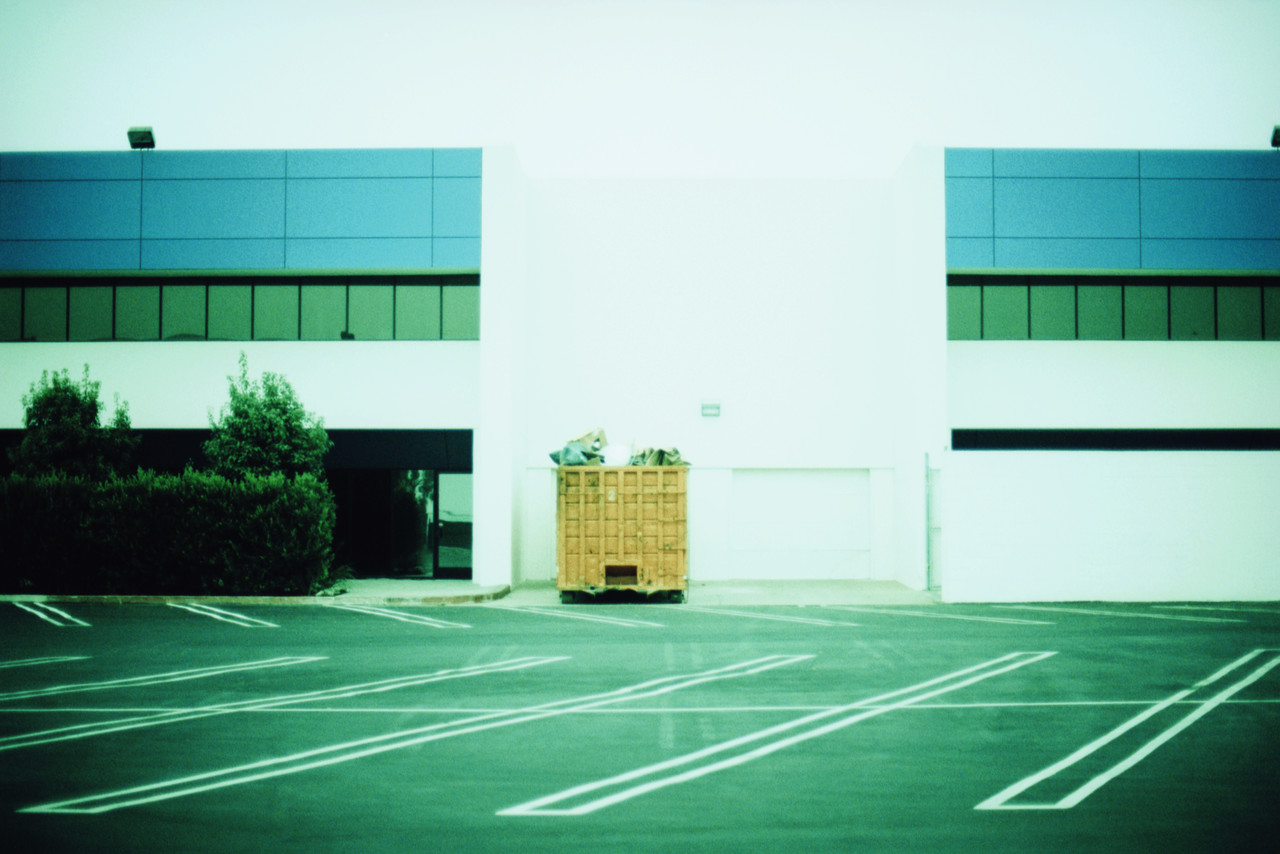 You pull into the grocery store parking lot to pick up a few snacks, and park. As you head for the door, you push a button on your keyless remote to lock it. You don’t hear that faint chirp, but you’re in a hurry. Fifteen minutes later, you discover that your car is gone. Welcome to the world of 21st-century auto theft!
On the surface, things appear to be improving. Vehicle thefts fell 3.3% nationwide in 2011 (the most recent data) for the eighth straight year. However, auto theft still costs the nation an estimated $5.8 billion a year, thanks to streetwise thugs who feed chop shops and supply lucrative international black markets. These days, car thieves are becoming smarter, more tech-savvy, and harder than ever to stop.
Anyone can go to a home-improvement store and buy a $20 device that jams the remote keyless entry transmitter on a vehicle. If you aren’t paying attention, you walk away from your vehicle, press the button on the remote, and assume that it locks. However, a thief might be two cars over in the parking lot, punching a button to block the signal. The vehicle doesn’t lock, and the thief can take your laptop, portable GPS, or whatever else is inside. With enough time, he can even steal the vehicle!
To guard against jammers, pay attention to your surroundings and make sure your car doors do indeed lock when you press the button. Listen for the click or chirp, or look for the quick flash of lights that confirmations locking on most cars. If the vehicle doesn’t lock, try again. However, if locking doesn’t work on the second attempt – or if you see someone lurking nearby – move your car to a different spot.
An ounce of prevention..
Read more
 If a disaster covered under your Homeowners insurance wrecks your home, you don’t have to couch-surf until repairs are finished.
The standard Homeowners policy will pay for loss of use or Additional Living Expenses (ALE) – such as rental and hotel costs – while your dwelling remains uninhabitable
Check out these guidelines for using this valuable coverage:
- Know the amount of your ALE. The Homeowners policy caps additional expenses as a portion of the Dwelling coverage (usually 20%) and sets a time limit, such as 12 months. If you believe that you’ll need more coverage, increase the amount before disaster strikes.
- Look for comparable digs. Staying in a hotel gets old rapidly, so you’ll want to get settled quickly. However, don’t decide too soon – you’re entitled to stay in a place that’s comparable in size and quality to your house.
- Count all your extra expenses. In addition to the cost of housing, don’t overlook other expenditures – everything from restaurant meals while living in a hotel and fees for boarding pets to the expense of coin-operated laundry and extra mileage for driving further to work.
- Remember that the key word for ALE is “additional.” The insurance company can deduct any money you save from living in temporary housing (such as the amount you would have spent on groceries from your reimbursement for restaurant meals while you’re staying at the hotel).
- Keep your receipts. The insurance company will generally reimburse you for expenses as they’re incurred, rather than paying a lump sum. Keep meticulous records of every expenditure, save all your receipts – and store them in a waterproof, zippered pouch.
For more information on your Additional Living Expenses coverage, please feel free to get in touch with us at any time.
Read more
