 You’re at the airport car rental counter to find a convertible for the weekend — for business, of course. “No problem,” says the sales rep. But before handing you the keys, she asks if you’d like additional Physical Damage coverage. This leaves you with a problem: Should you pay the extra money or trust your own insurance?
Your Business Auto insurance will probably pay for your liability on the business rental, but coverage for damage to the rental vehicle can be more complicated. You might be covered under your Business Auto or Personal Auto policy, or even the credit card that you used to pay for the rental, Depending on the situation, it’s also possible that none of them will pay very much.
To make things even more confusing, laws in a number of states limit your responsibility for damage to the rental – if coverage applies under any of the above, there might still be exclusions and limitations.
To help cut through this confusion, here are a few tips:
- Rent from a reputable company. The national car rental firms tend to have standardized contracts with tested language. Local or smaller businesses often develop their own contracts, and without legal assistance it might be nearly impossible to determine exactly what you’ve agreed to.
- When in doubt, ask. The person at the rental counter might not be sure about what coverage she’s selling, so be sure to ask to speak to someone who can clearly explain what you are and are not responsible for. If you’re unsure, walk away.
- Talk with us before your trip. We’d be happy to explain your options.
Read more
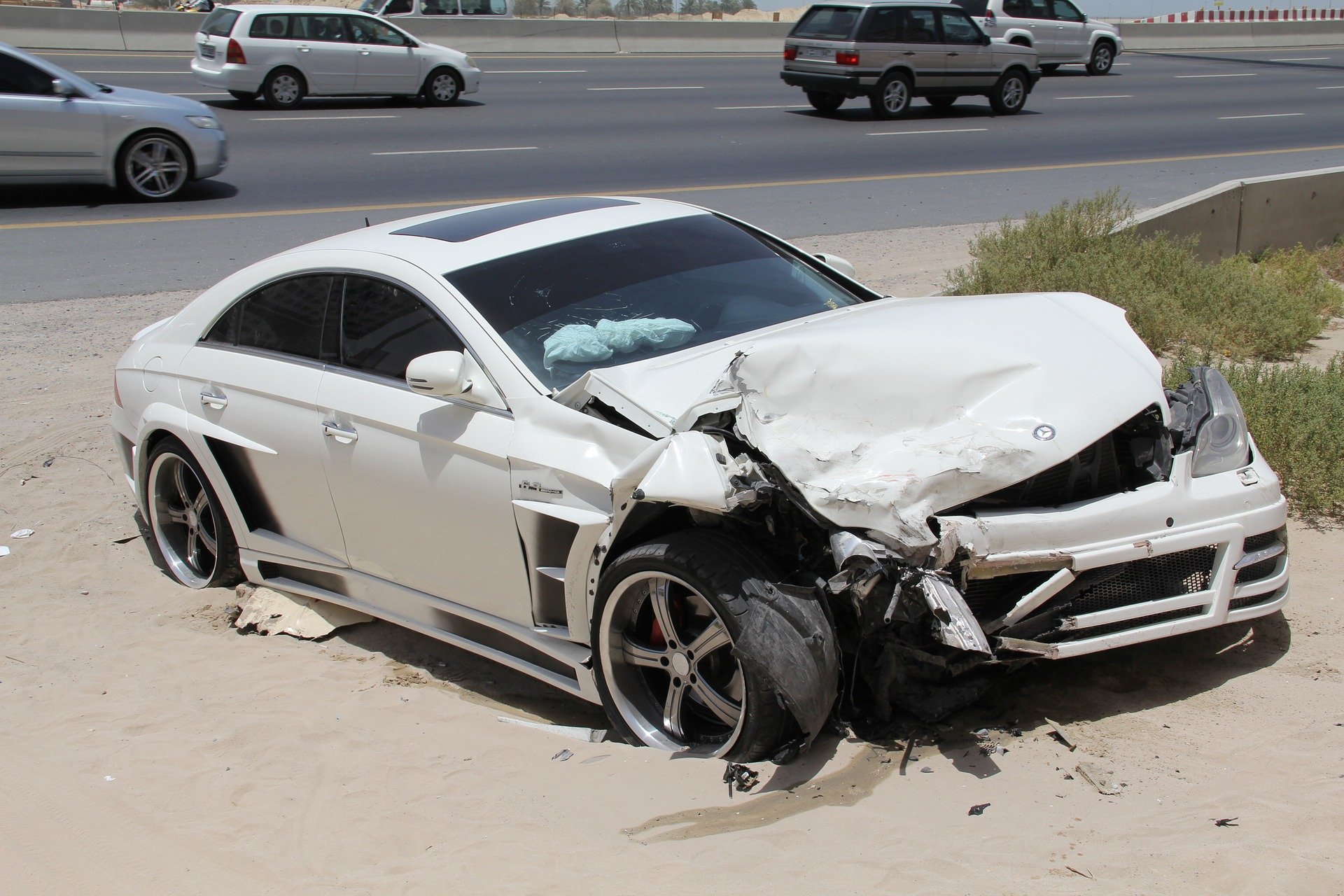 You know the drill after an auto crash, heart stopping panic, and then, especially if there’s major damage or a serious injury, exchanging names, addresses and insurance information with the other driver. Easy, right?
However, if the other driver refuses to provide these particulars (or you’re so shaken that you forget to ask for them), you could end up in serious financial, or even legal, trouble.
Dan Young, Senior Vice President of Insurance Relations for CARSTAR warns, “[After an accident] sometimes drivers just don’t do what they’re supposed to do.”
To make sure you’re prepared for such a mishap, follow these guidelines:
- Remain at the scene. Although state laws differ, failure to exchange information or notify police can lead to a hit-and-run charge or loss of your license.
- Keep a “cheat sheet” in your glove compartment about what to ask after an accident.
- Use your cellphone to take a photo of the other vehicle, (preferably showing its license plate) as visual proof of the incident.
- Write down details. As soon as you and your vehicle are out of traffic and harm’s way, record the date and time, location, make and model of the cars and actions or statements by the other driver.
- Ask any bystanders or eyewitnesses for their names and contact information.
In the meantime, review your auto policy to make sure that you carry: 1) collision coverage, which will pay for repairing your car and providing a replacement vehicle, if needed and 2) uninsured/underinsured motorists insurance (UM/UIM), which will cover damages for injuries caused by an uninsured or underinsured driver.
For more information, feel free to get in touch with our agency
Read more
 As you go about your daily business, insurance fraud is probably one of the furthest things from your mind. However these all-too-common scams, everything from homeowners who report a non-existent burglary to collect on their policies to drivers who stage auto accidents and file injury claims – are criminal acts that you have a legal obligation to report.
If you’re aware of, or suspect, a fraudulent act that involves insurance follow these steps:
- Inform the insurance fraud bureau in your state either through its telephone “hot line” or online.
- Contact the fraud department of the insurance company involved. Most companies have hotlines for this purpose. If a fraud hotline isn’t available, or if you’re uncomfortable using it, write the fraud department instead.
- If the alleged fraud involves a medical issue – such as a claim for a non-existent condition – contact your state medical board or chiropractic board immediately in order to protect the complainant, as well as other possible victims.
- If appropriate, notify other authorities, such as the police (if someone’s life might be in danger) or your local Social Security office (in case of suspected Social Security fraud).
- Remember that, as a witness, you must report all the details involved: full names, dates, organization, company name, the amount of money involved, etc. Provide any documentation or other information you think might help with the investigation.
- Be patient. Investigating complaints takes time; it might be months before the investigators have gathered enough evidence to bring the perpetrators into court.
A word to the wise. insurance scams costs billions of dollars a year, driving up premiums for everyone – including you.
Read more
 Adding a teenager to your auto policy can raise your rate by more than 40%. The good news: you and your teen can reduce these hikes significantly in a variety of ways:
- Get good grades. Most insurance companies offer high school or college students with a B average or better a discount of up to 10%.
- Live away from home. Students at college or living at least 100 miles from their parents without a car can usually get a 5%-10% discount.
- Take an additional driving class. Although most insurance companies don’t give a discount for mandatory drivers’ed instruction, some companies will reduce premiums by 5% for teens who go to follow-up classes.
- Sign a parent-teen driving contract. Your insurer might offer up to a 5% discount if your teen agrees to follow such rules as not driving at night or with friends in the car.
- Raise your deductible. However, bear in mind that you’ll have to pay this deductible if your teen driver damages the car. If you repair every ding, you could spend a lot more than you’ll save on premiums with a higher deductible.
- Reduce or drop some coverage. If you have an older car, you might not need Comprehensive or Collision insurance. Be wary of lowering Liability limits. In most cases, it makes sense to keep Personal Injury Protection (PIP) coverage, which pays medical expenses of anyone injured in an auto accident.
- Choose a safe vehicle. The higher the safety rating of your car, the lower your premiums – and the safer your teenager will be behind the wheel.
We’d be happy to help you minimize the sticker shock of adding a teen driver. Just give us a call.
Read more
Floods happen – and nearly half of all deaths related to them involve vehicles, says the Federal Emergency Management Agency.
The best advice for drivers during periods of heavy rain or flooding is to stay off the road. If that’s not possible and you see signs of high water or stranded vehicles, pull over or take a different route (“Turn around, don’t drown”).
However, an unexpected flash flood can easily catch you unawares. If this happens, safety experts recommend taking these precautions to prevent an accident or a water-damaged car:
- Never drive beneath an underpass during a heavy rainstorm because they’re prone to flooding.
- Be wary of water levels. According to FEMA it takes only one foot of water to float a car, or even an SUV, sweeping it off a bridge or down a road.
- If your vehicle gets caught in a flood and stalls, or you lose control, get out before the car is carried downstream.
- If you can’t escape and your vehicle is going under, don’t panic. Once the car is submerged, open the doors, hold your breath, and climb out.
The good news: If your car is involved in a flood-related accident, Auto insurance can make sure that you don’t get swept away financially. Comprehensive coverage will pay for any type of damage to your car up to its actual cash value caused by natural events, such as flooding. If you hydroplane during a storm and flip your car or hit another vehicle or tree, Collision insurance will pay to repair it or cover the actual cash value of the car.
To learn more, please feel free to get in touch with our agency.
Read more
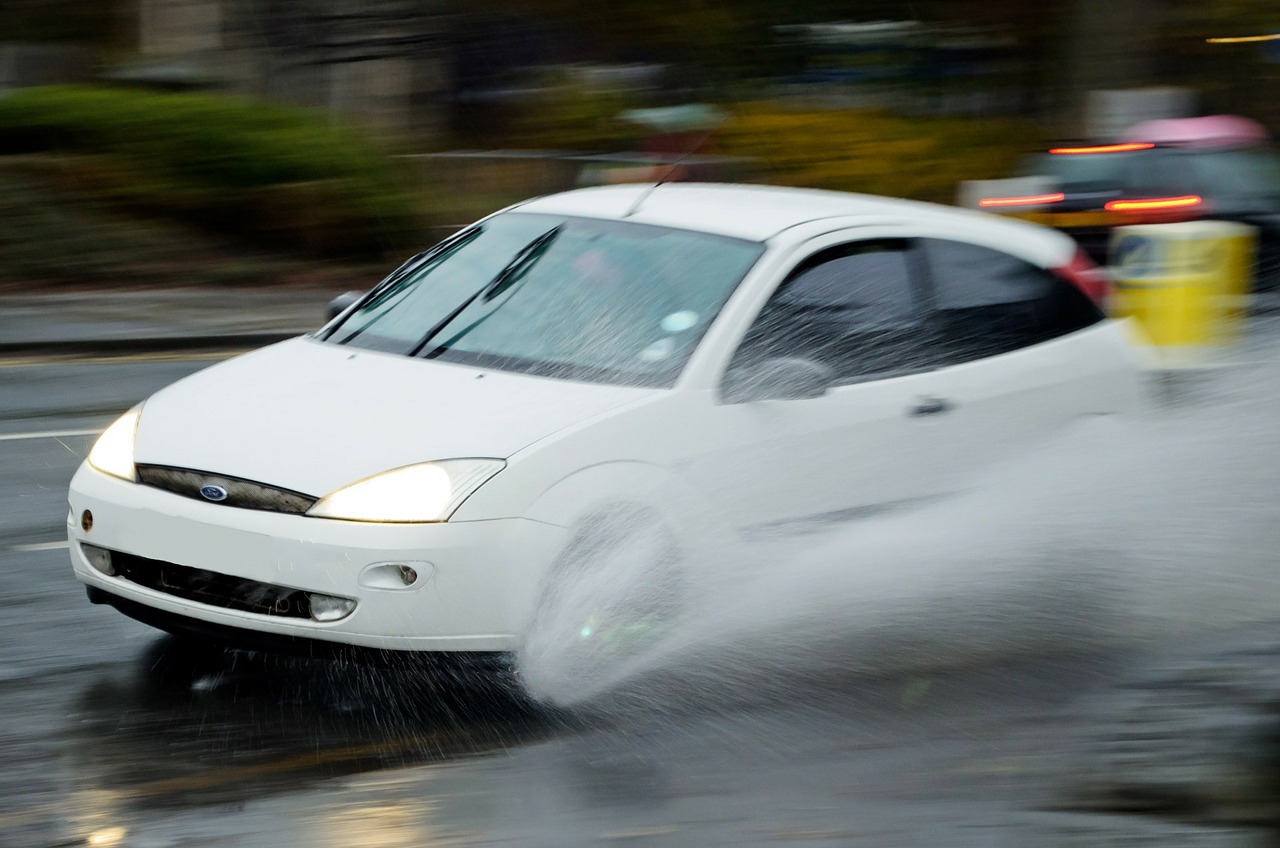 If your Auto insurance company sees you as a deadbeat or high-risk or driver, it might cancel or non-renew your policy.
Because insurers take cancellation seriously they won’t eliminate coverage for a traffic ticket or two. What’s more, state regulators ban cancellations under most circumstances.
However, a company can non-renew your insurance at the end of each policy period (six to 12 months) or cancel the policy during the first 30 to 60 days that it’s in force. The main reason for midterm cancellation is nonpayment. State regulators set the requirements, such as a written notice of non-payment, together with a 10 to 30-day grace period to pay.
Some states allow insurers to cancel coverage, usually for an activity – such as a DUI conviction that involves bodily injury or substantial damage – which indicates you’re at high risk for an accident; or for misrepresenting your driving history (for example, not disclosing that your teenager was behind the wheel instead of you when an accident occurred). Some companies will backdate coverage to the cancellation date, while others will not cover you during the period when you haven’t paid your premiums.
If you can’t bring your account up to date or the company cancels you for a reason other than non-payment, your policy probably won’t be renewed – which means you’ll have to look for insurance elsewhere, probably at a higher rate. Depending on the reason for cancellation, some companies might refuse to write your business. In this case, you can to turn to the state’s assigned-risk pool, which offers bare bones coverage at higher rates.
Your best move is to do everything possible to avoid cancellation or non-renewal. For example, if you can’t afford to premium payments, consider reducing your coverage rather than take the risk or cancellation.
For more information, just give us a call. We’re here to help!
Read more
