 Engineers, firefighters, lawyers, teachers, and police officers all have one thing in common: they qualify for Auto insurance discounts with some insurers who have found that people in certain fields tend to be less risky drivers than those in other occupations.
A number of insurance companies offer discounts to those in a variety of professions – everything from architects, CPAs, and college professors through librarians, military personnel, and pilots, to physicians, registered nurses, and scientists.
Here’s why: although practicing architecture or flying a plane doesn’t necessarily make a driver more responsible, insurance underwriters don’t have to prove cause and effect when setting rates. They need only show a relationship between these rating factors and risk.
A variety of factors can come into play in determining discounts. One Auto insurance company offers up to a 5 % discount to first responders, such as firefighters, police officers, emergency medical technicians and paramedics. Because these people tend to work in the communities where they live, they probably don’t commute long distances. First responders might speed down the road in emergencies, but not in their own vehicles, and they tend not to work from 9 to 5 – which means that they’re at lower risk for accidents.
Discounts vary by occupation, insurance company, and state. Some companies offer discounts for a long list of occupations and professions, while others provide them to only a few, or none at all. Some jobs receive larger discounts than others.
Rules for discounts also vary by field. To qualify for one company’s discount, health care providers must have a license to practice, as well as a degree. However, policyholders who have earned at least a bachelor in engineering, math, or science qualify for an 18% discount, even if they work in other fields.
Your occupation or profession might well entitle you to a substantial discount on your Auto insurance – even if you’re retired. For more information, please get in touch with us.
Read more

A pipe bursts and water ruins a corner of your Brazilian cherry wood floor. A windstorm tears off half of the vinyl shingles on one side of the house. A fire burns a couple of kitchen cupboards. Although your Homeowners policy will cover such partial losses, the extent to which the insurance company must go to make everything look just the way you’d like can be tricky.
Let’s say that the new siding contrasts with the older, weathered shingles or that you can’t find replacement kitchen cupboards that precisely match the originally.
Your claim should put you back to pre-loss condition so the new part shouldn’t stick out like a sore thumb. For example, this might mean replacing the entire floor of a room even if only a portion needs repair, or repainting all four walls after damage to only one.
In some states, if replaced items don’t match in quality, color or size, the insurance company must make “reasonable repairs or replacement of items in adjoining areas.” Although other states don’t have laws on matching, some Homeowners insurers have added similar “non-matching language” to their policies.
Besides varying by state, insurer, and policy, the issue of patching versus full replacement can depends on insurance company adjusters.
If you can’t get make any headway with the adjuster on the repairs you want, consider going over his or her head to a supervisor, or file a complaint with the state insurance department. Another option is to hire a public insurance adjuster to work on your behalf through the claims process. These professionals usually charge about 10% of the final settlement.
Read more
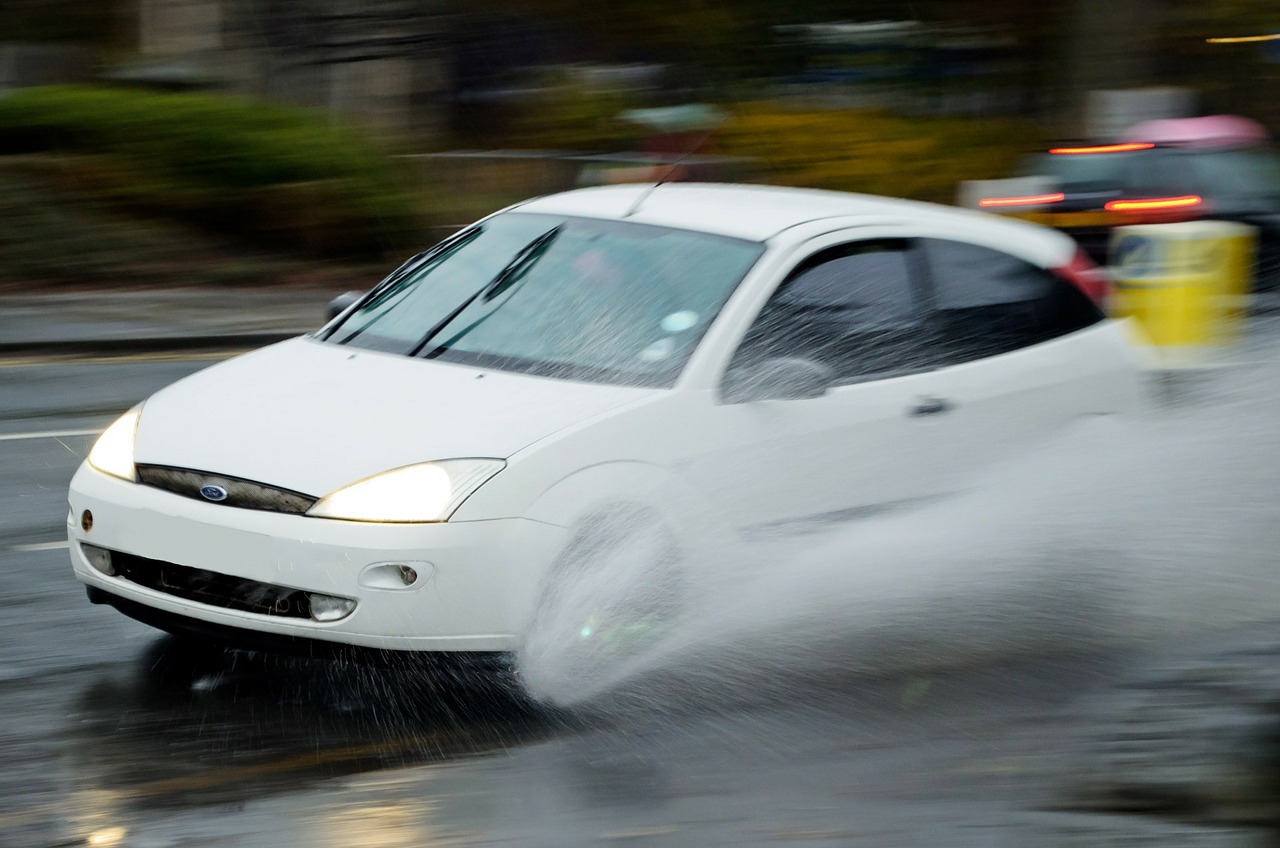 Any travel during winter months is risky. Storms come out of nowhere, roads become icy quickly and inexperienced drivers take unwise risks. Be prepared to stay safe on the road thanks to eight winter driving tips.
1. Check the forecast. In less than a minute, you can find out if you’ll be driving in fog, snow or ice. You can also discover which roads are blocked and if you need to find an alternative route to your destination.
2. Slow down. In snowy conditions, cut your speed in half to ensure you have adequate stopping distance. Don’t go so slow, though, that you lose momentum on grades.
3. Know skid recovery. Braking on slippery roads can cause your vehicle to slide instead of stop. If this happens, you need to know how to recover. Stay off the brake and steer your vehicle the way you want it to go.
4. Stay smooth at the controls. Pounding on the brake, shifting hard and even clenching the steering wheel make winter driving harder than it has to be. Instead, use smooth motions and relax as you drive.
5. Check your tires. Proper tire inflation and tread improve your vehicle’s traction and ability to stay on the wet or icy roads. Check the inflation of your snow tires frequently since cold weather decreases tire pressure, and make sure the tread is at least 1/8-inch. Carry snow chains, too, if necessary.
6. Know your vehicle. Every car and truck handles differently. Before heading out in winter weather, make sure you know how your vehicle handles. Know where the windshield wipers, defrost button and four-ways are, too.
7. Pack survival supplies. If you’re stranded or in an accident, you need a few supplies. Definitely store a snow shovel, sand or litter and lock de-icer in your vehicle. Consider packing a portable power source, flashlight, waterproof matches, tow rope, first aid kit, energy bars and blanket also. If you do get stranded, wait for help to arrive.
8. Stay hydrated. Dehydration can make you drowsy and reduce alertness. Drink water before you head out and carry a bottle or two with you so that you can stay alert.
Winter driving can be dangerous, but follow these eight tips to stay safe. Remember to check in with your auto insurance agent, too. Update your policy as you prepare for whatever winter throws at you on the road.
Read more
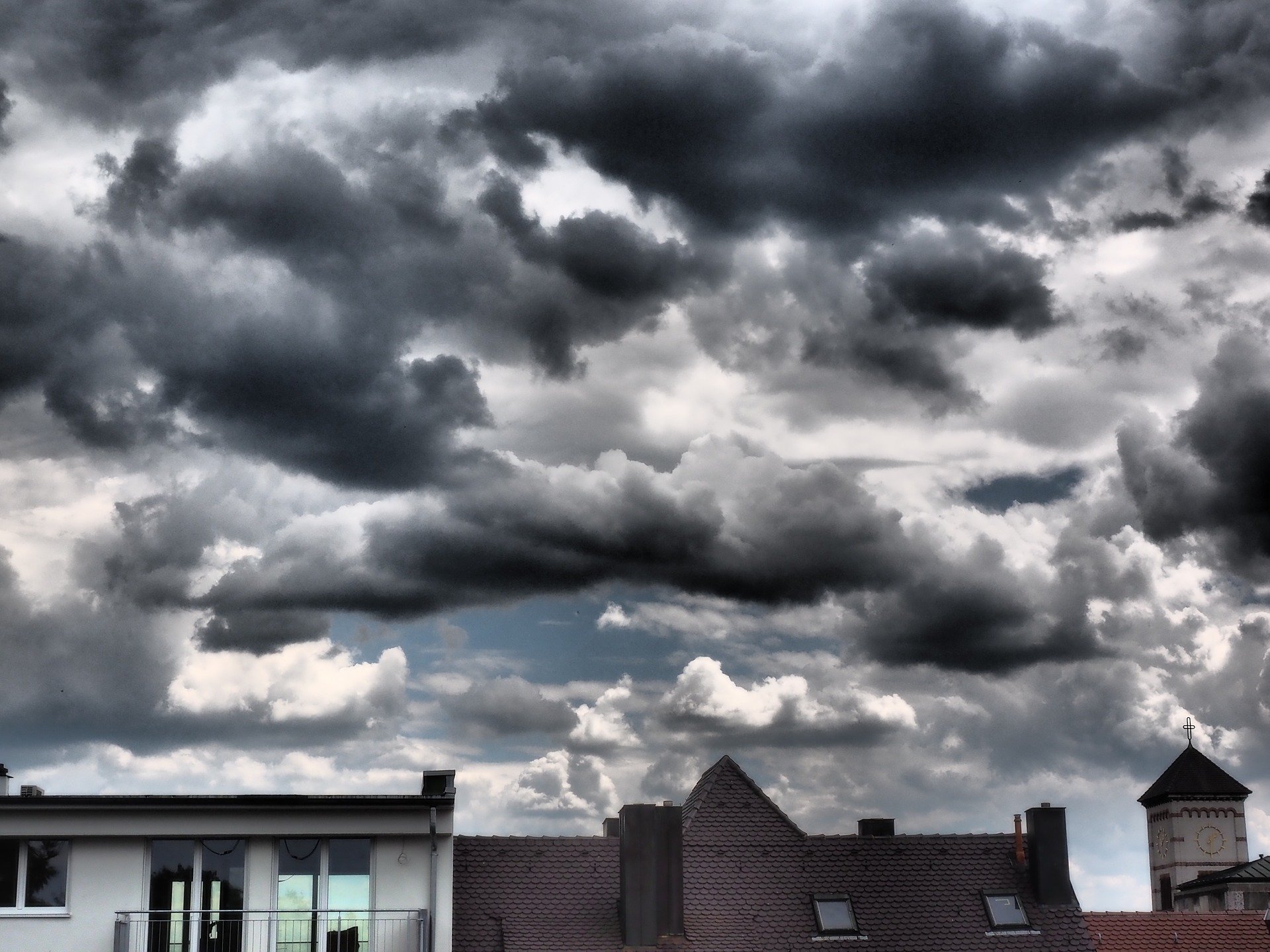 As you get ready to bundle up for winter, consider prepping your home, too. Several tips ensure it is protected and comfortable all season.
Inspect and Clean the Chimney
Whether you have a fireplace or wood stove, the chimney needs to be professionally cleaned and inspected. Remove any debris or creosote buildup, and repair any cracks or chips before you start your first fire of the season.
Change the Furnace Filter
Dust and other debris can compromise your furnace filter’s ability to do its job. Improve your furnace’s functionality and longevity when you change the filter this fall.
Install Detectors
Smoke detectors and carbon monoxide detectors are essential in your home year round but especially during the winter months. Install these detectors on each floor, and test them at least once a month.
Repair the Roof
By repairing roof leaks and loose shingles now, you prevent damaging leaks and expensive emergency repairs.
Trim Trees
High winds can blow tree branches into your home and cause extensive damage. Trim branches now as you protect your home.
Boost Insulation
An extra layer of insulation goes a long way towards keeping your home cozy. Consider insulating the hot water tank and water lines along your home’s exterior walls. You can also insulate the attic, basement, exterior walls, crawlspaces and outlets as you prepare your house for winter weather.
Apply Weatherproofing Materials
Windows and doors can be a major source of drafts and lost heat. Apply caulk or weather-stripping material to improve your comfort and reduce heating expenses. For even bigger savings, install insulated doors and thermal-pane or storm windows.
Stock an Emergency Kit
Power outages are common when heavy storms hit your area. Be prepared with an emergency kit. It can include items like extra non-perishable food, a manual can opener, bottled water, first aid kit, battery-powered radio, blankets, flashlight, batteries, hand sanitizer, portable toilet and activities.
Preparing your home for winter protects your investment. In addition to implementing these tips, ensure your home insurance is adequate. Then sit back and enjoy the season in comfort.
Read more
 The holiday season is here, and it’s time to celebrate. As you prepare your home, follow several safety tips that help your holiday season be merry and bright.
Indoor Decorations
Miniature houses, ceramic reindeer and scented candles add a festive dimension to your home during the holiday season. Be sure to keep fragile items away from the edge of tables or mantles and out of small children’s reaches. Extinguish any candles before bedtime or leaving the house, too.
Christmas Tree
A traditional symbol of the holiday, your Christmas tree looks pretty as its light twinkle. Keep your family safe when you secure the tree into a sturdy stand. Water your real tree regularly or choose a fire-resistant artificial tree to prevent a fire. If you use lights, don’t use frayed strands, hide the light power chord under a rug to reduce the tripping hazard and unplug the lights before you leave the house or go to bed. Remember to hang ornaments out of reach or place a baby gate around the tree, too, to protect children and pets.
Gifts
Share joy this holiday season when you give gifts to your loved ones. Remember to keep all gift wrapping supplies away from pets that may eat shiny ribbons and get sick. Also, purchase adequate insurance for jewelry, art and other expensive gifts. To prevent thieves from stealing your holiday joy, hide gifts until Christmas morning, secure your house with a security system and keep the windows and doors locked.
Outdoor Decorations
Whether you go all out when decorating your house and lawn or simply hang a wreath on the door, follow outdoor decoration safety. Always use a ladder to hang lights on your house. Don’t overload electrical outlets, either. As a rule, connect only three outdoor extension cords together in one strand.
Visitor Prep
Welcoming visitors is part of the season’s fun. Clear the walkways of ice and debris before guests arrive. Consider installing extra lighting, too, to prevent falls and trips. When preparing food, follow food safety guidelines. Store fresh foods at the correct temperature, cook foods thoroughly and place leftovers promptly into the fridge.
The holiday season is a joyous time of celebration. Follow these safety tips as you decorate your home and welcome guests. Contact your insurance agent, too, to update your home insurance policy and insure all your gifts.
Read more
 Every year, heart disease causes one out of four deaths, reports the Centers for Disease Control and Prevention. Reduce your risk when you make five dietary changes.
- Eat More FruitsFruits rich in vitamin C and fiber protect you from heart disease. So, eat more citrus fruits, which are loaded with vitamin-C, and fruits with fiber-rich skin, including apples, pears and peaches. Easily add more fruit to your daily menu when you:*Serve fruit salad as a side dish during every meal,
*Display fruit on the counter where you’ll see it every day and
*Pack fruit in your lunch box.
- Stock up on VeggiesGreen, leafy vegetables, such as spinach, kale and broccoli, protect you from heart disease. They’re easy to add to your daily diet when you serve salad for dinner and toss green veggies into soups, eggs and rice.
- Pump up the Whole GrainWhen you consume 25 grams of whole grains each day, your risk for developing heart disease decreases by 15 percent. Pump up your whole grain intake with oatmeal, brown rice and rye.
- Reduce Fat IntakeSaturated fats are one of the leading causes of heart disease. Easily reduce the amount of fat you consume when you:*Switch to skim milk
*Use olive oil instead of cream-based sauces and dressings and
*Try butter alternatives.
- Eat Less MeatMeat, especially red meat, is often high in saturated fat, which causes high cholesterol and clogged arteries. For optimum heart health, go vegetarian because it may reverse existing cardiovascular disease. If you have to eat red meat, limit it to three ounces a day.
Reducing heart disease is possible when you eat a heart-healthy diet. Start by making these five dietary changes. Then, talk with your health insurance agent about additional ways you can reduce your heart disease risk and live a healthy lifestyle.
Read more
